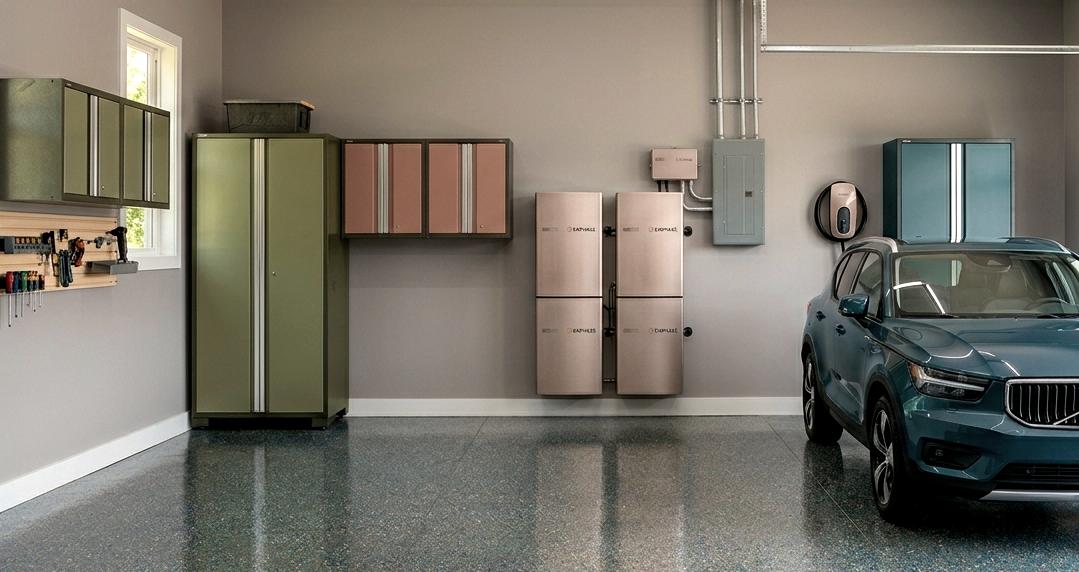











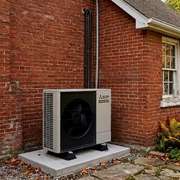

The residential energy storage market has reached a critical maturity point in 2026, shifting from simple capacity stacking to integrated energy ecosystems that manage solar, EV charging, and heat pumps simultaneously.
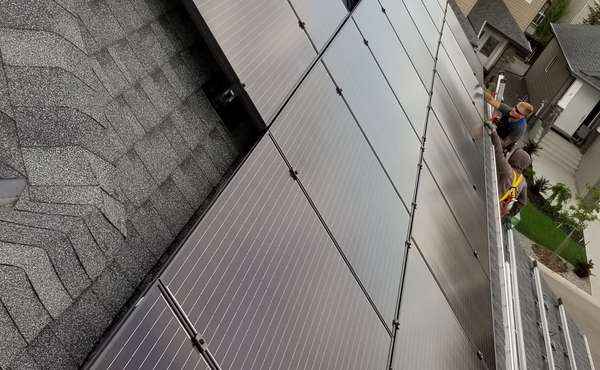
The electrification of homes has seen such huge leaps in technology that when combined with very efficient home design it is now financially viable to heat a home entirely with rooftop solar.
For homeowners and industry professionals, choosing the right system now requires balancing advanced LFP chemistry, software integration, and long-term cycle life reliability to ensure true energy independence during grid outages.
This guide provides a comprehensive look at the key aspects of this topic. Below is an overview of the sections we will cover, allowing you to jump directly to the information you need.
- Battery chemistry: LFP vs. NMC
- Home batteries vs. generators for resiliency
- Top performing home batteries for 2026
- How to size a home battery for your needs
- Net metering, TOU, and peak rates
- Incentive programs and rebates
- In brief
Battery chemistry: Lithium Iron Phospate (lfp) vs. Lithium Ion vs. nmc
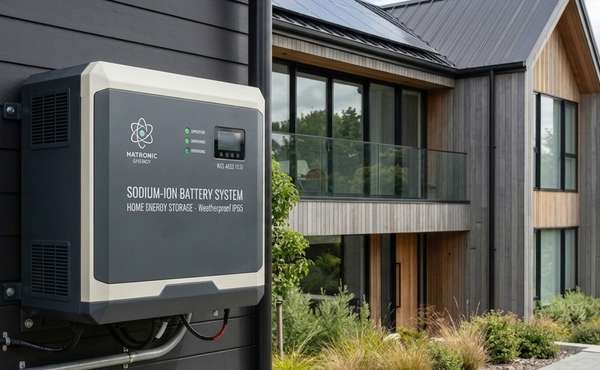
In 2026, Lithium Iron Phosphate (LFP) has officially become the dominant standard for home storage, largely replacing the Nickel Manganese Cobalt (NMC) chemistry found in earlier generations. LFP batteries offer superior thermal stability and a significantly longer lifespan, often rated for 6,000 to 8,000 cycles compared to the 1,000 to 2,500 cycles typical of NMC units.
While NMC batteries provide higher energy density - making them lighter and more compact - the weight is rarely a primary concern for stationary home installations. Professionals now favor LFP because it is cobalt-free, more environmentally sustainable, and inherently safer due to a much higher resistance to thermal runaway. For a standard 10 kWh (10 kilowatt-hour) system, LFP now provides the best return on investment over a 15-year operational life.
Home batteries vs. generators for resiliency
When engineering for resiliency and backup power, the choice between a battery and a fossil fuel generator often comes down to duration vs. convenience. A standby generator offers a lower upfront cost and can run indefinitely as long as fuel is available, but it requires ongoing maintenance, produces significant noise, and emits local pollutants.
Conversely, a solar-plus-storage system is silent, virtually maintenance-free, and integrates into the home's daily energy management. While a generator only provides value during an outage, a battery provides daily financial returns through load shifting. In 2026, many pros recommend a hybrid approach for extreme resiliency, using a smaller battery for instant cut-over and a generator for long-term multi-day outages where solar recharge might be limited by weather.
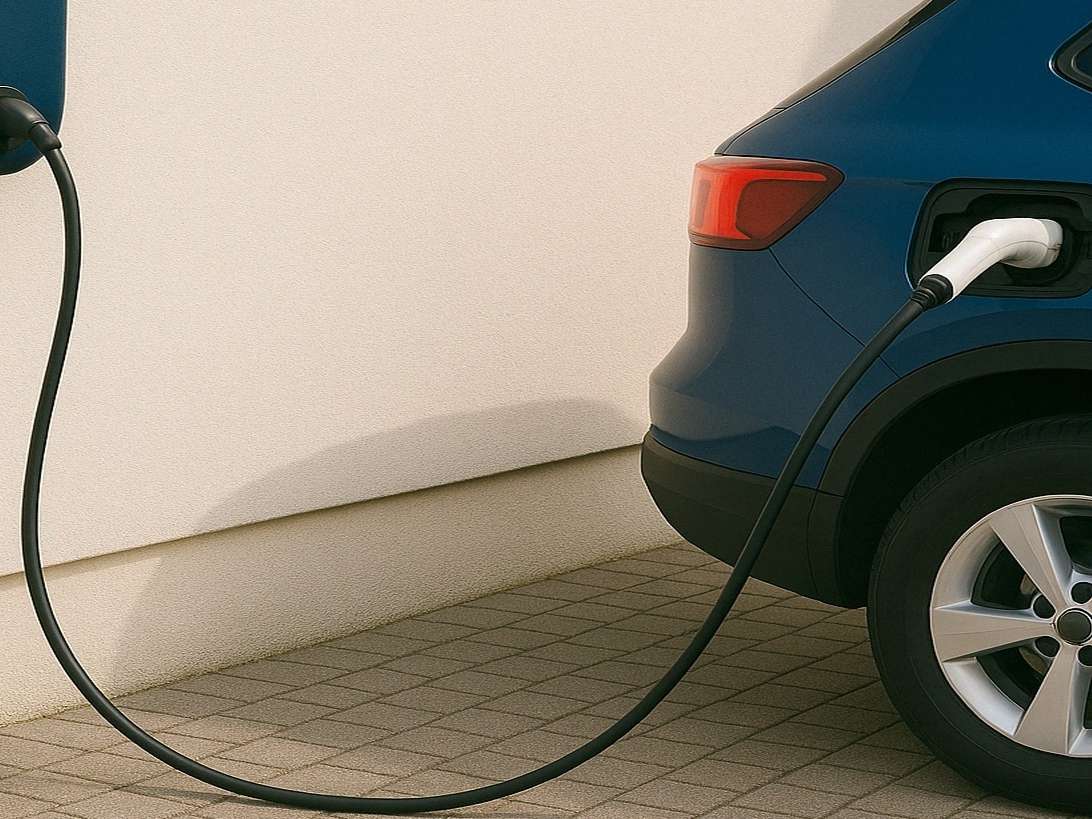
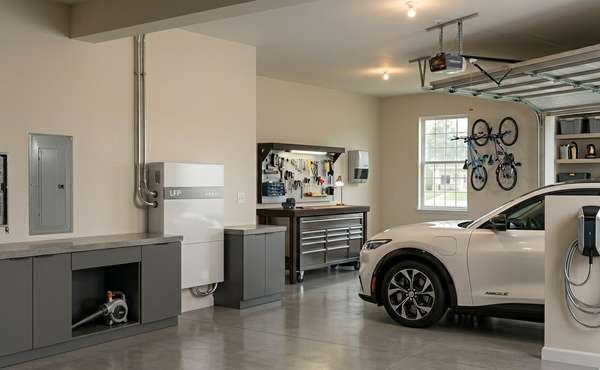
Something of a life hack that certainly merits a mention is the latest tech available in electric vehicles. Some new EV models are showing up on the market that allow bi directional charging, where the flow of power can be reversed. This means your car can power your home in the event of a power outage. Read more here about using an EV to power your home with vehicle-to-home (V2H) or vehicle-to-grid (V2G) technology
Top performing home batteries for 2026
The 2026 market offers a diverse range of modular and all-in-one solutions. Beyond the well-known brands, several specialized systems have gained significant traction for their high-voltage performance and installer-friendly designs.
Tesla Powerwall 3
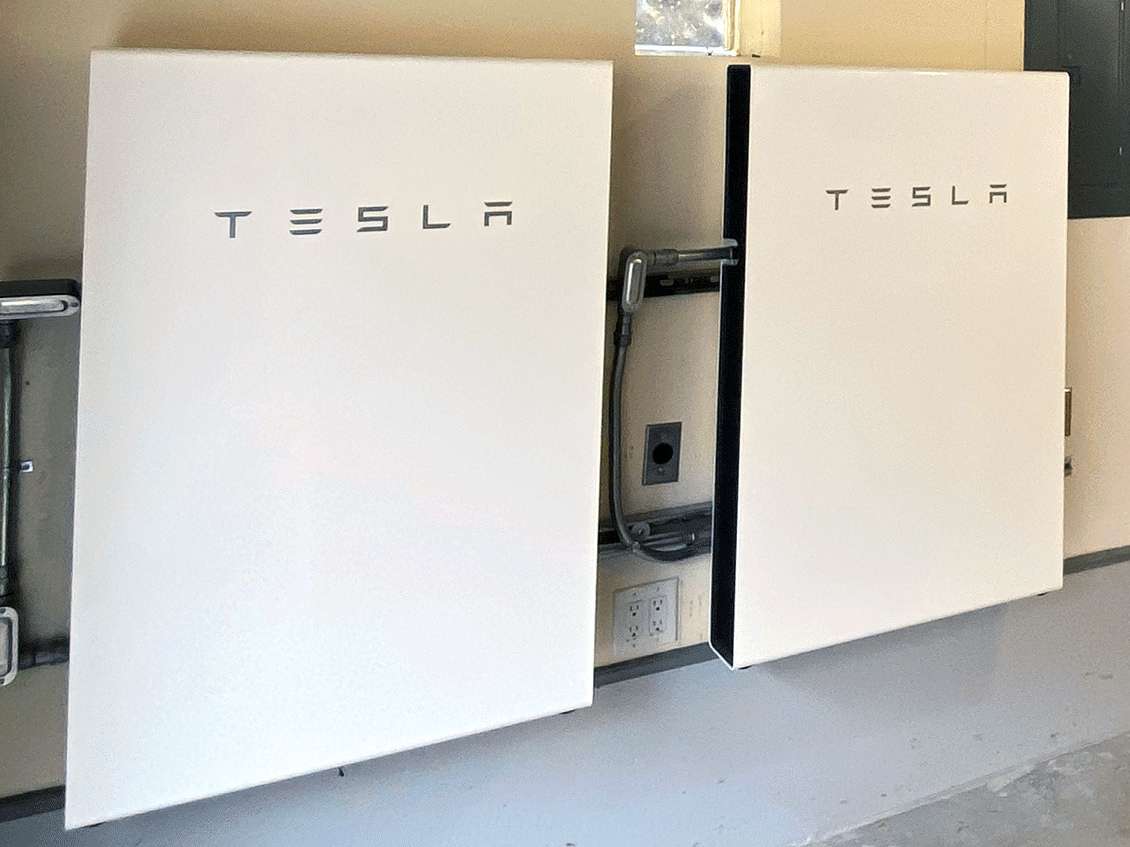
The Tesla Powerwall 3 remains the industry benchmark for software integration and high-demand performance. It features a powerful integrated hybrid inverter that provides 11.5 kW of continuous power, allowing a single unit to handle heavy startup loads like central air conditioners.
Unlike its predecessor, the Powerwall 3 uses Lithium Iron Phosphate (LFP) chemistry for enhanced thermal stability and a longer lifecycle. Its sleek, all-in-one design simplifies installation by reducing external hardware, and the Tesla app offers a refined user interface for real-time energy tracking.
Enphase IQ Battery 5P
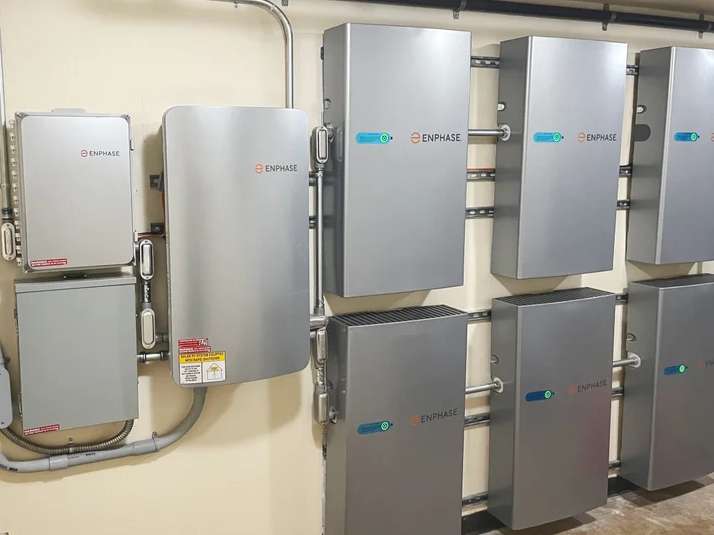
For those prioritizing modular reliability, the Enphase IQ Battery 5P utilizes a unique distributed architecture with six embedded microinverters. This design eliminates the single point of failure common in string-inverter systems; if one microinverter fails, the battery continues to operate. Each unit offers 5 kWh of capacity and a high continuous power rating of 3.84 kVA.
Because Enphase systems utilize microinverters on every solar panel, the monitoring platform provides granular, panel-level data, allowing you to identify exactly which individual panel in an array is underperforming or requires maintenance.
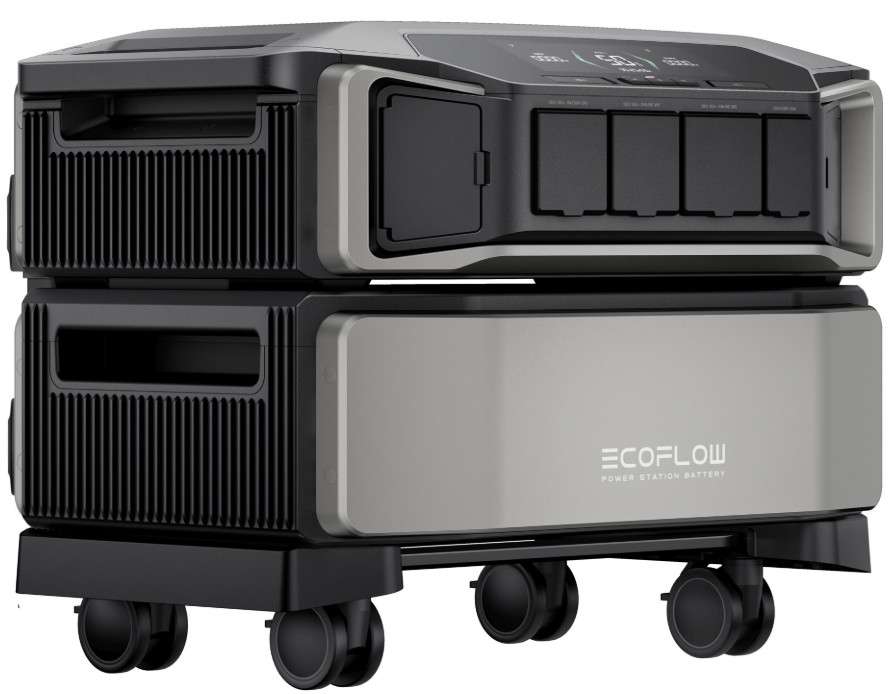
EcoFlow Delta Pro Ultra
The EcoFlow Delta Pro Ultra has emerged as a top contender for versatile, professional-grade backup. It is a stackable system that can expand from 6 kWh to 90 kWh, making it suitable for everything from off-grid cabins to large-scale residential builds. A single inverter unit delivers 7.2 kW of continuous output (peaking at 10.8 kW), supporting 120V/240V loads directly.
Its "plug-and-play" nature allows for rapid expansion without complex rewiring, and the system includes a dedicated high-voltage PV input, ideal for maximizing solar harvesting in remote locations.
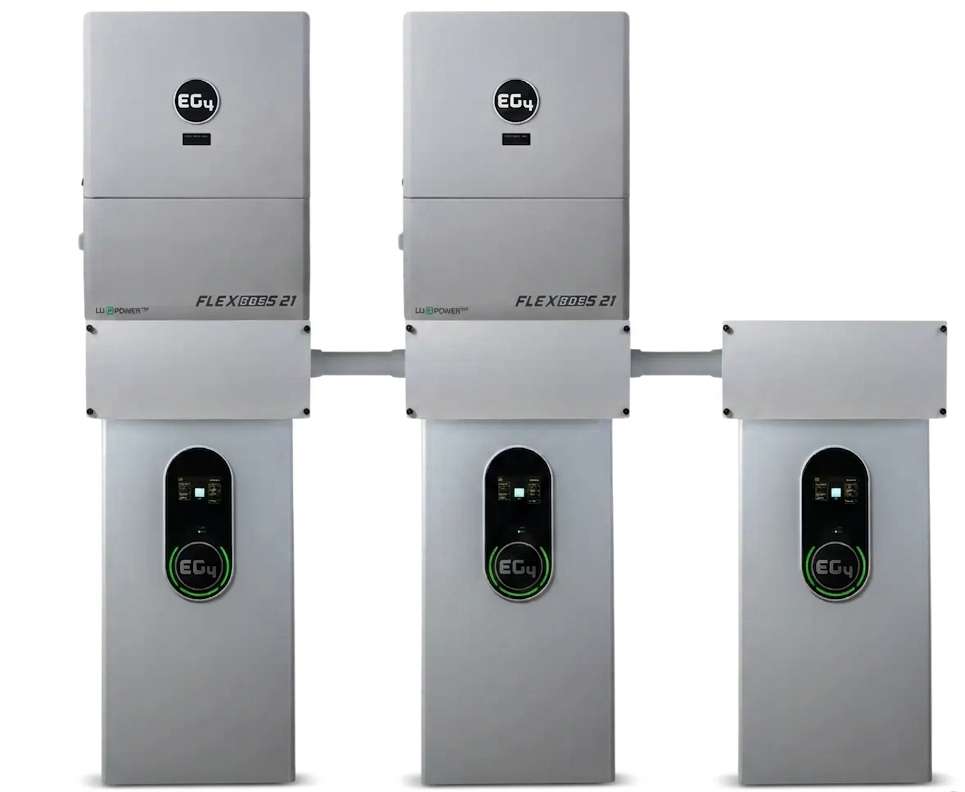
EG4 WallMount Indoor Systems
Prosumers and off-grid builders often turn to EG4 WallMount solutions for their high capacity-to-cost ratio. These units offer a massive 14.3 kWh per module and are built with Grade-A LFP cells designed for over 6,000 cycles. Unlike many "closed" systems, EG4 is designed for high-voltage MPPT solar inputs and features open communication protocols that pair with various off-grid inverters.
This flexibility makes them a favorite for workshops or high-surge environments where users need to manage specific heavy-duty loads like machinery.
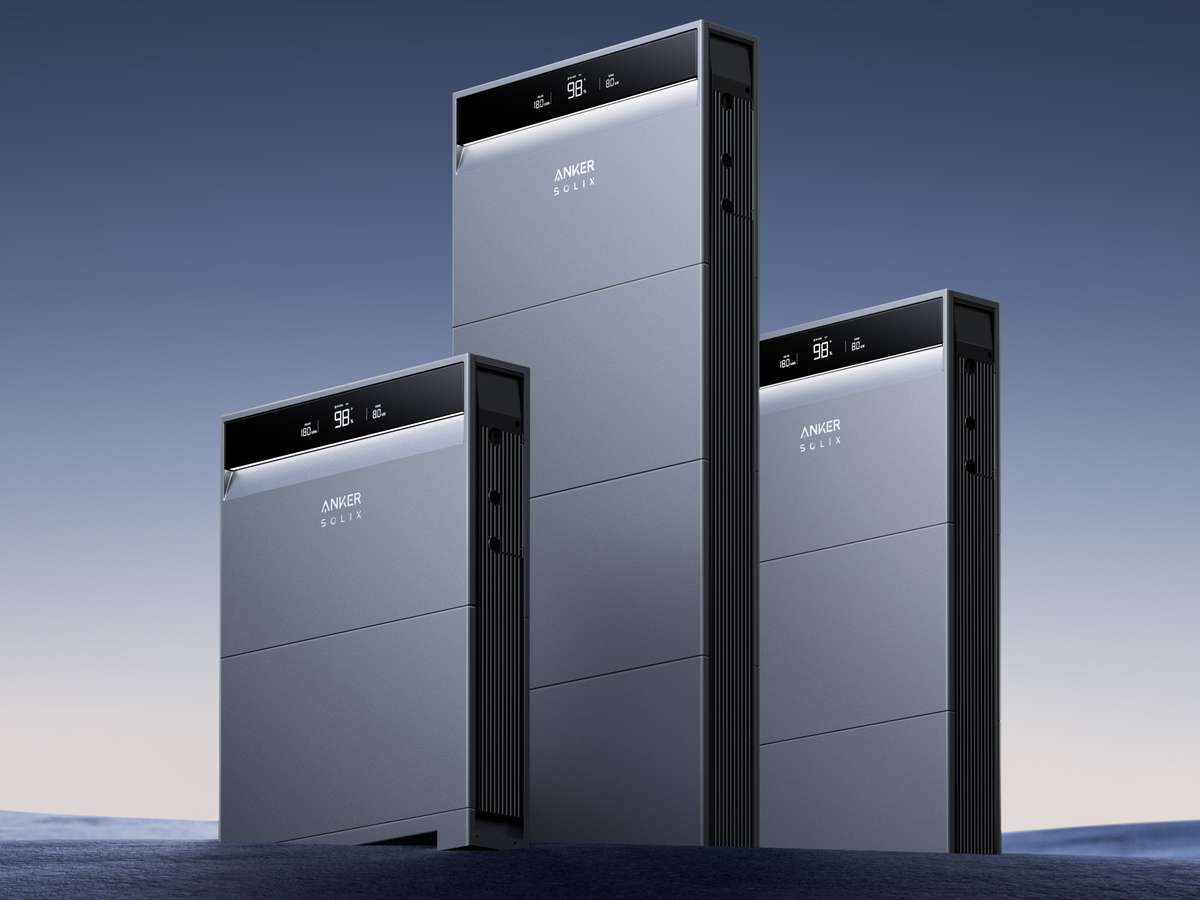
Anker Solix X1
The Anker Solix X1 is a newer modular solution that excels in extreme weather performance, utilizing an internal thermal management system that allows it to discharge at temperatures as low as -4°F (-20°C). Each battery module provides 5 kWh, and the system can scale up to 30 kWh per power module. Its technology allows for the mixing of old and new battery modules, meaning homeowners can easily expand their storage years later without the performance degradation typically caused by mismatched battery ages.
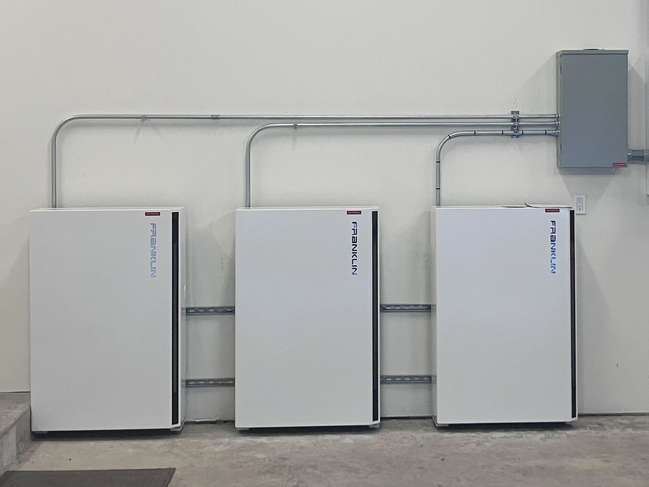
FranklinWH aPower 2
The FranklinWH aPower 2 is a high-performance choice for whole-home energy management, featuring a robust 15 kWh capacity and 10 kW continuous output. Its standout feature is the "aGate" energy management hub, which can simultaneously coordinate solar, batteries, the grid, and even a standby generator or EV charger. This intelligent gateway acts as the brain of the home, automatically shedding non-essential loads during an outage to preserve battery life. It supports massive expansion up to 15 units.
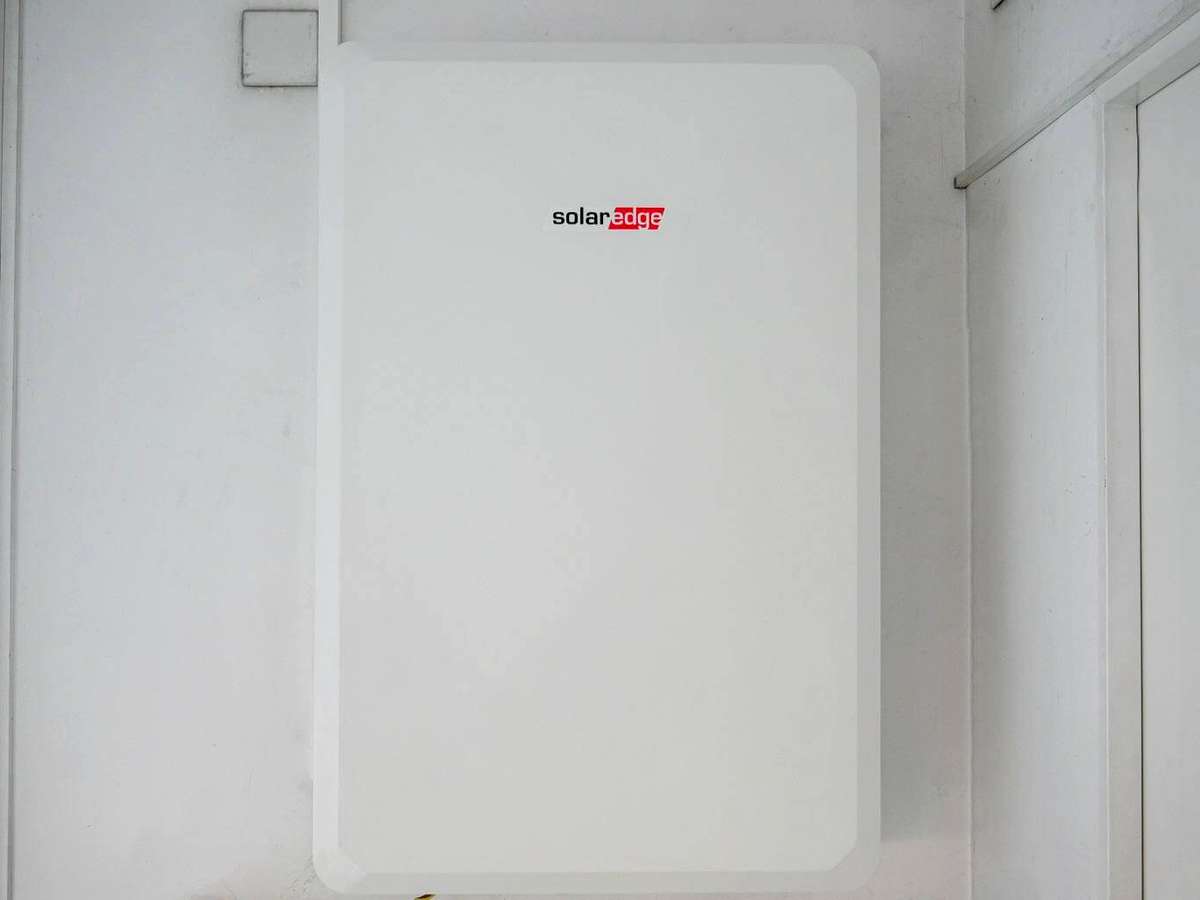
SolarEdge Home Battery
The SolarEdge Home Battery is a high-voltage, DC-coupled storage solution designed for maximum system efficiency. By connecting directly to the SolarEdge Home Hub inverter, it eliminates the energy losses typically associated with power conversions.
Each module provides 9.7 kWh of usable capacity, and the system is highly scalable up to 29.1 kWh. SolarEdge systems utilize power optimizers on every solar panel, which enables the monitoring platform to provide granular, panel-level data to identify and display exactly which module in an array is affected by failure or underperformance.
SonnenBatterie 10
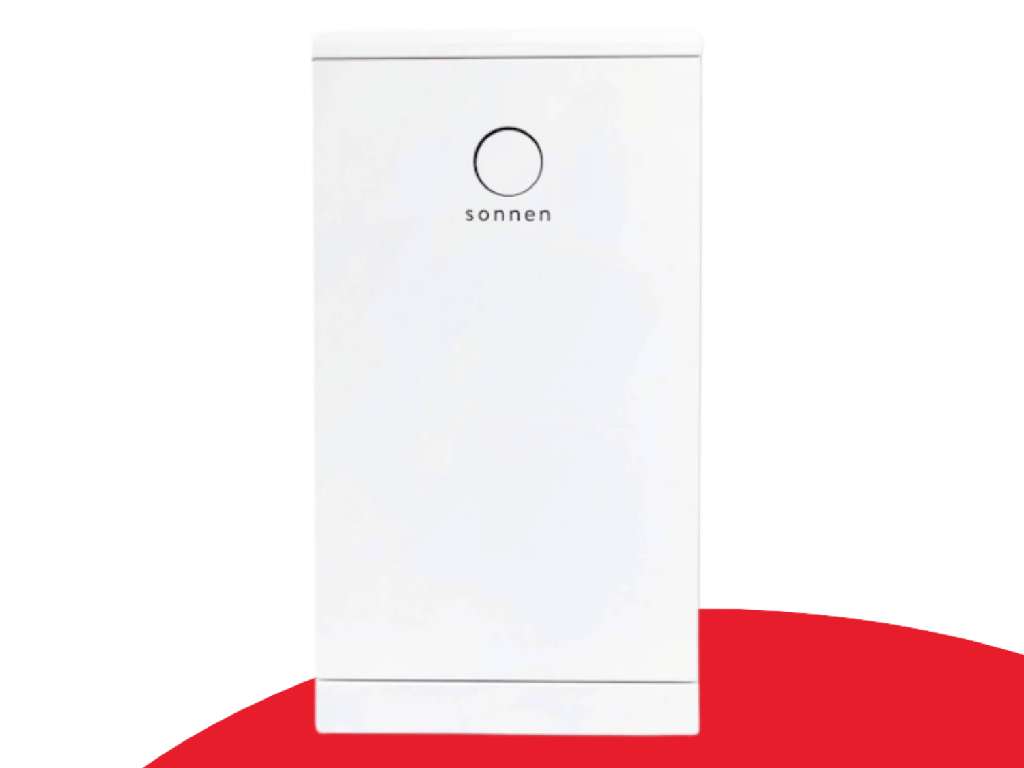
The SonnenBatterie 10 is widely considered the "gold standard" for long-term reliability and grid-interactive features. While most residential batteries are rated for 6,000 cycles, Sonnen utilizes high-grade LFP cells rated for 10,000 cycles—equivalent to over 25 years of daily use.
It features an integrated inverter and sophisticated energy management software that allows homeowners to participate in "Virtual Power Plants," sharing energy with the grid for financial credits. It is a premium choice for those viewing storage as a 20+ year infrastructure investment.
Sigenergy SigenStor
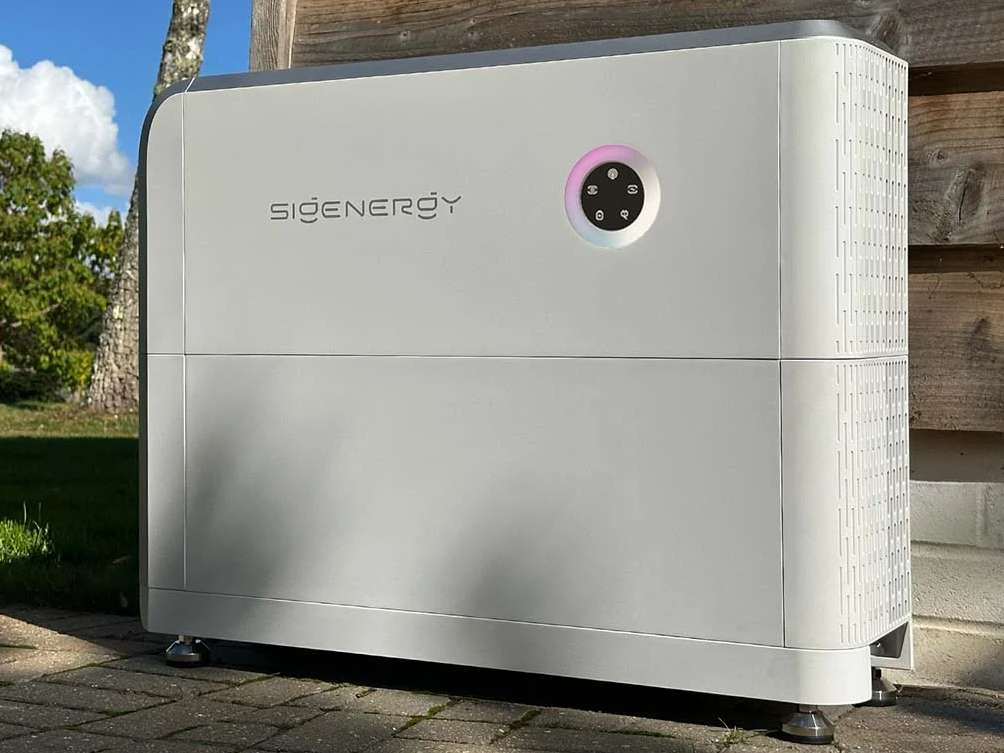
The SigenStor is a 5-in-1 functional integration system that combines the solar inverter, battery storage, and an EV DC charger into a single stackable tower. It is known for having one of the fastest backup switchover times in the industry (0 milliseconds), making it ideal for homes with sensitive electronics where even a brief power flicker would cause equipment to reboot. Its AI-driven software is specifically designed to optimize energy use based on real-time electricity rates and localized weather forecasts.
Growatt APX HV
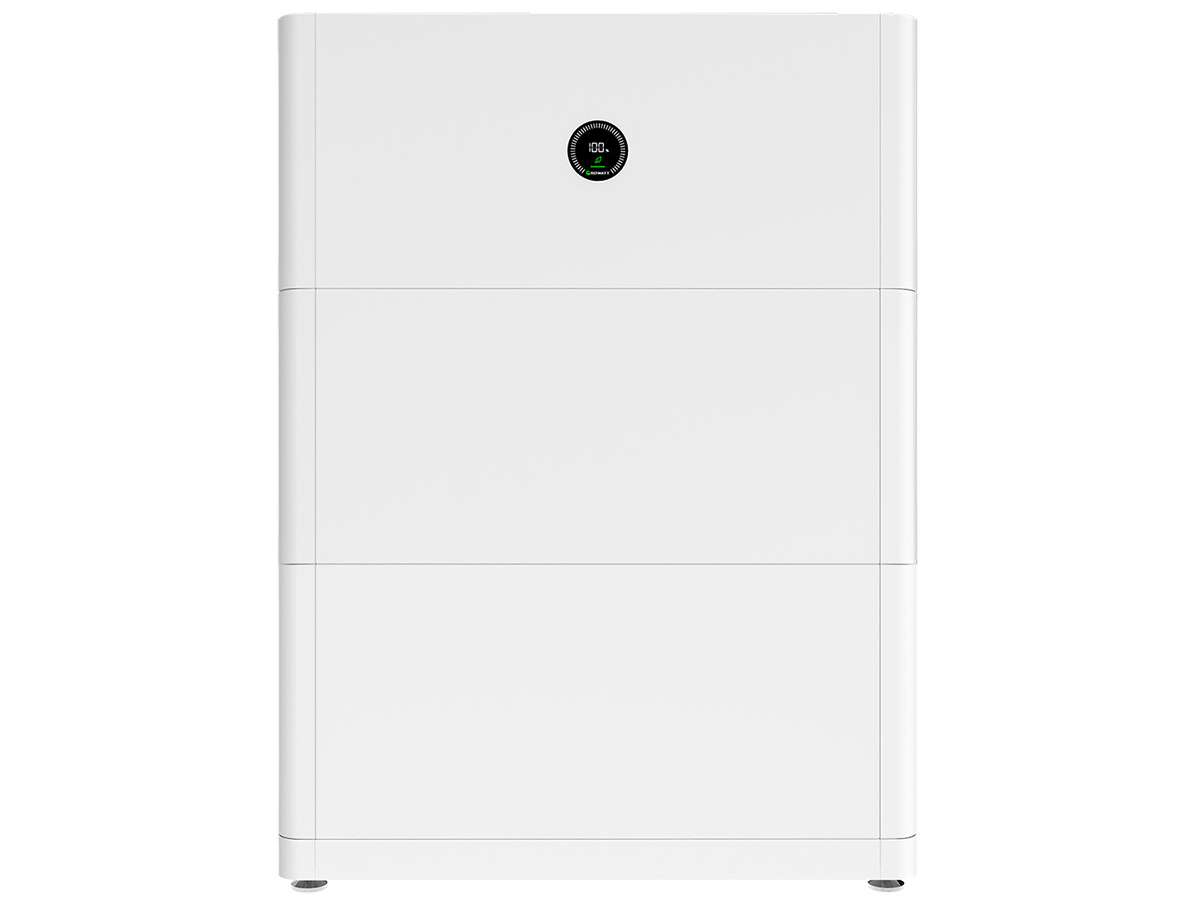
The Growatt APX HV is a modular, high-voltage system that offers a lower entry price point while maintaining high safety standards. It uses unique "soft-switching" technology that allows homeowners to mix old and new battery modules at any time without performance loss.
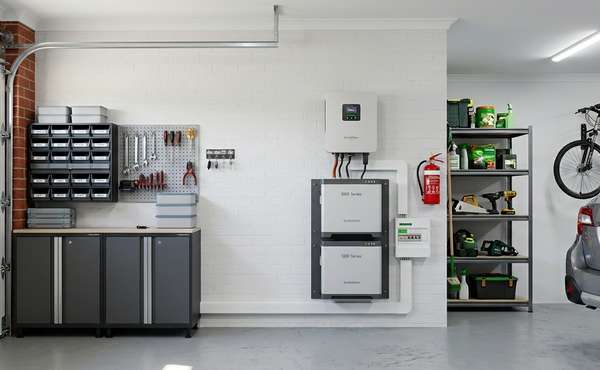
This is a major advantage for builders who want to start small and expand their storage capacity years later. Each module provides 5 kWh of capacity, and the stackable design simplifies the footprint in garages or utility rooms.
How to size a home battery for your needs
Determining what size of battery you need depends on your specific goals. For essential loads only (fridge, lights, Wi-Fi), a 5 to 10 kWh (5 to 10 kilowatt-hour) system is typically sufficient. However, for whole-home backup that includes a 3-ton central air conditioner or an electric stove, most pros recommend 20 to 30 kWh (20 to 30 kilowatt-hours) of storage.
Worth noting, is that before you size - and certainly purchase a home battery - take steps to reduce your consumption to save yourself a lot of money on two fronts - use less energy, but may be able to buy a smaller battery. And I would say that applies particularly to those who heat and cool homes with solar panels and heat pumps the most. Here are a few pages on how to reduce energy easily:
- Use Energy Star certified appliances
- Seal air leaks around windows
- Upgrade to energy efficient smart home systems
- Switch all bulbs from incandescent to LED
- Switch to low flow shower heads
To calculate your specific requirement, look at your utility bill for average daily kWh usage. A typical North American home uses approximately 30 kWh (30 kilowatt-hours) per day. If you want 24 hours of total autonomy without solar input, you would need a system matching that daily total.
For industry professionals, using a load-summation tool to identify the peak amperage of startup loads (like well pump motors) is critical to ensure the battery's surge rating is not exceeded.
Net metering, tou, and peak rates
The financial viability of a battery is heavily influenced by your utility rate structure. In jurisdictions with classic net metering, where you get a 1:1 credit for exported solar power, a battery is primarily a resiliency tool. However, many utilities are moving toward net billing, where exported power is worth significantly less than imported power.
If you have Time-of-Use (TOU) or peak rates, a battery becomes a profit center. By charging during off-peak hours (often overnight) and discharging during peak hours (typically 4 PM to 9 PM), you can avoid the most expensive electricity.
In some regions, like Ontario, California or Massachusetts the spread between ultra-low overnight rates and on-peak rates can be as high as 35 cents per kWh, allowing a battery to generate $1,100 to $2,400 (CAD) in annual savings through simple arbitrage.
Incentive programs and rebates
In 2026, incentive programs continue to lower the barrier for energy storage. In the US, while the federal personal tax credit has shifted toward leasing models, state-level programs like California's SGIP still offer up to $1,000 (USD) per kWh for qualifying batteries.
In Canada, the HRSP program in Ontario provides up to $5,000 for storage, while the federal Clean Technology Investment Tax Credit (ITC) offers a 30% credit for systems installed by commercial entities or via specific leasing programs.
In Australia, the Cheaper Home Batteries Program provides upfront discounts via Small-scale Technology Certificates (STCs). Always check for Virtual Power Plant (VPP) opportunities; enrolling your battery to support the grid during peak demand in states like Massachusetts or Connecticut can earn you annual performance payments ranging from $1,650 to $1,950 (USD) depending on the utility.
Read here to learn what current 2026 US green building grants and incentives apply to you
In brief
In 2026, LFP chemistry is the non-negotiable standard for home safety and longevity. Homeowners should focus on system integration and ease of use, while professionals must prioritize UL 9540 compliance and inverter compatibility. High-performance systems like the Tesla Powerwall 3 and EcoFlow Delta Pro Ultra lead the market by offering robust power output and 10 to 15-year warranties.







Comments (0)
Sign Up to Comment