







Best plug and play home battery backup: A guide for homeowners and pros
Impressive advances in smart home technologies are making it easier to build a more resilient home that is less reliant on grid power. While home energy storage has long been out of reach for many due to high costs and technical complexity, 'plug and play' batteries have finally entered the market as a accessible alternative.
To be clear, we are not talking about whole-home systems that cost tens of thousands of dollars to keep every light in the house on. Instead, these units offer an entry-level option for those who want basic functionality and security. They ensure you can keep food from spoiling, charge your devices, and even keep heating systems operational during a crisis.
Reducing our reliance on the grid offers essential security at a time when weather events and service interruptions are becoming more frequent and severe. This shift is part of a growing resilient home building trend trend known as 'future-proofing.'
For decades, energy storage was a complex undertaking involving permanent wall mounting, specialized electrical permits, and high upfront costs. The rise of plug and play batteries in 2026 has fundamentally changed the landscape for resilient home design. These systems allow homeowners and professionals to deploy emergency backup power instantly, offering a modular alternative without the need for invasive wiring or utility interconnection agreements.
Every system featured here is purchased in a box and designed for homeowner installation in under 30 minutes. Whether you are a contractor looking for a portable power solution or a homeowner securing critical loads like refrigeration and medical equipment, understanding the shift toward distributed mesh architecture is essential for modern energy independence.
- Understanding plug and play storage
- Distributed mesh vs. centralized hubs
- Top brands review: Pila, BioLite, and EcoFlow
- Cost and installation analysis
- Technical specifications for pros and homeowners
- Integration with solar PV
- In brief
Understanding plug and play storage
The term plug and play refers to battery systems that can be commissioned by simply plugging them into a standard 120V wall outlet. Unlike a Tesla Powerwall or Enphase IQ Battery, which require a dedicated sub-panel and professional trade labor, these units act as a smart intermediary between the grid and your appliances. For the building professional, this represents a zero-labor installation model. For the homeowner, it provides a portable asset that can be moved during a relocation or renovation.
These systems utilize the very safe Lithium Iron Phosphate (LFP) chemistry for home batteries, which is the current building science standard for safety and longevity. LFP batteries typically offer over 3,000 to 6,000 cycles before capacity drops to 80 percent, making them a decade-long investment for emergency preparedness of homes.
Distributed mesh vs. centralized hubs
The core architectural decision when selecting a system is choosing between a centralized hub and a distributed mesh. A centralized hub, such as the EcoFlow Delta series, acts as a single, high-capacity reservoir. It is powerful but requires extension cords to reach different rooms during a blackout.
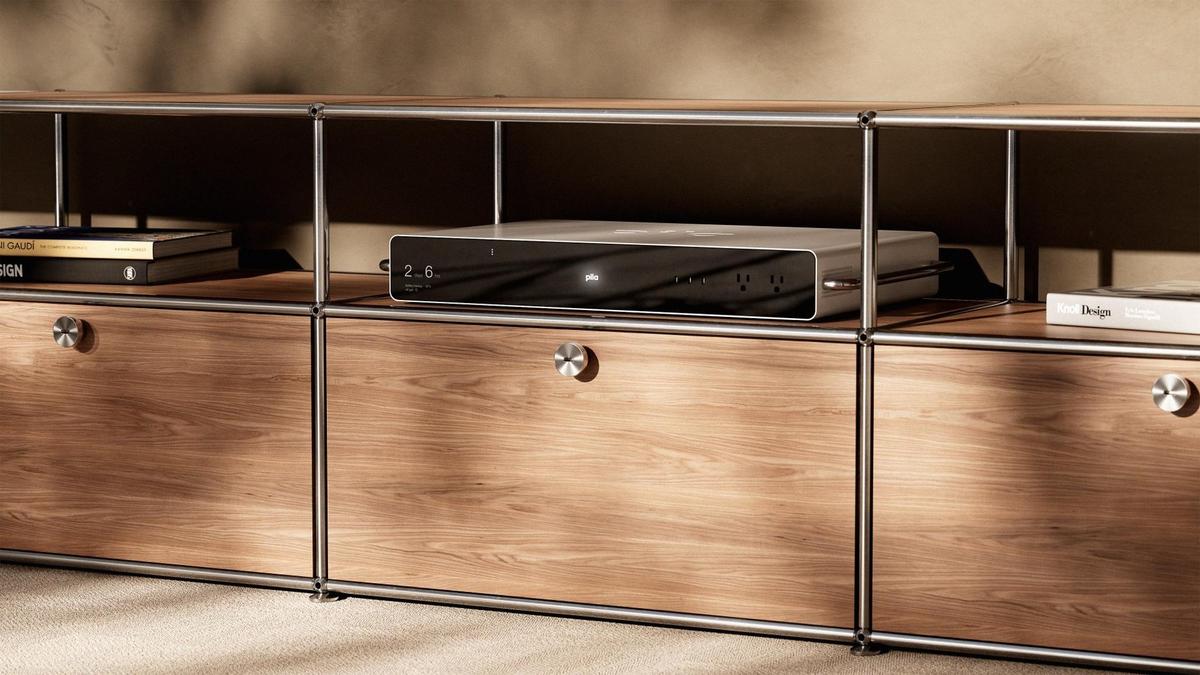
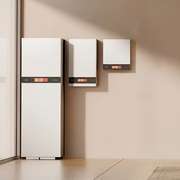
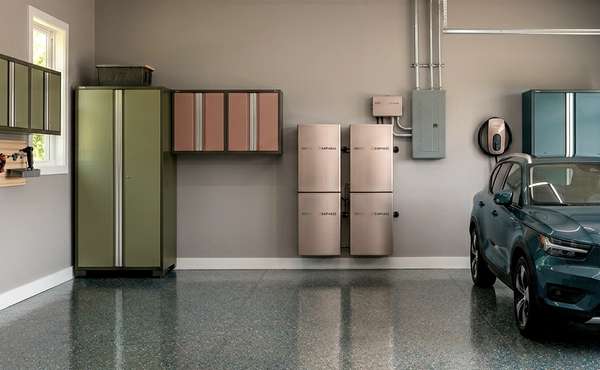
In contrast, a distributed mesh system like Pila involves placing smaller units at point-of-use locations - one behind the fridge, one in the home office, and one by the sump pump as backup power. These units communicate via a proprietary wireless protocol to manage peak shaving and load shedding as a unified ecosystem. This "silent architecture" approach is increasingly popular in high-performance homes where aesthetic integration is as important as kilowatt-hours (kWh).
Top plug and play home batteriesy in 2026: Pila, BioLite, EcoFlow and Bluetti
As of 2026, four manufacturers dominate the plug and play category, each serving a distinct market segment.
Pila energy: the smart mesh leader
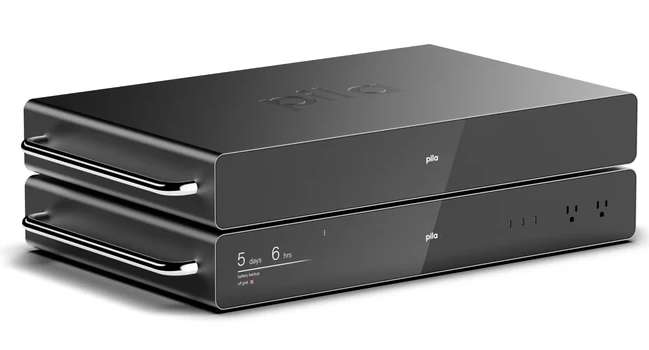
Pila is the first system to treat home batteries as a coordinated network rather than a standalone appliance. Most batteries are 'dumb' in the sense that they only know what is plugged into them; however, Pila units communicate with each other via a proprietary mesh network to manage your home's total energy load.
This mesh advantage means that if you have multiple units in the house and one is powering a heavy load, like a portable AC unit, while another is just running a laptop, the system can software-balance its discharge rates across the network to ensure maximum runtime across the entire home.
Designed with a precision aluminum enclosure and a 6.1 inch (15.5 cm) color touchscreen, it is meant to sit atop refrigerators or inside cabinetry. It includes built-in 4G LTE cellular connectivity and wireless food-safety sensors to monitor fridge temperatures even if your home Wi-Fi fails.
For the prosumer, Pila supports Home Assistant, Matter, and Thread via local APIs, ensuring you can integrate it into a wider smart-home ecosystem rather than being locked into a single app.
BioLite: the invisible wall mount
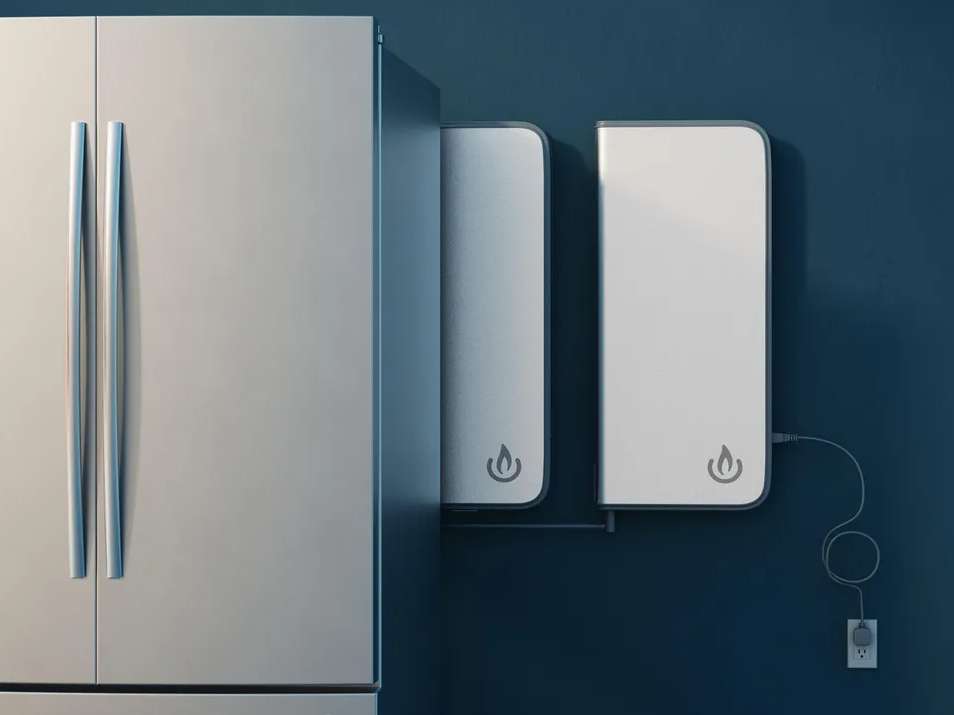
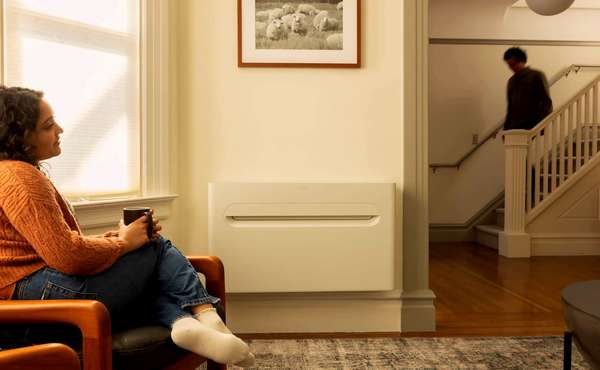
BioLite’s approach to home power backup is centered on maximum discretion and architectural integration. Their Backup series is specifically engineered for those who want to avoid the bulky look of traditional battery boxes. At only 2.8 inches (7.1 cm) deep, it is the only system on the market designed to truly disappear behind a refrigerator, inside a narrow cabinet, or under a bed.
The system features a 30-minute DIY installation process where the unit simply plugs into a standard 120V wall outlet, with your critical appliances then plugging into the included magnetic smart power strip. This creates a silent safety net that passes grid power through to your devices until an outage is detected, at which point it automatically kicks on.
The system is highly modular, beginning with a 1.5 kWh Core unit that can be scaled up to a massive 10.5 kWh by chaining Extend units together. This allows homeowners to achieve a capacity comparable to permanent installations like a Tesla Powerwall without the significant labor costs or permanent home modifications.
Despite its slim profile, the BioLite Backup features a 3,000W peak surge capability, which is essential for successfully starting appliances with heavy compressors, such as sump pumps or large refrigerators. As a well-established brand in Canada, BioLite provides reliable local support and avoids international shipping duties.
EcoFlow: the heavy-duty hybrid
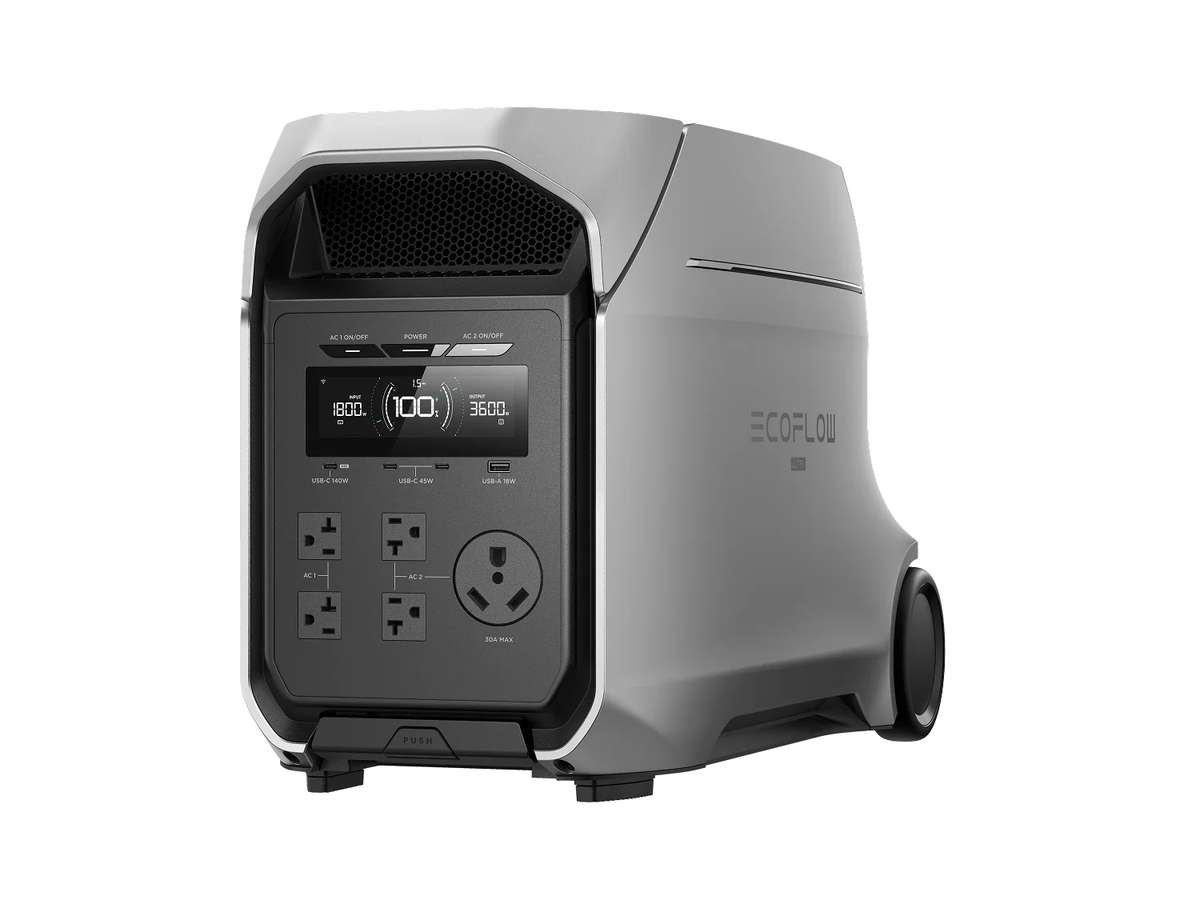
The Delta 3 Ultra Plus is the powerhouse of the group, designed for raw capability over stealth. While other systems focus on blending into the home, EcoFlow is engineered to run high-draw 120V appliances - such as microwaves, electric frying pans, or window AC units - that would typically trip the breakers on smaller battery units.
It offers a substantial 3,600W of continuous power and a 7,200W surge capacity, which can be further pushed to 4,600W using X-Boost technology. A standout 2026 feature is the Smart Output Priority mode, which allows users to triage their energy usage via an app. This ensures that a dedicated energy buffer is reserved for critical appliances like medical equipment or the refrigerator.
Recovery time is a primary advantage for this unit, as it can reach an 80 percent charge in just 48 minutes by combining wall power with solar or generator inputs. This rapid recharging makes it a reliable asset for building professionals on jobsites or homeowners dealing with frequent rolling blackouts.
The hardware is built for durability, featuring an EV-grade cell-to-chassis (CTC) structure that is resistant to drops, vibration, and extreme environmental conditions. Despite its 74 lb (33.7 kg) weight, the unit remains mobile thanks to integrated wheels and a luggage-style extendable handle.
Bluetti: the cold-weather specialist
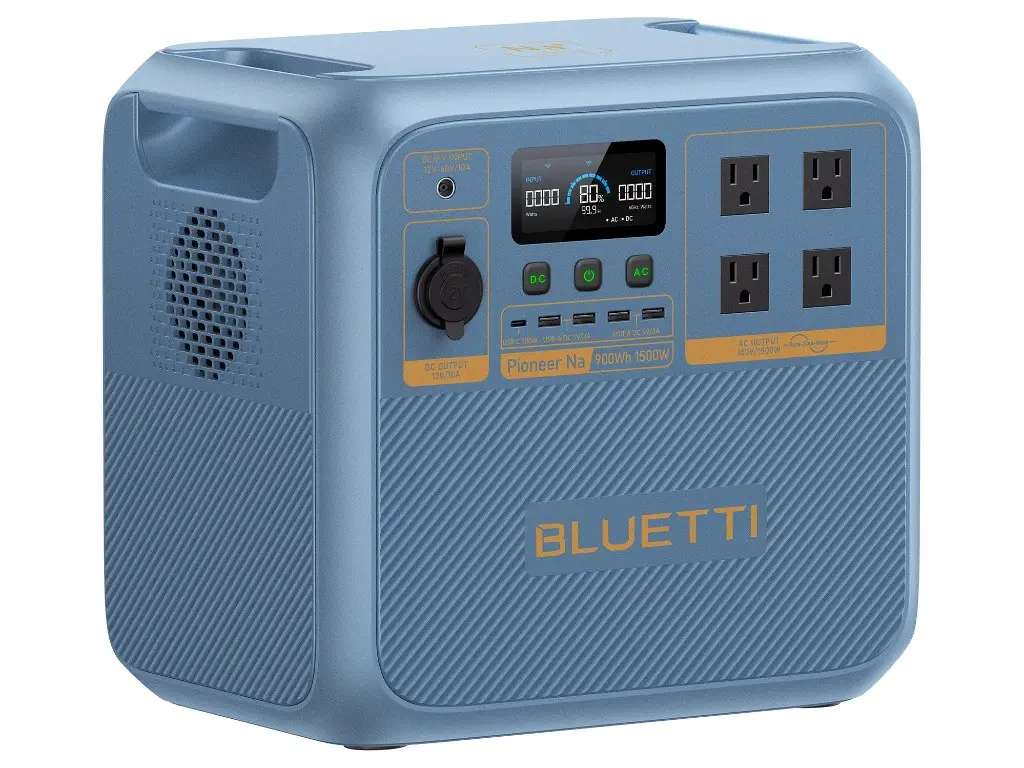
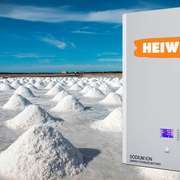
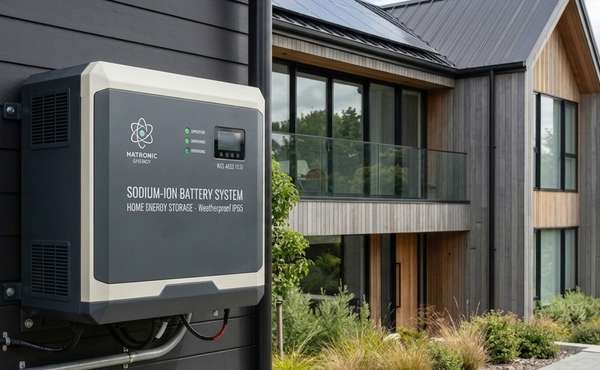
While most manufacturers are sticking with LFP for their plug-and-play systems, Bluetti has taken a different path by introducing the Pioneer Na - the first consumer-grade portable power station to run on sodium-ion (salt-based) technology.
The standout feature of this unit isn't just the chemistry; it is its resilience in extreme cold. While traditional LFP batteries essentially "lock up" and refuse to charge when temperatures hit freezing (0°C / 32°F), the Pioneer Na can safely charge at -15°C (5°F) and continue providing power down to -25°C (-13°F). For homeowners or pros with unheated garages, cabins, or job sites in northern climates, this makes it a "set it and forget it" solution that doesn't require the power-draining internal heaters found in some high-end lithium units.
It is a mid-sized workhorse with a 1,500W output and a 900Wh capacity, making it more than capable of keeping a full-sized refrigerator running or powering a high-draw tool on a job site. It also features a "Power Lifting" mode that can temporarily push the inverter up to 2,250W to start heavy resistive loads like heaters or kettles.
Because it uses sodium, the battery can be fully discharged to zero for safe, long-term storage or transport—something that would permanently damage a lithium battery. If your priority is a portable backup that survives the winter in an unconditioned space, this salt-based system is currently in a class of its own.
Cost and installation analysis
A major draw of this category is that no professional installation is required. Every brand listed arrives fully assembled. Setup involves plugging the battery into a standard wall outlet and following an app-based guided setup. There are zero labor costs associated with these units, though some accessories like wall brackets may require basic mounting skills.
Pricing reflects the technology and capacity of each brand. The Pila Mesh unit retails for approximately $1,825 CAD ($1,299 USD). The BioLite Backup system starts at roughly $2,815 CAD ($2,000 USD) for the 1.5 kWh Core unit.
The EcoFlow Delta 3 Ultra Plus is the most competitively priced for its capacity, often retailing for approximately $2,110 CAD ($1,499 USD) during 2026 seasonal promotions. Note that these are base prices; expanding capacity with additional battery modules will increase the total investment proportionally.
Technical specifications for pros and homeowners
When comparing these systems, professionals should look at continuous vs. peak output and round-trip efficiency. A standard refrigerator typically requires 150-200W of continuous power but can surge up to 1,200W when the compressor starts. Ensure the inverter rating of your chosen unit can handle these inductive loads without tripping the internal safety breakers.
| Feature | Pila Mesh | BioLite Backup | EcoFlow Delta 3 |
|---|---|---|---|
| Best for | Invisible whole-home smart backup | Behind-the-fridge and slim spaces | High-draw appliances and heavy use |
| Architecture | Distributed Mesh | Point-of-Use | Centralized Hub |
| Max Expansion | 3.2 kWh (per stack) | 10.5 kWh | 11.0 kWh |
| Weight | 28 lbs (12.7 kg) | 35 lbs (15.8 kg) | 74 lbs (33.5 kg) |
How to keep gas furnaces and pellet stoves working without power
The most distressing thing about a power outage is losing heat, and this is what we think is so important about home batteries - keeping your home warm during when the power is out. Surviving on sandwhiches by candle light may seem like an inconvenience (or to some it may be fun), but at least you don't need to vacate your home and go stay with your inlaws.
A lot of homeowners are surprised to learn that while their primary heating fuel may not be electricity, but it is still needed to operate. and so heating systems are effectively 'digitally locked' during a blackout. Without a small amount of electricity to power igniters, sensors, and fans, these systems stay cold. A plug and play battery is one of the most efficient ways to bridge this gap because these systems often have low continuous power draws, even if they require a brief surge to start.
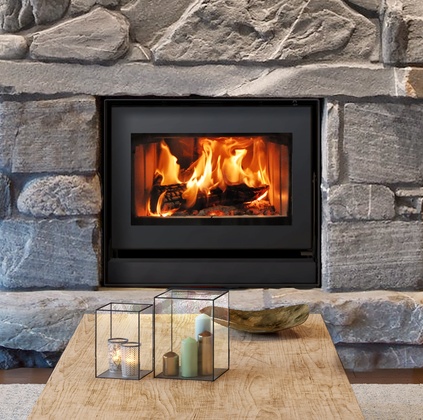
Keeping gas fireplaces running
Most modern gas fireplaces utilize an electronic ignition (IPI) system. Without grid power, the electronic spark cannot light the pilot, and the safety solenoid remains closed, preventing gas flow.
A small battery unit can easily provide the few watts required for the ignition and sensors to keep the fire alive indefinitely. However, there is a catch regarding the blower. While you will still receive radiant heat without it, running the fan to push heat into the room pulls between 60W and 150W. A 1.5 kWh battery, such as those from BioLite or Pila, can typically run that blower for 10 to 15 hours straight.
Battery backup for pellet stoves
Pellet stoves are more electricity-hungry than gas fireplaces because they rely on moving parts, specifically the motorized auger that feeds pellets and the combustion fan.
These units experience a significant startup surge, as the igniter is a heating element that draws 300W to 500W for the first several minutes. Once the fire is established, the stove only needs 60W to 100W to maintain operation. A standard 2 kWh backup unit can realistically keep a pellet stove running for 15 to 20 hours. If you cycle the heat rather than running it at maximum capacity, you can often stretch this to two full days of emergency heating.
The gas furnace pro hack
Even a full-sized gas furnace only requires electricity for the control board and the blower motor. While most furnaces are hardwired and cannot be simply plugged into a battery, many professionals now install a service switch that functions as a standard 120V outlet.
During an outage, you can flip this switch and plug the furnace directly into a high-capacity unit like an EcoFlow or a Pila stack to keep your central heating operational. Since a gas furnace blower typically pulls between 400W and 600W, a larger battery capacity of 3 kWh or more is usually recommended to ensure your home stays warm through a full winter night.
Integration with solar PV
A plug and play battery is only as good as its recharging capability during a prolonged outage. Most units support direct DC solar input. For example, the BioLite system can accept up to 1,200W of solar panels, which is enough to recharge the unit in under 2 hours of direct sunlight. For professionals, this means a solar-plus-storage system can be deployed without a grid-tie inverter, providing off-grid resilience in an urban environment.
To learn more about how solar energy storage integrates with building envelopes, see our guide on 'envelope first' home design to reduce energy demand.
Plug and play home batteries in brief:
Plug and play batteries have removed the barrier to entry for home energy resilience. By choosing between distributed mesh systems like Pila for lifestyle integration or centralized hubs like EcoFlow for raw power, homeowners and contractors can tailor their emergency backup to their specific budget and load requirements. These systems are safer, cheaper, and easier to install than traditional whole home batteries, making them the new standard for sustainable residential design.
Now that you know more about plug and play home batteries, find more info about home energy storage & green building techniques in the Ecohome Green Building Guide and these pages below:
-
Are lithium batteries in homes safe?
-
Power your home with your EV during power outages with V2H charging
-
Sodium-Ion vs. LFP: which home battery is best in 2026?
-
Lithium Iron Phospate (LFP) vs Lithium-Ion batteries: the latest advance in home batteries for power storage






Comments (0)
Sign Up to Comment