Heat pumps, geothermal and AC
Choosing the right system to heat and cool your home is key to being comfortable without overpaying on energy bills. If you're tired of old furnaces and air conditioners, heat pumps are a smart, modern alternative.
Unlike traditional systems that burn fuel, heat pumps work by simply moving heat. They pull warmth from the outside air or ground to heat your home in the winter and push heat out to cool it down in the summer. This clever process uses a lot less energy, which is great for your wallet and the environment.
Whether you live in the USA, Canada, the UK, or Australia, understanding the basics of different heat pumps is the first step. The guides on this page will give comprehensive information to navigate through how models like air source and geothermal heat pumps work, what makes them so efficient, and how to pick the best fit for your home and climate.
Related products



About
Heat pumps, geothermal and AC
Build Better, Renovate Better, Live Better - with EcoHome...
Choosing the right technology to heat and cool your home is a cornerstone of creating a comfortable, energy-efficient, and low-carbon living space. Modern heat pumps, including both air source and geothermal models, represent a significant leap forward from traditional furnaces and air conditioners by intelligently moving heat rather than creating it through combustion. Understanding how these systems work, their key efficiency ratings, and which type is best suited to your climate is essential for homeowners across the USA, Canada, the UK, and Australia who are looking to reduce their energy bills and environmental impact.
Air Source Heat Pumps: The Versatile All-in-One Solution
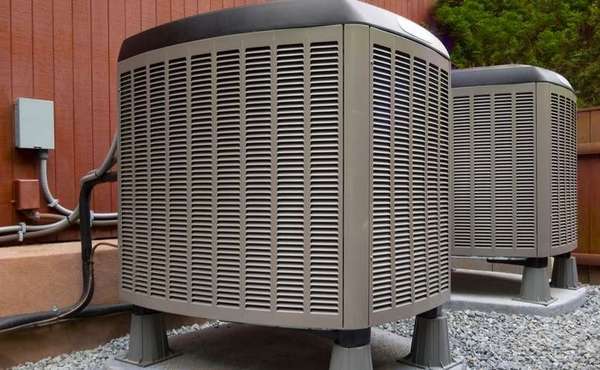
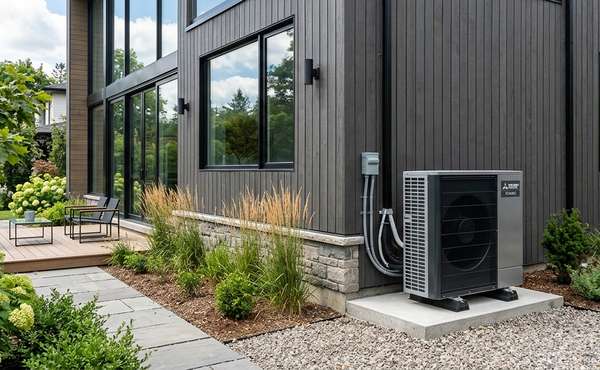
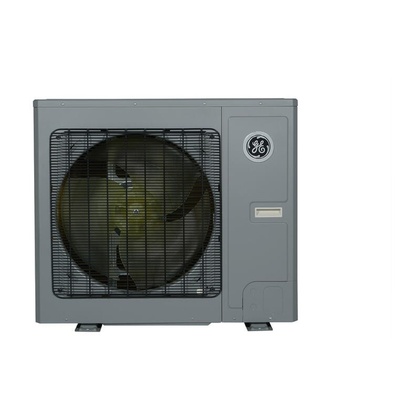
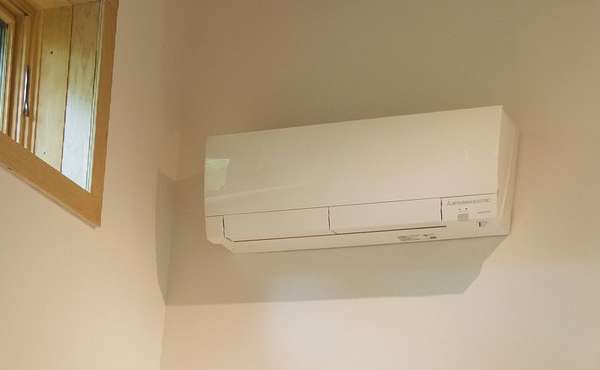
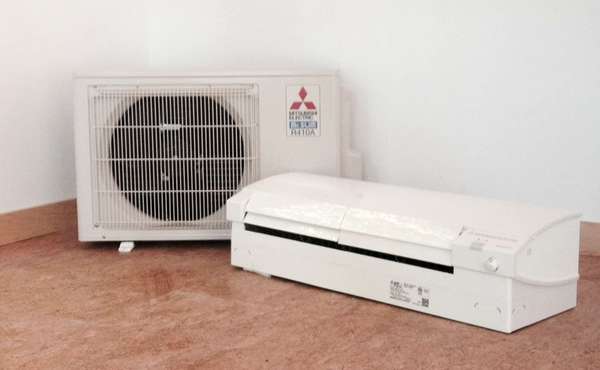
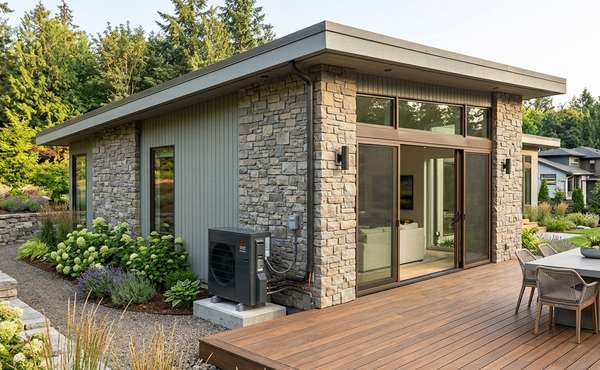
Air source heat pumps are the most common type of heat pump and function as a highly efficient, two-in-one heating and cooling system. In the winter, they extract heat from the outside air (even when it's cold) and transfer it inside; in the summer, they reverse the process, moving heat from inside your home to the outdoors, acting just like a standard air conditioner (AC). They are available as central ducted systems or as ductless mini-splits for homes without existing ductwork or for targeted room-by-room conditioning. Thanks to significant technological advancements, modern cold-climate heat pump models can now operate effectively at very low temperatures, making them a viable primary heating source in colder regions like Canada and the northern United States.
Geothermal Systems: Ultimate Efficiency from the Ground Up
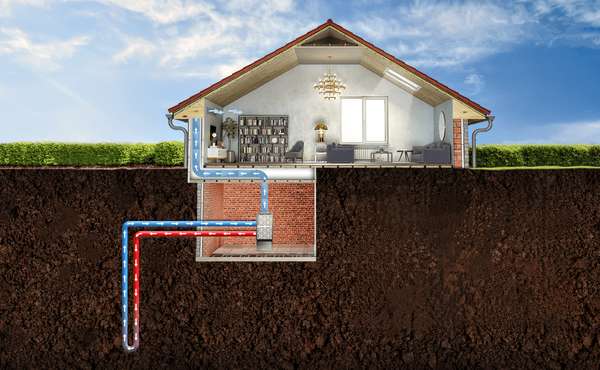
Geothermal (or ground source) heat pumps when compared to air source heat pumps, offer the highest level of heating and cooling efficiency by leveraging the stable temperature of the earth itself. A few feet below the surface, the ground remains at a relatively constant temperature year-round. Geothermal systems circulate a fluid through a buried network of pipes, called a ground loop, to exchange heat with the earth. Because the ground temperature is much more stable than air temperature, geothermal systems operate with exceptional efficiency and are not affected by extreme winter cold or summer heat. While their installation requires significant excavation for the ground loop and a higher upfront investment, they provide the lowest operating costs and have an extremely long system lifespan.
Choosing and Sizing Your System: AC, Efficiency Ratings, and Climate Considerations
Whether selecting a heat pump or a traditional air conditioner, it is crucial to understand efficiency ratings and ensure the unit is correctly sized for your home. Cooling efficiency is measured by SEER2 (Seasonal Energy Efficiency Ratio 2), while heating efficiency for air source heat pumps is measured by HSPF2 (Heating Seasonal Performance Factor 2). For geothermal systems, efficiency is rated by COP (Coefficient of Performance) and EER2 (Energy Efficiency Ratio 2). In all cases, a higher number signifies greater efficiency. It is critical to have a professional perform a proper load calculation (like a Manual J calculation) to determine the right size unit for your home. An oversized system will cycle on and off too frequently, reducing efficiency and failing to dehumidify properly, while an undersized system will struggle to keep your home comfortable. We also have Canada's and the USA's most comprehensive high performance and sustainable prefabricated and modular homes directory available here, searchable by Province or State, as well as the largest online directory of green construction contractors and the best and most experienced Architects that are skilled in designing sustainable homes to LEED and Passive House standards here on EcoHome.