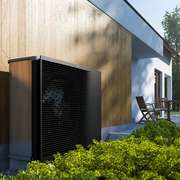
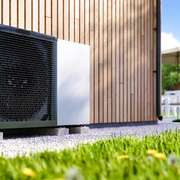
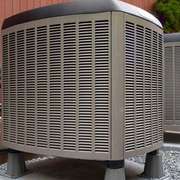
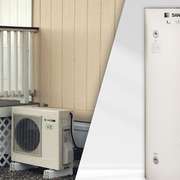



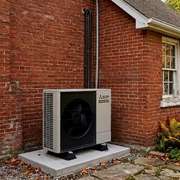

The Merino Mono: The first through-wall plug-and-play heat pump
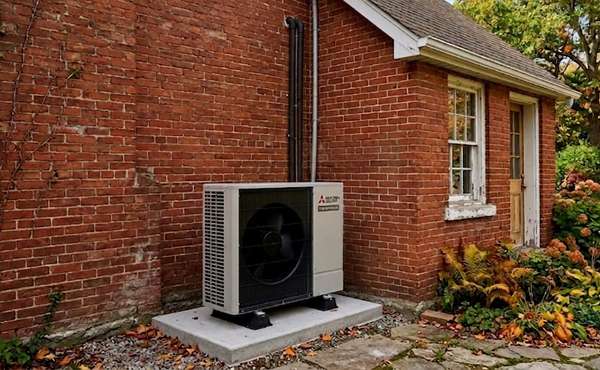
The Merino Mono installs quickly and easily with very little disruption to your home, and nothing to install on the exterior. This is such a game changer in the world of heat pumps that it is hard to overstate how this may impact the accessibility and affordability of heat pumps for energy efficiency upgrades or supplementary heat for ADUs, tiny houses, or garage apartments. This system represents a significant departure from traditional high-cost retrofits.
By eliminating the need for refrigerant handling, outdoor condensers, or complex electrical upgrades, this technology addresses the two biggest barriers to heat pump adoption: upfront cost and installation complexity.
This guide provides a comprehensive look at the key aspects of this topic. Below is an overview of the sections we will cover, allowing you to jump directly to the information you need.
- Why move to a heat pump now?
- Where exactly does a Merino Mono go in a home?
- Will it depressurize my house and pull radon up from my basement?
- Are these "all-in-one" units noisy to live with?
- Do I need a special outlet, or can it be hardwired?
- Can it really act as a backup if my furnace fails?
Why move to a heat pump now?
Transitioning away from gas has moved from a niche ecological goal to a mainstream financial strategy. With the price of natural gas fluctuating and the efficiency of air-source heat pumps climbing, the Merino Mono enters the market at a critical time.
Upgrading old heating systems to a high efficiency heat pump can range from about 6,000 USD to well over 20,000 dollars once labor and electrical panel upgrades are factored in. Merino Energy’s flat-rate pricing of 3,800 dollars (approx. 5,200 CAD), which includes hardware and professional installation, effectively halves the entry price for high-efficiency heating and cooling.
Where does a Merino Mono go in a home?
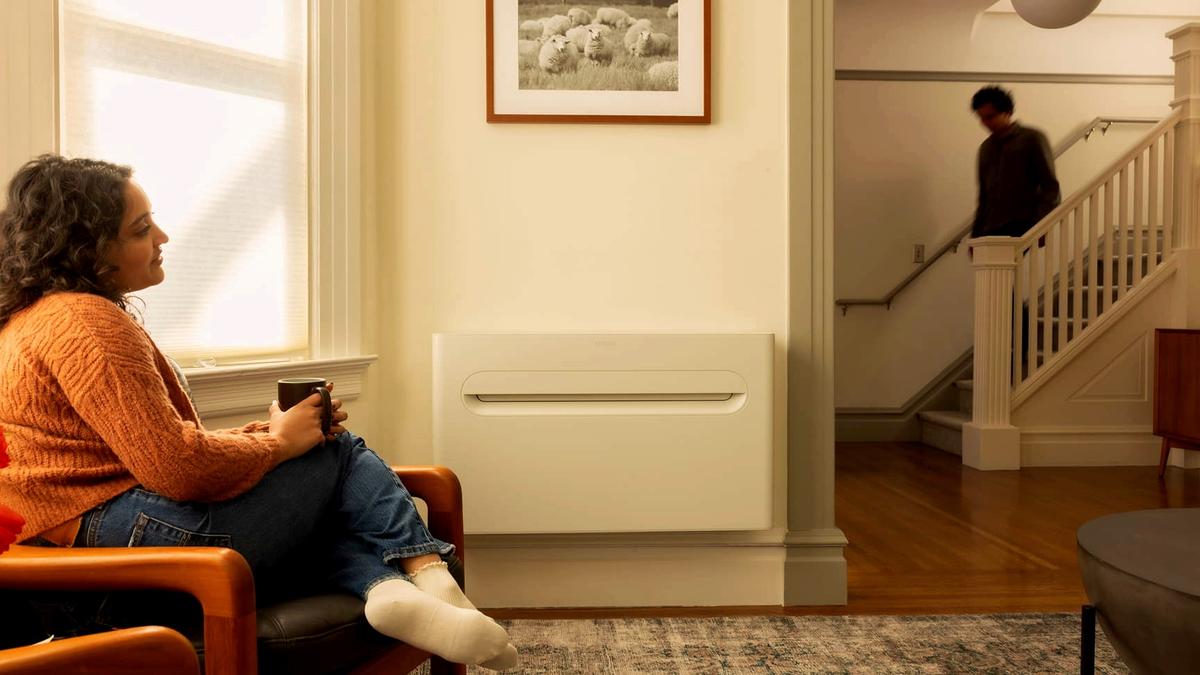
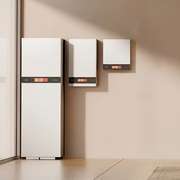
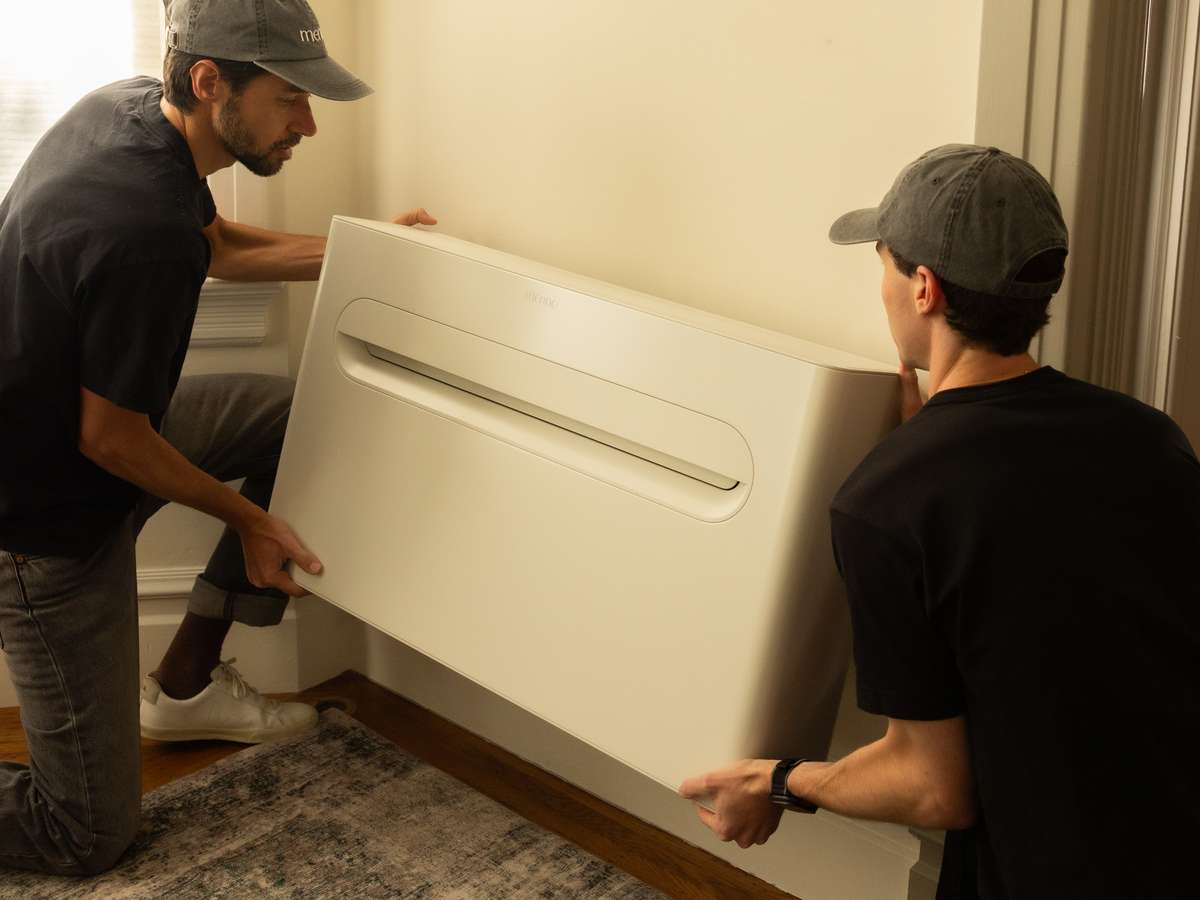
The Merino Mono is a monobloc-style system, meaning the compressor and all refrigeration components are contained within a single indoor chassis. Unlike window units that block natural light or wall mounted mini-split heat pumps that require a lineset through the wall to an outdoor fan, this unit is designed for indoor mounting on an exterior-facing wall.
It is remarkably compact, measuring 36.8 inches (93.5 cm) wide, 21.4 inches (54.4 cm) high, and only 7.8 inches (19.8 cm) deep. This slim profile makes it ideal for heating and cooling bedrooms, home offices, or additions where space is at a premium and an outdoor condenser is either impossible due to local restrictions or simply undesirable.
Will it depressurize my house and pull radon up from my basement?
For homeowners with high radon levels, depressurization is a major health concern. Standard window AC units or single-hose portables cool by expelling indoor air, which creates a vacuum that draws air potentially contaminated with radon gas from basements or foundation cracks.
The Merino Mono solves this with a balanced, dual-duct airflow system. It pulls outdoor air in to cool the condenser and exhausts that same air back outside. Because it uses a closed-loop exchange, it will not depressurize your home. This pressure neutrality keeps your indoor air quality safe and ensures that radon stays out of your living space. Read here about the importance of balancing air pressure in homes for health and efficiency.
Are 'all-in-one' heat pumps noisy?
Because the compressor is inside the room, noise is a fair question. However, Merino utilizes modern inverter technology, which allows the motor to ramp up and down smoothly rather than thumping on and off. The unit operates between 45 and 52 dBA.
To put that in perspective, 45 dBA is comparable to a quiet library or a high-end dishwasher, while 52 dBA is roughly the sound of a quiet conversation. It is significantly quieter than a traditional window unit, which often roars at 60 dBA or higher.
Do I need a special outlet, or can it be hardwired?
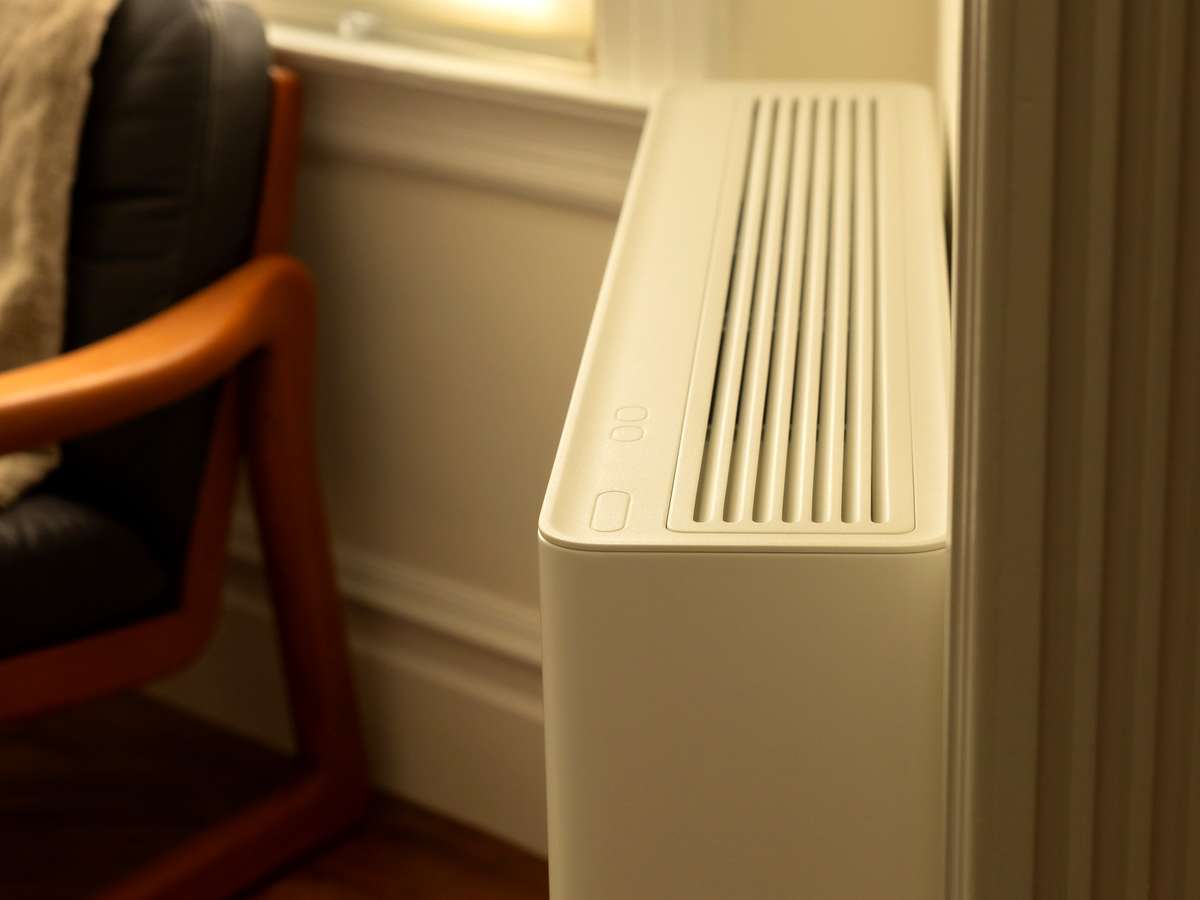
While the unit is marketed as a 120V plug-and-play device, homeowners looking for a cleaner, more permanent look can choose to have it hardwired. By working with a professional, the power connection can be moved directly behind the machine's chassis, eliminating hanging cords and keeping your outlets free. This is especially useful for high-performance builds where aesthetic silent architecture is a priority and prevents the clutter of visible wiring across the wall.
Can a Merino Mono act as backup heating if my furnace fails?
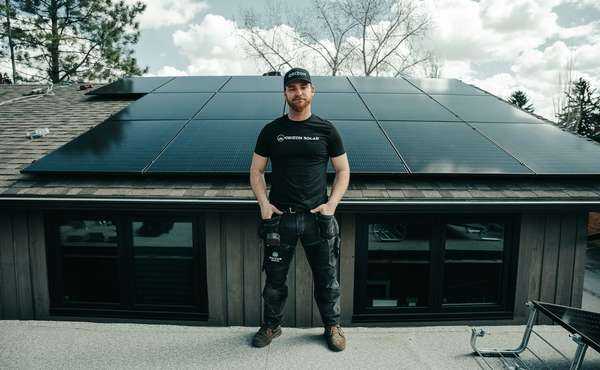
Absolutely. One of the strongest cases for a Merino Mono is home resiliency. If your main furnace fails during a winter storm, this unit serves as a vital backup heat source. Even better is if your home has integrated solar and home batteries to power heat pumps, so you can stay warm and barely be inconvenienced by an outage.
Because it runs on a standard 120V circuit, it can even be powered by a portable power station or a residential battery power storage during a grid outage. Having this redundancy provides a massive safety net, preventing frozen pipes and keeping your home habitable during mechanical emergencies.
Mini soapbox rant - Weather events from Climate change are becoming more frequent and more severe. Learn more here about resilient design features for homes as well as how to design homes to withstand a changing climate.
In brief
The Merino Mono is a disruptive technology that lowers the financial and technical walls to home electrification. With a $3,800 ($5,200 CAD) price point, pressure-neutral dual-duct operation, and a quiet inverter-driven compressor, it provides a path for homeowners to save money, reduce carbon emissions, and increase home resiliency without the headache of a major construction project.
Now that you know more about the Merino Mono indoor heat pump, find more info about heat pump technology & green building techniques in the Ecohome Green Building Guide and these pages below:
-
Which heat pump performs best in cold climates?
-
Air to water heat pumps for low carbon home heating
-
Do heat pumps need a backup heat source in cold climates?
-
Solar panels, home batteries & heat pumps for off grid home heating


Comments (0)
Sign Up to Comment