


How to apply for New York heat pump grants: a step-by-step homeowner's & pro's guides
Navigating clean energy financial incentives can be a major barrier for property owners and trade professionals alike. It's sometimes enough that people give up on what can be a huge financial benefit and upgrade in comfort for their homes.
For those that can get frustrated weaving their way through goverment websites that seem intentionally designed to drive us nuts, we offer this step by step guide to applying for New York heat pump rebates. This roadmap is intended to break down exactly how to apply for grants, utility rebates, and tax credits.
- Understanding the New York home inprovement incentive landscape
- Step-by-step application process for New York heat pump funding
- Maximizing tax credits and stackable incentives
- Contractor compliance and documentation requirements
- In brief summary
Understanding the New York home improvement incentive options
New York State features some of the most aggressive building decarbonization goals in North America, resulting in a robust, multi-layered framework of incentives. These financial mechanisms are primarily structured across three distinct pillars: direct state-managed grants, electric utility-administered rebates, and federal or state tax credits. Understanding how these layers separate is essential before launching a project.
The NYS Clean Heat Program Explained
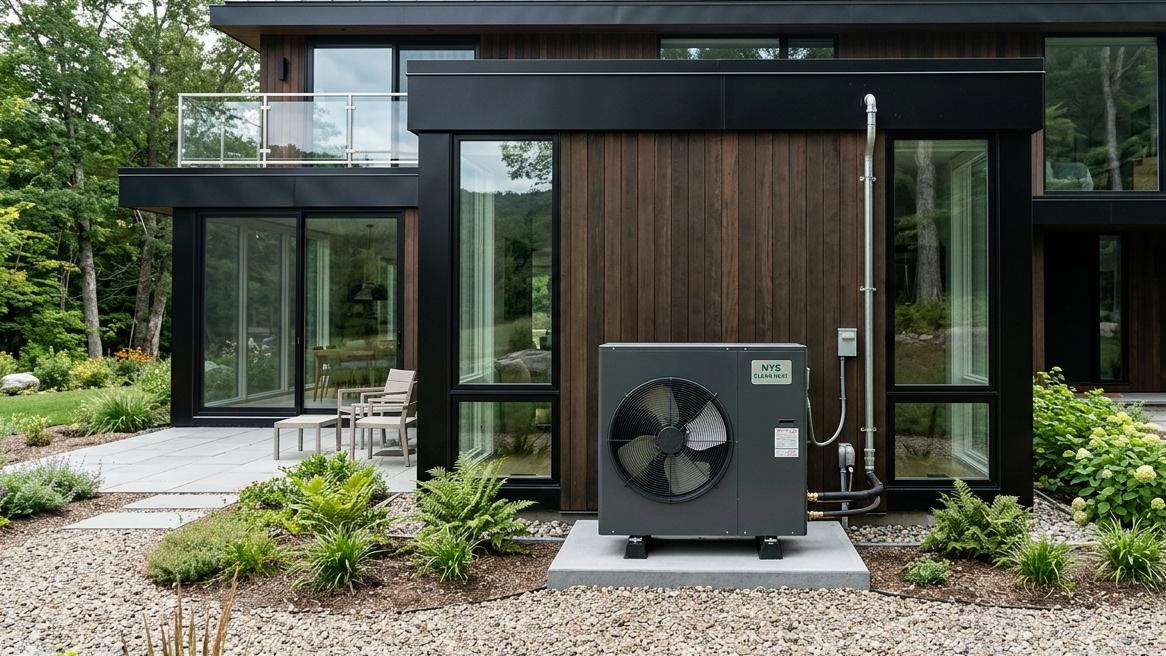
The operational core of New York's heat pump strategy is the NYS Clean Heat Program. This framework coordinates financial incentives across major electric utilities, including Con Edison, National Grid, New York State Electric & Gas (NYSEG), Rochester Gas and Electric (RG&E), Central Hudson, and Orange & Rockland.
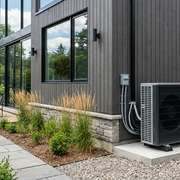
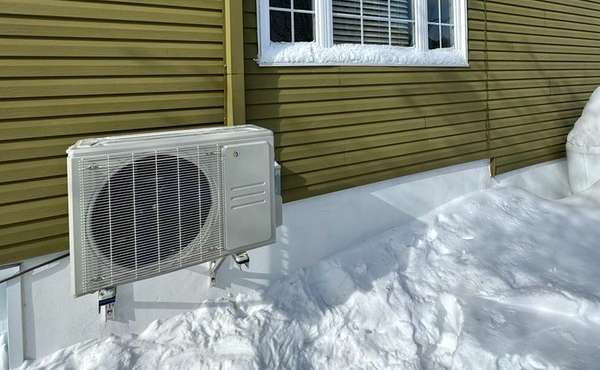
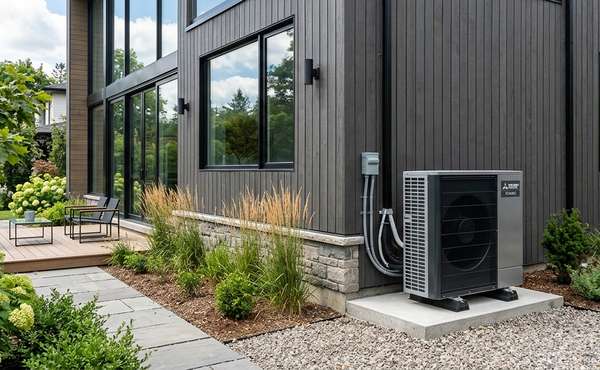
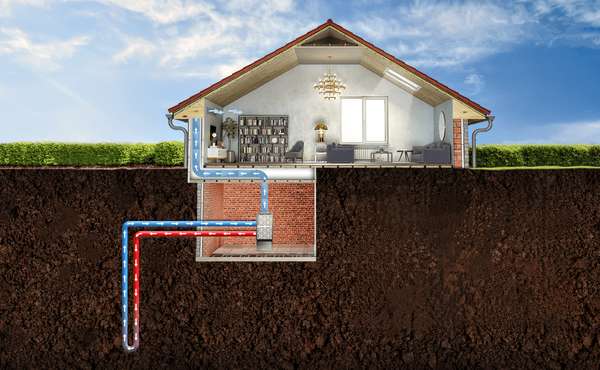
These utility-driven rebates lower the upfront capital investment required for cold-climate air-source heat pumps (ccASHP) and ground-source heat pumps (GSHP). The exact value depends on system capacity, configuration, and whether the fossil fuel system is entirely decommissioned, with full-load geothermal retrofits yielding up to $18,000 to $25,000 depending on the service territory.
EmPower+ for Income-Eligible Households
For low- to moderate-income (LMI) residents, the New York State Energy Research and Development Authority (NYSERDA) administers the EmPower+ program. This specific stream bridges the financial gap by providing no-cost home energy assessments and fully covering or heavily subsidizing the cost of heat pump installations, clean heat upgrades, and necessary thermal shell remediation like insulation and air sealing. Eligibility is tied strictly to household size and county-level Area Median Income (AMI) metrics.
Step-by-step application process for New York heat pump funding
Securing heat pump funding in New York is a strict, linear workflow. Misordering these phases or executing field installations before securing program approvals can result in the structural forfeiture of thousands of dollars in utility rebates.
Step 1: Verify property eligibility and utility service area
Review your current utility billing statements. You must ensure the target property resides within a participating electric utility service territory.
If you are targeting specialized low- to moderate-income (LMI) funding streams, check the official NYSERDA interactive map. This determines if the property sits within a designated Disadvantaged Community (DAC) tier, which unlocks elevated financial assistance thresholds.
Step 2: Schedule a comprehensive home energy assessment
Before introducing a cold-climate heat pump system, the building envelope must be evaluated. Homeowners should create a profile on the NYSERDA MyEnergy Portal and apply for a no-cost comprehensive energy assessment.
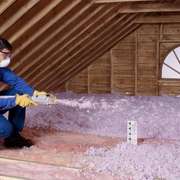
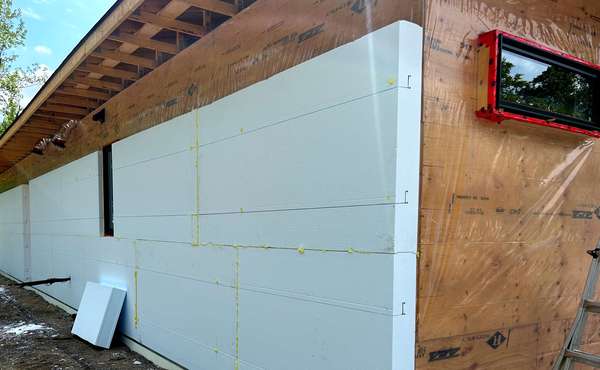
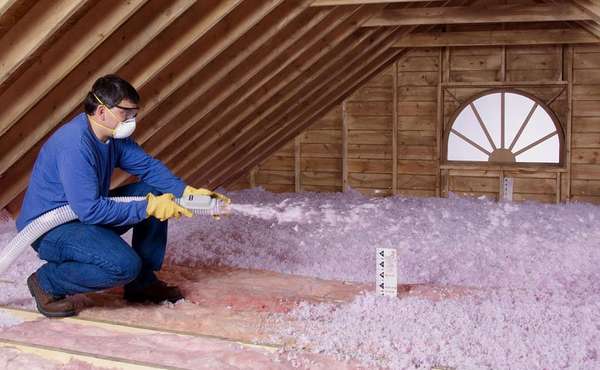
This critical step isolates insulation and air-sealing deficiencies. These must be addressed to ensure the new mechanical equipment functions optimally and meets utility performance baselines.
Step 3: Retain a certified NYS Clean Heat participating contractor
You cannot hire an unlisted trade professional and claim state or utility rebates. Property owners must select and contract with an authorized mechanical business found via the official NYS Clean Heat Participating Contractor directory.
These specialized installers possess exclusive credentials. They calculate heating loads, generate eligible equipment selection lists, and log into the utility portal to process your incentives.
Step 4: Engineer the load calculation and select equipment
The participating contractor must execute a formal Manual J load calculation. This maps the home's exact heat loss and heat gain profiles.
To qualify for premium rebate tiers, the equipment must possess a current Air-Conditioning, Heating, and Refrigeration Institute (AHRI) certificate confirming its cold-climate heat pump designation. The design should ideally aim for full-load displacement, meaning the heat pump satisfies 100% of the building's thermal demand without relying on legacy fossil fuel infrastructure.
Step 5: Submit the pre-approval application via the utility portal
The certified contractor compiles the formal project scope, cost estimates, equipment cutsheets, and heat load metrics. They will upload these details directly to the NYS Clean Heat Contractor Management Portal.
For large-scale multi-split or geothermal designs, the utility must issue a formal pre-approval ticket before any physical installation work begins at the site.
Step 6: Execute installation and final rebate processing
The contractor installs the heat pump system according to rigorous regional mechanical codes and utility field performance standards.
Once commissioned, the contractor submits the final signed customer invoice, manufacturer serial numbers, and decommissioning proof. The utility then delivers the rebate. This is either deducted immediately from the contractor's upfront project invoice to lower your out-of-pocket balance, or issued as a direct reimbursement check within five to seven weeks.
Maximizing tax credits and stackable incentives
Utility rebates represent only one layer of the total financial equation available to New York residents and building professionals. By strategically stacking local utility funds with state and federal tax mechanisms, total deployment costs can be reduced significantly.
The Federal Energy Efficient Home Improvement Credit (Section 25C under the Inflation Reduction Act) allows homeowners to claim a tax credit equal to 30% of the total installation costs for qualified air-source heat pumps, up to an annual limit of $2,000. For ground-source geothermal installations, the Section 25D Residential Clean Energy Credit provides an uncapped 30% tax credit against the entire installation expense.
New York State supplements these federal credits with its own dedicated tax incentives. For geothermal installations, the state offers a residential clean energy credit worth 25% of the total out-of-pocket cost, up to a maximum cap of $10,000. To illustrate how these mechanisms stack concurrently for a high-performance geothermal system, consider the financial trajectory outlined below:
| Project Financial Layer | Applied Value Calculation | Remaining Project Out-of-Pocket Balance |
|---|---|---|
| Gross Installation Cost | Baseline premium geothermal installation cost | $45,000 |
| NYS Clean Heat Utility Rebate | Full-load retrofit rebate applied upfront by contractor | $27,000 |
| NYS Geothermal State Tax Credit | 25% state tax credit claimed on annual returns | $17,000 |
| Federal Section 25D Credit | 30% federal tax credit calculated after utility deduction | $11,900 |
Crucial accounting note: Tax credits are applied to the net cost of the project after the upfront utility rebate has been subtracted from the gross invoice. Property owners must file IRS Form 5695 for federal claims and NYS Form IT-241 for state claims alongside their annual tax submissions to legally realize these credits.
Contractor compliance and documentation requirements
For heating, ventilation, and air conditioning (HVAC) professionals, maintaining impeccable documentation is the only way to avoid extended delays within the NYS Clean Heat Portal. Utilities enforce rigid auditing filters before releasing incentive pools.
When assembling the closeout file, contractors must submit an itemized statement of work separating equipment costs from labor and mechanical materials. Line items tracking regional sales taxes, internal project logistics, or administrative filing fees must be listed independently, as utilities exclude these items when calculating total project cost caps.
Furthermore, central air-source and hydronic heat pump designs seeking premium fossil fuel removal tiers must include verified decommissioning documentation, confirming that legacy oil tanks or gas burners have been completely removed or permanently disabled in accordance with local safety mandates.
In brief summary
Securing heat pump grants in New York State requires precise timing and strict administrative adherence. The process hinges on using a registered, participating contractor who initiates the application before installation begins. By combining local utility rebates through the NYS Clean Heat framework with federal tax credits and state clean energy incentives, both homeowners and professionals can drive down the total cost of building electrification while ensuring long-term mechanical efficiency.
Now that you know more about how to apply for heat pump grants in New York state, find more info about incentives, rebates & green building techniques in the Ecohome Green Building Guide and these pages below:
-
2026 heat pump buyers guide - the latest heat pump technologies
-
2026 US green building & renovation grants: a homeowner's & pro's guide
-
The Merino Mono - the first plug and play indoor heat pump
-
Do heat pumps need a backup heat source?


Comments (0)
Sign Up to Comment