


2026 US green building tax incentives & grants: a homeowner's & pro's guide
Government grants and tax incentives for energy efficiency home renovations and upgrades can change quickly. Here are the US green building grants are available in 2026.
These programs are designed to offset the upfront costs of energy-efficient technologies, making sustainable building practices more accessible for homeowners and more profitable for building professionals and contractors. By reducing the overall energy demand of the residential sector, these initiatives help stabilize the electrical grid, improve national energy security, and lower the carbon footprint of the built environment.
For the homeowner, these incentives provide a faster return on investment for upgrades like heat pumps, high-performance windows, and adding insulation to existing homes. For pros, they act as a powerful sales tool to move clients toward better-performing building envelopes and mechanical systems. Understanding the technical requirements and filing deadlines is essential to ensuring that these federal funds remain a viable part of a project's budget.
- Energy efficient home improvement credit (25C)
- Residential clean energy credit (25D)
- Are green building grants available in all states?
- Home energy performance-based, whole-house rebates (HOMES)
- High-efficiency electric home rebate act (HEEHRA)
- New energy efficient home credit (45L)
- Weatherization assistance program (WAP)
- Low income home energy assistance program (LIHEAP)
- USDA rural energy for America program (REAP)
- HUD Green and resilient retrofit program (GRRP)
- Section 504 home repair program
- Energy efficient mortgages (EEM)
- Alternative fuel vehicle refueling property credit (30C)
Energy efficient home improvement credit (25C)
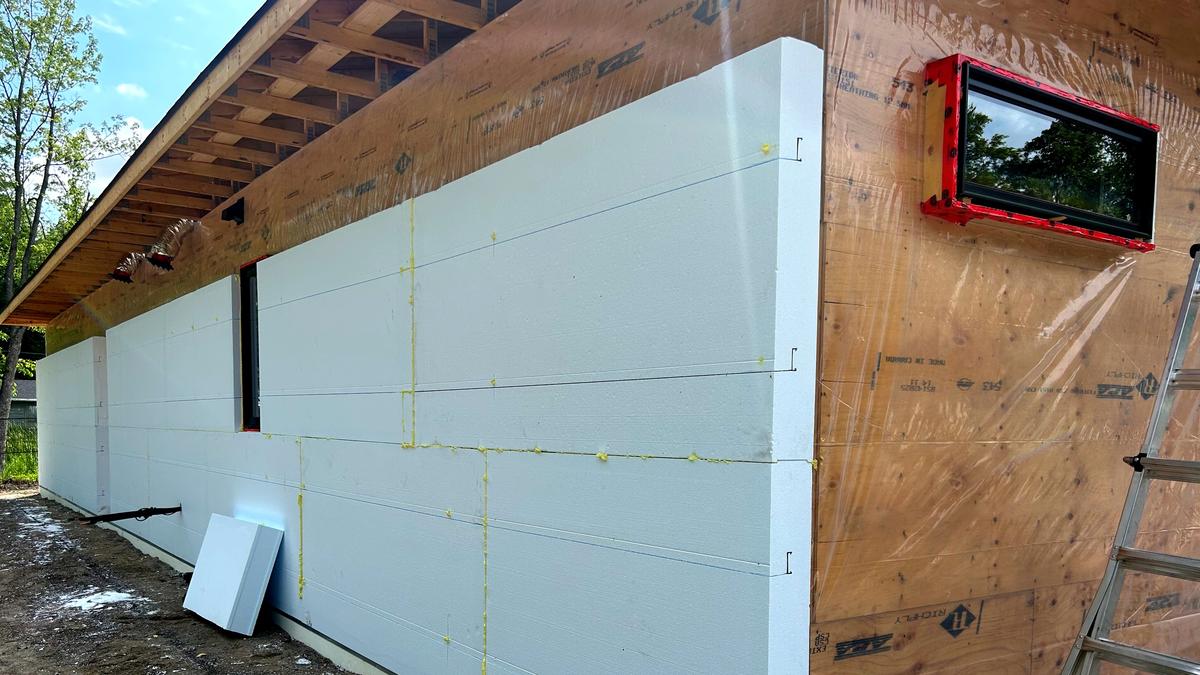
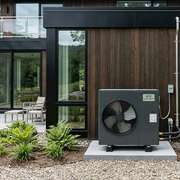
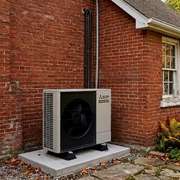
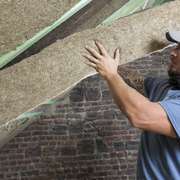
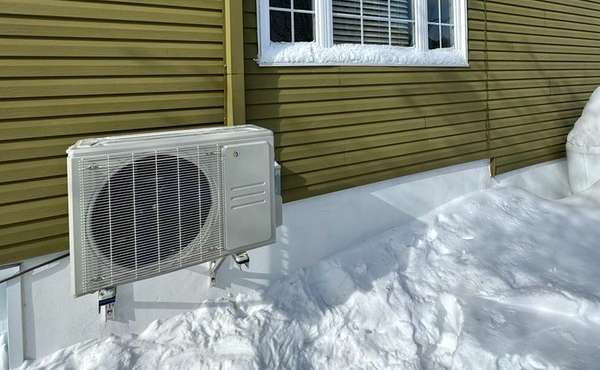
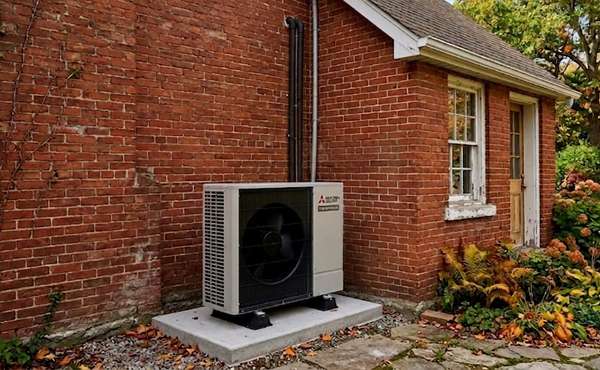
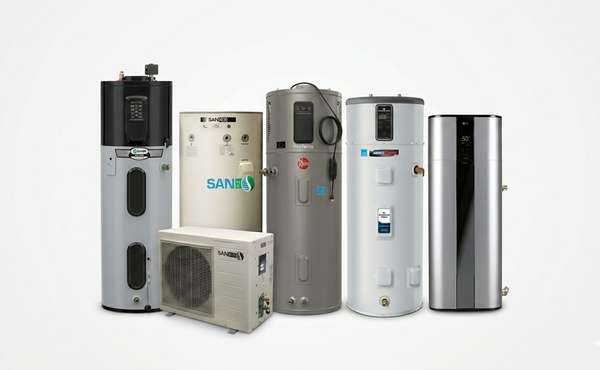
The 25C tax credit is one of the most widely used incentives for residential retrofits, providing a 30% credit for qualified energy-efficiency improvements. This includes upgrades to the building envelope, such as air sealing and the installation of insulation with a thickness of 3.5 inches (8.9 cm) or more depending on the assembly. There are specific annual caps, typically 1,200 USD for general weatherization and up to 2,000 USD specifically for heat pumps and heat pump water heaters.
Learn more about the 25C Tax Credit
Residential clean energy credit (25D)
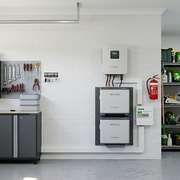
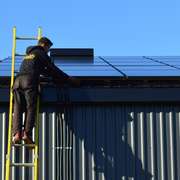
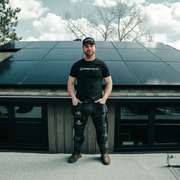
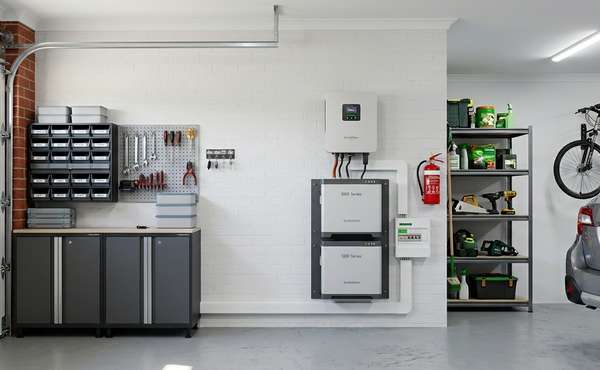
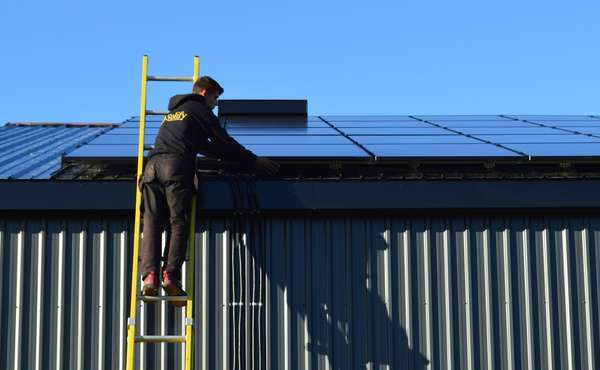
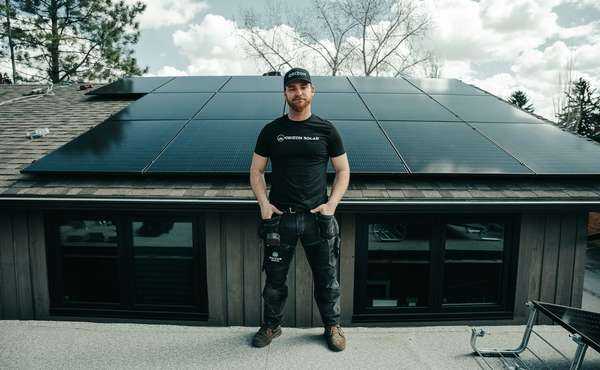
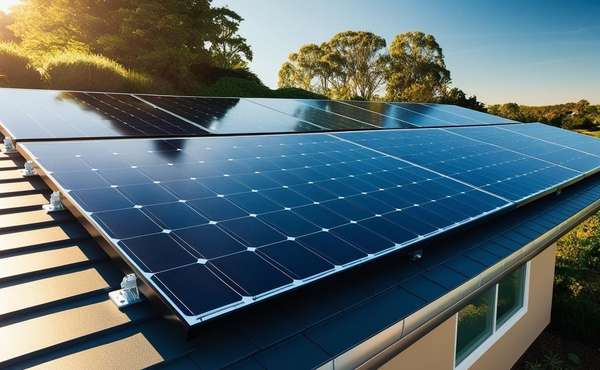
This incentive targets renewable energy systems and high-cost mechanical upgrades. It allows homeowners to deduct 30% of the cost of installing solar panels, wind turbines, geothermal heat pumps, and battery storage systems. Unlike the 25C credit, the 25D credit often has no maximum dollar limit, making it a critical financial component for net-zero energy home projects. The credit is currently scheduled to remain at the 30% level through 2032 before beginning a gradual phase-out.
Are green building grants available in all states?
The availability of incentives depends on whether they are federally direct or state-administered. While federal tax credits apply nationwide, rebate programs vary significantly by location. As of early 2026, the 25C and 25D credits are available in all 50 states because they are managed directly by the IRS. However, point-of-sale rebates like HEEHRA and performance-based grants like HOMES require individual state energy offices to launch their own frameworks.
Approximately 15 states have fully operational rebate programs, while others are in conditional approval stages or have declined funding entirely. Furthermore, many programs now require heat pumps to use low-GWP refrigerants (GWP under 700) to qualify for 2026 funding. Professionals should verify the launch status and waitlist levels in their specific jurisdiction before finalizing project quotes for clients.
Home energy performance-based, whole-house rebates (HOMES)
The HOMES program is unique because it rewards measured performance rather than just the purchase of specific products. Homeowners can receive significant rebates if a post-renovation energy audit proves that the energy consumption of the home was reduced by at least 20%. For deeper retrofits achieving 35% savings or more, the rebate amounts can double. These programs are administered by state energy offices, so application processes and funding availability vary across North America.
Find your state's HOMES rebate
High-efficiency electric home rebate act (HEEHRA)
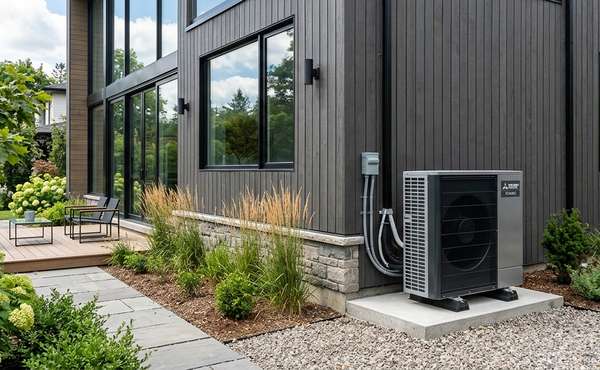
HEEHRA provides point-of-sale rebates for low-to-moderate income households looking to electrify their homes. This covers the full or partial cost of heat pumps, electric stoves, and even the necessary electrical panel upgrades to support them. If you here about the health impact of cooking with gas, you may find yourself looking closer at electric stoves.
Pros should note that these rebates are often applied directly at the register or through the contractor, reducing the initial quote for the client. The program prioritizes households earning less than 150% of the area's median income.
New energy efficient home credit (45L)
This is a primary incentive for builders and developers of single-family homes and multifamily buildings. To qualify, the home must meet specific high-performance standards, such as being Energy Star certified or a DOE Zero Energy Ready Home.
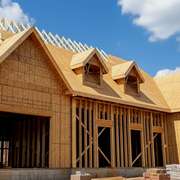
The credit can be as high as 5,000 USD per unit for single-family homes that meet the highest efficiency tiers. It serves as a significant motivator for developers to move away from code-minimum construction toward high performance wall systems for better energy efficiency.
Weatherization assistance program (WAP)
The WAP is the largest residential energy efficiency program in the US, focusing specifically on low-income families. It funds professional energy audits and retrofits that address the building shell and mechanical systems.
Common measures include insulating attics with blown cellulose insulation, air sealing, and repairing faulty heating systems. The goal is to reduce the energy burden on vulnerable populations while improving indoor air quality and comfort.
Low income home energy assistance program (LIHEAP)
While LIHEAP is often associated with bill payment assistance, it also includes a weatherization component. Funds can be used for energy-related home repairs which include the replacement of inefficient HVAC units. For homeowners in rural or underserved areas, LIHEAP acts as a bridge to encourage the construction of homes built to withstand extreme weather events. It is a formula grant program where funds are allocated to states and tribes annually.
USDA rural energy for America program (REAP)
REAP provides guaranteed loan financing and grant funding to agricultural producers and rural small businesses for renewable energy systems or to make energy efficiency improvements. This is an excellent option for rural home-based businesses or farms looking to install large-scale solar arrays or upgrade the efficiency of grain dryers and cold storage facilities. Grants can cover up to 50% of the total eligible project costs.
HUD Green and resilient retrofit program (GRRP)
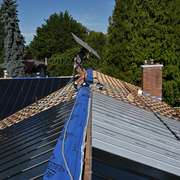
This program targets multifamily housing that receives HUD assistance. It provides funding for projects that improve energy or water efficiency, enhance indoor air quality, or strengthen the building's resilience to climate change. This includes the installation of high-efficiency windows, heat pumps, and resilient roofing materials. It is a critical tool for preserving affordable housing while modernizing the building stock.
Section 504 home repair program
Managed by the USDA, the Section 504 program provides loans to very-low-income homeowners to repair, improve, or modernize their homes. It also provides grants to elderly very-low-income homeowners to remove health and safety hazards. Read more here about age in place modifications and renovations for seniors.
In terms of green building, these funds are often used to replace failing windows, update outdated and inefficient heating systems, or add insulation to homes that currently have none, directly impacting both efficiency and comfort.
Energy efficient mortgages (EEM)
An EEM allows a borrower to roll the cost of energy-saving improvements into their primary mortgage without needing a larger down payment. This is available through FHA and VA programs and is based on the idea that lower utility bills leave the homeowner with more disposable income to pay the mortgage. It is an ideal solution for buyers of older homes that require immediate energy retrofits to reach modern comfort standards.
FHA Energy Efficient Mortgage info
Alternative fuel vehicle refueling property credit (30C)
For homeowners and builders installing EV charging stations, the 30C credit provides a tax credit of up to 30% of the cost, capped at 1,000 USD for residential properties. This incentive is particularly relevant as more municipalities begin to require 'EV-ready' construction for new homes. To qualify, the property must be located in an eligible low-income or non-urban census tract, making it a targeted incentive for rural and underserved infrastructure development.
In brief
Navigating the various grants and tax credits in the US requires a strategic approach, as many programs like HEEHRA and HOMES are dependent on state-level implementation and income verification. Federal tax credits like the 25C and 25D remain the most consistent tools for general residential upgrades, while targeted programs like REAP and WAP serve specific demographics or geographic areas.
For the building professional, these incentives are more than just a discount; they are a validation of US high-performance building standards and rating systems and a bridge to making sustainable homes the industry norm.
Now that you know more about US green building grants, find more info about sustainable home upgrades & green building techniques in the Ecohome Green Building Guide and these pages below:
-
Green building tax credits and home renovation grants for 2025 Canada
-
Easy and cheap DIY energy efficiency home ugrades that save you money
-
Should California's fire resistance code be expanded for urban areas?
-
Solar windows - generate power with transparent BIPV glass coatings



Comments (0)
Sign Up to Comment