







Ontario solar application process: a homeowner's & pro's guide
We all know that there are grants and tax rebates out there for energy efficiency home upgrades like home solar installations, but they come and go without a lot of notice. That's why finding the active ones - and successfully applying - can be a tricky and overwhelming. So we've done the leg work to help people find and apply for government green home incentives.
Here we've outlined which programs are currently avaible, as well as helping you find which ones can be overlapped, to help you benefit from more than one program where possible.
As the market moves through 2026, understanding exactly how to secure provincial rebates, municipal financing, and utility grid connections is the single most important factor in determining your project's total return on investment (ROI). Given the high and variable power rates in Ontario, solar certainly worth the investment, but getting cash back always helps inspire homeowners to pull the trigger on a project.
This comprehensive guide strips away the administrative jargon to deliver a clear, technically precise roadmap for financing and executing a high-performance rooftop solar installation in Ontario.
This guide provides a comprehensive look at the key aspects of this topic. Below is an overview of the sections we will cover, allowing you to jump directly to the information you need.
- Understanding the Ontario Solar Grant Ecosystem
- The Either-Or Rule: Rebates vs. Net Metering
- Stackable Financing: Which programs can be overlapped?
- Step-by-Step Application Roadmap
- In brief
Understanding the Ontario Solar Grant Ecosystem
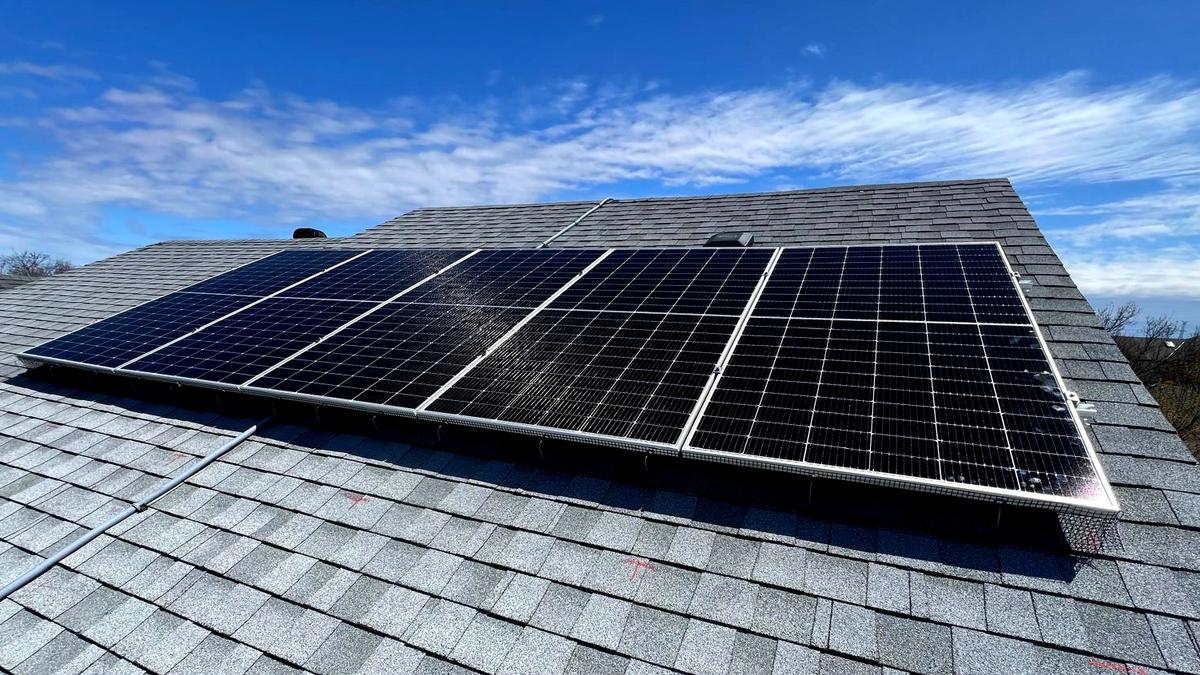
The upfront cost of a residential photovoltaic (PV) array typically ranges from $15,000 to $30,000 CAD, depending on system size, roof orientation, and structural requirements. To offset these costs, building contractors and homeowners must look before older federal options.
The federal Canada Greener Homes Grant is a familiar program but is now permanently closed to new applicants. Additionally, the federal Clean Technology Investment Tax Credit (ITC) provides a 30% refundable credit, but this mechanism is strictly reserved for businesses and commercial properties - individual residential homes do not qualify.
Instead, primary funding has shifted entirely to provincial and municipal channels. At the provincial tier, the active program is the Home Renovation Savings Program (HRSP), which is jointly delivered by Save on Energy and Enbridge Gas.
For low-to-median-income households, the separate Canada Greener Homes Affordability Program (CGHAP) offers a direct-install path for no-cost energy retrofits. For all other standard residential installations, the financial strategy relies on choosing between a lump-sum provincial rebate or long-term grid monetization, often paired with localized city financing.
The Either-Or Rule: Rebates vs. Net Metering
The single biggest mistake a solar applicant can make is assuming they can claim every available incentive. In Ontario, you must choose between upfront cash or ongoing grid billing credits. The provincial HRSP rebate and utility net metering are mutually exclusive programs; entering into one legally bars you from participating in the other.
The HRSP Rebate Path
The HRSP path provides direct, post-installation cash rebates to lower the initial capital expenditure of the project. The financial incentives break down as follows:
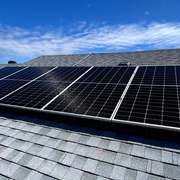
- Solar Photovoltaic Panels: $1,000 per kW installed, capped at a maximum of 5 kW for a total of $5,000.
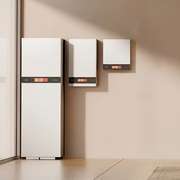
- Home Battery Storage Systems: Up to $5,000 when paired directly with a new solar installation.
- Maximum Combined Allocation: A total cap of $10,000 for a combined solar-plus-storage system.
The critical catch for professionals and DIYers to understand is that the HRSP program operates strictly under a load-displacement model. The system must be engineered solely to offset on-site electrical consumption. When you sign the Independent Electricity System Operator (IESO) participant agreement, you explicitly waive your right to net metering. Any excess electricity your panels feed back into the grid is valued at exactly zero dollars.
The Net Metering Path
The alternative path bypasses the HRSP rebate entirely to leverage a Net Metering agreement with local distribution companies such as Hydro One, Toronto Hydro, or Alectra. Under this regulatory framework, there is zero upfront rebate money. Instead, the utility installs a smart, bidirectional meter that tracks the exact balance between the electricity you pull from the grid and the excess generation your panels send back into it.
When your roof generates more power than the building consumes, the surplus is pushed to the grid, and the utility credits your account at a 1:1 retail rate. These bill credits can accumulate and be carried forward for up to 12 months, allowing you to bank excess summer production to offset heavy winter grid consumption. To see how these systems integrate with each other, see our guide on how to master net metering by combining solar panels, home batteries and heat pumps.
Stackable Financing: Which Programs Can Be Overlapped?
While you cannot combine the HRSP rebate with utility net metering, you can strategically stack municipal financing tools to eliminate upfront out-of-pocket costs. Property Assessed Clean Energy (PACE) programs allow homeowners and contractors to finance 100% of the solar hardware and labor through a low-interest or interest-free loan that is tied directly to the property, rather than the individual borrower, and repaid through regular property tax bills.
These local financing initiatives are fully stackable with either of the two primary grid pathways. The main municipal financing programs across Ontario include:
- Toronto HELP (Home Energy Loan Program): Provides low-interest financing up to $125,000 for residential energy retrofits, including solar PV and battery storage.
- Ottawa Better Homes Loan Program: Offers property-assessed loans up to $125,000 or 10% of the current property value to fund rooftop solar arrays.
- Guelph Greener Homes: Delivers up to $50,000 in interest-free financing over a 10-year repayment term via the municipal property tax mechanism.
- London BetterHomes: Provides up to $40,000 in low-interest, property-tied financing to cover complete solar installations.
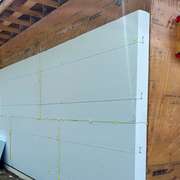
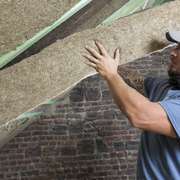
For professionals managing large-scale retrofits, the provincial HRSP framework also allows internal multi-measure stacking. A single property application can legally combine the $5,000 solar panel rebate, the $5,000 battery storage rebate, and up to $7,500 in additional mechanical and building envelope rebates, such as upgraded continuous insulation or cold-climate air source heat pumps.
Step-by-Step Application Roadmap
To secure funding without risking a paperwork rejection, contractors and homeowners must execute the application process in a rigid chronological order. Skipping an energy assessment or signing an installation contract too early can permanently disqualify the project from receiving rebates.
Step 1: The Pre-Retrofit Energy Assessment
Before any physical work begins or any equipment contracts are signed, you must book an EnerGuide home energy assessment through a licensed Service Organization. A certified energy advisor will perform a comprehensive blower-door airtightness test and evaluate the building envelope. This assessment establishes the official energy baseline for the property and is a mandatory prerequisite for the HRSP rebate and most municipal PACE loans.
Step 2: System Engineering and Financial Selection
Find a qualified, insured solar contractor to design the array based on your roof's orientation, structural framing capacity, and shading profiles. This is the stage where the homeowner and pro must choose their path: design a smaller, load-displacing system capped at 5 kW to maximize the upfront HRSP cash, or design a larger system optimized for the building's total annual electrical load to leverage utility net metering.
If applying for municipal loans like Toronto HELP or the Ottawa Better Homes Loan Program, the final contractor quote and the EnerGuide renovation upgrade report must be submitted to the city for pre-approval at this time.
Step 3: Utility Interconnection Pre-Approval
Your solar contractor must submit a Form 1A Micro-Generation Connection Application to your local distribution company (such as Hydro One or Alectra) before physical installation begins. The utility must review local distribution transformer capacities to confirm the grid can safely handle the potential bidirectional power flow from your system. Physical installation should only proceed once the utility issues its official conditional approval to connect.
Step 4: Installation and Electrical Inspection
The certified solar technicians mount the racking, secure the photovoltaic modules, and wire the central or micro-inverter systems. Once physical construction is complete, the entire electrical system must be inspected and passed by the Electrical Safety Authority (ESA) to ensure absolute compliance with the Ontario Electrical Safety Code. The ESA certificate of inspection is a non-negotiable document for both utility connection and rebate disbursement.
Step 5: Post-Retrofit Assessment and Fund Disbursement
After the system passes inspection, the local utility will exchange your standard electric meter for a bidirectional smart meter and grant official Permission to Operate (PTO). At this point, you must recall your EnerGuide energy advisor to perform the post-retrofit energy assessment.
The advisor documents the installed solar capacity, verifies the system configuration, and submits the final paperwork to the HRSP portal to trigger the direct rebate payout. For projects utilizing municipal financing, the final receipts and ESA certificates are submitted to the city to convert the temporary funding into a permanent property tax loan line item.
In brief
- The federal Canada Greener Homes Grant is closed, and the 30% Clean Technology ITC is restricted to commercial properties, leaving provincial and municipal programs as the active financial drivers for Ontario residential solar.
- Homeowners must choose between the upfront provincial HRSP rebate (up to $5,000 for solar and $5,000 for batteries) or a long-term utility Net Metering agreement; you cannot legally participate in both.
- The HRSP rebate path strictly enforces a load-displacement model, meaning any excess electricity sent back to the grid receives zero financial credit.
- Municipal property-assessed loans (such as programs in Toronto, Ottawa, London, and Guelph) can be completely stacked with either the HRSP rebate path or the Net Metering path to remove upfront capital barriers.
- A pre-retrofit EnerGuide energy assessment and utility connection pre-approval are mandatory steps that must be fully completed before any physical solar equipment is installed on the roof.
Now that you know more about Ontario solar application processes, find more info about incentives & green building techniques in the Ecohome Green Building Guide and these pages below:
-
The definitive guide to solar panels for homeowners & pros (2026)
-
Can You Heat a Home with Solar Panels Only? All About Off Grid Heating Systems
-
The Complete List of 2026 Canadian Home Energy Rebates & Tax Credits
-
Find Reliable and Trusted Ontario Solar Installers Here in Our Directory






Comments (0)
Sign Up to Comment