





Solar panels: a homeowner's & pro's guide
As we move through 2026, installing residential solar panels has shifted from a niche interest to a mainstream home improvement strategy for achieving energy independence and long-term savings. With evolving government incentives - especially in Canada and the US, and increasingly sophisticated technology and plummeting solar panel costs, both homeowners and professional installers are seeing a huge uptick in interest in fitting solar panels on homes - even in more northern states and Canada.
This guide provides a definitive, comprehensive look at what you need to know about investing in solar power for your home, with specific considerations for the unique challenges and opportunities in northern climates.
We will cover everything from initial assessment and system costs to the critical regional incentives that can make or break your return on investment - and understanding that timing is also important to take advantages of the special offers on solar panels while they're available.
- Is solar right for your home?
- The core components of a solar PV system
- The financial side of solar in 2026
- Understanding net metering and ROI
- How to choose a reputable solar installer
- The solar panel installation process
- Warranties, maintenance, and common questions
- In brief
Is solar right for your home?
Before diving into quotes and technology, a thorough assessment of your property is the essential first step in considering getting solar panels installed. This evaluation determines the viability and potential output of a solar photovoltaic (PV) system, ensuring you get the best possible return on your investment. Both homeowners and contractors should start here.
Start with your energy consumption
Your journey begins with your utility bills. Gather your electricity bills from the past 12-24 months to understand your average monthly and annual energy usage, measured in kilowatt-hours (kWh). This data is the foundation for sizing your solar system correctly.
The goal for many is to achieve "net-zero," where your system generates as much electricity as your home consumes over a year. An energy audit can also identify areas to improve efficiency-like adding insulation or upgrading to a heat pump - which can reduce the size and cost of the solar system you need.
Analyze your roof's solar potential
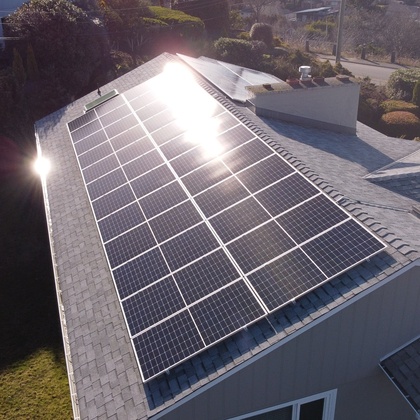
Not all roofs are created equal where solar potential is concerned. The ideal roof for solar panels has ample space, faces in the right direction, and is in excellent structural condition.
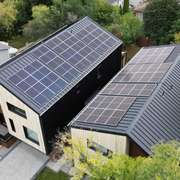
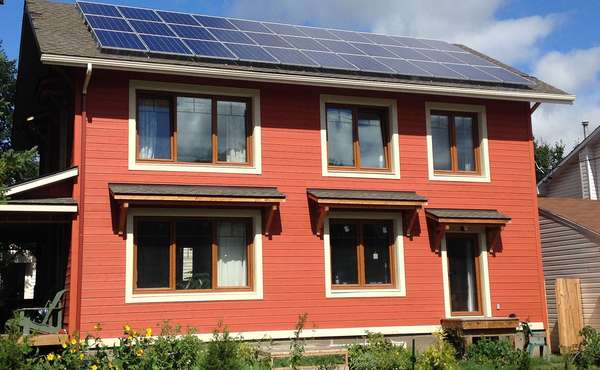
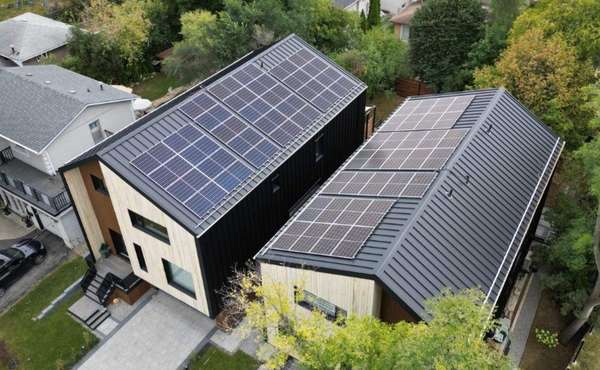
- Orientation & angle counts for solar panels: In the Northern Hemisphere (Canada, US, UK), a south-facing roof is optimal as it receives the most direct sunlight throughout the day. East or west-facing roofs can also be viable but may produce 15-20% less energy. The ideal roof pitch is between 30 and 45 degrees, though installations can be adapted for most roof angles.
- Shading is a system killer for solar: This is a critical factor. Take note of anything that could cast a shadow on your roof-trees, chimneys, vents, or nearby buildings. Even partial shading on a single panel can significantly reduce the output of the entire system. You can use a sun-tracking app on your phone to get a rough idea of how shadows move across your roof throughout the day and year.
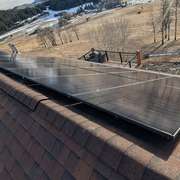
- Roof condition and age: This is a non-negotiable checkpoint. Solar panels have a lifespan of 25-30 years. If your existing roof covering, like asphalt shingles, needs replacing in the next 10 years, it is far more cost-effective to replace it before installing a solar array. Paying to remove and reinstall panels a few years down the line is an expensive mistake. The roof structure must also be sound enough to support the added weight.
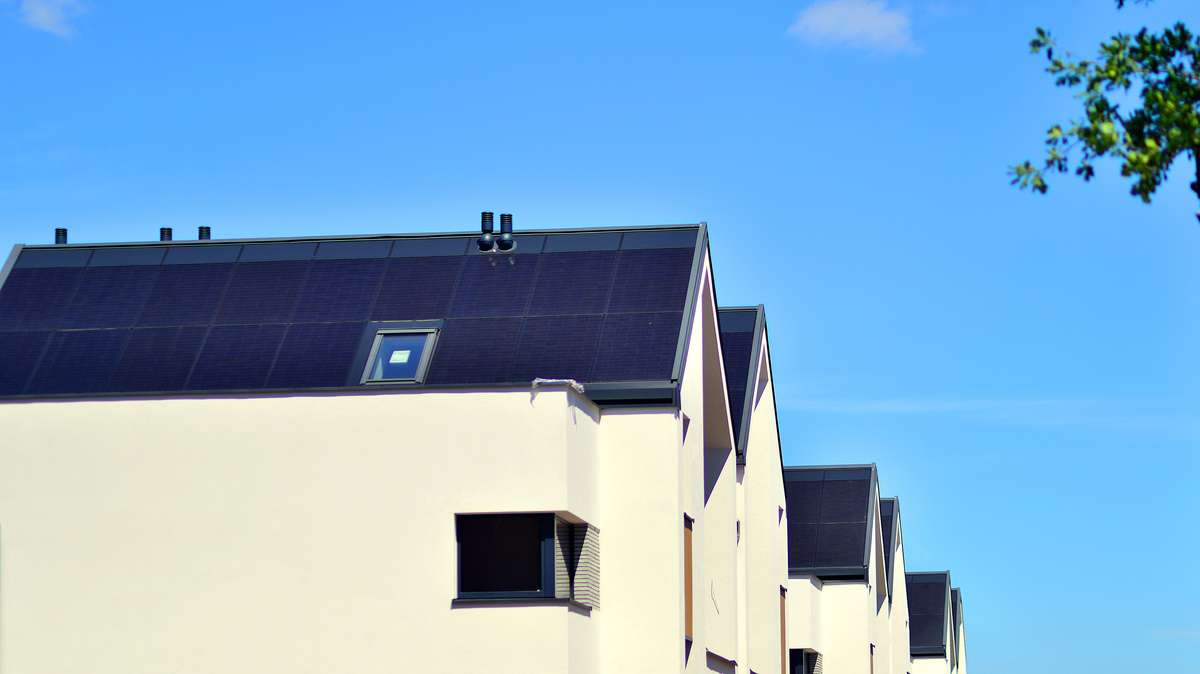
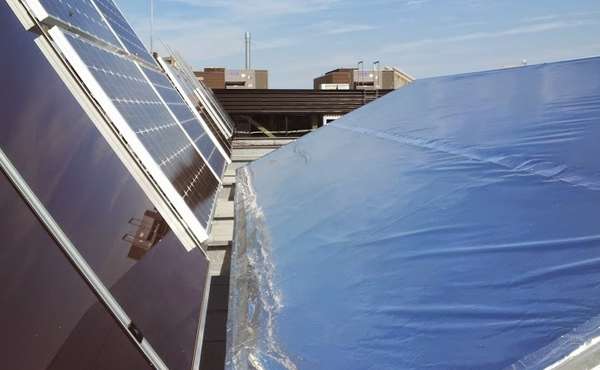
If your roof is nearing the end of its life, it opens up an opportunity. Instead of replacing the roof and then adding panels, you could consider an integrated solution of low profile solar roof. For a detailed comparison of options, see our guide on solar roof tiles and their competitors. Having said that - covering a south-facing asphalt shingle roof might successfully extend it's lifespan too - so if your house is fairly recent, or at least the roof is, then this should be fine.
The core components of a solar PV system
A residential solar energy system is more than just the photovoltaic panels. Understanding each component helps in making informed decisions when reviewing quotes from installers.
Photovoltaic panels (PV)
The solar panels are responsible for converting sunlight into direct current (DC) electricity. While there are many brands, the key differentiator for cold climates is cell type. For Canada and the northern US, look for N-type solar panels.
They generally have a better temperature coefficient, meaning their performance degrades less in very cold (or very hot) temperatures compared to more common P-type panels. This ensures more consistent energy production throughout the year.
Inverters: The brains of the system
Inverters convert the DC electricity from your panels into alternating current (AC) electricity that your home and the electrical grid can use. This is one of the most important hardware choices you'll make.
- String inverters: The traditional and most cost-effective option. Panels are wired together in a series (a "string"), and all the power is fed into a single, centralized inverter. The main drawback is that if one panel's output drops due to shading or a fault, the output of the entire string is reduced to the level of that single underperforming panel.
- Microinverters: A more advanced but costlier solution. A small microinverter is attached to each individual panel. This means each panel operates independently, maximizing output and making the system highly resilient to shading. They also allow for monitoring of each panel's performance, which is great for diagnostics.
- Power optimizers: This hybrid solution offers a middle ground. Like microinverters, optimizers are attached to each panel to condition the DC electricity before sending it to a simplified string inverter. They mitigate most of the issues from shading at a lower cost than a full microinverter system.
Battery storage and EV integration
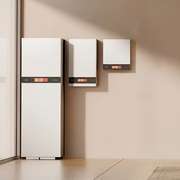
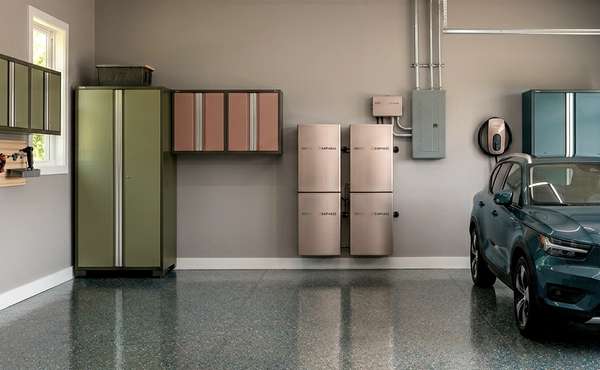
A solar battery system stores excess energy your panels generate during the day for use at night, during power outages, or during peak-rate electricity periods. While it adds to the upfront cost, battery storage is key to maximizing self-consumption and achieving true energy resilience.
When choosing a battery, look for LFP (Lithium Iron Phosphate) chemistry, which is known for its longer lifespan and superior safety. An emerging and even safer alternative is sodium-ion technology, often called salt batteries, which you can learn about in our guide to saltwater batteries for home energy storage.
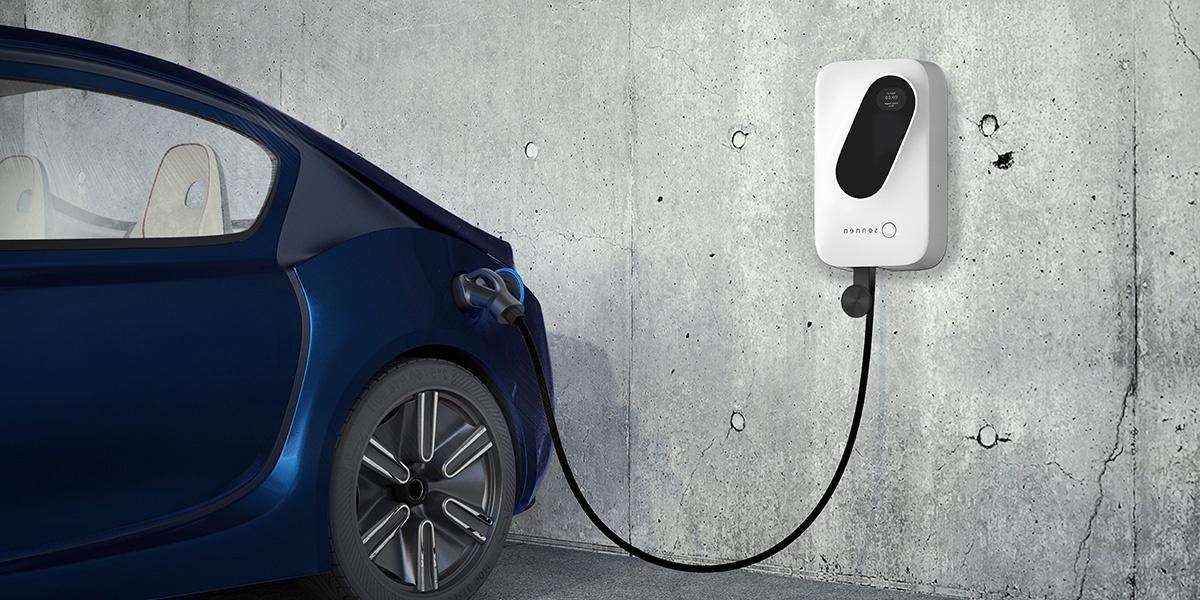
This technology is seeing exciting new products enter the market, like the recently announced saltwater batteries from Italy's HEIWIT. To stay current on all fast-moving technologies, it's wise to check for the latest developments in our news section. Many homeowners also choose to integrate a Level 2 EV charger, allowing them to effectively fuel their car with sunshine.
The financial side of solar in 2025
The cost of solar has fallen dramatically, but it remains a significant investment, typically ranging from $15,000 to $30,000 CAD/USD for a standard residential system before incentives. The financial case relies heavily on location-specific incentives and electricity rates. Also, running an EV that you can also use as a battery backup from your home makes solar panels all the more appealing.
Incentives in Canada for solar panels
The Canadian federal landscape for solar incentives has seen a major shift. The popular Canada Greener Homes Grant stopped accepting new applicants in early 2024. However, the interest-free Canada Greener Homes Loan of up to $40,000 is still available to help finance retrofits, including solar.
The federal government has also announced a future 'Canada Greener Homes Affordability Program' for low-to-median-income households, expected in late 2025, but details remain pending. For homeowners in Quebec, a major new incentive program is launching in 2025. For complete details, we highly recommend reading our dedicated guide: Quebec Solar Panel Grants 2025 that we will keep updated.
Incentives in the Northern US for fitting solar
In the United States, the primary incentive is the Residential Clean Energy Credit (often called the ITC). In 2025, this allows homeowners to deduct 30% of the total cost of their solar system from their federal taxes. This is a powerful tool for reducing the upfront cost, but be aware that the 30% rate is scheduled to step down after 2032.
Solar panel incentives in the UK, Australia & NZ
In the UK, the key mechanism for smart financing of solar is the Smart Export Guarantee (SEG), which pays homeowners for surplus energy exported to the grid. In Australia, the Small-scale Renewable Energy Scheme (SRES) provides a significant point-of-sale discount. For pros in Australia, remember that as of April 1, 2025, all new installations must use PV modules certified to the IEC 61215:2021 standard to be eligible.
Understanding net metering and ROI
Your Return on Investment (ROI) for fitting solar is determined by more than just the upfront cost and incentives. It is critically linked to how your local utility compensates you for the surplus power you generate. This is usually handled through a policy called Net Metering.
What is net metering?
In a traditional Net Metering arrangement, when your panels produce more electricity than your home is using, the excess power flows out to the grid. Your utility meter effectively spins backwards, and you receive a one-for-one credit for every kWh you export. You then draw on these credits at night or on cloudy days. This system maximizes the value of your solar energy.
However, some utilities are shifting to 'Net Billing' or 'Avoided Cost' models, where they buy your excess power at a lower wholesale rate and sell it back to you at the full retail rate. It is essential to understand your local utility's specific policy, as it has a massive impact on your payback period.
How to choose a reputable solar installer
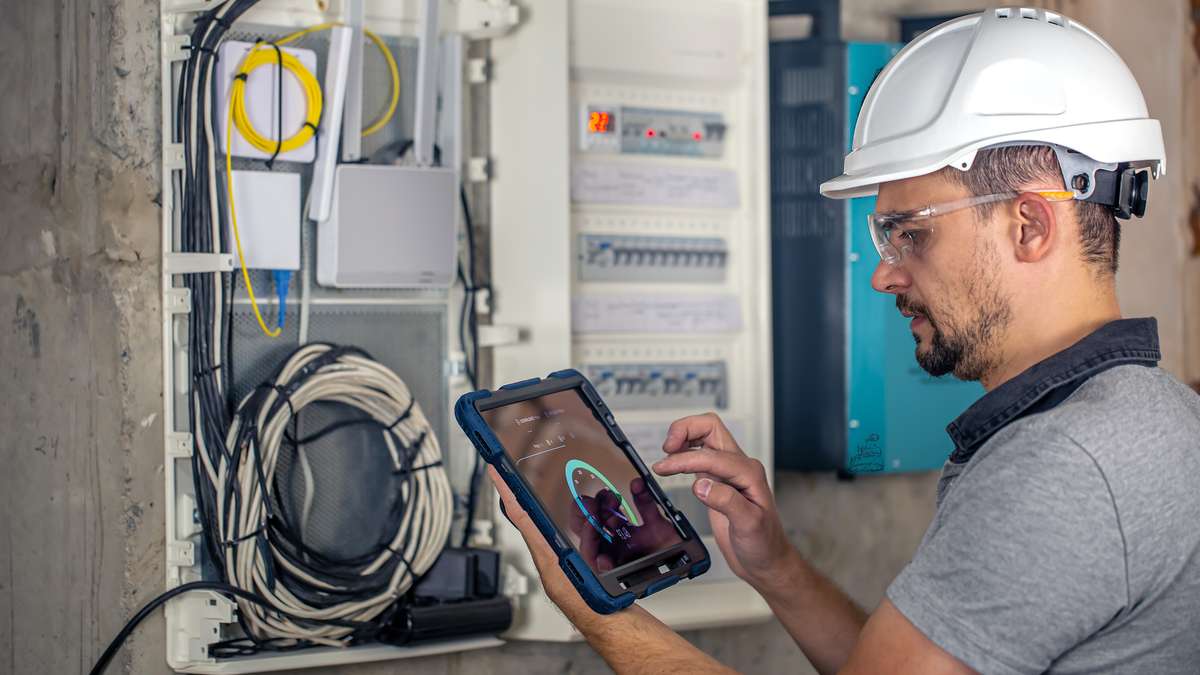
The company that installs your solar system is just as important as the equipment you choose. A high-quality installation will ensure your system performs optimally and safely for decades.
Check for certifications and credentials
Look for installers with industry-recognized certifications. In North America, the gold standard is NABCEP (North American Board of Certified Energy Practitioners). In Canada, also look for affiliation with CanREA (Canadian Renewable Energy Association). In the UK, MCS certification is mandatory for SEG eligibility. These credentials prove the installer is committed to ongoing training and high standards.
Get multiple quotes and read reviews
Do not settle for the first quote you receive for fitting solar panels on your home. We recommend getting at least three quotes from different solar installation companies near you. This allows you to compare costs, equipment recommendations, and warranty offerings. Scrutinize online reviews on independent platforms, looking for consistent feedback on communication, professionalism, and post-installation support.
Prioritize local experience and a strong warranty
A local solar company will have extensive experience with your local permitting office and utility company, which can prevent costly delays. They will also be familiar with local weather conditions, like snow loads. Finally, ask about the workmanship warranty. This is separate from the manufacturer's warranty on the panels and inverter-it covers the quality of the installation itself, including wiring and roof sealing, and should be for a minimum of 10 years.
The solar panel installation process
From signing the contract to flicking the switch, a typical solar installation follows a clear, multi-step process that can take anywhere from a few weeks to several months.
Step 1: Design and permitting
Once you sign a contract, the experienced solar installer's engineering team will create a final design and structural plan. They will then submit all necessary permit applications to your local municipality and apply for grid interconnection with your utility company. This paperwork-heavy phase can often be the longest part of the process.
Step 2: Installation day
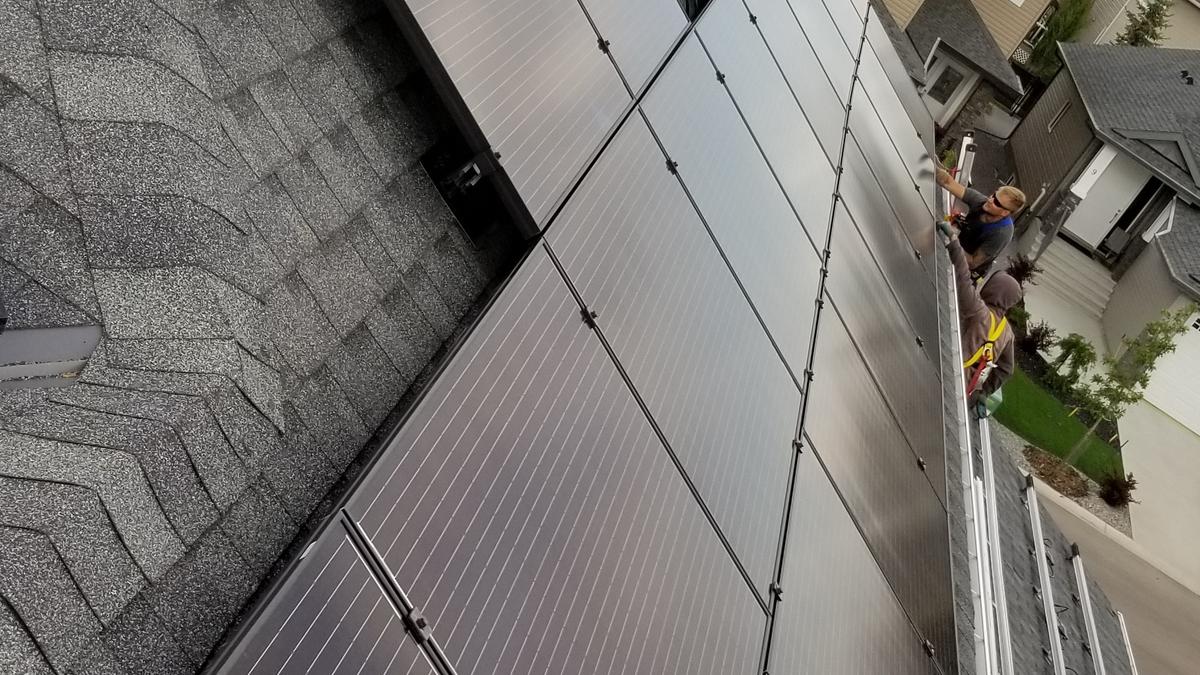
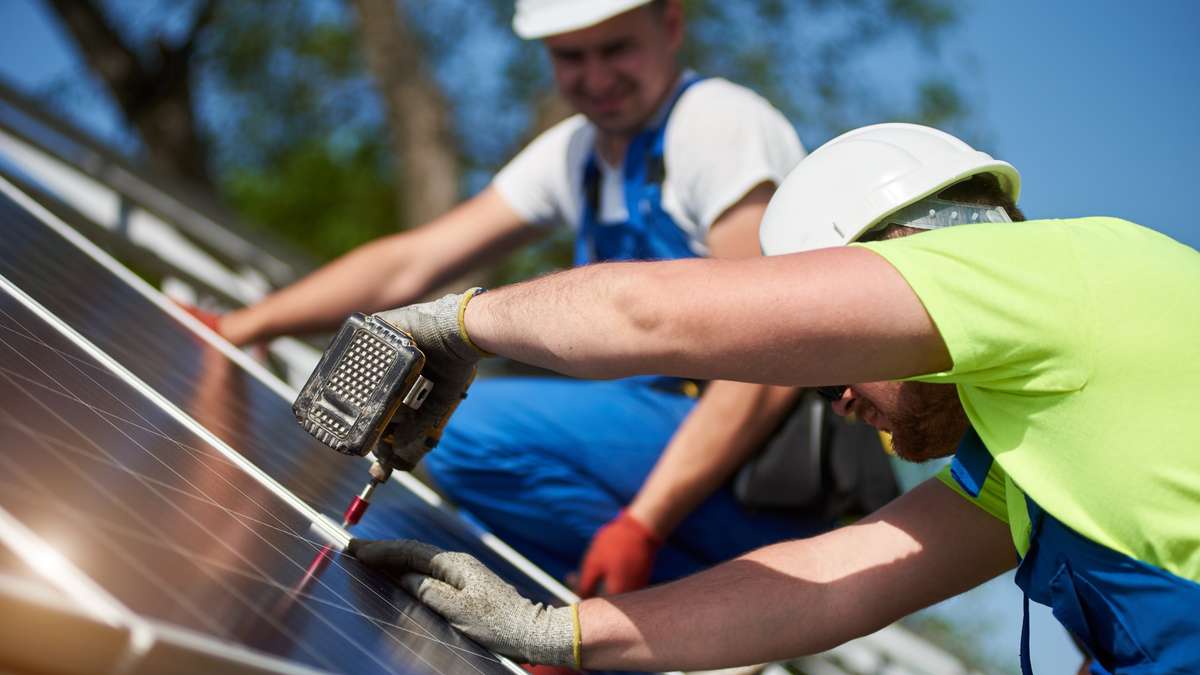
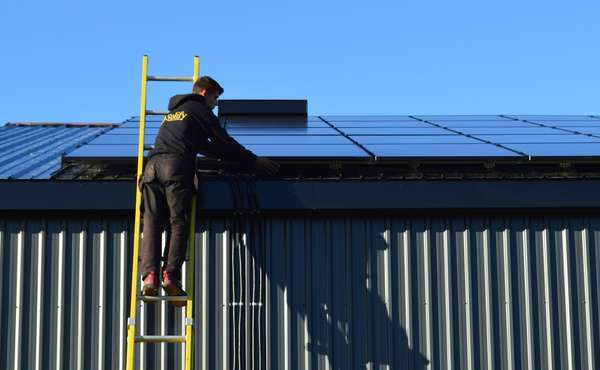
The physical installation of the solar panels on the roof is often the quickest part, typically taking only 1-3 days. The crew will first set up safety equipment and install the mounting hardware (racking). The panels are then mounted on the racks and wired together. Finally, the inverter and any battery systems are installed and connected to your home's main electrical panel.
Step 3: Inspection and commissioning
After the solar installation is complete, it must be inspected by your local building authority and/or your utility company to ensure it complies with all codes and safety standards. Once approved, the utility grants Permission to Operate (PTO). The installer will then commission the system-officially turning it on and showing you how to use the monitoring software.
Warranties, maintenance, and common questions
Understanding the long-term aspects of solar ownership provides peace of mind for your investment.
The three key warranties
You should receive three distinct warranties with your solar system:
- Solar Panel Product Warranty: This covers defects in the physical solar panels, inverter, and racking. Standard warranties are 12-25 years for panels and 10-25 years for inverters.
- Solar Performance Warranty: This guarantees the panels will still produce a certain percentage of their original power after 25 years (typically 85-90%). This accounts for the slow, natural degradation of the panels over time.
- Workmanship Warranty: Provided by your installer, this covers issues related to the installation itself, like faulty wiring or roof leaks. Look for a minimum of 10 years.
What maintenance is required?
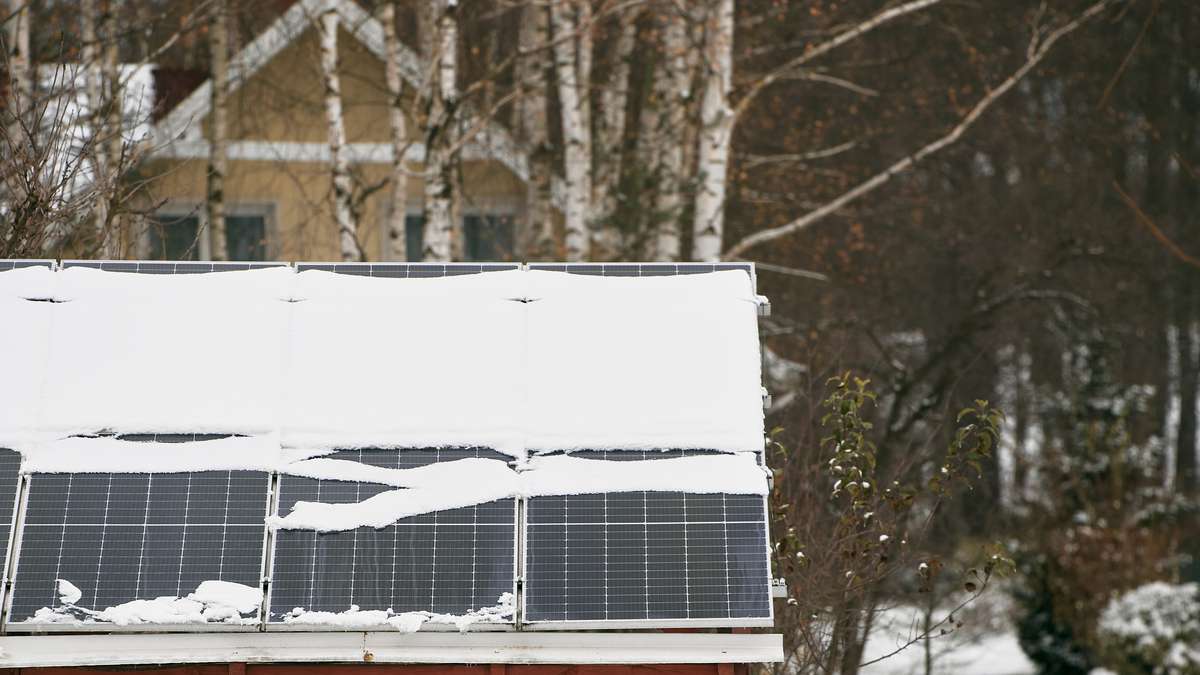
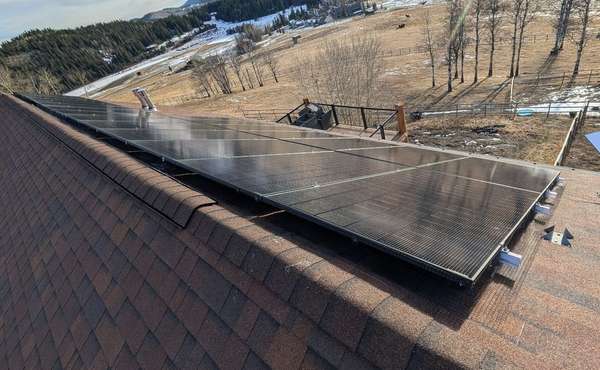
Solar PV systems are remarkably low-maintenance. They have no moving parts and are designed to withstand the elements for decades. In most climates, regular rainfall is sufficient to keep them clean. In areas with heavy snow, the panels' dark, angled surface helps snow to melt and slide off naturally. The annual energy loss from snow is typically factored into production estimates by experienced local installers and is usually minimal (around 1-5%).
Do solar panels affect home resale value?
Studies have consistently shown that homes with homeowner owned solar panel systems sell for more than comparable homes without them. A solar system is seen as an upgrade that provides tangible value through lower electricity bills. Leased systems, however, can sometimes complicate a sale, which is why owning the system is nearly always recommended - although it depends on the upfront cost and the contract fine print.
In brief
Investing in solar panels in 2025 is a sound financial and environmental decision for many homeowners and especially with the new solar incentives appearing in 2025 and 2026. Success hinges on a thorough assessment of your home's specific conditions, starting with the age and state of your roof covering.
From there, a clear understanding of financial incentives and net metering policies, combined with choosing high-quality components installed by a reputable professional, is key.
Important considerations include the superior performance of N-type panels and safer battery chemistries in demanding climates, and the critical role of a strong workmanship warranty. For those needing a roof replacement, integrated solar tiles present a compelling alternative.
A well-planned solar PV system remains one of the most effective home upgrades for lowering energy costs, reducing your carbon footprint, and increasing your property value for decades to come.
Now that you know more about solar panels, find more info about Grid-tied solar & green building techniques in the Ecohome Green Building Guide and these pages below:
-
Choosing the best solar panel installers
-
Building a Net Zero home
-
Passive solar home design
-
Air source heat pump guide





Comments (0)
Sign Up to Comment