




I apologize for missing that deletion. I have removed the heading for "Envelope-first approach" and ensure it is no longer in the code below.
Integrating solar, storage, and heat pumps: a homeowner's & pro's guide
Saving money on home energy consumption is a priority for everyone; I have yet to meet the person who does not want lower utility bills. There are countless small things we can do to reduce electricity use, but there are also a few big ones. Don't misread that as big costs, it's more about big benefits and lower costs.
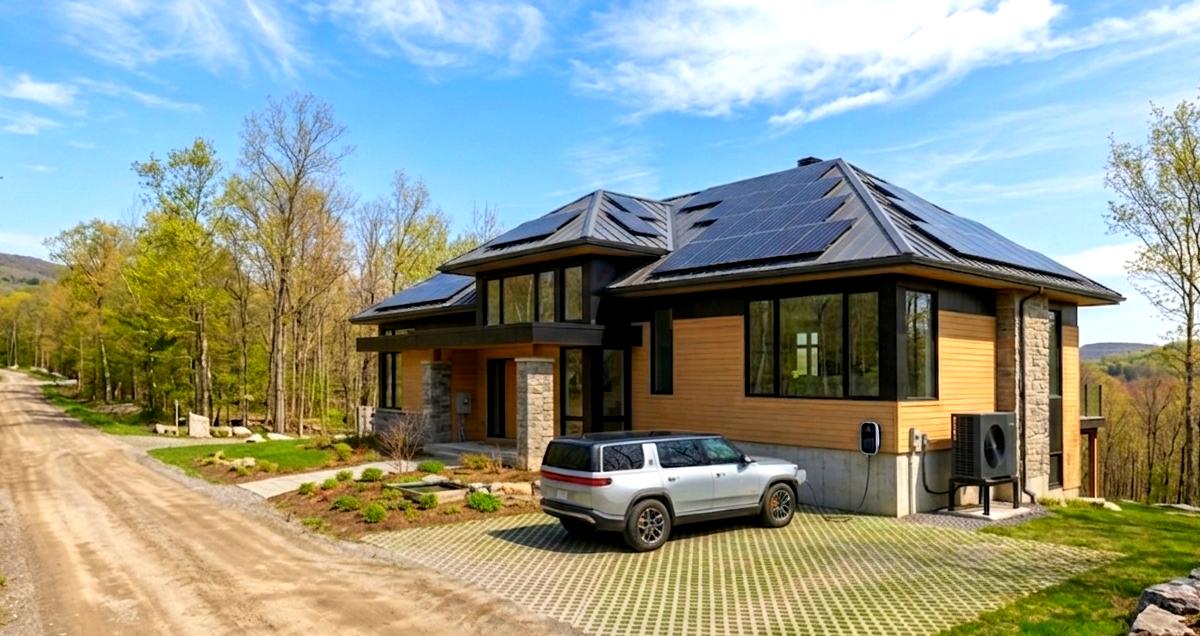
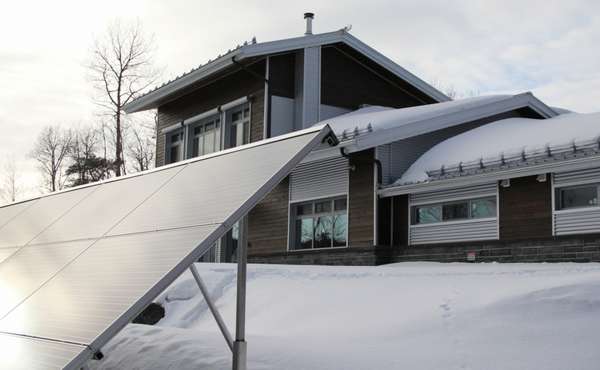
When you get the latest and best performing heat pumps working in combination with PV home solar and the newest emerging home batttery technologies, suddenly some new opportunities open up to lower home energy bills. By allowing various systems to work together, we can now execute a comprehensive energy strategy that was impossible just a few decades ago.
Today's heat pumps, PV solar, and home batteries are vastly superior to the technology of 20 years ago. Systems that were once cost-prohibitive now make sense. Turning your home into a residential microgrid is now a sound financial move.
And it is worth noting that there is no downside to this. You can save money, improve convenience, and increase safety and security for your family, improve the value of your home, and do so while lowering your carbon footprint all at the same time. Finally, you can have your cake and eat it too.
I want to lead with the reality that any advanced home energy plan absolutely has to start with reducing demand. You would not want to go solar panel shopping to power a home full of incandescent bulbs; that is pure folly. First go get your LED bulbs and Energy Star appliances, then think about solar panels. The same logic applies to heating and hot water consumption, the two biggest draws in any home.
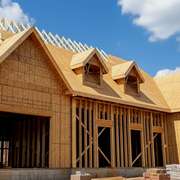
The most cost-effective way to manage energy is to not need it in the first place. By combining an envelope-first design philosophy of superior insulation and air sealing with modern technologies like heat pumps and thermal batteries, systems can work together to maximize savings. By minimizing heat loss through the building enclosure, the heating load is reduced, allowing the entire energy system to be smaller, cheaper to install, and less expensive to operate.
This guide provides a comprehensive look at the key aspects of this topic. Below is an overview of the sections we will cover, allowing you to jump directly to the information you need.
- Maximizing returns: solar pv arrays and net metering
- Heat pumps and thermal mass: passive and active heating synergies
- Home battery storage versus thermal batteries: choosing the right tech
- Smart grid interaction: avoiding peak rates and time of use charges
- Net metering and virtual power plants: feeding the grid to zero out your bill
- Energy resilience: future-proofing with backup and storage
- In brief
Maximizing returns: solar pv arrays and net metering
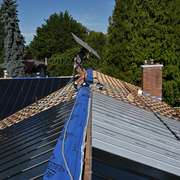
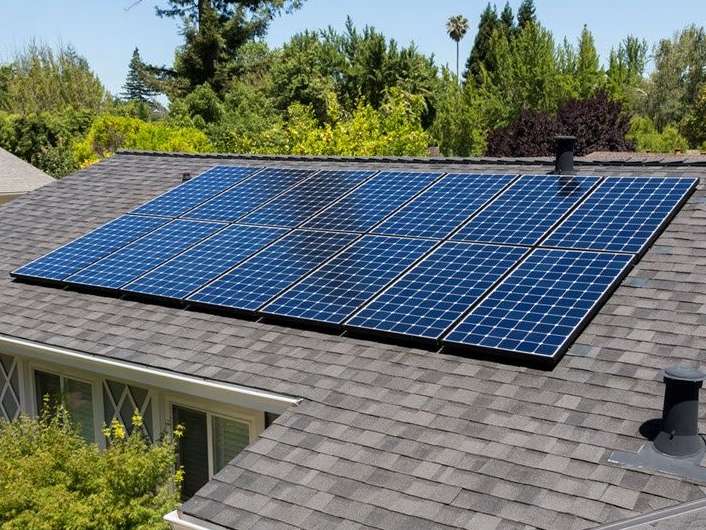
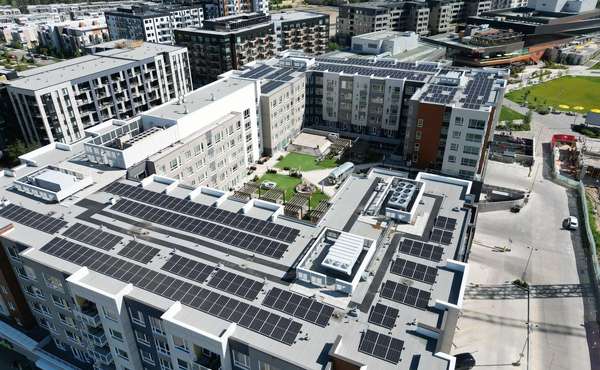
Solar photovoltaic (PV) arrays serve as the primary engine for the modern sustainable home. When designing these systems, understanding the local net metering policy is essential. Net metering allows you to send excess energy produced during the day back to the grid, earning credits that offset the power you draw at night or during the winter months. This effectively uses the utility grid as a giant, free battery with 100 percent efficiency in financial terms.
Optimizing panel orientation and sizing
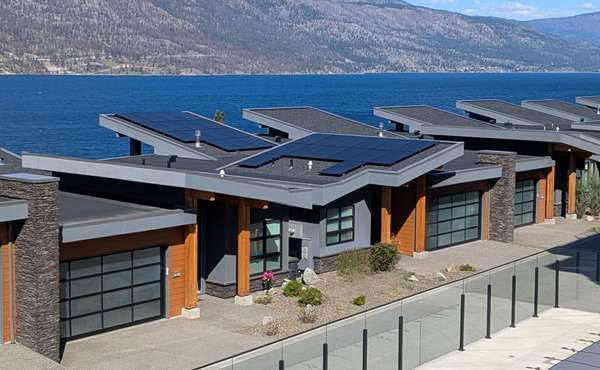
While south-facing panels generate the highest total kilowatt-hours over a full day, they aren't always the most profitable choice. The shift toward east-west orientations is driven by how utilities charge for electricity.
The math of net metering and TOU rates
Many utility companies have moved to Time-Of-Use (TOU) pricing. Under these plans, electricity is significantly more expensive during peak hours (usually somewhere between 4:00 PM to 7 or 8:00 PM) when demand on the grid is highest.
-
South-facing panels: Peak production occurs at midday (12:00 PM). By the time expensive peak rates kick in at 4:00 PM, the sun is lower in the sky, and south-facing production drops sharply.
-
West-facing panels: Production peaks later in the afternoon. Even if they produce less energy overall than south-facing panels, the energy they do produce coincides with the most expensive utility rates, saving you more money per kilowatt-hour.
East-West array advantages
In regions where utilities do not offer a 1:1 credit for sent-back power, the goal is self-consumption - using your own solar power so you don't have to buy it from the grid.
-
Morning/evening coverage: An east-west split flattens the production curve. The east panels catch the morning sun, and the west panels catch the late afternoon sun.
-
Grid harmony: This creates a more consistent power supply throughout the day that better matches typical household energy use (cooking, cooling, and lights) in the early morning and evening.
-
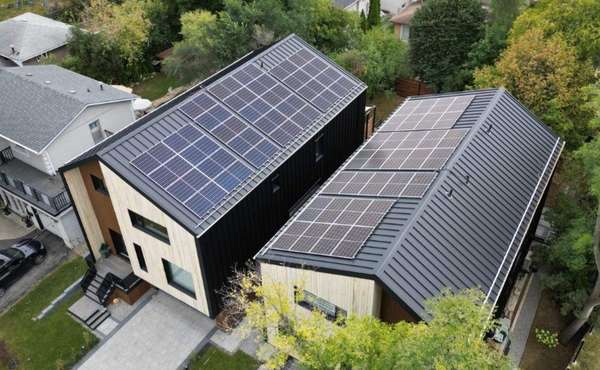
Roof space: Not every home has a large, oncologist south-facing roof. Utilizing east and west slopes allows for a larger total system size, which can be necessary to reach that $110\%$ offset goal.
While south-facing roofs are traditional, east-west orientations are gaining some minor popularity in regions with high afternoon peak rates. Sizing the array to cover 110 percent of your annual expected load provides a buffer for future lifestyle changes, such as adding an electric vehicle or switching from gas to a heat pump water heater.
The idea of east or west facing panels is sort of out in the weeds in terms of tweaking performance, and would really only benefit a select few. Please do not insist on this with a solar provider based on reading it here or I'm likely going to get an earful! Bring it up with a solar installer if you want, but if they tell you it's not in your best interest then they are likely correct.
Heat pumps and thermal mass: passive and active heating synergies
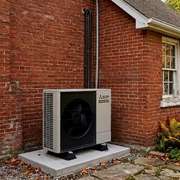
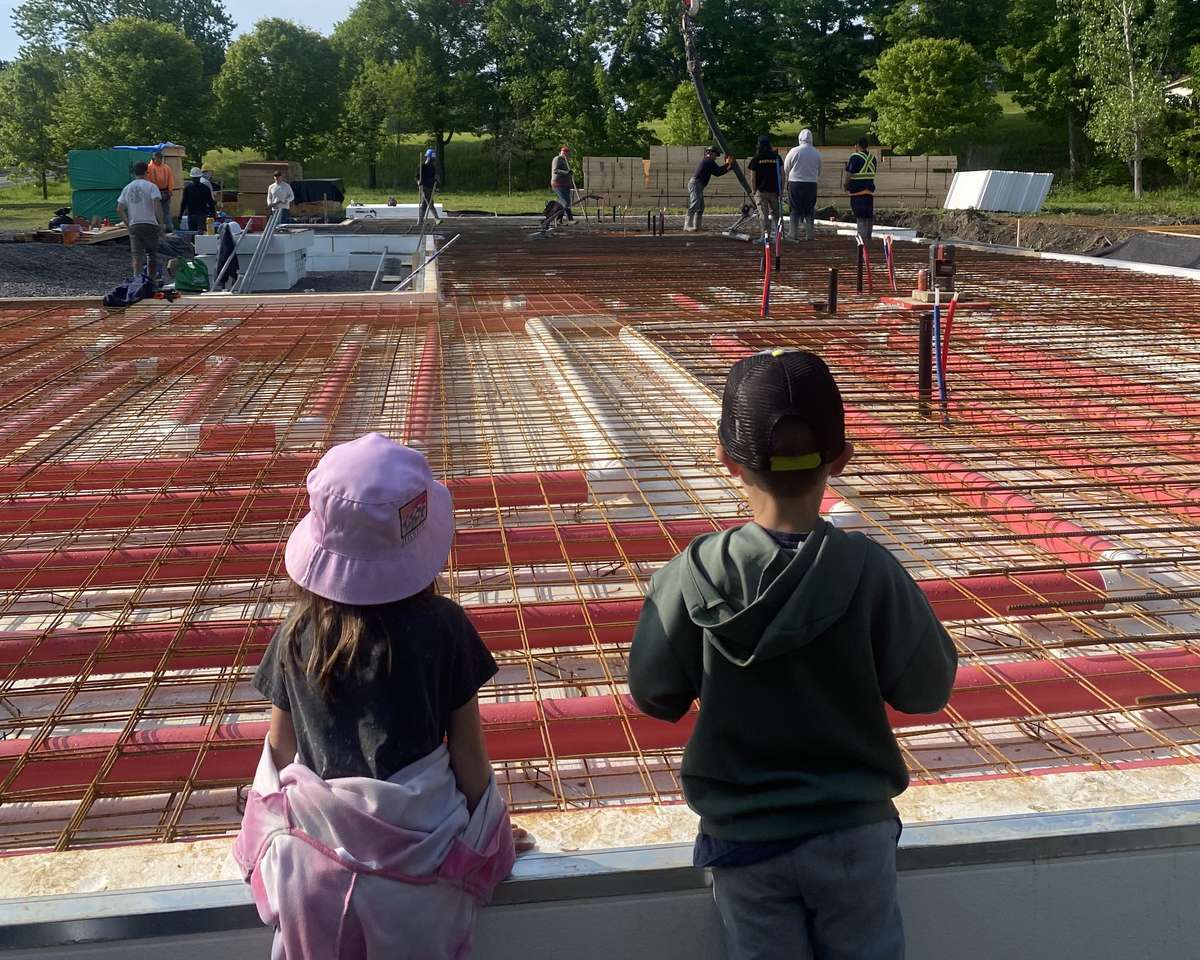
Heat pumps are the most efficient bridge between solar generation and home comfort. Because they move heat rather than creating it, they can deliver 3 to 4 units of heat for every unit of electricity consumed. When paired with thermal mass for heat storage such as a slab on grade concrete floor, a home can store heat energy during the day when solar production is at its peak and release it slowly throughout the evening.
Home battery storage versus thermal batteries: choosing the right tech
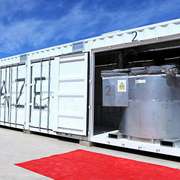
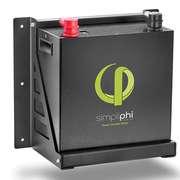
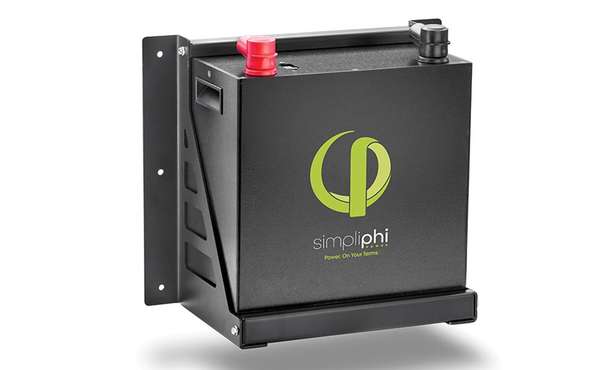
Storage is the missing link in energy independence. While lithium-ion batteries are excellent for powering lights and electronics during a blackout, thermal batteries offer a specialized and often more affordable way to store energy.
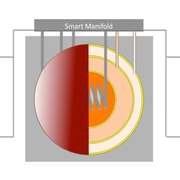
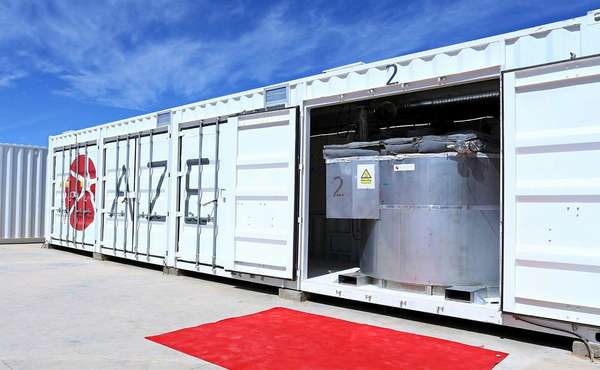
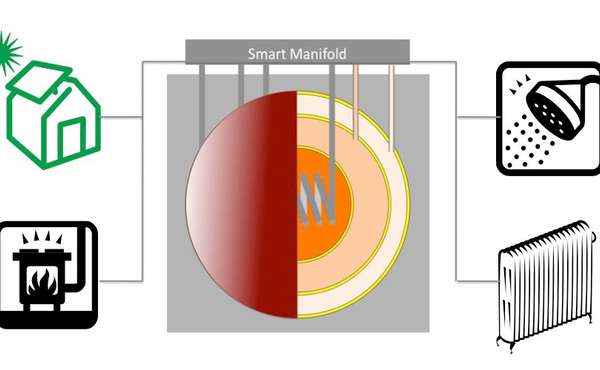
A thermal battery might be a highly insulated water tank or a phase-change material that stores energy as heat. Since domestic hot water and space heating often account for over 50 percent of a home's energy use, storing heat can be just as valuable as storing electricity.
Comparing storage densities
Electrical batteries provide high versatility, allowing you to run any appliance in the house. However, thermal storage systems are often more durable and can last for decades without the degradation seen in chemical batteries. A well-insulated 80 gallon (300 liter) water tank can store a significant amount of energy that can be charged up by a heat pump during the sunniest part of the day.
Smart grid interaction: avoiding peak rates and time of use charges
Many utilities are moving toward Time-of-Use (TOU) pricing, where electricity costs significantly more during peak hours - typically late afternoon and early evening. By using smart controls, a home can be pre-heated or cooled during off-peak hours using cheap solar power or low-cost grid energy. This strategy, known as load shifting, allows you to coast through the expensive peak periods without drawing from the grid.
Net metering and virtual power plants: feeding the grid to zero out your bill
In the evolving energy landscape, homes are becoming active participants in the grid. Virtual Power Plants (VPPs) are networks of home batteries that the utility can tap into during times of extreme demand. By participating in a VPP, homeowners can receive direct payments or increased credits for allowing the utility to use a small portion of their stored energy. This turns a home from a passive consumer into a revenue-generating asset.
Energy resilience: future-proofing with backup and storage
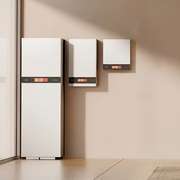
Resilience is the ability of a home to maintain critical functions during a multi-day power outage. A grid-tied solar system without a battery will typically shut down during an outage for safety reasons. Adding a small home battery backup ensures that even if the grid goes down, your heat pump, refrigerator, and well pump keep running. This combination of 'generation plus storage' provides peace of mind that no utility-scale solution can match. Learn more here in our power outage emergency preparedness guide.
In brief
The path to a net-zero or net-positive home starts with a superior building envelope to reduce demand. Once the load is minimized, solar PV arrays generate the necessary power, which is then managed through heat pumps, thermal mass, and electrical batteries.
By strategically timing energy use to avoid peak rates and utilizing net metering or VPP programs, you can effectively zero out energy costs while contributing to a more stable and sustainable electrical grid.
Now that you know more about energy synergy, find more info about sustainable home technology & green building techniques in the Ecohome Green Building Guide and these pages below:
-
The definitive guide to air source heat pumps
-
The latest and best home batteries - Lithium Ion vs Lithium
-
Can you heat a home with only solar panels? Off grid heating guide
-
10 questions to ask a solar installer before signing a contract



Comments (0)
Sign Up to Comment