










Homeowners and builders who want sustainable renovations have a new certified option for kitchen surfaces. Formica Corporation announced that its high-pressure laminate (HPL) and Compact products have earned the USDA Certified Biobased Product Label. This confirms they contain a significant portion of renewable biological ingredients.
The countertop market has been dominated by heavy stone and engineered composites for decades. But awareness is growing regarding the health risks associated with high-silica quartz countertops. Designers are worried about the dangers of silicosis for workers and are seeking safer, lower-impact alternatives. This new certification positions Formica as a scientifically verified choice for eco-conscious construction.
Here we break down what the USDA label means, why biobased content matters for a healthy home, and how modern laminates compare to other surface materials.
This guide provides a comprehensive look at the key aspects of this topic. Below is an overview of the sections we will cover, allowing you to jump directly to the information you need.
- Understanding USDA Biobased Certification
- Formica's new sustainability specs
- Comparing health risks: Quartz vs. Biobased Laminate
- Designing a non-toxic kitchen
Understanding USDA Biobased Certification
The USDA Certified Biobased Product Label is a voluntary verification. It displays the portion of a product derived from renewable sources. Instead of relying on non-renewable petroleum-based chemicals, biobased products use ingredients from forestry feedstocks, plants, or other biological sources.
Third-party testing must verify the content for a product to earn this label. This program was designed to spur economic development in the bioeconomy. It also provides transparency for federal buyers and consumers looking to 'buy green' without falling victim to greenwashing.
Vernell Thompson of the USDA BioPreferred Program emphasized this benefit, noting that the label helps consumers locate planet-friendlier options. He stated that by earning this certification, Formica is "joining an expanding list of businesses combatting inaccurate marketing claims and the practice of greenwashing, while also contributing to a thriving bioeconomy that decreases our reliance on petroleum".
Formica's new sustainability specs
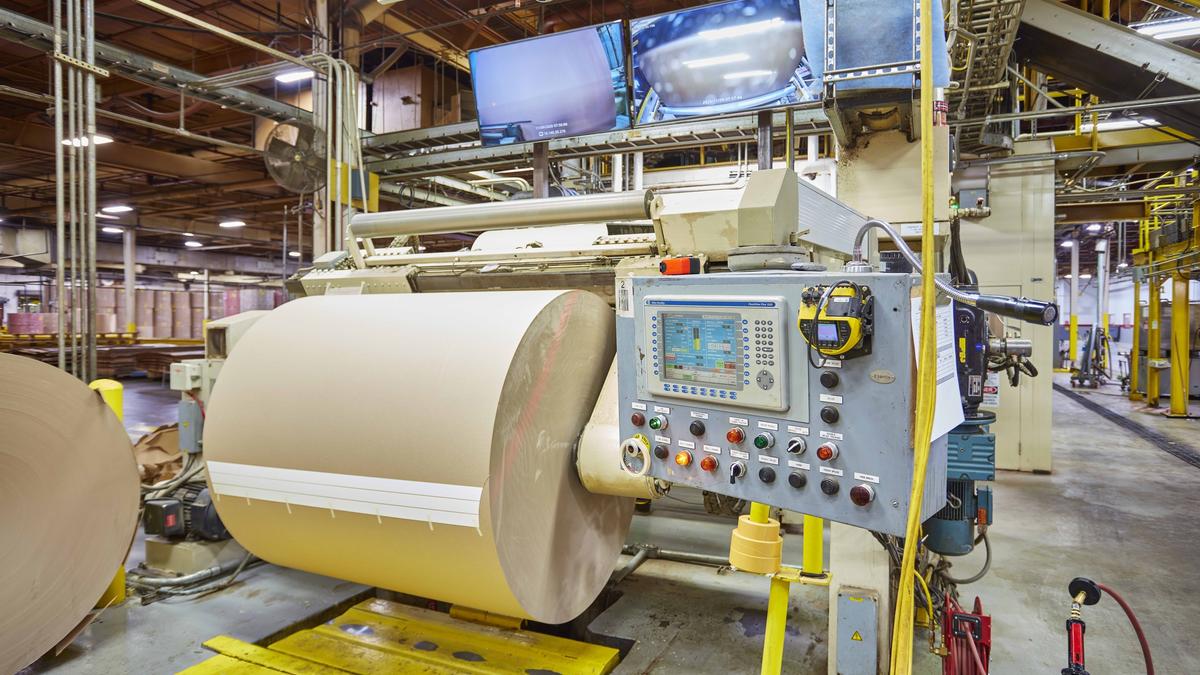
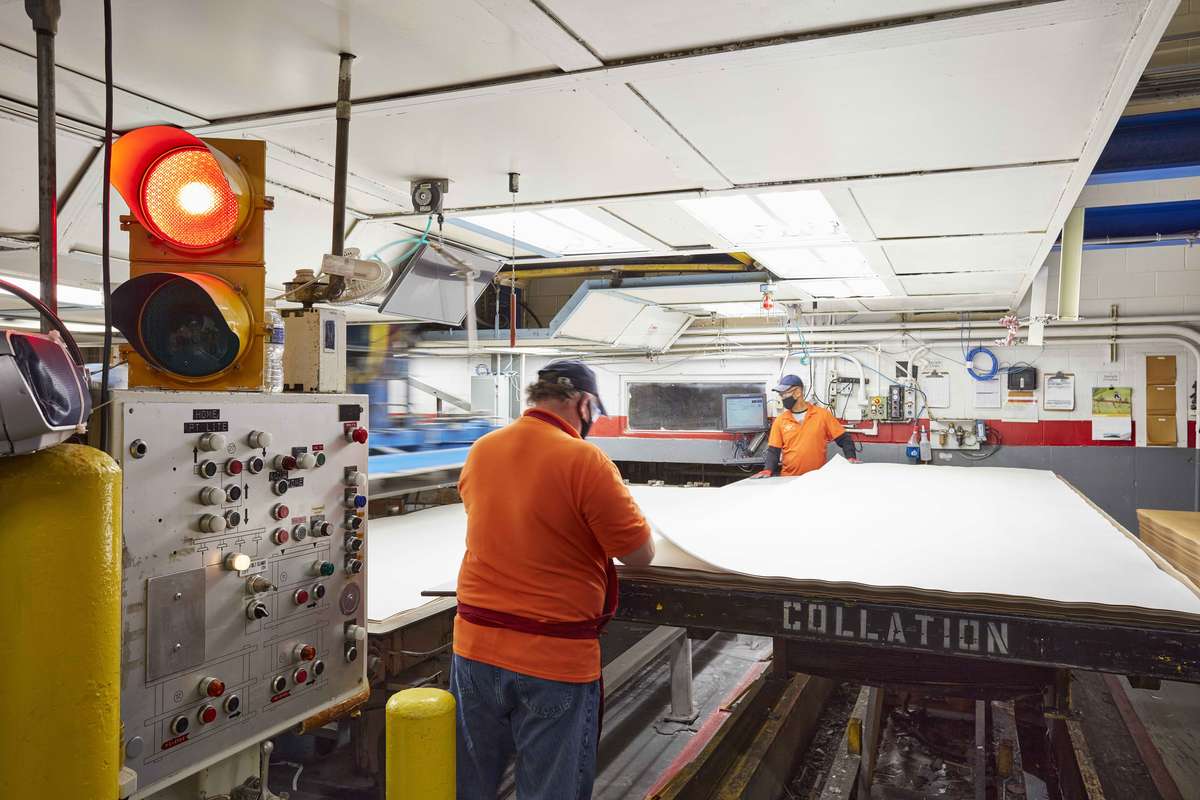
Formica’s flagship high-pressure laminate (HPL) and Compact products are manufactured in their Canadian and US facilities. They have achieved a verified 72% biobased content level. This is currently the highest certified level among leading HPL manufacturers.
Key certification details
- Content Level: 72% Biobased (verified by USDA BioPreferred® Program).
- Material Source: Primarily forestry feedstocks (kraft paper layers) and renewable resins.
- Product Coverage: The certification applies to all Formica Brand Laminate and Compact products made in North America.
- Performance: The biobased composition does not alter the durability, scratch resistance, or design appeal the brand is known for.
Christelle Locat-Rainville is the Marketing Manager for Formica Canada. She stated that this certification reflects the company's "ongoing commitment to responsible innovation and sustainable development". It offers consumers surfaces that are "beautiful, high-performing, and environmentally responsible".
Comparing health risks: Quartz vs. Biobased Laminate
The shift toward biobased laminates comes at a critical time, as the safety of engineered stone is currently under heavy scrutiny. Quartz countertops have been popular for their durability. However, they are composed of crushed stone bound by resins and often contain over 90% crystalline silica.
When cut or polished, quartz releases microscopic silica dust. This has led to a global rise in silicosis among fabricators. Silicosis is an incurable lung disease. In contrast, high-pressure laminates like those from Formica Group consist largely of paper layers and resin. They do not carry the same heavy carbon footprint associated with mining and shipping heavy stone slabs.
They also do not pose the same severe occupational health risks during fabrication - and especially when that mining and fabrication is often carried out by socioeconomically disadvantaged sectors of the labor market.
Biobased products are not just safer for the environment. They are cost-comparative and readily available. This makes them a logical choice for budget-conscious and health-focused renovations.
Designing a non-toxic kitchen
Choosing a countertop is just one step in creating a healthy home environment. You can maximize the benefits of a biobased worktop by pairing it with other low-toxicity materials. This reduces the overall VOCs (Volatile Organic Compound) in your home.
- Cabinetry: Look for formaldehyde-free kitchen cabinets to ensure that the storage beneath your counter isn't off-gassing harmful chemicals.
- Layout: Plan your eco-friendly kitchen design to minimize waste. Laminates are lighter and easier to transport than stone. This further reduces the embodied carbon of your renovation.
- Adhesives: Ensure that the glues used to bond the laminate to the substrate are also low-VOC to maintain healthy indoor air quality.
Now that you know about biobased laminate options, find more info about sustainable kitchen materials in the Ecohome Healthy Materials Guide and these pages below:
-
The guide to choosing safe and sustainable countertops (and avoiding quartz)
-
Formaldehyde-free kitchen cabinets and non-toxic joinery
-
Design ideas for durable kitchens and bathrooms
-
Clever kitchen design tips to maximize space and convenience








Comments (0)
Sign Up to Comment