





Green roofs: a homeowner's & pro's guide
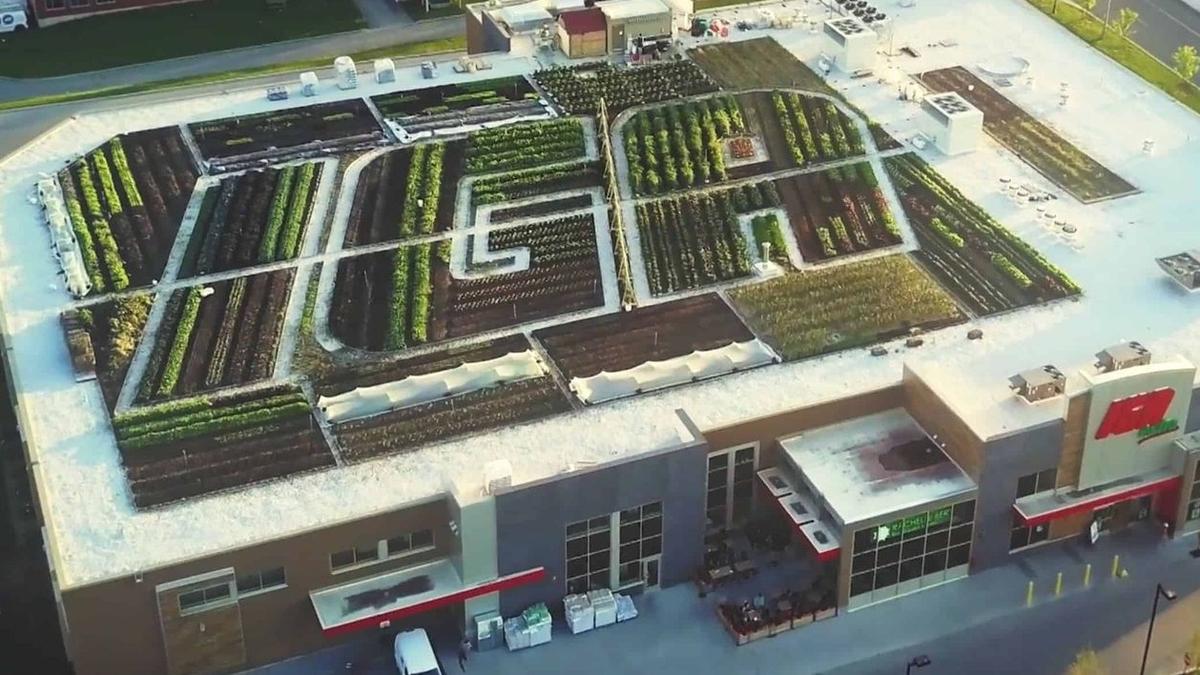
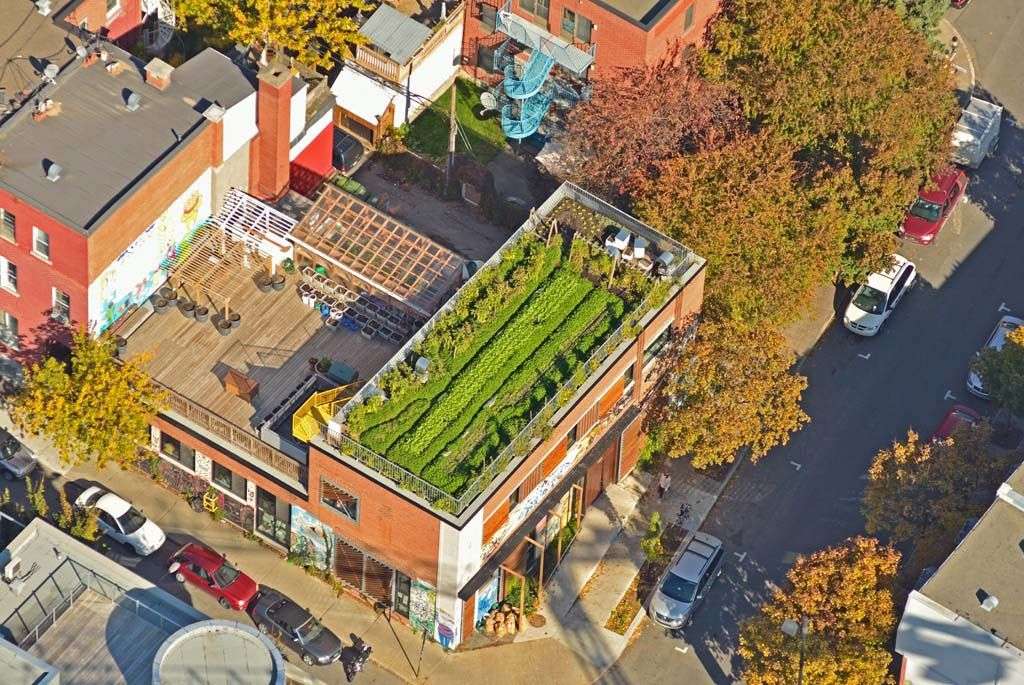
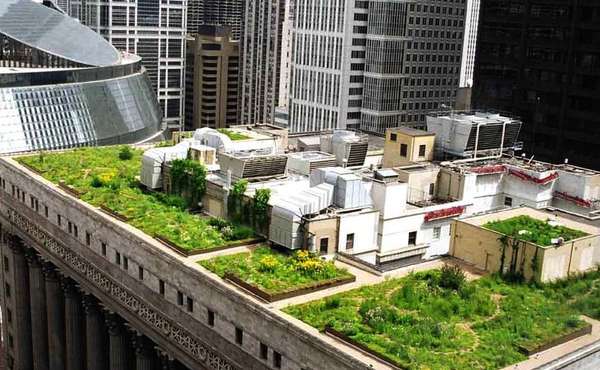
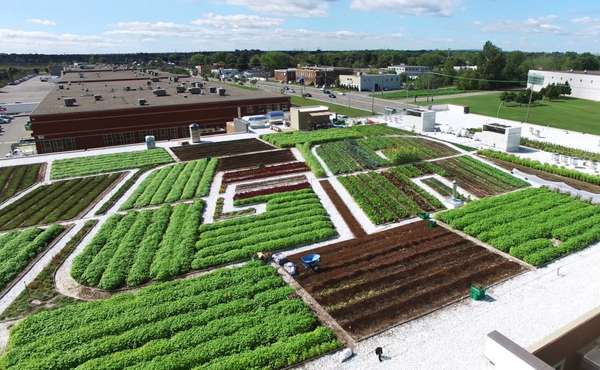
Green roofs are gaining popularity as a key sustainable solution for modern cities. While they are celebrated for reducing the urban heat island effect, improving air quality, and managing stormwater runoff, new research has revealed another, unexpected benefit: they are highly effective at capturing airborne microplastics. This breakthrough positions green roofs as a crucial tool in the global fight against plastic pollution.

This guide provides a comprehensive look at the key aspects of this topic. Below is an overview of the sections we will cover, allowing you to jump directly to the information you need.
- What are microplastics?
- How do microplastics affect human health?
- How do microplastics affect the environment?
- Green roofs are a microplastic magnet
- A city-wide pollution solution
- Optimizing green roofs for a cleaner future
What are microplastics?
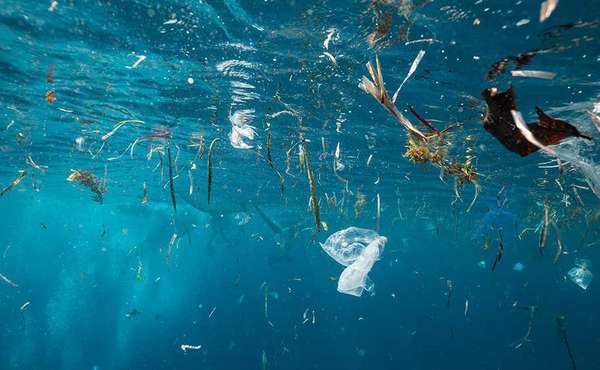
Microplastics are tiny plastic particles, typically less than five millimeters in length. They are not only a result of larger plastics breaking down but are also intentionally manufactured for products like cosmetics or released from the abrasion of car tires and synthetic fabrics in clothing. These persistent pollutants are now found in virtually every corner of the planet, from remote polar regions to the most densely populated cities.
How do microplastics affect human health?
The potential impact of microplastics on human health is a growing area of scientific inquiry. We are exposed to these particles through the air we breathe and the food and water we consume. Recent studies have detected microplastics in human blood, lungs, and even the placenta, prompting serious concern about their long-term health effects. Research is underway to determine if microplastics can cause inflammation, transfer toxic chemicals, or act as carriers for other pollutants, which could have significant implications for our well-being.
How do microplastics affect the environment?
The environmental damage caused by microplastics is widespread. In aquatic ecosystems, marine life from plankton to whales can ingest microplastics, leading to digestive blockages and starvation. On land, microplastics can alter soil composition, impacting plant growth and the health of soil-dwelling organisms. Furthermore, they can transport other toxins and pathogens, magnifying their harmful effects. The widespread presence of these particles underscores a critical need for effective pollution control measures.
Green roofs are a microplastic magnet
Recent studies have provided compelling data on the effectiveness of green roofs in combating microplastic pollution. Researchers found that these nature-based solutions act as a powerful filter for microplastics carried by rainwater. The results of one study were astounding, showing that green roofs removed more than 97.5% of deposited microplastics. This high efficiency makes them one of the most promising urban environmental solutions for this problem.
The incredible capture rate is a result of the green roof's unique design:
-
The soil layer
This is the primary hero of the story. The soil's porous structure acts as a natural sieve, trapping microplastics as water filters through. It was found to be the most effective component, retaining between 66.2% and 92.2% of all captured particles.
-
Vegetation
Plants also play a role. Their leaves and stems provide surfaces for particles to stick to. Plants with denser foliage were particularly effective, with one species capturing 24.4% of microplastics compared to another that captured only 9.1%.
-
Particle shape
The shape of the microplastics also influenced their capture. Fragments were found to be more easily trapped than fibers, with removal rates of over 98.5% for fragments versus 97.0% for fibers. The elongated shape of fibers allows them to slip through smaller gaps in the soil, making them a more elusive pollutant.
A city-wide pollution solution
When scaled up, the positive environmental impact green roofs could provide on microplastic pollution reducution is nothing short of astounding. In Shanghai, China, which currently has over 3.56 million square meters of green roofs, researchers estimate that these existing roofs could intercept over 56.2 tonnes of microplastics annually.
To put this in perspective, this is more than one and a half times the amount of microplastics that enter the city's waterways from domestic wastewater. This data powerfully demonstrates how green infrastructure can be leveraged to address large-scale pollution challenges.
Optimizing green roofs for a cleaner future
While the findings are incredibly promising, they also highlight areas for improvement. The study found that some plastic components used in green roof construction can degrade over time, potentially releasing new microplastics.
To ensure long-term sustainability, eco-friendly green roofing materials should be prioritized. Researchers also suggest that periodic maintenance or the use of natural bio-remediation methods, such as introducing worms that can ingest microplastics, could help maintain the roof's efficiency over time.
Ultimately, the article's insights show that green roofs are a multifaceted tool for building resilient cities and creating a healthier planet. By investing in these living systems, we can make significant strides in combating urban pollution and ensuring a cleaner, more sustainable future for everyone.
In brief
Green roofs are a powerful and surprising solution to the growing problem of microplastic pollution. Studies show they can capture over 97.5% of microplastics from rainwater, making them an effective form of green infrastructure for cities.
Their primary filtration mechanism is the soil layer, which acts as a sieve for particles. Beyond their aesthetic and energy-saving benefits, green roofs are a vital tool for creating healthier, more resilient urban environments.
Now that you know more about green roofs, find more info about green roofing materials & green building techniques in the Ecohome Green Building Guide and these pages below:
-
DIY green roof installation video guide on a LEED Platinum home
-
The key to success for living green roofs in urban areas
-
Which is better - metal roofing or asphalt roofing shingles?
-
Turning waste plastic into useable fuel
Sign up now and reap the benefits of a free Ecohome Network Membership!














Comments (0)
Sign Up to Comment