

Urban heat island effect and how to mitigate it
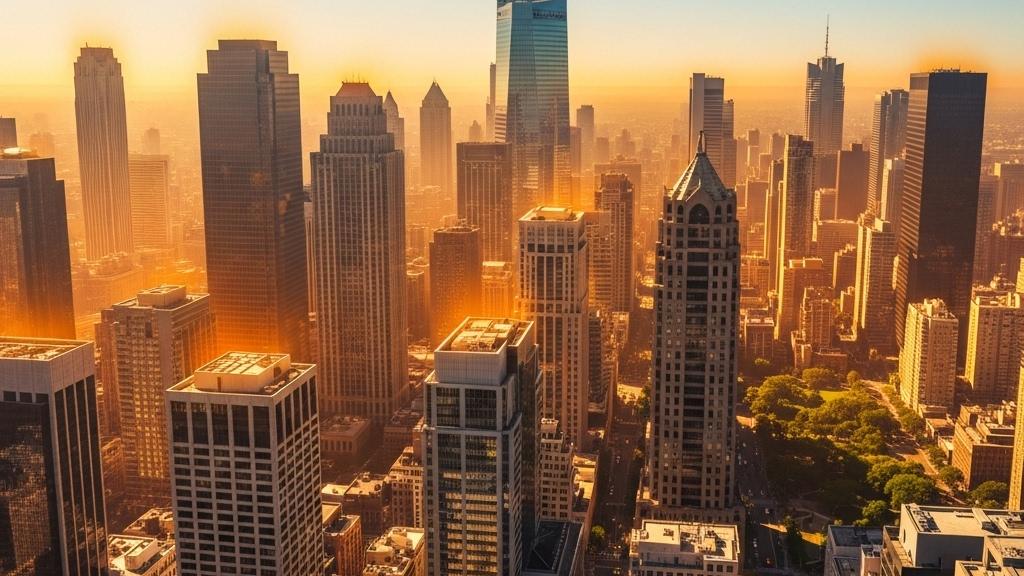
Have you ever noticed how much hotter it feels in the city on a sweltering summer day compared to the surrounding countryside? This phenomenon is known as the urban heat island effect, and it has significant impacts on human health, energy consumption, and the environment.
It's no secret to anyone that heat waves are worse in this age than decades ago, due to the warming of the planet. The problem is worse in urban cores, for a few pretty obvious reasons when you think about it.
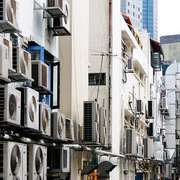
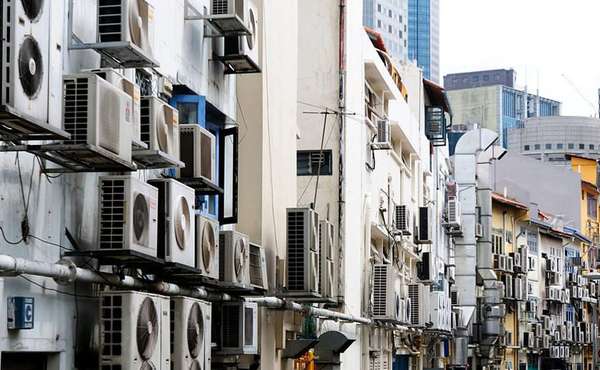
Concrete and pavement absorb heat, there is a lot of that in the city. Trees help cool the surrounding air, and there are fewer of those in the city. Most homes in the developed world have air conditioning, and as air conditioners run they eject heat into the surrounding outside air making the temperature soar.
There are home design features that can be surprisingly effective at reducing the amount of heat that your home absorbs from solar radiation, as well as landscaping strategies that will keep the exterior of your home cooler which we will go over in this guide.
This guide will explain the causes of heat islands and provide practical, low-energy solutions for both homeowners and building professionals. We'll explore green building principles and landscaping strategies to help you make your home and community healthier, more sustainable, and more comfortable.

This guide provides a comprehensive look at the key aspects of this topic. Below is an overview of the sections we will cover, allowing you to jump directly to the information you need.
- What is the urban heat island effect?
- How building materials create heat islands
- Low-energy strategies for your home and yard
- Community-wide green building solutions
- Government initiatives and incentives
- Our conclusions on the heat island effect
What is the urban heat island effect?
The urban heat island (UHI) effect occurs when metropolitan areas become significantly warmer than their rural surroundings. This temperature difference is most noticeable at night and during the summer.
And we aren't talking about small differences either. Studies by the US Environmental Protection Agency (EPA) have shown that summer daytime temperatures in urban areas can be 1-7°C (2-12°F) higher than in surrounding non-urban areas.
Nighttime temperatures can be even more extreme, with a difference of up to 12°C (22°F). The UHI effect is primarily caused by changes in land surfaces, as well as the heat generated from energy use in buildings and vehicles.

How building materials create heat islands
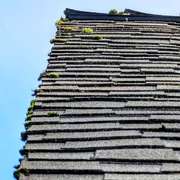
A key factor in the UHI effect is the type of materials used in construction. Concrete, asphalt, brick, and dark roofing materials absorb and store a large amount of solar radiation during the day.
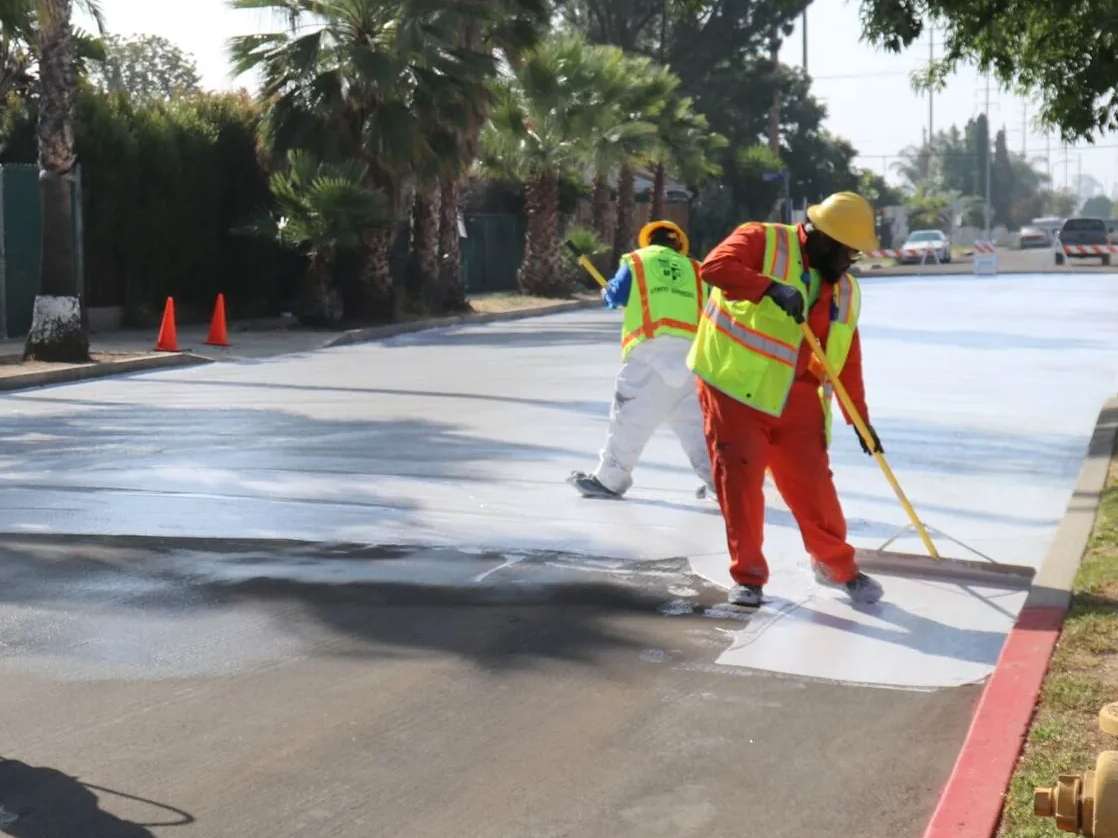
This is due to their low albedo, a scientific term that describes how much light a surface reflects. Materials with low albedo such as dark asphalt will absorb a lot more solar energy, while high-albedo materials such as a light-coloured roof, will reflect more of it. Once the sun goes down and the air begins to cool, that stored heat is then slowly released into the atmosphere, drastically slowing the ability of cities to cool.
Additionally, the lack of vegetation in cities means there is less moisture to evaporate, a process known as evapotranspiration, which naturally cools the air. The unfortunate reality that cities are a landscape of concrete and pavement surrounded by blasting air conditioners can make an unbearable situation fatal in many cases. And this problem is going to get worse, so its smart to get ahead of it anytime you are making exterior home or landscaping changes.
Low-energy strategies for your home and yard
Combating the heat island effect falls under the umbrella of passive design principles. By focusing on your home's exterior envelope and surrounding landscape, you can significantly reduce heat absorption, lower your energy bills, and create a more comfortable environment with little to no active energy use.
Cool roofs
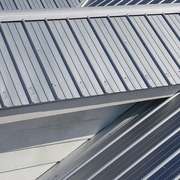
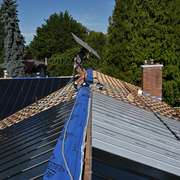
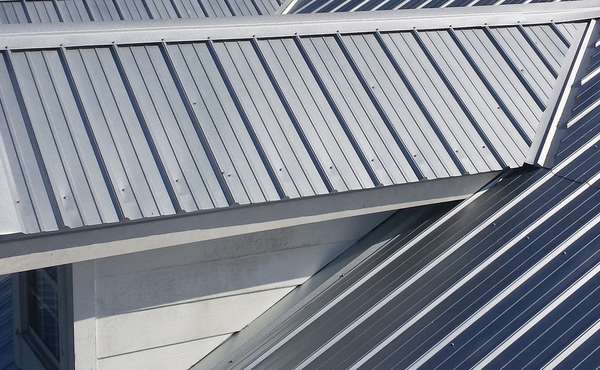
A cool roof is one that is designed to reflect more sunlight and absorb less heat than a standard roof. This is achieved through highly-reflective paint and light-colored roof coverings. See here for guidance choosing the best roof covering.
Warm air rises, but heat radiates in all directions. So a light-colored reflective roof can reduce roof surface temperatures by 20°C (35°F) or more, which translates into a cooler attic and less heat transferred into the living space below. As someone who lives under a black tin roof, I can attest to this. When I chose my black metal roof 20 years ago, absorbing unwanted heat was not on my radar unfortunately, as a more reflective surface would be nice right about now.
Green roofs
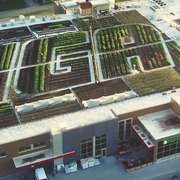
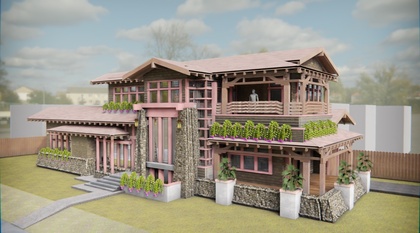
A green roof, or living roof, is a layer of vegetation planted over a waterproofing membrane. This solution provides superior thermal insulation and cooling benefits. The plants and soil absorb solar energy for photosynthesis and release moisture through evapotranspiration, providing a natural cooling effect.
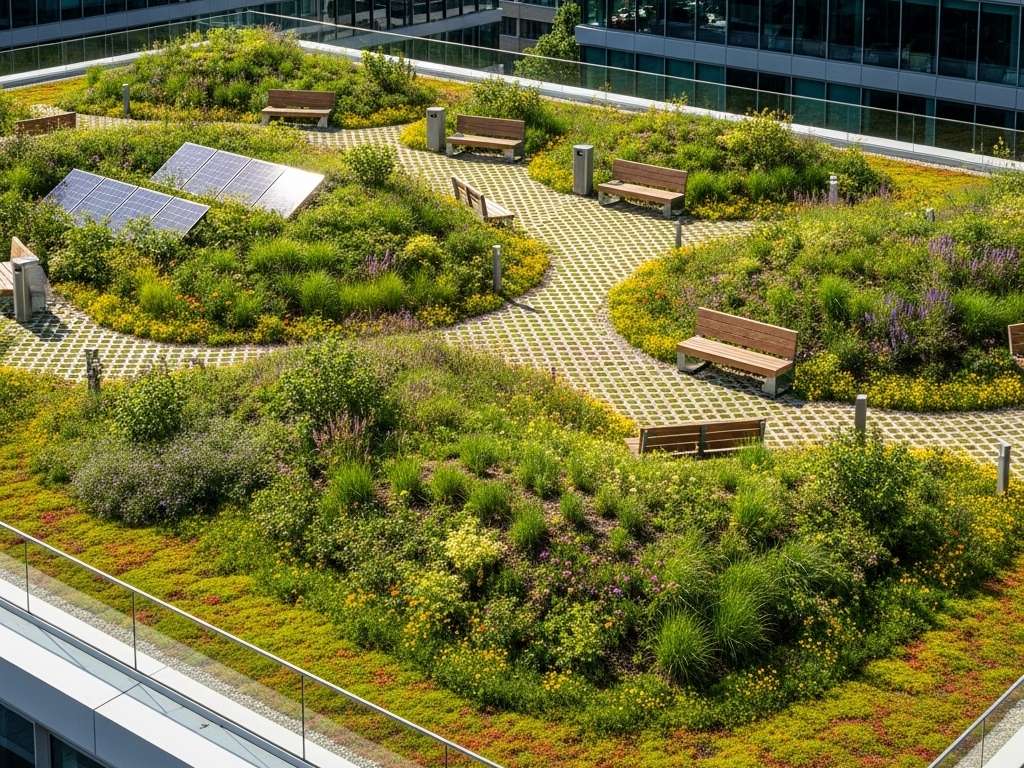
Green roofs can also help with stormwater management and provide habitat for local fauna. You can find more information about the types and benefits of these systems in our DIY green roof installation video.
The strategic placement of trees is an effective way to mitigate heat gain. A deciduous tree planted on the south side of a building (or north side in the southern hemisphere) can shade the roof and walls in the summer, while allowing sunlight to warm the home in the winter. Passive heating and cooling strategies can reduce energy bills in summer and winter.
Shading laneways and walkways to reduce heat absorption
Choosing light-colored reflective laneway and walkway surfaces is a great first step, and for additional cooling it is helpful to plant vegetation that will shade them as well.
Shrubs, vines, and ground cover also help cool the air through evapotranspiration. They may not offer a ton of shade depending on their height, but all vegetation will help with cooling the surrounding area.
Permeable pavers and grass pavers
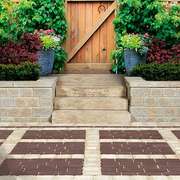
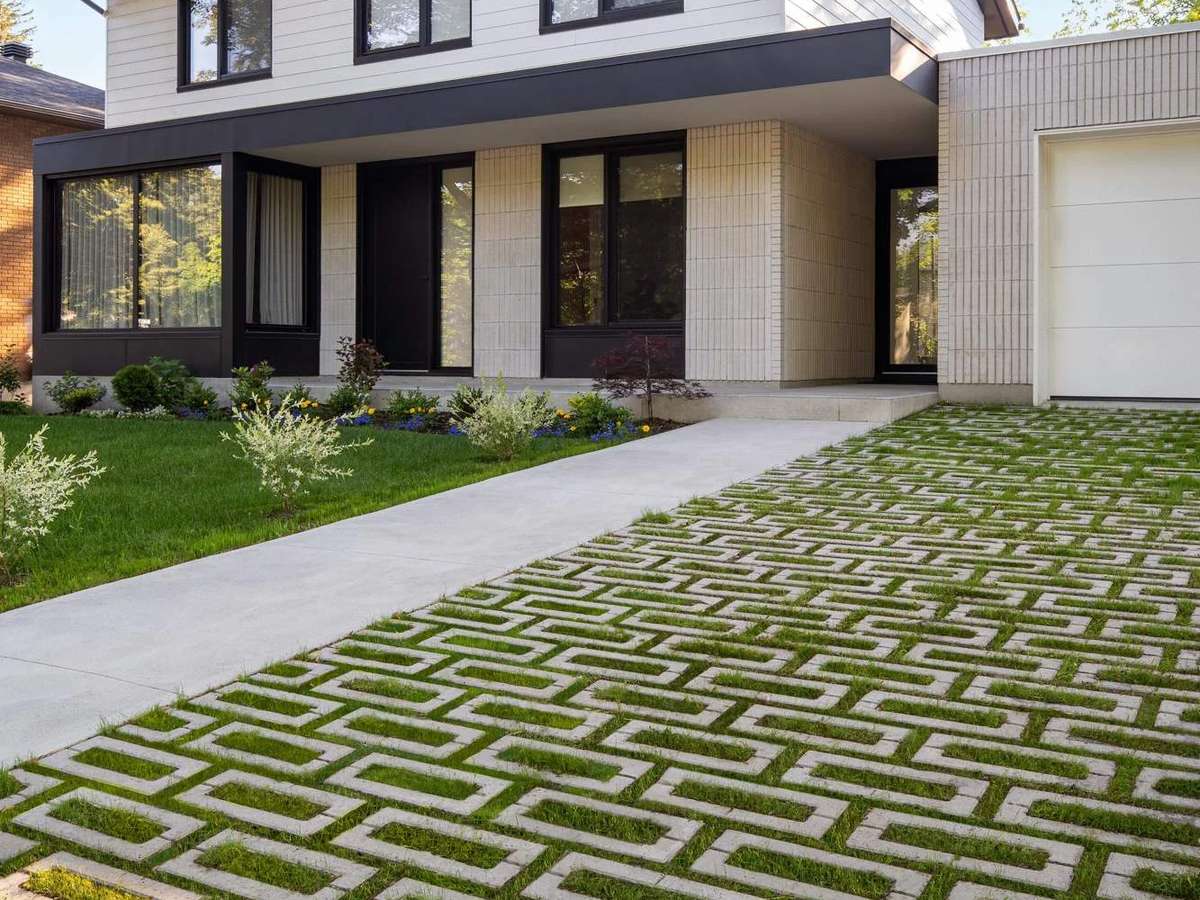
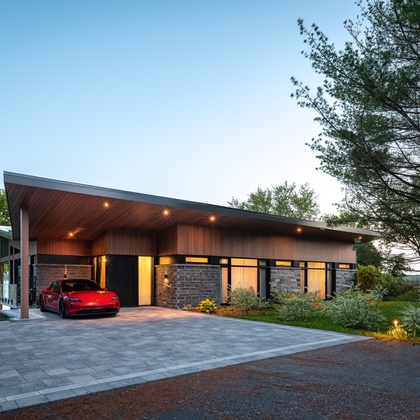
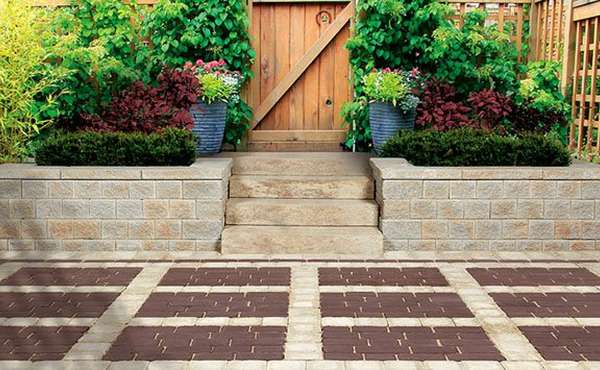
Permeable patios, laneways and paver stones offer a lot in terms of reducing the effect of urbanization. Permeable surfaces allow water to soak into the ground, and some types of stones like the grass pavers pictured below, have the effect of offering a vegetative yet solid surface for walking or parking cars.
Community-wide green building solutions
The UHI effect is a community-wide challenge, and design professionals can play a critical role in addressing it through large-scale solutions. Adopting passive cooling strategies will help our immediate wellbeing, but they contribute to the greater good by helping keep urban cores cooler.
Not every home has air conditioning, and as climate change worsens, AC will only contribute to the problem. So passive cooling strategies need to be at the forefront of global building design.
The following strategies apply to urban planners, hardscapers, architects, and building professionals:
Permeable pavements and surfaces
Traditional asphalt and concrete surfaces absorb heat, but they also prevent water from soaking into the ground. Permeable pavements - which can include pavers, concrete, or asphalt - allow rainwater to pass through to the soil below.
This allows the ground to cool naturally and provides a path for water to evaporate, adding to the cooling effect. A noteable effect of that is that cool rainwater will cool surfaces and the heat drains away with the water. You can read more here about permeable landscaping and stormwater management.
Community-based tree planting
Large-scale tree planting in urban areas can create 'urban forests' that provide extensive shade and a collective cooling effect. A well-designed tree canopy can reduce surface temperatures by up to 10°C (18°F). Community and government-led tree planting programs can dramatically improve air quality, increase biodiversity, and enhance the overall health and aesthetics of a neighborhood.
Government initiatives and incentives
Governments and municipalities are increasingly recognizing the importance of mitigating the UHI effect. Many offer grants and incentive programs to encourage both homeowners and developers to adopt sustainable strategies. Reflective roof surfaces will also earn points in rating systems such as LEED for Homes.
In North America, programs exist in places like Toronto, New York, and Vancouver that offer rebates for the installation of cool or green roofs. In the UK and Australia, similar programs and grants may be available for sustainable urban drainage systems (SUDS) and tree planting initiatives.
Building professionals should be aware of these regional programs as they can help reduce project costs and provide an additional selling point for clients.
Our conclusions on the heat island effect
The urban heat island effect is a major challenge for modern cities, but it can be effectively mitigated with thoughtful design and material choices. By implementing solutions like cool roofs, green roofs, and strategic landscaping, homeowners can make their properties more comfortable and energy-efficient.
Professionals can contribute to a larger impact through the use of permeable pavements and community-scale greening projects. Many of these low-energy solutions not only help cool the environment but also offer additional benefits like improved stormwater management and enhanced biodiversity.
Now that you know more about the urban heat island effect, find more info about sustainable site management and green building techniques in the Ecohome Green Building Guide and these pages below:
-
How to keep a home cool without AC
-
All you need to know about green roofs - the benefits and how to build them
-
Passive heating and cooling design principles and building techniques
-
How to make homes airtight for greater energy efficiency and durability









Comments (0)
Sign Up to Comment