



Building integrated photovoltaics: a homeowner's and pro's guide
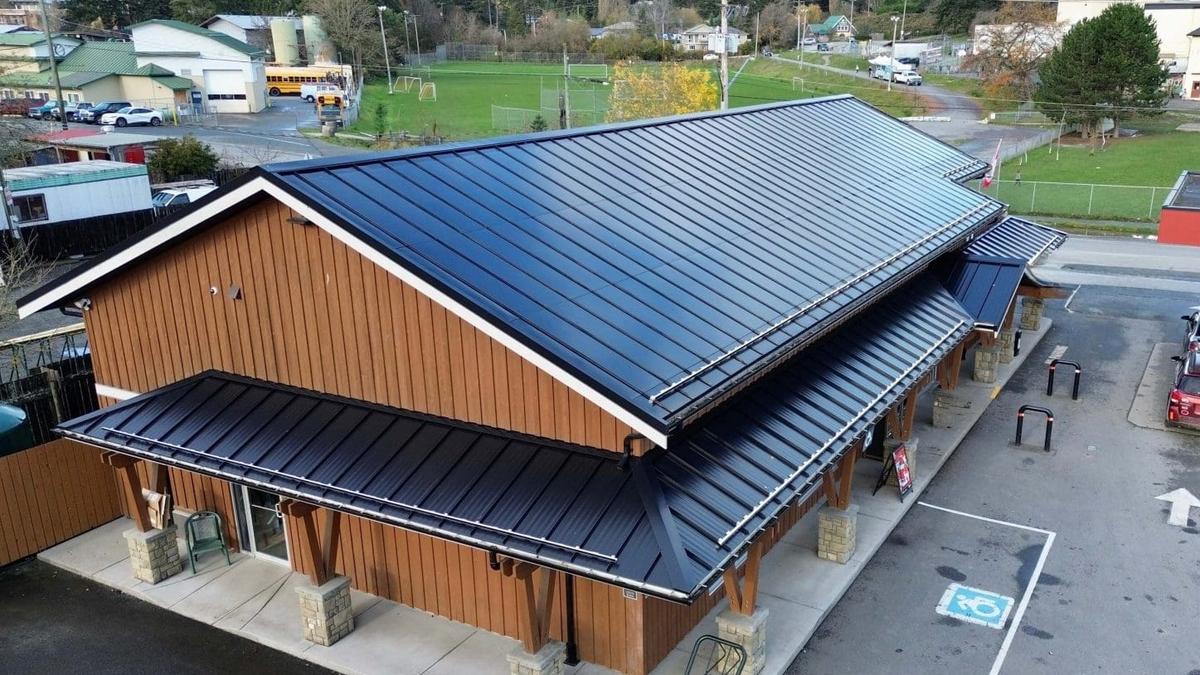
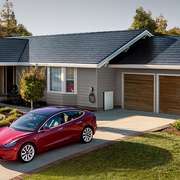
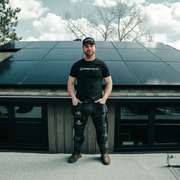
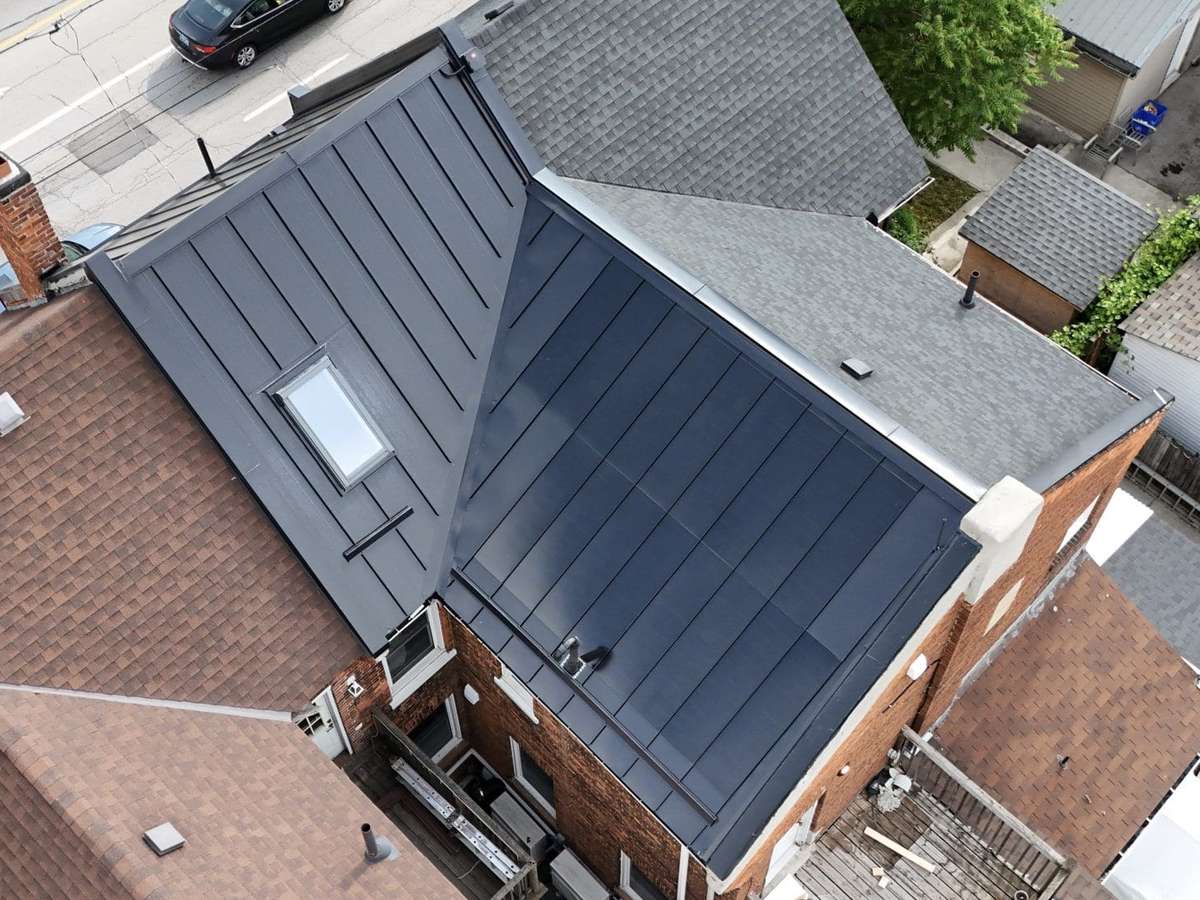
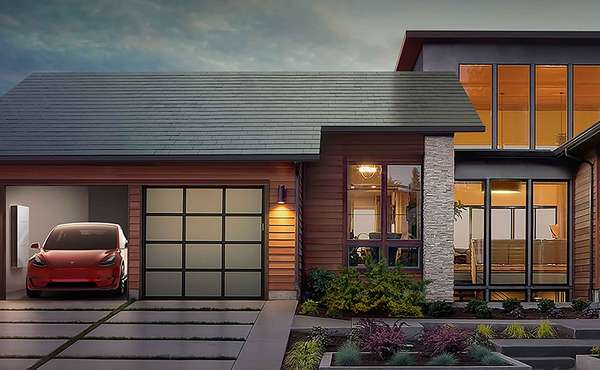
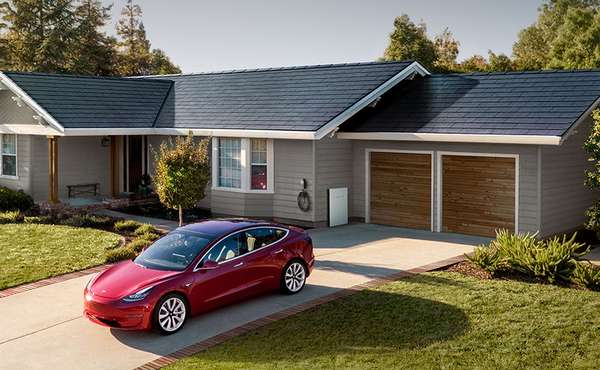
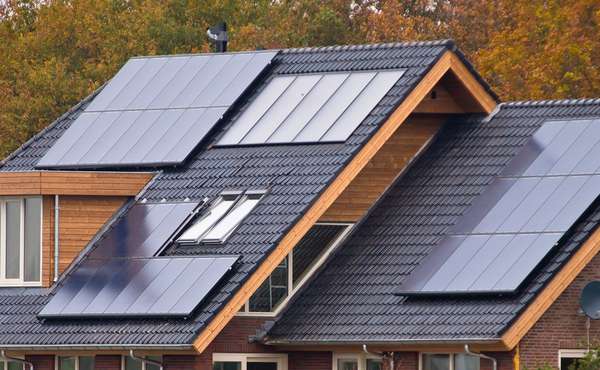
Building-integrated photovoltaics (BIPV) represent a significant evolution in residential renewable energy, transforming rooftop home solar technology from an additive component to a core building material. Meaning - the image you see above is not a standard metal roof, it is a power generating solar collector.
Replacing standard roofing materials with electricity-generating alternatives offers a dual-purpose solution - keeping the weather out while generating clean power. This two-for-one solution has embedded savings as a single integrated system.
- Understanding building integrated photovoltaics (BIPV)
- Solar shingles vs. traditional solar panels: Which is actually better?
- Can you install solar shingles on an existing roof, or do you need a full replacement?
- What about sides of the roof that have no solar exposure?
- System reliability and performance
- Can any roofing contractor install BIPV, or do you need a specialist?
- What happens to a solar roof if one shingle gets damaged?
- Energy contribution: how much power can it provide?
- Durability and long-term maintenance
- Return on investment and financial viability
- Are there any specific grants or tax credits for building-integrated solar?
- In brief
Understanding bilding integrated photovoltaics (BIPV)
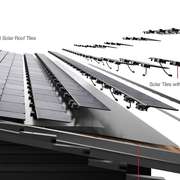
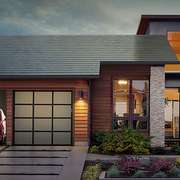
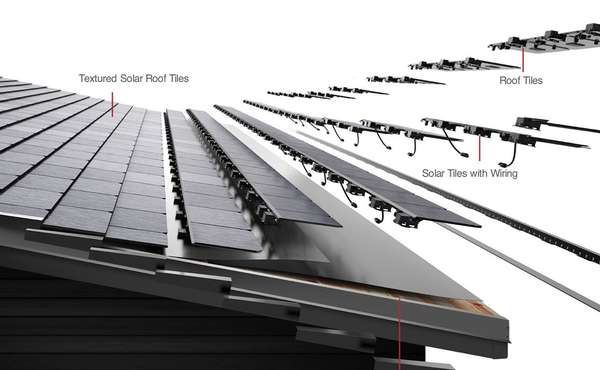
Unlike conventional rack-mounted solar arrays that sit on top of an existing roof surface, BIPV elements are designed into the actual structure of the home. The most common residential system would be solar shingles or tiles, which blend into standard rooflines a lot more than standard solar panels. The added appeal of a sleek looking roof takes aesthetics out of the equation as a reason not to do it.
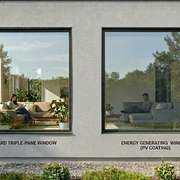
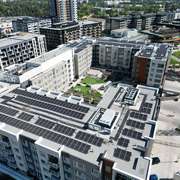
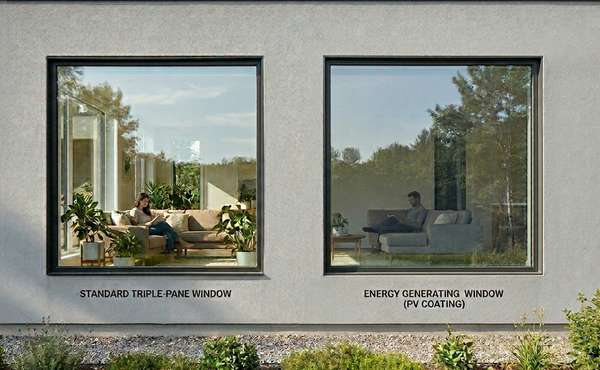
BIPV technology is a word you're likely going to start hear more of, as the available product range is beyond just the roof deck. Innovative products now include photovoltaic facades, BIPV solar windows, and custom solar awnings.
The very notion of BIPV home components such as windows and roof coverings will likely be a game changer for achieving energy independence and Net Zero home performance. By incorporating solar cells into vertical cladding or transparent glazing, architects can improve the performance of a home while still offering their clients a more traditional looking home and roof.
Solar shingles vs. traditional solar panels: Which is actually better?
Looking only at power output by size, traditional rack-mounted panels are generally more efficient, often exceeding 21%. In comparison, BIPV roofs typically offer a performance range between 14% and 18% efficiency.
When we talk about an efficiency percentage like 21%, that means the solar cells successfully convert 21% of the sunlight hitting them into usable household electricity, while the remaining 79% is lost as heat or reflected away.
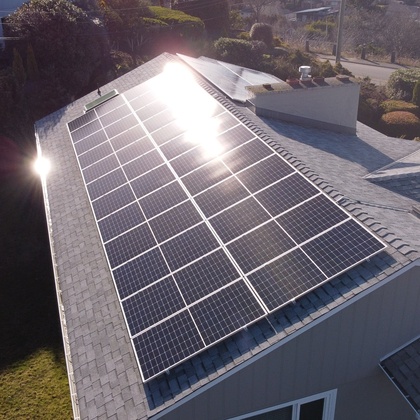
A big factor that affects performance is ventilation, as the efficiency of PV solar panels falls off when they reach very hot temperatures. Traditional solar panels stand proud of the roof covering by a few inches, which allows natural air flow underneath to keep them cool and maximize performance.
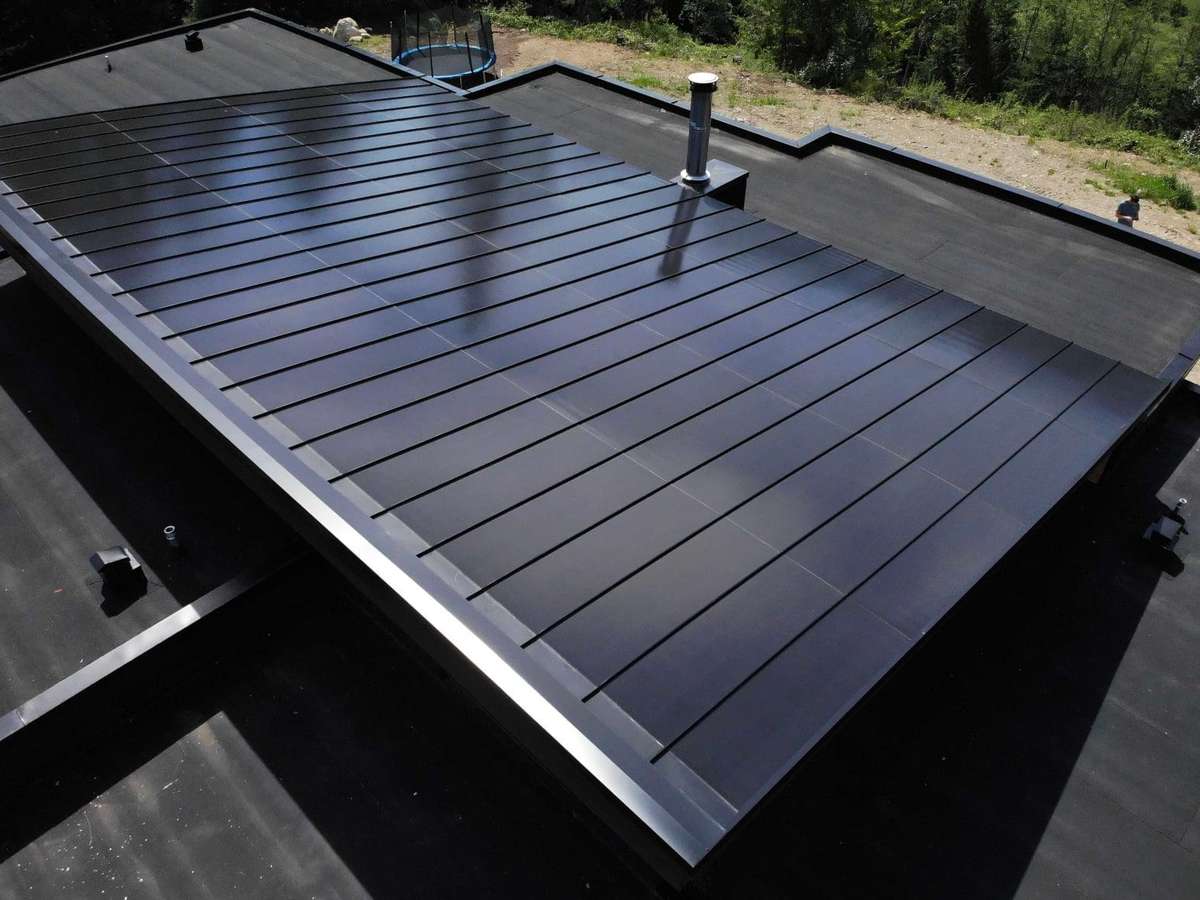
Because solar shingles and tiles sit flat on the roof, thermal management varies considerably between BIPV products. Some systems mount directly to the roof and can trap heat, while others, such as ADRA BIPV by Shift Energy Group, incorporate a ventilated air cavity beneath the modules. This improves cooling and provides space to run wires. Shift says they can produce closer to 20% efficiency, which is comparable to typical rooftop solar modules but also offers the appearance and functionality of a premium metal roof.
Can you install solar shingles on an existing roof, or do you need a full replacement?
Because building-integrated solar functions as your actual roof covering, it cannot be layered over an old roof. Stripping a perfectly good roof down prematurely rarely makes financial sense, so this is an easier choice for new homes and those already needing a new roof covering. If only one side of your roof gets good sun, you can install active solar tiles there. The shaded sides can then use matching, non-solar dummy panels to keep costs down.
Can any roofing contractor install BIPV, or do you need a specialist?
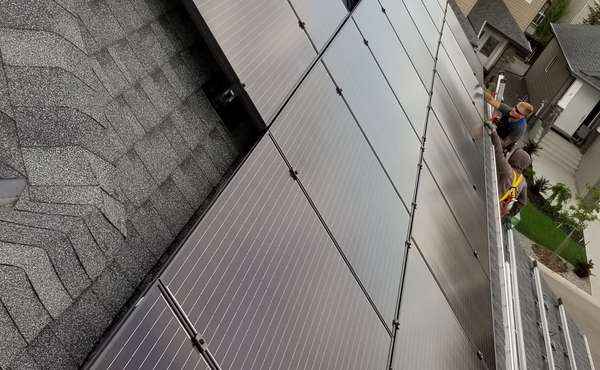
While modern solar shingles utilize simplified plug-and-play wiring, this is not a project for a standard roofing crew working alone. BIPV roofing requires an experienced team for a proper installation.
The physical panels must be laid down to ensure a completely watertight seal against severe weather. This part relies entirely on the roofer's expertise.
However, a licensed electrician must handle the final layout, string connections, and microinverters. Working with an accredited specialist ensures your roofing warranty remains intact.
What happens to a solar roof if one shingle gets damaged?
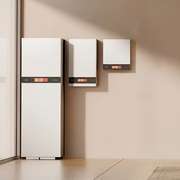
Homeowners often worry that a single cracked tile will bring down the entire system. Fortunately, modern residential solar roofs are designed with advanced bypass diodes and optimized electrical layouts, typically connecting to a central string inverter rather than individual microinverters underneath each tile.
This design ensures that if one shingle or module is compromised, the rest of the roof continues to generate power. A technician can then swap the individual damaged section without needing to tear up the surrounding roof.
How much power can a BIPV roof provide?
The total electrical output of a BIPV system depends strictly on the efficiency of the cells and the available surface area exposed to sunlight. Standard high-quality solar shingles have an efficiency rating ranging between 14% and 18%, which is slightly lower than premium standalone monocrystalline panels that often exceed 21% efficiency. This lower efficiency is primarily due to reduced airflow beneath the integrated tiles, causing them to run hotter during peak summer months.
Despite this slight efficiency premium for standard panels, a comprehensive solar roof installation can easily cover 60% to 100% of a standard household's annual energy needs. Because the integrated tiles can cover the entire roof expanse rather than a limited array footprint, you can compensate for the lower per-watt efficiency by installing a larger total generation area.
A typical installation providing a 5 kilowatt to 10 kilowatt capacity will comfortably power high-demand modern appliances, electric vehicle charging stations, and cold-climate heat pump systems.
Durability and long-term maintenance
From a durability perspective, high-end solar tiles outlast conventional roofing choices like asphalt shingles by decades. Premium options are constructed from tempered architectural glass or specialized quartz composites, which are designed to help homes withstand severe weather events.
These components carry substantial wind warranties up to 130 miles per hour (209 km/h) and top-tier Class 4 hail impact ratings, meaning they can survive impacts that would utterly destroy a standard roof finish.
Low-friction maintenance protocols
Maintenance requirements for BIPV systems are remarkably low because there are no exposed mechanical mounting racks or brackets where debris can collect. The flat, seamless profile allows winter snow and autumn leaves to slide off naturally during regular weather cycles. Regular maintenance is generally restricted to an annual visual check and a low-pressure wash with water if local conditions introduce heavy dust or pollution buildup that masks the glass surfaces.
Return on investment and financial viability
Evaluating the financial return of a BIPV system requires looking at the combined value of a premium roof replacement and a solar power installation. The upfront capital cost for an integrated solar roof is higher than installing a basic asphalt roof paired with standard bolt-on panels. However, when you compare the cost of roof coverings - asphalt, high-end slate, metal, or cedar roofing plus a traditional solar array, BIPV becomes financially competitive from day one.
The return on investment (ROI) timeframe generally lands between 10 and 15 years, depending heavily on local utility electricity rates, net-metering regulations, and regional solar tax incentives. Beyond direct monthly utility savings, the prolonged operational lifespan of 30 to 40 years means the system will continue to generate free electricity long after traditional asphalt roofing shingles would require a costly tear-off and replacement cycle. This long-term material stability adds quantifiable residual asset value to the home for future resale.
Are there any specific grants or tax credits for building-integrated solar?
In Canada, BIPV systems qualify for the exact same renewable energy incentives as traditional panels. The components simply need to carry Canadian electrical safety certifications and be installed by licensed solar installers. You can find applicable solar grants in our complete list of 2026 Canadian home energy rebates & tax credits. We have more detailed guidance here to find 2026 Ontario home solar rebates as well as 2026 Alberta home solar rebates here.
In brief
Building-integrated photovoltaics offer a seamless, aesthetically elegant way to achieve net-zero energy goals without altering the architectural profile of a home. While upfront installation costs remain a premium hurdle, the combined benefits of a structural weather barrier, exceptional hail and wind durability, and decades of independent electricity generation make BIPV a compelling choice for forward-thinking homeowners and sustainable building professionals alike.
Now that you know more about building integrated photovoltaics, find more info about solar power and green building techniques in the Ecohome Green Building Guide and these pages below:
-
What solar and heat pump rebate programs are available in Canada for 2026?
-
What solar and heat pump rebate programs are available in the US for 2026?
-
The top 10 questions to ask a solar installer before choosing a system
-
Solar tracker stands or fixed rooftop mounted solar, which is best?



Comments (0)
Sign Up to Comment