








The definitive guide to cleaning & treating asphalt shingle roofs
As asphalt shingles are North America's most popular roofing material choice (though far from being the most sustainable option) knowing how to properly clean them is the key to making them last longer. Treating asphalt shingle roofs is essential for any homeowner looking to protect their investment and minimize the environmental impact by extending the lifespan.
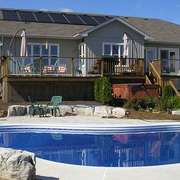
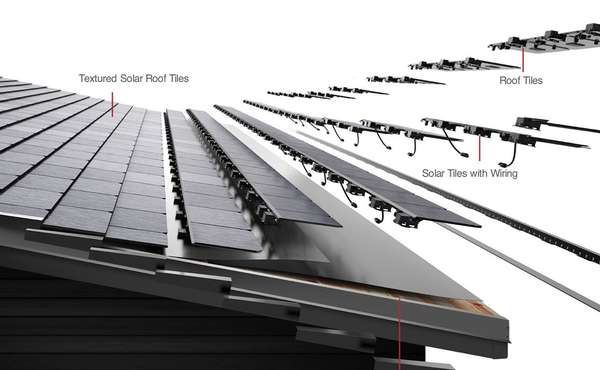
Asphalt shingles are designed to be a cost-effective roof covering and weather barrier, but they are uniquely vulnerable to environmental factors like algae, moss, and UV degradation from the sun that can lead to premature aging. Maybe another great reason to cover a south facing roof with money-producing solar panels - especially with the new solar grants for 2025 and 2026 putting those roof shingles in the shade!
Beyond that, when we have seen asphalt shingles fail or their warranty voided, this has often been because of poor, excessive or clumsy cleaning and maintenance. This in-depth guide provides a definitive walkthrough for both homeowners and professionals on how to diagnose issues, safely clean, and apply advanced treatments to rejuvenate and extend the life of any asphalt shingle roof using the most eco-friendly methods possible.
- Why asphalt shingle maintenance is critical
- Diagnosing common asphalt shingle problems
- The step-by-step guide to safely cleaning shingles
- Advanced treatments to rejuvenate aging shingles
- Hiring a professional vs. DIY for shingle roofs
- The essential takeaways: Asphalt shingle care
Why asphalt shingle maintenance is critical
Understanding why asphalt shingle maintenance is so critical comes down to protecting the two components that give the material its strength and yet are most vulnerable: the asphalt and the granules. An asphalt shingle is essentially a fiberglass mat saturated with asphalt for waterproofing and coated in a layer of crushed rock granules.
These granules are not just for color; they are the shingle's primary defense against UV radiation from the sun, which would otherwise dry out and destroy the asphalt waterproofing layer beneath. Losing these granules prematurely is the beginning of the end for an asphalt shingle roof, and can often result in losing the extended warranty - as we discovered after some excessively enthusiastic power-washing.

Diagnosing common asphalt shingle problems
Correctly diagnosing common asphalt shingle problems is the first step in choosing the right treatment, as different issues require different solutions. While a roof leak is an obvious sign of failure, most problems begin long before water enters your home.
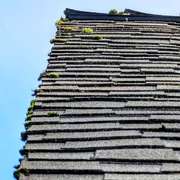
Black Streaks: Gloeocapsa Magma Algae
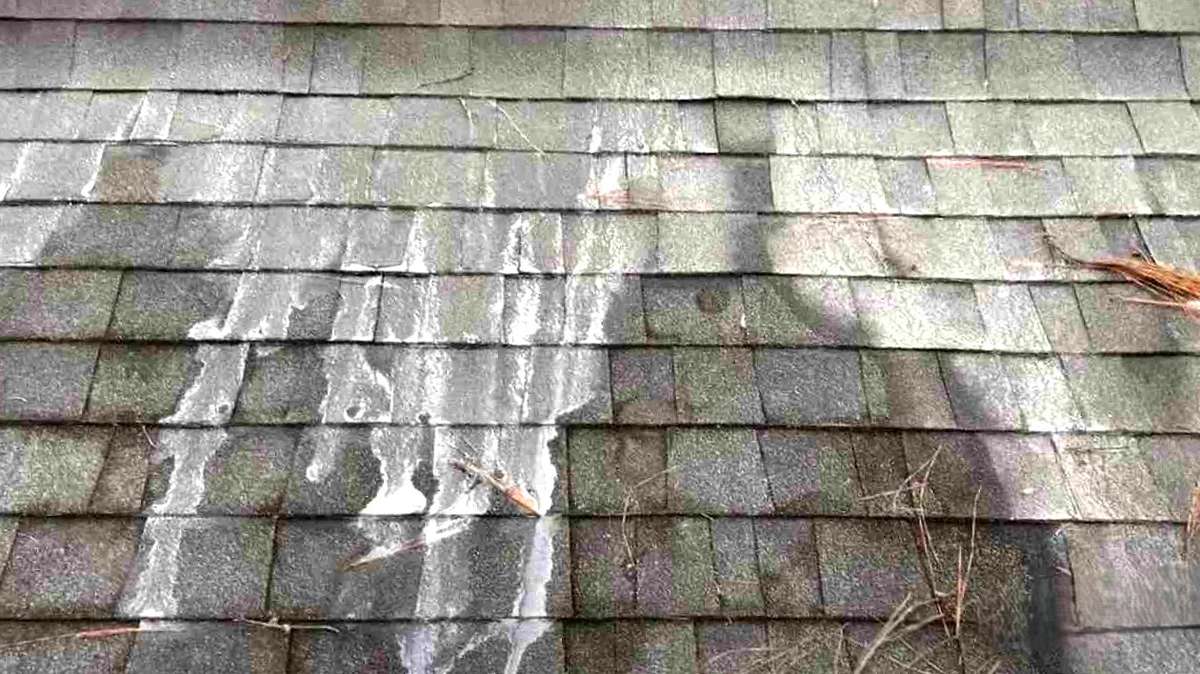
The most common aesthetic issue for asphalt shingles is the appearance of dark, vertical streaks. This is not dirt or tar, but a type of algae named Gloeocapsa magma that thrives by feeding on the limestone filler used in most asphalt shingles. While it does not cause rapid failure, it does trap moisture, causes uneven heating of roofs on a south facing aspect and begins the slow process of shingle degradation and eventual failure.
Green Growth: Moss and its Dangers
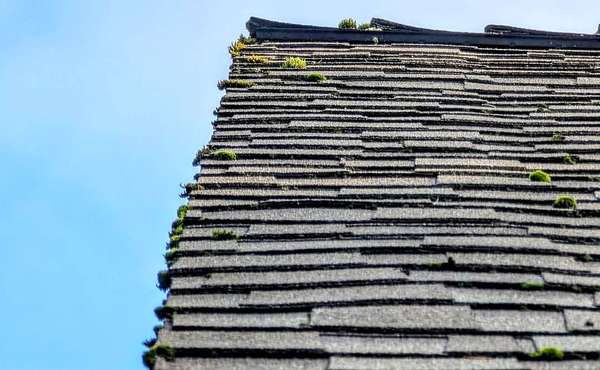
Moss is a far more serious threat to basic asphalt shingles. The fibrous roots on moss can penetrate the space between shingles, lifting them up and making them vulnerable to wind and wind driven water penetration.
Moss also acts like a giant sponge, holding moisture directly against the shingle surface, which accelerates granule loss and can lead to rot on the roof deck below if the moisture makes it's way through. In cold climates, this trapped water can also freeze, expanding and cracking the shingles and holding onto the snow that can cause ice damming.
Aging Signs: Curling, Cracking, and Granule Loss
Look for shingles that are curling at the edges or developing cracks. You might also notice an accumulation of black, sand-like granules in your gutters. This is a clear sign that the shingles are losing their protective layer of surface gravel and becoming brittle, leaving the asphalt exposed and vulnerable to rapid deterioration from UV and the summers heat.
The step-by-step guide to safely cleaning shingles
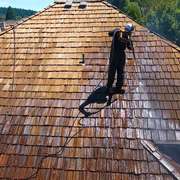
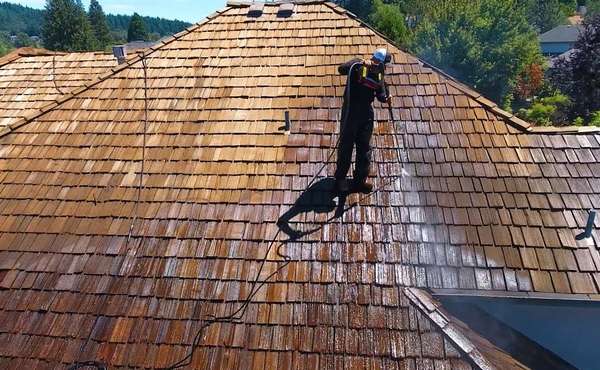
This step-by-step guide to safely cleaning shingles prioritizes methods that kill organic growth without causing the very damage you seek to prevent. The golden rule is to never, under any circumstances, use a pressure washer on an asphalt shingle roof. The intense force of pressure washing a roof can strip years off the lifespan of shingles by blasting away the protective granules.
- Choose an eco-friendly roof cleaner: Select a non-toxic, oxygen-based cleaner (sodium percarbonate). These products effectively kill algae and moss without harming your shingles, landscaping, or downstream ecosystems.
- Prepare the area: Gently rinse surrounding plants and landscaping with water from a garden hose before you begin. This ensures any overspray from the cleaner is diluted and harmless.
- Apply the cleaning solution: Working on a cool, overcast day to prevent rapid evaporation, use a simple low-pressure garden sprayer to thoroughly saturate the stained or mossy areas of the roof. Follow the manufacturer's instructions for mixing.
- Let the cleaning solution penetrate and react with the shingles: Allow the solution to sit on the roof for at least 15 to 30 minutes or to manufacturers instructions, and don't do it in full sunlight or it will dry off before it has finished doing the job. You do not need to scrub. The oxygen bubbles will do the work, killing the organisms on the roof at their roots.
- Rinse gently: Using a standard garden hose with a regular nozzle, gently rinse the roof from the top down. The dead algae will wash away, and moss will turn white or yellow, releasing its grip over the next few weeks to be washed away by the rain. Do think to clean your gutters out before the winter rains wash all this into your downspouts and stormwater drains.

Advanced treatments to rejuvenate aging shingles
Beyond cleaning, there are advanced treatments designed to rejuvenate aging shingles, extending their life by restoring lost properties. As a roof ages, the natural oils within the asphalt dry out, making the shingles brittle and prone to cracking. This is where rejuvenation technology comes in.
Specialized nano spray-on roof and shingle treatments, often formulated with plant-based oils, are now available. These products penetrate the top layer of the shingle, replenishing the lost petrochemical oils. This process restores flexibility, improves granule adhesion, and can make an old, brittle shingle much more resilient to hail and thermal shock.
This single treatment can potentially add five or more years to the functional life of a roof that might otherwise need a costly replacement. For those starting from scratch, choosing the right material is key for a long-lasting roof, which you can learn about in our guide to the best asphalt shingles.

Hiring a professional vs. DIY for shingle roofs
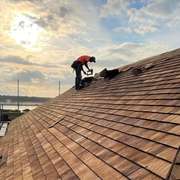
When considering hiring a professional vs. DIY for shingle roofs, safety and the risk of causing damage should be your primary concerns. While a simple, single-story gable roof might seem accessible, the risks are significant.
Walking on a shingled roof, especially when wet, can be extremely hazardous. Those who do fall off usually wish they hadn't got on the roof to begin with, or had taken the necessary precautions to prevent a fall.
Furthermore, careless actions like walking on the wrong spots or using the wrong tools, can cause extensive granule loss, scuffing, and cracking, doing more harm than good. A qualified and insured professional has the required safety equipment and the experience to clean and treat your roof without causing damage to the roof or themselves.
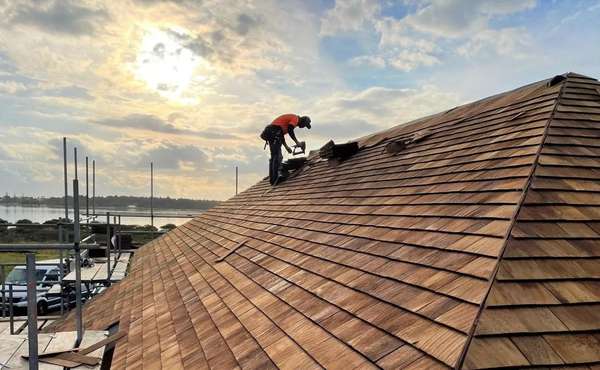
While we are mentioning safety, if you see anyone on a roof that isn't wearing a harness that is attached to anything solid, do me a favor and say something to them please. Much the same as the dangers of silica in manufactured stone and quartz countertops to construction workers, falling of roofs is simply a risk that doesn't have to be taken. If just one person is saved from a jobsite injury, that makes being 'that guy' worth it in my opinion.
The essential takeaways: asphalt shingle care
The essential takeaways for asphalt shingle care are that preserving the protective granules and using gentle, eco-friendly methods are the keys to a long-lasting roof. Never use a pressure washer. Use oxygen-based cleaners to kill the algae and moss that degrade and damage shingles over time.
For older, brittle roofs, consider a professional rejuvenation treatment to restore flexibility and extend functional life. When in doubt, the safety and expertise of a professional are worth the investment. Proper maintenance is not just about aesthetics; it is about protecting the core integrity of the most important shield on your home.
Now that you know more about asphalt shingle care, find more info about durable roofing & green building techniques in the Ecohome Green Building Guide and these pages below:
-
View the main ecohome roof cleaning and maintenance guide
-
Choosing the best roofing materials
-
Asphalt shingles v metal roofs a cost and durability comparison
-
Guide to cleaning and rejuvinating cedar shake roofs














Comments (0)
Sign Up to Comment