



The definitive guide to flat roof maintenance
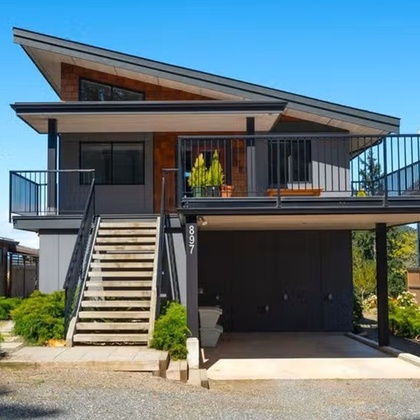
To prevent the nightmare of a catastrophic leak, this definitive guide to flat roof maintenance provides the critical knowledge needed to properly care for this demanding roofing type. While common on commercial buildings, flat and low-slope roofs are also a staple of modern residential architecture-and of all places, here in the habitually humid Pacific Northwest.
When installed correctly, they are reliable and offer unique opportunities for green technologies to be easily sited and maintained-or even the opportunity for a stunning deck for a view of the ocean. However, unlike more traditional sloped roofs that shed water quickly, flat roofs manage water slowly.
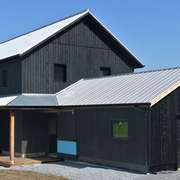
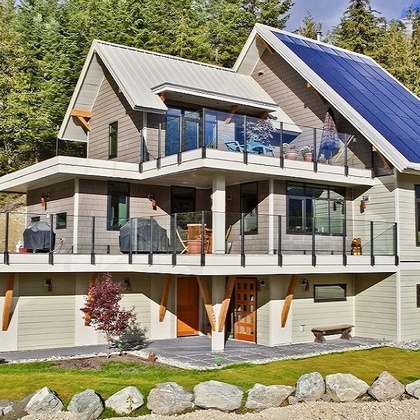
And partiulaly slowly on a low-pitch green roof like the Edelweiss - Canada's first V4 LEED Platinum home. Meaning that small failures in the membrane or drainage system can lead to massive problems that are really difficult to diagnose and fix.
For a stick-built home, an undetected leak in a flat roof membrane is a recipe for disaster, making proactive, diligent annual maintenance absolutely essential. Anyone who ever owned an old RV with a wooden frame will understand exactly what we're talking about here!
- How to identify your flat roof material
- What about gravel-covered (ballasted) roofs?
- The golden rule of flat roofs: drainage
- Your regular flat roof maintenance checklist
- Finding and addressing leaks and damage
- A flat roof is a platform for potential
- The essential takeaways: flat roof maintenance
How to identify your flat roof material
Before any maintenance begins on a flat roof, you must correctly identify your flat roofing membrane material, as each type has unique vulnerabilities and requires different cleaning and repair methods. Here’s how to tell the most common types of membranes apart.
EPDM (Ethylene Propylene Diene Monomer) Roof Membranes
This is the classic 'rubber roof'. It feels like a thick, smooth inner tube from a tire and is almost always black or a very dark grey. It's installed in large sheets, so you will see very few seams. Where seams do exist, they are bonded with a special adhesive tape, and you may be able to see the edge of the tape along the seam line.
This material is often used as a pond liner, especially if you're into keeping Koi or have a larger pool at home or a natural (but man-made) swimming pond, so it is very robust and waterproof-but depending on your climate and the level of insulation, this can also cause problems with mold in flat roofs.
TPO (Thermoplastic Polyolefin) Membrane Cleaning & Care
TPO is a single-ply flat roof membrane that feels smoother and more rigid than EPDM rubber. Thermoplastic Polyolefin is possibly the fastest growing roofing system on the market. The name is a bit misleading, because rather than being plastic, TPO is one of a few different types of rubber, usually a blend of polypropylene and ethylene-propylene rubber.
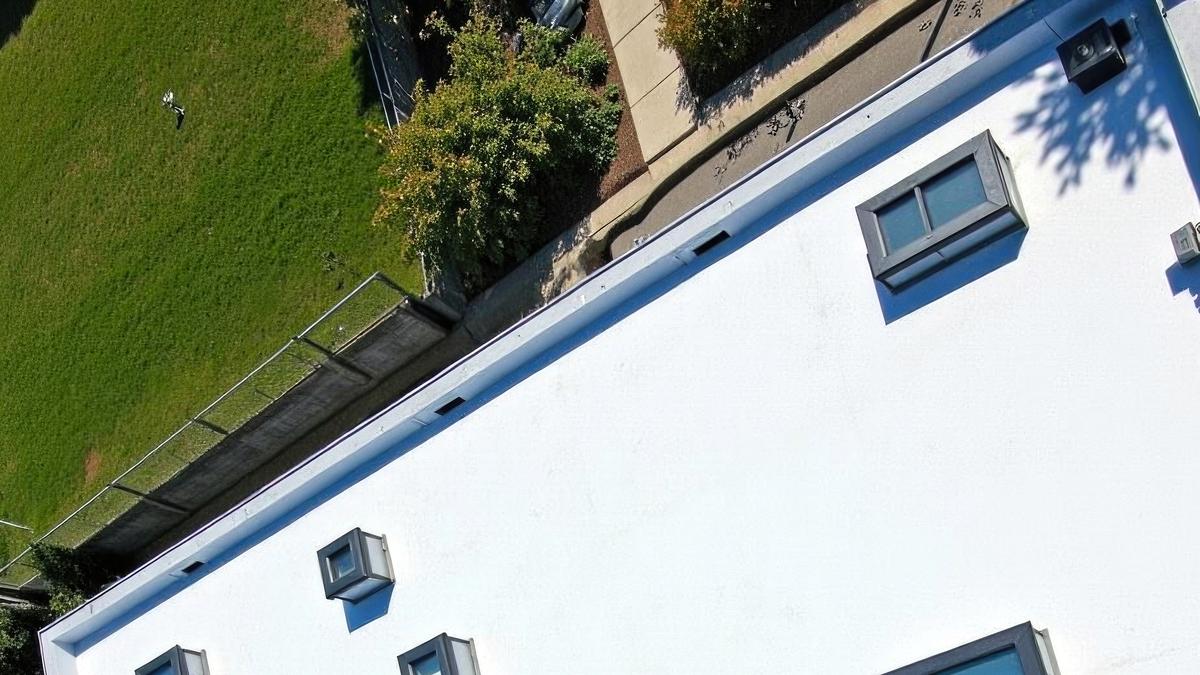
The most obvious identifier of a TPO roof membrane is its color-it's typically bright white or light gray, chosen for its reflective, energy-efficient properties. Its seams are the biggest clue also: they are heat-welded with a hot air gun, which fuses the material together. A TPO seam will look flat and almost melted together, with no visible tape or adhesive.
Maintenance and Care for PVC Roof Membranes
PVC (polyvinyl chloride) roofing is a premium single-ply membrane whose maintenance needs are directly tied to its core properties of strength and chemical resistance, but also its significant vulnerability in cold weather. From a maintenance perspective, its primary advantage is the durability of its heat-welded seams, which are less prone to failure than adhesive-based seams and allow the roof to expand and contract naturally.
Its high resistance to chemicals means it stands up well to environmental fallout and allows for straightforward cleaning. To maintain its 'cool roof' and Energy Star rated reflectivity, a gentle annual washing with a mild detergent is recommended. However, the most critical maintenance consideration for PVC is its tendency to become brittle in cold climates.
All inspections and cleaning must be performed in warmer weather. Walking on or dropping tools on a PVC roof in freezing temperatures can cause the membrane to crack or even shatter, leading to immediate and significant leaks. Therefore, the number one rule of PVC roof care is to avoid all physical contact and work during cold snaps.
Modified Bitumen (Torch-On) - Needs Careful & Frequent Maintenance
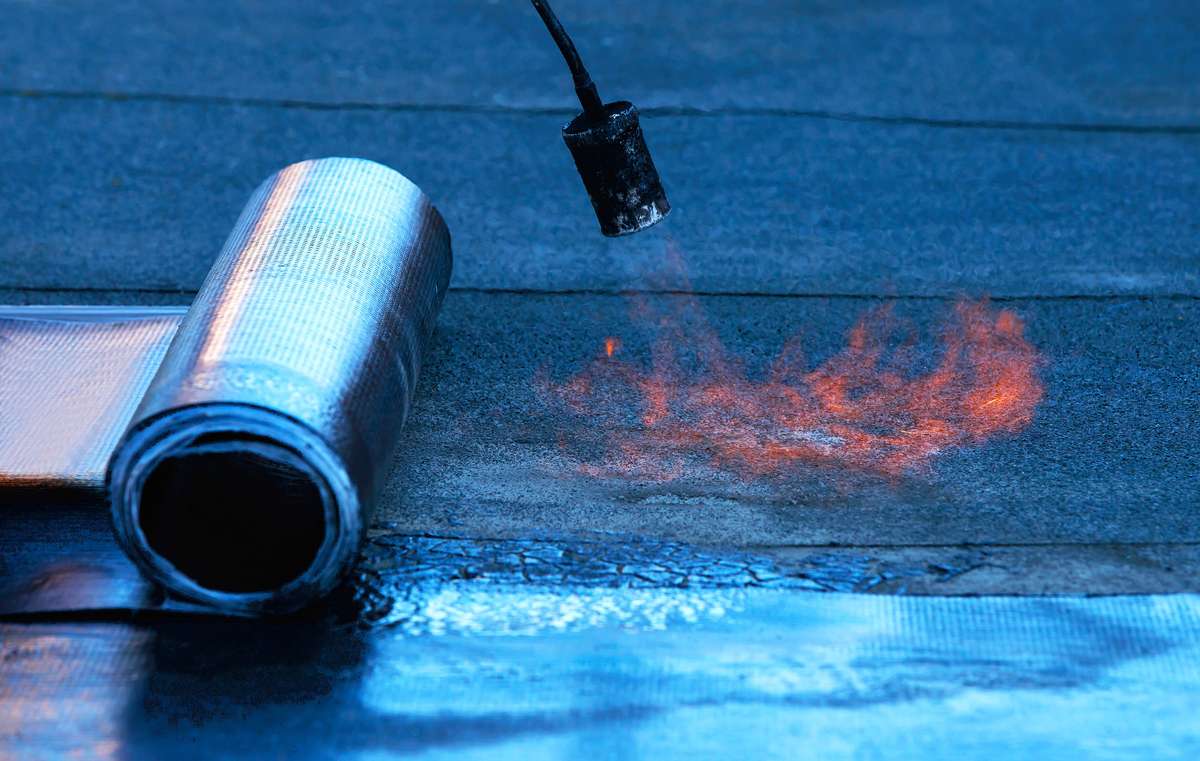
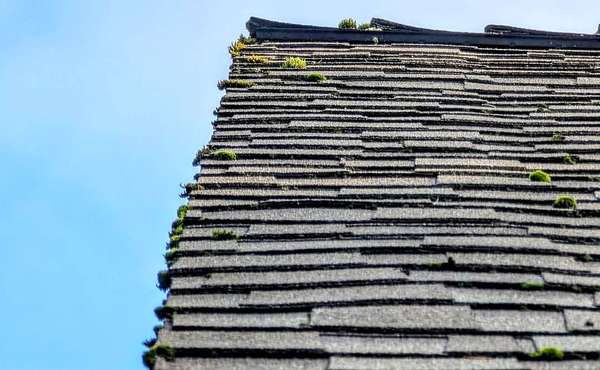
This material looks and feels much like a standard asphalt shingle. It is an asphalt-based product that comes in rolls, and the top surface is embedded with rough ceramic granules to protect it from UV rays. If your flat roof has a textured, sandpaper-like finish, it is almost certainly modified bitumen. We've had a lot of experience trying to repair and maintain a Torch-on bitumen flat roof membrane, and this often feels like (and is) a bit of a sticky problem.
The current fashion for flat roofs here in BC, most of which are rolls of Torch-on Asphalt or Bitumen based, will be keeping general contractors and renovation companies busy for years ahead unless they are regularly cleaned and maintained-which, let's face it, often doesn't happen until the flat roof is having issues.
What about gravel-covered (ballasted) roofs?
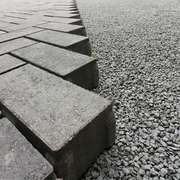
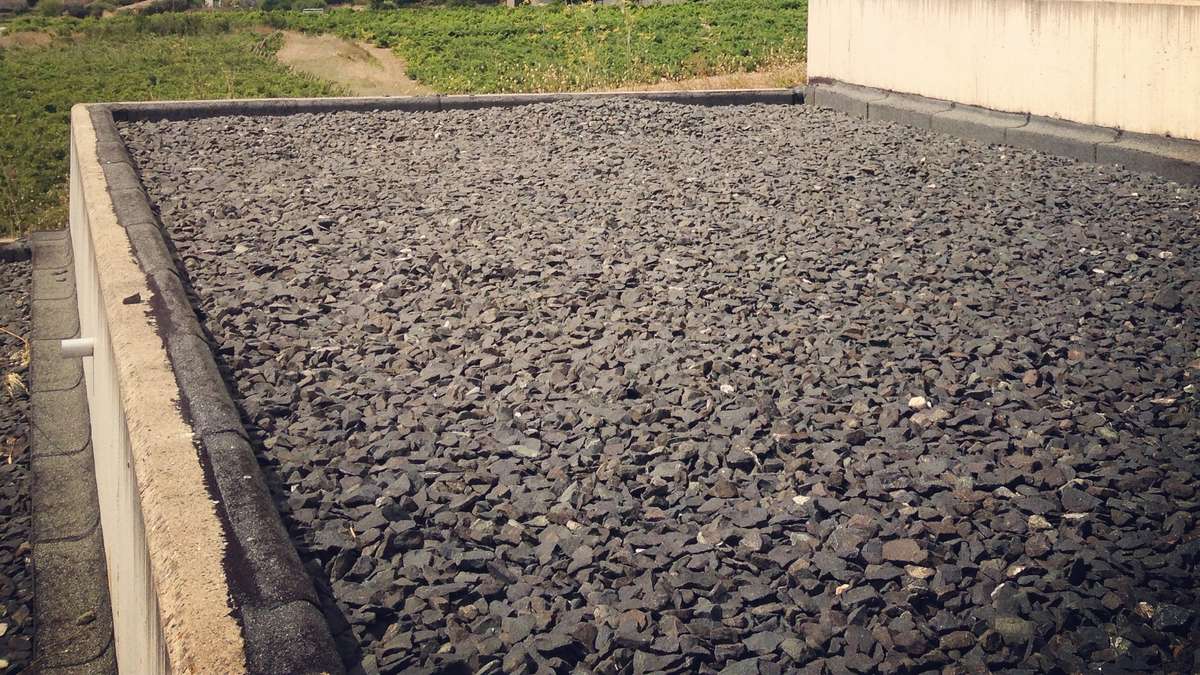
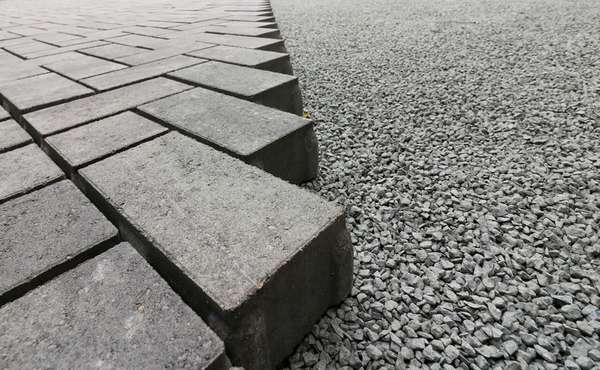
A gravel-covered or 'ballasted' roof is a different system entirely, where maintenance focuses on debris removal rather than membrane cleaning. In this type of system, the membrane (usually EPDM but sometimes torch-on bitumen rolled roofing) and rigid insulation are held down by a thick layer of smooth, round river rock, gravel or pavers instead of being glued or fastened.
The gravel's main job is to protect the membrane from damaging UV rays and physical impact and to hold it in place as it isn't necessarily physically stuck down-although it can be, and then the gravel is there to prevent blistering of the torch-on membrane in hot weather.
If you've ever stuck to blacktop on a very hot and sunny day, or seen it blistering up and running black tar, then you can understand the idea behind ballasted flat roofs-we're not huge fans, and would probably go for a green-roof instead.
Maintenance on a ballasted roof should be performed annually. The goal is not to clean the gravel, but to gently remove any organic debris like leaves, branches, and especially seedlings that have started to grow in the gravel.
If left alone, this debris will decompose into soil and allow a thick mat of vegetation to form on your flat roof, which traps moisture and hides potential problems. You should never need to remove the gravel unless a leak is suspected.
In that case, a professional must be called to carefully rake back sections of the heavy gravel to locate and repair the membrane below, which is a major, labor-intensive job, often causes other leaks unless the contractor is really experienced and careful, and is problematic for finding holes and cracks that are letting the water in.
The golden rule of flat roofs: drainage
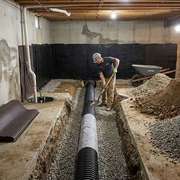
The golden rule of flat roofs is ensuring positive drainage at all times, because standing water is the number one enemy of every flat roof system. A properly designed flat roof should therefore actually have a slight slope (at least 1/4 inch per foot, or 2 cm per meter) directing water towards drains or scuppers. Your primary maintenance task is to keep these drainage paths clear.
A single clogged scupper or outflow pipe taking the rainwater off the roof can cause hundreds of gallons of water to pool, relentlessly searching for any tiny flaw in a seam or flashing that it can seep through. Remove debris and leaves from the roof surface and from inside drains and scuppers, especially in the spring and fall if you want to avoid problems with your flat roof leaking.

Your regular flat roof maintenance checklist
Performing a visual inspection from this regular flat roof maintenance checklist at least twice a year is the key to proactive care and avoiding unwanted roof leaks. Look for these signs of trouble:
- Ponding Water: Any water that remains on the roof 48 hours after it rains is a sign of a drainage problem.
- Blisters and Ridges: Look for any bubbles, blisters, or ridges in the membrane, which can indicate trapped moisture or a loss of adhesion.
- Punctures and Damage: Check for any punctures from falling branches or damage from foot traffic.
- Failing Seams: Inspect all seams carefully for any peeling on EPDM or cracks along modified bitumen seams.
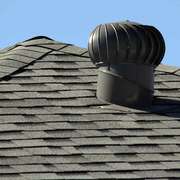
- Flashing and Seals: Pay close attention to the flashing around all penetrations like pipes and vents, and skylights. Ensure the seals are intact with no cracks or gaps.
Specific Cleaning Tips for Flat Roof Membranes
For membrane roofs (not ballasted), an annual cleaning can extend its life. Use a soft-bristled brush and a mild, eco-friendly detergent. For EPDM, avoid harsh solvents or citrus-based cleaners which can degrade the rubber. For TPO, a simple detergent will remove the dirt that accumulates on its white surface, restoring its reflectivity. For Modified Bitumen, use only a very gentle rinse to avoid scrubbing off the protective granules.
Finding and addressing leaks and damage
Finding and addressing leaks quickly is a high-stakes race against time, as any water intrusion in a flat-roofed, stick-built home can cause devastating and extensive damage. Water from a flat roof leak often travels along joists before it becomes visible inside, meaning the point of the leak can be far from where the stain on a drywall ceiling appears.
This hidden moisture can saturate insulation and wooden framing for months, leading to mold and a loss of structural integrity. The potential for mold and wood rot is immense, so it's critical to understand what dry rot is and how to prevent it.
The Hidden Danger of Poly Vapor Barriers in Ceilings
In many colder climates, building codes mandate a polyethylene vapor barrier behind the interior drywall. While intended to stop moisture from entering the roof assembly, this plastic sheet unfortunately creates a hidden hazard: it can mask a roof leak by trapping water within the structure, preventing it from staining the ceiling until the damage is severe or the volume of water substantial.
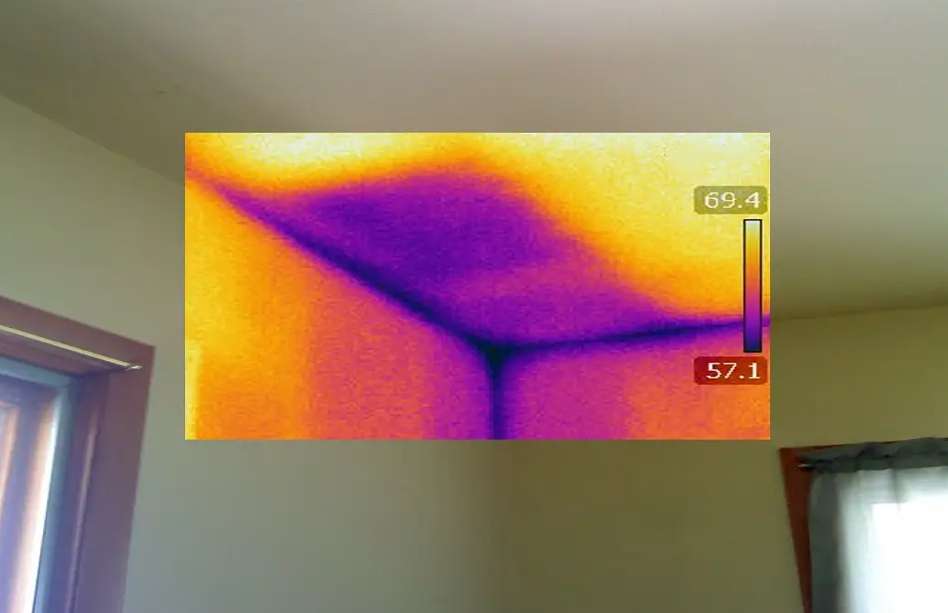
In an unventilated flat roof, this trapped moisture-from either a leak or from interstitial condensation occurring on the underside of a poorly insulated roof deck-has no way to escape. Because of this hidden risk, we'd suggest that a regular inspection regime for a flat roof should include the use of an infrared (IR) camera.
By scanning interior ceilings, you can identify cold spots that indicate damp, failed insulation. Conversely, scanning the roof from the outside after sunset can reveal "hot spots" where heat is escaping, pinpointing areas of insufficient insulation that are prime locations for future condensation issues.
A flat roof is a platform for potential
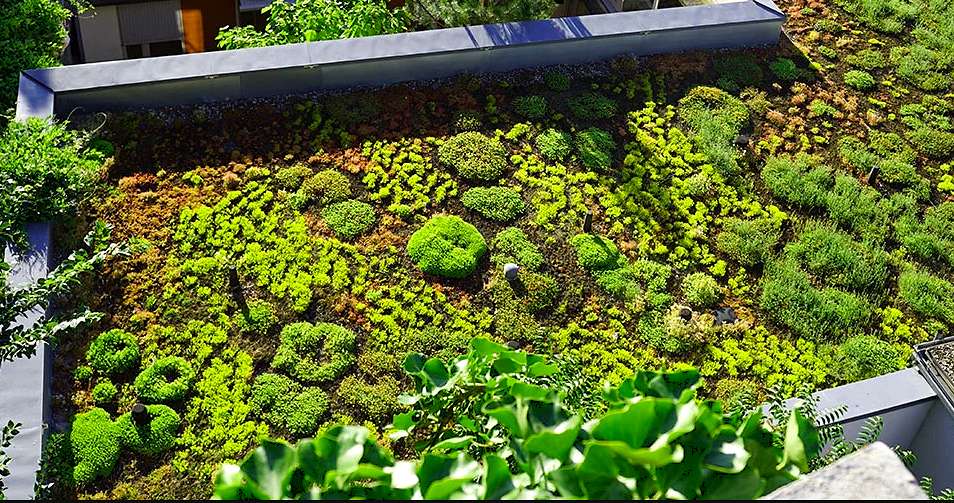
Beyond its function as a roof, a well-maintained flat roof is a platform for potential that can add value and sustainability to your home. Their structure makes them ideal for hosting other green technologies. Many homeowners use their flat roofs to enhance rainwater mitigation and a visual home addition by learning the secrets to a successful green roof, which also adds insulation and extends the membrane's life by protecting it from UV rays.
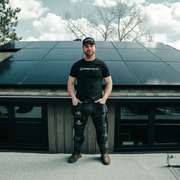
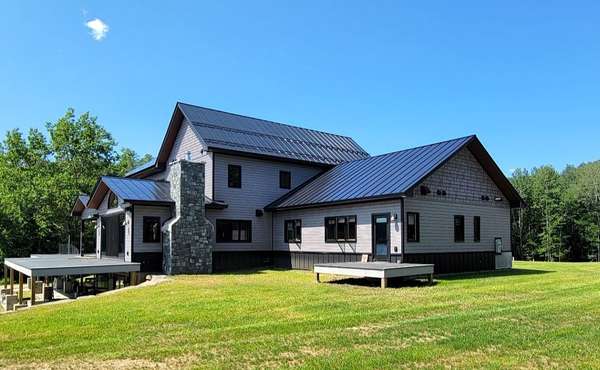
Flat roofs on homes are also the perfect platform for installing an array of solar panels. Additionally, applying a coat of specialized reflective paint to a darker roof can reduce energy consumption by turning your roof into a 'cool roof'.
The essential takeaways - flat roof maintenance
The essential takeaways for flat roof maintenance are that it must be proactive, diligent, and focused on drainage and membrane integrity above all else. The high stakes of a potential leak mean that "out of sight, out of mind" is a recipe for disaster.
First, identify your roof type-whether it's a membrane like EPDM, TPO or PVC, or a gravel-covered ballasted system, or the fragile and problematic modified bitumen Torch-On type flat roof-as this dictates the proper care. Conduct visual inspections at least twice a year, paying close attention to seams, flashing, and especially drainage paths.
Consider periodic infrared scans to find hidden moisture before it causes rot. Keep drains clear of debris. At the first sign of ponding water or damage, call a professional. A well-maintained flat roof is a reliable, high-performance asset; a neglected one is one of the greatest liabilities a homeowner can have.
Now that you know more about flat roof maintenance, find more info about durable roofing & green building techniques in the Ecohome Green Building Guide and these pages below:
-
Eco-friendly roof cleaning: the complete guide
-
Green roofs: the secrets to success
-
The complete guide to metal roof maintenance
-
Options for roofing materials












Comments (0)
Sign Up to Comment