










Indoor air quality monitors: a homeowner's & pro's buyers guide
You wouldn't buy a car without a dashboard, so why live in a home without a window into its air quality? Indoor air quality (IAQ) is the invisible dashboard of a home's health, telling you what you're breathing and how your home's systems are performing.
It's a critical component of a sustainable and healthy home, and for homeowners, it's the first step in protecting your family's well-being. For a building professional, an IAQ monitor is a powerful diagnostic tool, providing objective data to identify and solve problems related to a home’s ventilation, air sealing, and material choices. This guide is your definitive resource on what IAQ monitors are, what they measure, and how to use them to create a healthier environment.
- What is IAQ and why it matters
- Chemical sensitivity: a growing concern
- How do IAQ monitors work
- What pollutants do IAQ monitors measure
- Choosing the right IAQ monitor
- What to do if your indoor air is bad
- Home ventilation (HRV / ERV) for removing contaminants
- Basements are a common source of mold
- In brief
What is indoor air quality and why it matters
Indoor air quality is simply the quality of the air within and around a building. We often assume the air inside our homes is clean and safe, but it can be up to 100 times more polluted than the outdoor air.
For homeowners, understanding IAQ is the first step in addressing a range of health issues, from allergies and asthma to chronic respiratory problems. For professionals, IAQ is a critical measure of a home’s overall performance, tied directly to proper ventilation and air sealing.
Chemical sensitivity: a growing concern
Chemical sensitivity, also known as Multiple Chemical Sensitivity (MCS), is a chronic condition where exposure to low levels of common chemicals triggers a variety of symptoms. Studies suggest that between 1% and 3% of people suffer from severe symptoms, with a higher percentage experiencing some degree of sensitivity.
The condition is caused by a person's body having a severe reaction to chemicals like fragrances, pesticides, or VOCs, which can result from a single high-level exposure or chronic low-level exposure over time.
Symptoms can range from mild, such as headaches, dizziness, and fatigue, to severe and debilitating, affecting a person's ability to live normally. While there is no single medical test to diagnose chemical sensitivity, a home's air can be tested for the specific pollutants that cause it using an IAQ monitor.
There is evidence to suggest that chemical sensitivity is becoming more prevalent, largely due to modern building practices. Today’s homes are built to be airtight for energy efficiency, but without proper ventilation, these sealed environments can trap chemical pollutants at higher concentrations than in older, leakier homes. This highlights why understanding and managing IAQ is more critical than ever before.
How do indoor air quality monitors work
IAQ monitors use a variety of specialized sensors to detect different types of pollutants in the air. While high-end professional equipment can be quite complex and expensive, most consumer-level devices use miniature sensors that provide a good approximation of air quality.
A laser particle counter is typically used to measure particulate matter, while an electrochemical sensor might be used to detect gases like carbon monoxide. The device takes a reading every few minutes or continuously, sending the data to an app or web interface, allowing you to see trends and identify problems as they occur.

What pollutants do IAQ monitors measure
IAQ monitors are not a one-size-fits-all solution; they measure a range of different pollutants, with some devices measuring more than others. Here are the most common metrics you will see on a monitor:
Particulate Matter (PM)
Particulate matter consists of tiny solid particles or liquid droplets suspended in the air. Monitors typically measure PM2.5 (particles 2.5 micrometers in diameter and smaller) and PM10 (10 micrometers and smaller).
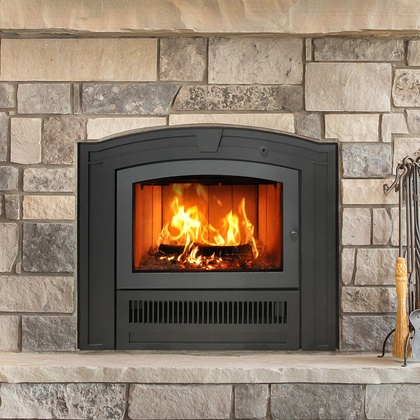
PM2.5 is especially concerning because the particles are small enough to be inhaled deeply into the lungs and enter the bloodstream. Common sources of particulate matter include secondhand smoke, wood smoke from fireplaces, cooking, and wildfires.
Volatile Organic Compounds (VOCs)
VOCs are organic chemicals that evaporate easily and can be found in a wide variety of household products. Common sources include paints, glues, furniture, carpets, and cleaning products. Formaldehyde is a type of VOC that off-gasses from many building materials and furnishings. See our guide to choosing safe paints.
Carbon Dioxide (CO2)
Carbon dioxide is a gas we exhale, and its concentration in a room is a great proxy for air changes and the effectiveness of a home's ventilation system. High CO2 levels (above 1,000 ppm) can lead to drowsiness, headaches, and a lack of focus. A reading above 1,200 ppm suggests a serious need for increased ventilation.
Gases and Other Contaminants
While some monitors are more advanced than others, these are some other common pollutants that affect our homes and our health.
- Carbon monoxide (CO): This odorless, colorless gas is a product of incomplete combustion and can be emitted from furnaces, stoves, or a car left running in a garage. It is extremely dangerous at high concentrations. For more information, read our guide on carbon monoxide detectors.
- Nitrogen dioxide (NO2): A gas produced by combustion, a common source of NO2 is gas stoves, especially in homes with inadequate ventilation.
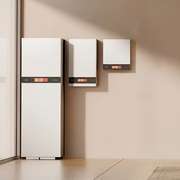
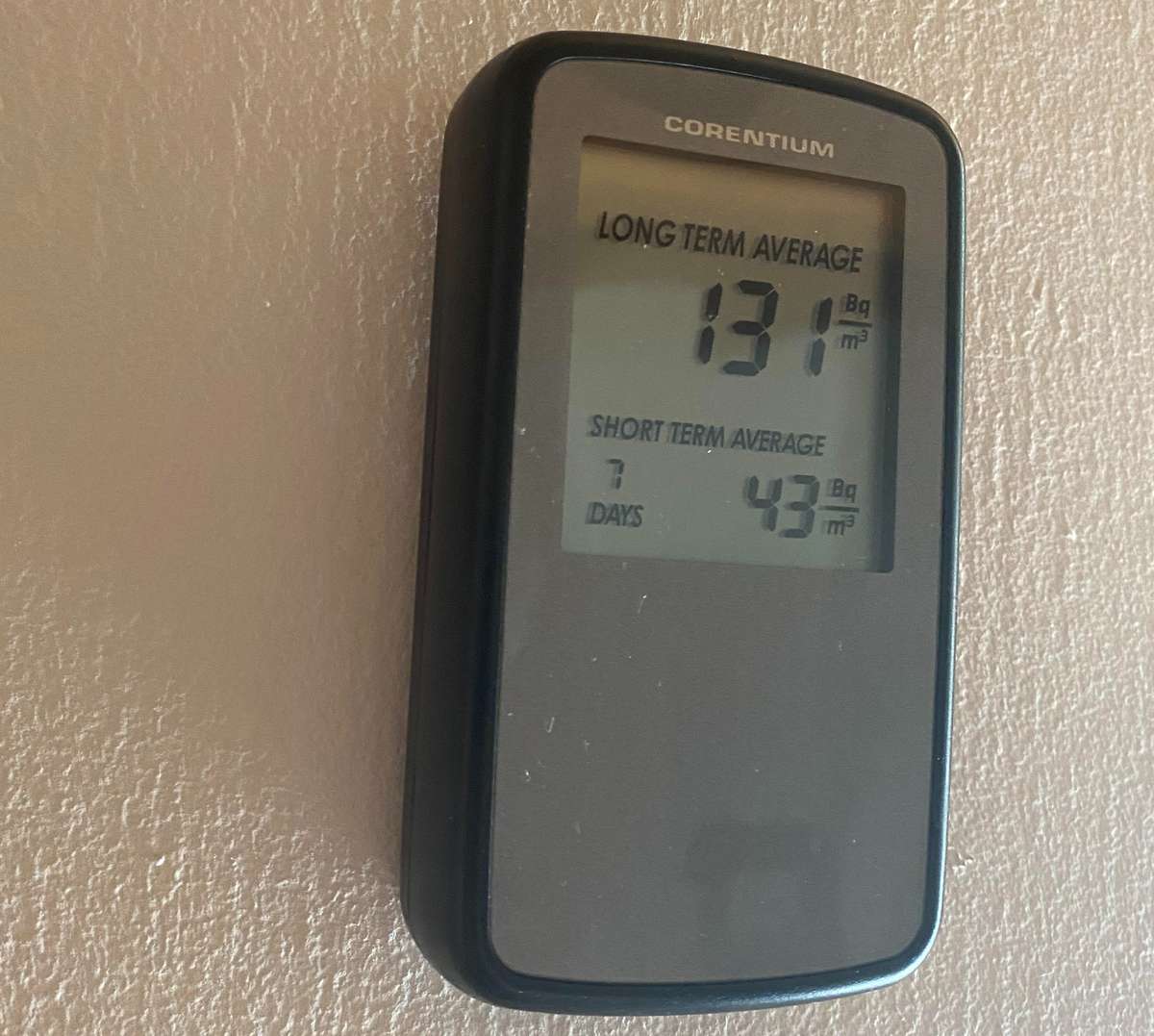
- Radon (Rn): This radioactive gas is naturally occurring and seeps into homes from the ground through cracks in the foundation. It is the second leading cause of lung cancer. This article about radon levels by state and province provides detailed information about this dangerous gas and how to test for it. There are separate and dedicated radon detectors that monitor the real-time radon levels in homes (see image below).
- Asbestos and lead: These materials were commonly used in older homes, but they are a serious health risk if they are disturbed and their fibers become airborne. Our guide page about how to identify and remove asbestos from homes safely explains more about this health hazard. Lead-based paints can become a dust hazard, especially during renovations.
- Biological pollutants: Mold, mildew, bacteria, and viruses can all affect IAQ. They are often a sign of excess moisture or poor ventilation in a home, and their spores and fragments can trigger allergic reactions and other health issues.
- Pesticides: These chemicals can enter a home through contaminated soil or when they are used indoors.
- Natural gas: There is conclusive evidence showing the health risks with natural gas in homes, and so many countries, states and provinces have imposed bans on gas heating in homes for the health of occupants and to transition away from fossil fuels and towards clean energy.
Humidity and Temperature
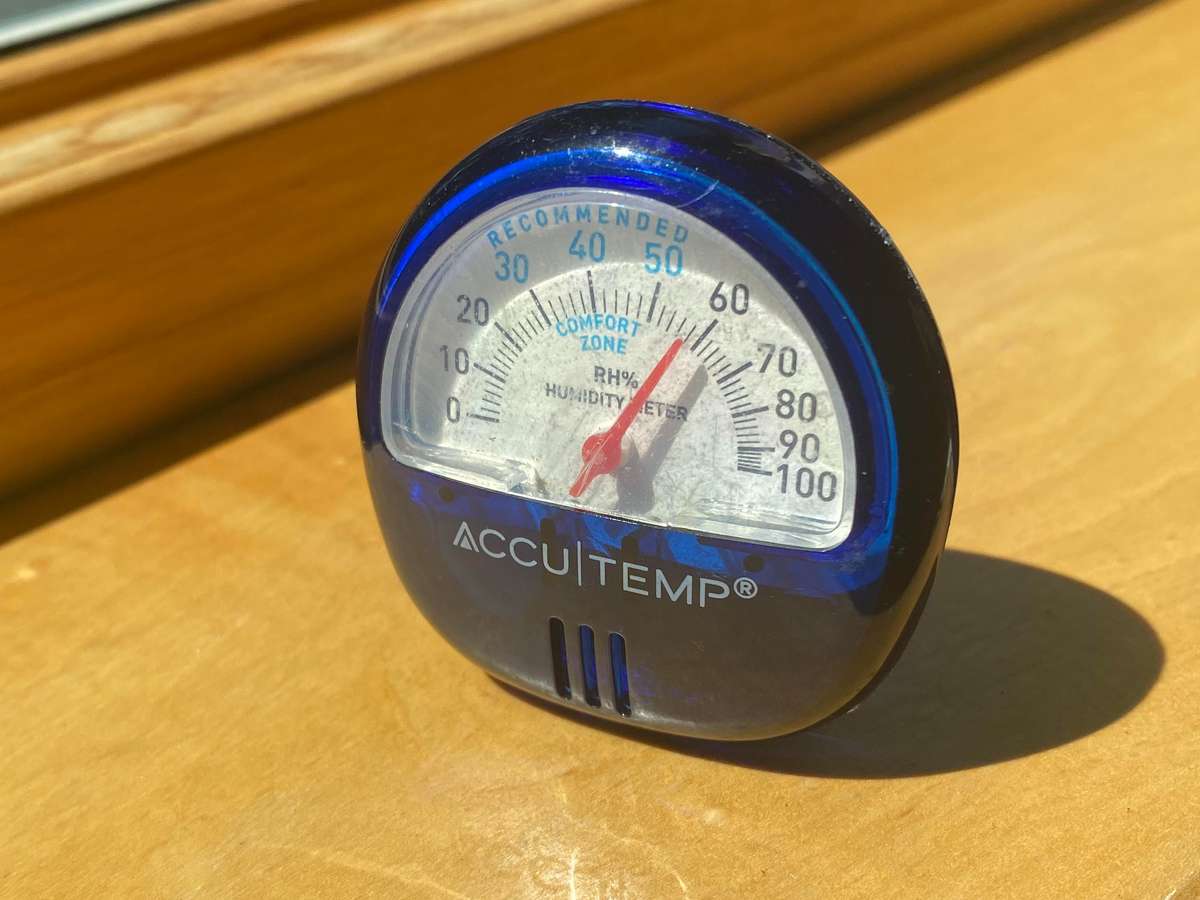
While not pollutants themselves, humidity and temperature are critical factors in maintaining a healthy and durable home. High humidity can lead to mold and mildew growth, which can release harmful spores into the air. Low humidity can dry out skin and mucous membranes, making you more susceptible to illness. A balanced humidity level of between 40% and 60% is often recommended.
Choosing the right indoor air quality monitor
With many options on the market, choosing the right monitor depends on your needs and budget. Here are the key features to consider:
- Single vs. multi-sensor: Do you want to monitor a single pollutant (like CO2) or get a comprehensive picture of your home’s air quality? Multi-sensor monitors are generally more useful for homeowners and professionals, providing a holistic view.
- Accuracy and certification: For professionals, accuracy is paramount. Look for monitors with certified sensors (e.g., from a third-party lab) and data logging capabilities to monitor trends over time.
- Data and connectivity: Most modern monitors connect to a smartphone app, but some offer integration with smart home systems and provide more detailed data analysis, which can be useful for professionals.
- Cost: Prices range from under $100 for a basic monitor to over $500 for a professional-grade device with multiple sensors and advanced features.
What to do if your indoor air is bad
An IAQ monitor provides data, but the real value comes from the actions you take based on that data.
- Contaminant source control: Identify and remove the source of the pollutant. For example, if your VOCs are high, consider using low-VOC paints and cleaners.
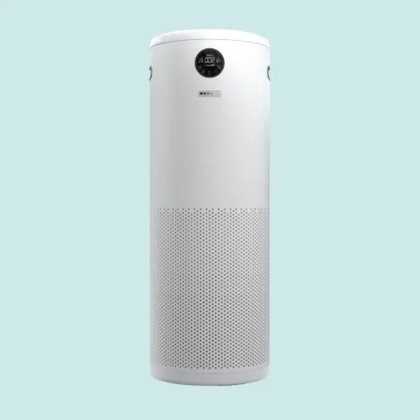
- Home air filtration: Use a HEPA air filter to remove particulate matter, especially during wildfire season or in areas with high pollution.
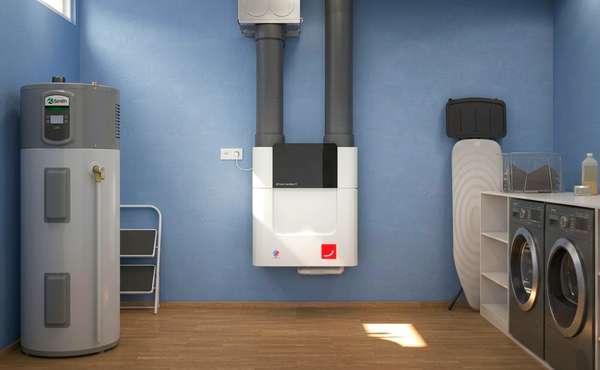
- Ventilate: All modern homes should have a Heat Recovery Ventilator (HRV) or Energy Recovery Ventilator (ERV) to remove moisture and contaminants from homes. For older homes without mechanical ventilation systems, natural ventilation through opening windows can improve the air quality in your home.
A note about home ventilation - the temptation would normally be to put a fan in a window blowing in, but reversing that will offer you far better results. Putting a fan in an upper floor window blowing out will depressurize your home and pull fresh air in all other open windows. This is also a great technique for cooling homes in an heat wave without AC.
Home ventilation (HRV / ERV) for removing contaminants
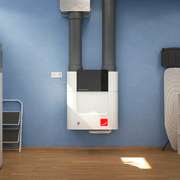
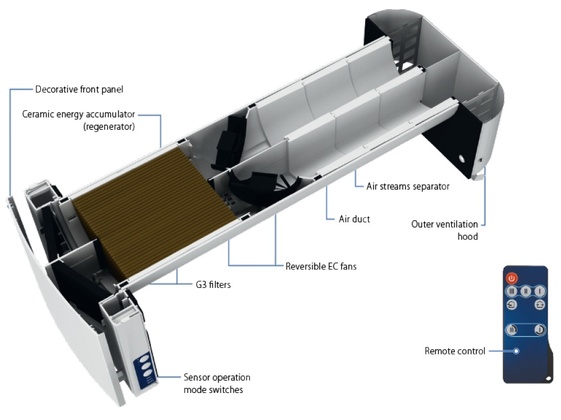
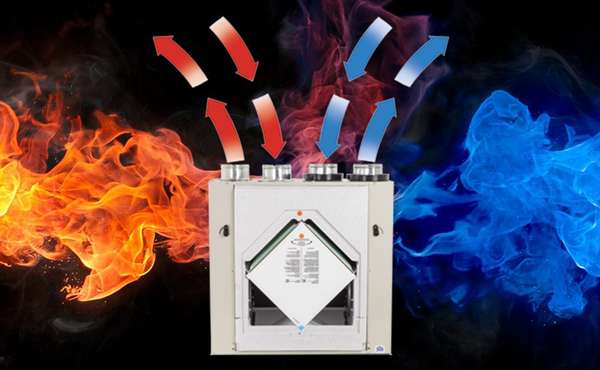
While IAQ monitors provide valuable data, a home's ventilation system is the most effective tool for managing and removing airborne contaminants. A Heat Recovery Ventilator (HRV) or an Energy Recovery Ventilator (ERV) works by continuously removing stale, polluted indoor air and supplying fresh, filtered outdoor air. This process is critical for diluting and expelling pollutants that off-gas from building materials or are produced by daily activities.
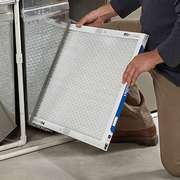
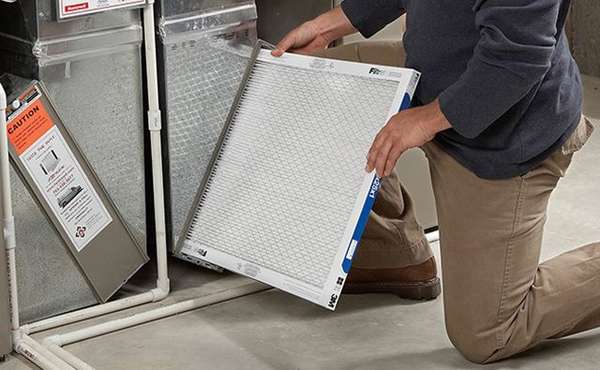
The effectiveness of a ventilation system at removing airborne particles is significantly enhanced by the use of MERV filters. MERV stands for Minimum Efficiency Reporting Value, and it rates a filter's ability to capture airborne particles between 0.3 and 10 microns in size.
A higher MERV rating indicates better filtration; for example, a MERV 13 filter is capable of capturing a high percentage of small particles, including pollen, pet dander, mold spores, and even some viruses and bacteria. Installing a high-MERV filter in your HRV or ERV is a simple yet powerful way to improve your home's air quality.
Basements are a common source of mold
Basements are a major source of mold in homes, but this is entirely preventable and is usually caused by improper building techniques. Specifically, the use of vapor barriers on basement walls can trap moisture, creating a perfect environment for mold growth.
To prevent structural damage and wood rot in finished areas, we recommend reading our breakdown on whether you can effectively seal a basement from the inside against hydrostatic pressure.
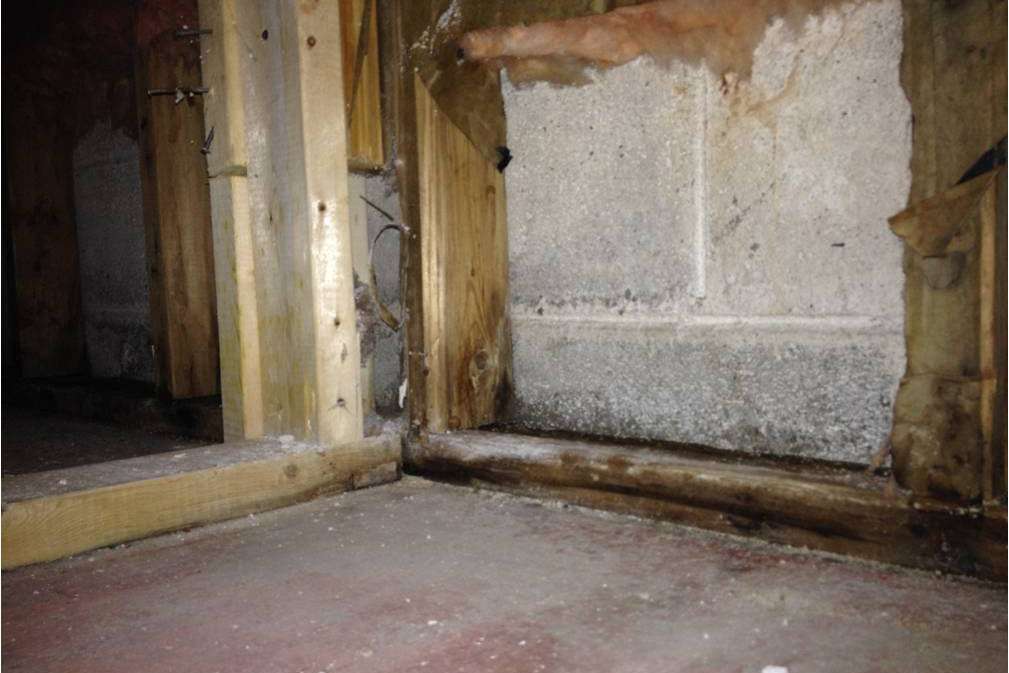
For a basement, a vapor barrier is unnecessary; what's crucial is to manage the moisture on the exterior with proper drainage and waterproofing. This is a topic so important that we wrote a separate guide about it to help homeowners and professionals understand how to build a healthy basement. Read more here about how to prevent mold when renovating a basement.
In brief
Indoor air quality monitors provide valuable insights into the health of your home and are an essential tool for both homeowners and building professionals. They measure key pollutants like particulate matter, volatile organic compounds, and carbon monoxide, providing the data needed to make informed decisions about ventilation, material choices, and overall home performance.
If you suspect a leak in your furnace or water heater though, knowing the common symptoms of carbon monoxide poisoning can also help you take life-saving action immediately.
By using these monitors and taking action to improve air quality, you can create a healthier, more sustainable, and more comfortable living environment.
Now that you know more about indoor air quality monitors, find more info about healthy home design and green building techniques in the Ecohome Green Building Guide and these pages below:
-
How to protect your home and family from wildfire smoke
-
Find the Surgically Clean Air JADE 2.0 Promotion for Ecohome Members
-
Living green walls - do they really clean the air in homes
-
Tips for keeping home air quality clean during renovations
-
Which house plants are best for purifying air? Ecohome investigates









Comments (0)
Sign Up to Comment