





Home fire safety: a homeowner's and pro's guide
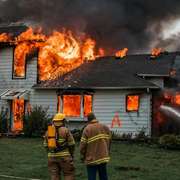
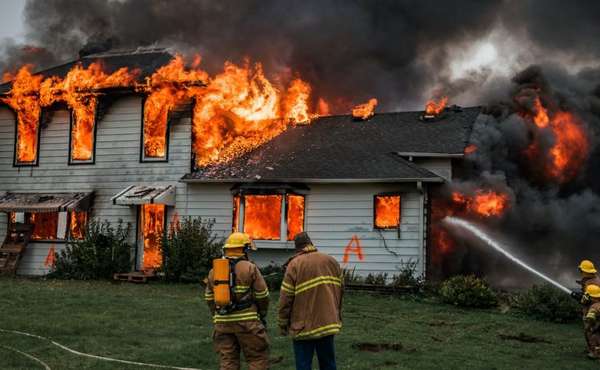
Ensuring your home is safe from fire is one of the most critical responsibilities for a homeowner and a key consideration for building professionals. A home fire would no doubt be emotionally devastating, but with the right preparations and design choices, the risk can be significantly reduced.
This guide goes beyond just having a smoke detector; it's about building a comprehensive fire safety strategy for your home and family. We will cover everything from understanding common risks and installing the right detectors to designing your home with fire-resistant materials and creating a foolproof escape plan.
Whether you're a homeowner looking to make your family safer or a professional aiming to meet and exceed building code requirements, proactive fire safety measures are non-negotiable.
This guide provides a comprehensive look at the key aspects of this topic. Below is an overview of the sections we will cover, allowing you to jump directly to the information you need.
- Understanding the most common fire risks
- Wood stove fire safety
- Choosing and placing smoke alarms and carbon monoxide detectors
- Developing a home fire escape plan
- Second story escape techniques
- Avoiding smoke inhalation
- Home fire sprinkler systems
- Fire suppression for rural homes
- Fire extinguishers and fire-rated doors
- Designing homes for better fire resistance
- Wildfire safety: creating defensible space
- Our conclusions on home fire safety
Understanding the most common fire risks
Fire safety starts with prevention. Understanding the most frequent causes of residential fires allows you to take targeted action to mitigate these risks. While the specifics can vary by region and home age, these are the primary culprits identified by fire safety organizations around the world.
Kitchen and cooking fires
Cooking is the leading cause of home fires. This is often due to unattended cooking, particularly when using a stovetop. Grease fires, which can erupt and spread flames quickly, are a common and dangerous type of kitchen fire. To prevent them, never leave cooking food unattended and keep a fire extinguisher rated for kitchen fires nearby.
If a grease fire starts on your stove, it is critical to act quickly and correctly. Never use water on a grease fire, as it can cause a dangerous flare-up and spread the fire. The goal is to cut off the oxygen and fuel source. Here is a quick list of ways to suppress a grease fire:
- Turn off the heat to immediately cut off the fuel source for the fire.
- Cover the pan with a metal lid to smother the flames.
- Use baking soda for a small fire, as a generous amount can release carbon dioxide and extinguish the flames. Do not use baking powder or flour.
- Use a fire extinguisher designed for kitchen fires (Class K or an all-purpose ABC).
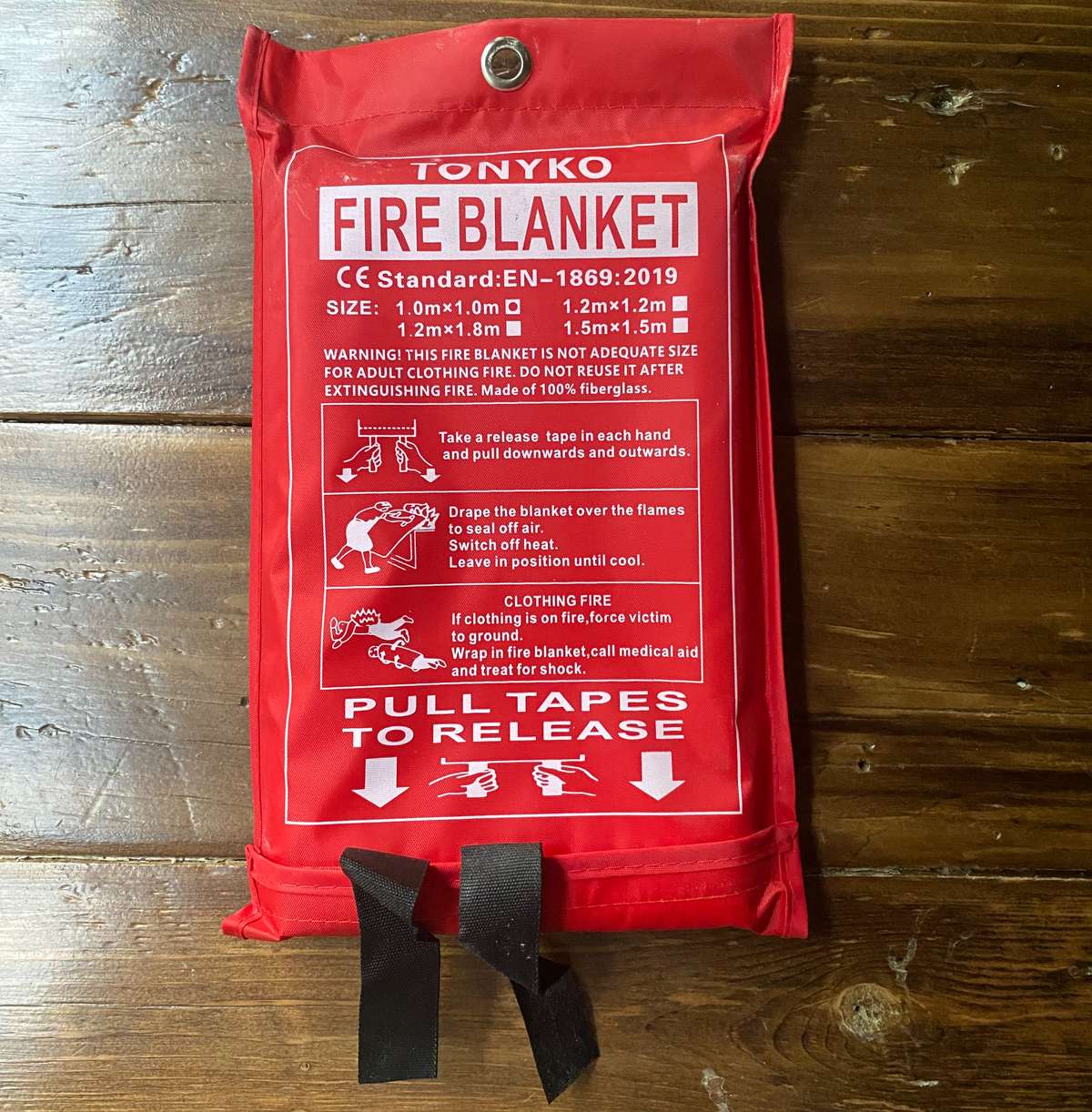
- Smother with a fire blanket to quickly and safely put out the fire.
Electrical fires and wiring issues
Faulty electrical wiring, overloaded circuits, and old or damaged appliances are a significant risk. This is particularly relevant in older homes that may not have the capacity for modern electrical loads. A professional electrician should inspect and upgrade old wiring. Be wary of using extension cords as permanent solutions, and never run cords under rugs or furniture.
Heating equipment fires
Furnaces, space heaters, fireplaces, and chimneys are all potential fire hazards. Space heaters in particular should never be left unattended and should be kept at least 3 feet (1 metre) from any flammable materials, including curtains, bedding, or furniture.
Many local building codes now require specific CO detector installation requirements for homes with attached garages or fuel-burning fireplaces.
Wood stove fire safety
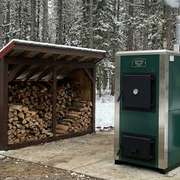
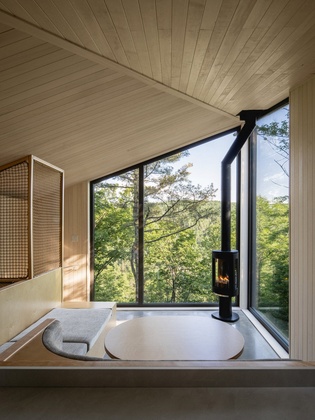
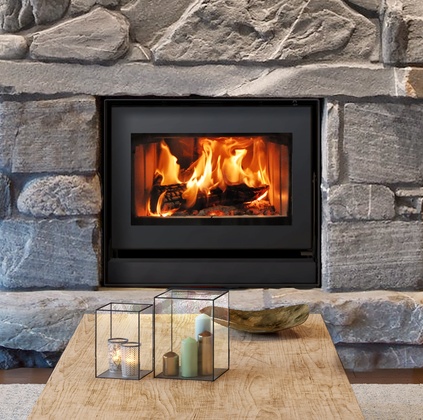
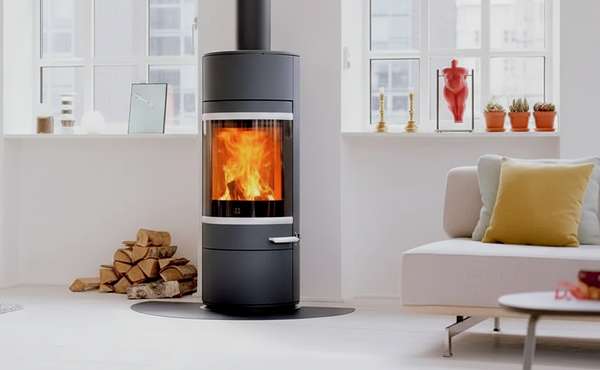
A wood stove can be an efficient and cozy way to heat a home, but it requires diligent maintenance and careful operation to remain safe. In addition to a dedicated heat source, it is also a potential source of fire and carbon monoxide poisoning if not used and maintained correctly. See our buyers guide to find and install the most efficient wood stove.
Chimney cleaning and creosote buildup
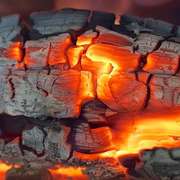
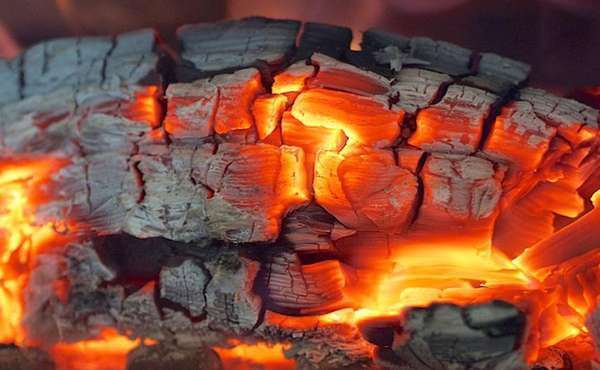
Regular chimney cleaning is extremely important for fire safety. Chimneys and wood stoves must be regularly inspected and cleaned to prevent creosote buildup, which is highly combustible. When wood is burned, it produces a residue called creosote, which is a highly combustible substance. It builds up on the inside of the chimney flue and when enough creosote accumulates it can ignite, leading to a dangerous chimney fire.
These fires can reach extremely high temperatures, often exceeding 1,100°C (2,000°F), and can spread to the rest of the house. To prevent this, a professional should inspect and clean your chimney annually.
Wood stove direct air feeds and avoiding backdrafts
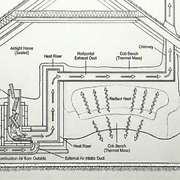
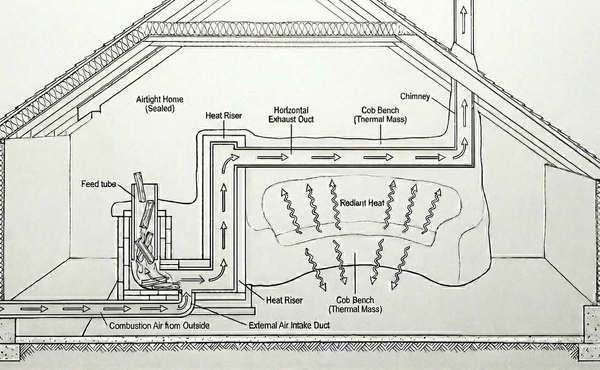
A backdraft occurs when a pressure imbalance causes smoke to be drawn back into the house instead of up the chimney. This can happen when a stove is lit in a very airtight home. A direct air feed, which pipes outside air directly to the stove for combustion, is an excellent solution for modern, airtight homes.
Providing oxygen from outside the home through a metal vent pipe prevents the stove from drawing air from the living space, which offers a dramatic improvement in energy efficiency. Without a direct feed your woodstove will draw already heated air from the room, air you paid to heat already, when you could be using cold exterior air.
When stoves pull air from the room it depressurizes your home, which increases the risk of backdrafts. Woodstoves and direct air feeds should always be installed by licensed professionals in accordance with the stove manufacturer's instructions.
The importance of carbon monoxide detectors
While a stove is burning, incomplete combustion can produce carbon monoxide (CO), a colorless, odorless gas that can be fatal. A wood stove that is not properly ventilated or a chimney that is blocked can cause CO to leak into the home. For this reason, a carbon monoxide detector is an essential safety device in any home with a wood stove and should be installed on every floor, especially near sleeping areas.
Choosing and placing smoke alarms and carbon monoxide detectors
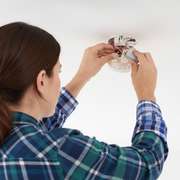
Smoke alarms are your first line of defense. They provide crucial early warning, giving you and your family precious time to escape. There are two primary types of smoke alarms, and understanding the difference is key to proper placement.
Ionization vs. photoelectric smoke alarms
Ionization smoke alarms are better at detecting small, fast-moving fires with little smoke, such as a fire caused by flammable liquids or an electrical short circuit. Photoelectric smoke alarms are more effective at detecting large, smouldering fires with thick, dark smoke, such as a fire started by a lit cigarette or an overheating couch.
Many fire safety experts now recommend installing both types or using a dual-sensor alarm to ensure comprehensive protection. In some regions, like the UK and Australia, dual-sensor or photoelectric alarms are now mandated in new homes.
Proper smoke detector placement and maintenance
The International Residential Code (IRC) and other international codes generally require a smoke alarm on every level of a home, including the basement, and inside every bedroom. For maximum protection, place them in hallways outside of sleeping areas.
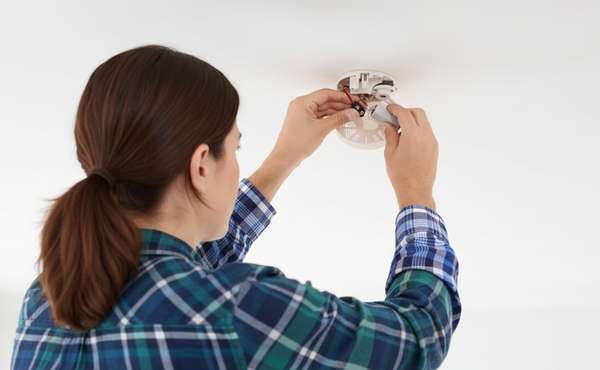
Carbon monoxide (CO) detectors should also be placed on every level and near sleeping areas, as CO is a silent, odorless gas. Test your alarms monthly and replace batteries every six months, or replace the entire unit every 10 years.
Developing a home fire escape plan
A fire escape plan is a simple, yet life-saving, tool. It prepares every member of the household for an emergency and removes the guesswork from a high-stress situation. This plan should be practiced regularly, not just created once.
Creating your escape plan
Start by drawing a floor plan of your home, marking all doors and windows. For each room, identify at least two possible escape routes. One should be the primary route (usually the door), and the second could be a window. Also designate a safe family meeting spot a safe distance away from the home.
Everyone in the household should know that once you are out, you stay out. All occupants should know their primary and secondary escape routes from their bedrooms. It is also important that all bedroom windows are easily openable for egress.
Second story escape techniques
For homes with a second story or higher, escaping from a bedroom window presents a unique challenge, so having a fire escape plan in place could save your life. While a ground-floor window might offer a quick exit, a second-story window requires a safe method to get to the ground. This is especially important as a secondary escape route in case the primary exit through a hallway is blocked by fire or smoke.
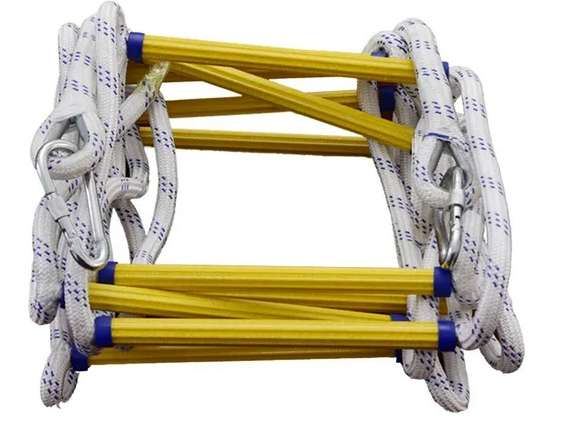
Emergency rope ladders
Emergency rope ladders are a popular and affordable solution for second-story escape. They are typically stored in a box or bag near the window and can be quickly deployed when needed. They are designed to hook securely onto the window frame, allowing a person to climb down safely.
It's crucial to purchase a ladder that is rated for the correct weight and length and to practice deploying it in a non-emergency situation to ensure you know how to use it.
Permanent fire escapes
In some jurisdictions and for multi-unit dwellings, permanent fire escapes are a code requirement. These are often metal staircases attached to the exterior of a building. While they are a very reliable escape method, they are not typically a feature in modern residential single-family homes.
However, a homeowner could potentially install a discreet, well-designed exterior staircase as a creative and permanent solution for a second-story escape.
Window egress requirements
As mentioned earlier, building codes require specific dimensions for windows in sleeping rooms to ensure they can be used as an escape route. In North America, for example, the IRC requires a minimum clear opening area of 5.7 sq. ft. (0.53 sq. m) and a minimum clear height of 24 inches (61 cm) and width of 20 inches (51 cm). These specifications are key to a safe escape. If your existing windows do not meet these requirements, they should be replaced during a renovation to improve safety.
Avoiding smoke inhalation
While flames are an obvious danger, it is important to remember that smoke and toxic fumes are the leading cause of death in house fires. During a fire, the air can become thick with smoke and harmful gases that can disorient and incapacitate you in a matter of seconds. Knowing how to avoid smoke inhalation is a critical, life-saving skill.
Stay low and crawl
Smoke rises, so the cleanest air will always be near the floor. If you encounter smoke, drop to your hands and knees and crawl. Staying low will help you see better and, more importantly, breathe air that is less toxic. Keep your head as low as possible and move quickly toward your nearest escape route.
Check for heat before opening doors
Before opening any door during a fire, feel the door and the doorknob with the back of your hand. If they are hot, do not open the door. The fire is likely on the other side, and opening it could allow flames and smoke to rush into your room. If the door is cool, open it slowly and be prepared to slam it shut if you see smoke or fire.
Cover your mouth and nose
If possible, cover your mouth and nose with a cloth, preferably a wet one, to help filter some of the smoke and particles from the air you are breathing. This will not eliminate the danger of toxic gases, but it can provide a few extra moments of protection as you make your escape. Even a dry shirt or pillowcase can offer some benefit.
Home fire sprinkler systems
Residential fire sprinklers are widely considered by fire departments and safety experts to be the most effective way to protect life and property from a home fire. A sprinkler system works by detecting a fire through a heat-sensitive element and releasing water directly onto the source of the fire. This can either extinguish the fire or contain it, giving occupants time to escape.
While sprinklers are an incredibly effective safety measure, they are not currently mandated by national building codes in either the US or Canada for all new single-family homes. However, many local municipalities have adopted stricter codes that require them.
The industry standard for residential sprinkler systems is NFPA 13D, and any system installed must follow its guidelines. Firefighters and fire chiefs across North America highly recommend installing sprinklers in all new construction and major renovations to maximize safety.
Fire suppression for rural homes
In rural areas without a municipal water supply, a standard home sprinkler system may not be viable. However, a specialized system can be designed to overcome this challenge. This involves installing a fire department connection (FDC) on the exterior of the home, which acts as a dedicated input for the sprinkler system's water lines.
In an emergency, a volunteer fire truck or a water tanker can plug a hose directly into the FDC and pump water into the home's system, providing the necessary pressure and flow to suppress a fire. This design is an invaluable safety measure and requires collaboration with the local fire marshal and professional design.
Fire extinguishers and fire-rated doors
While a fire escape plan is for getting out, fire extinguishers and fire-rated doors are tools for containing or extinguishing a fire in its early stages. They are crucial for both homeowners and professionals to consider.
Types of fire extinguishers
Fire extinguishers are classified by the type of fire they can put out: A (wood, paper), B (flammable liquids), C (electrical equipment), and K (cooking oils). A multi-purpose ABC extinguisher is a good choice for most homes, as it can handle common fire types.
A class K extinguisher is recommended for kitchens. Place extinguishers in an accessible location, such as the kitchen and garage, and know how to use them (the PASS acronym: Pull, Aim, Squeeze, Sweep).
The role of fire-rated doors
Fire-rated doors are a critical component of passive fire protection. They are designed to withstand fire for a specific amount of time (e.g., 20, 60, or 90 minutes) and can prevent fire and smoke from spreading between different areas of the home.
They are commonly used between the house and an attached garage, a common source of fire risk. When renovating, ensure that the door you install meets the required fire rating and is properly sealed.
Designing homes for better fire resistance
Building professionals and 'prosumers' have the opportunity to integrate fire safety into the very fabric of a home's design. This goes beyond simple code compliance and contributes to the overall resilience of the structure.
Fire-resistant building materials
Building materials play a crucial role in slowing the spread of fire. Gypsum drywall, for example, contains water molecules that, when heated, are released as steam, which helps to slow down the fire. Other materials like concrete, steel, and fire-treated wood are also used for their fire-resistant properties.
Fire-resistant insulation
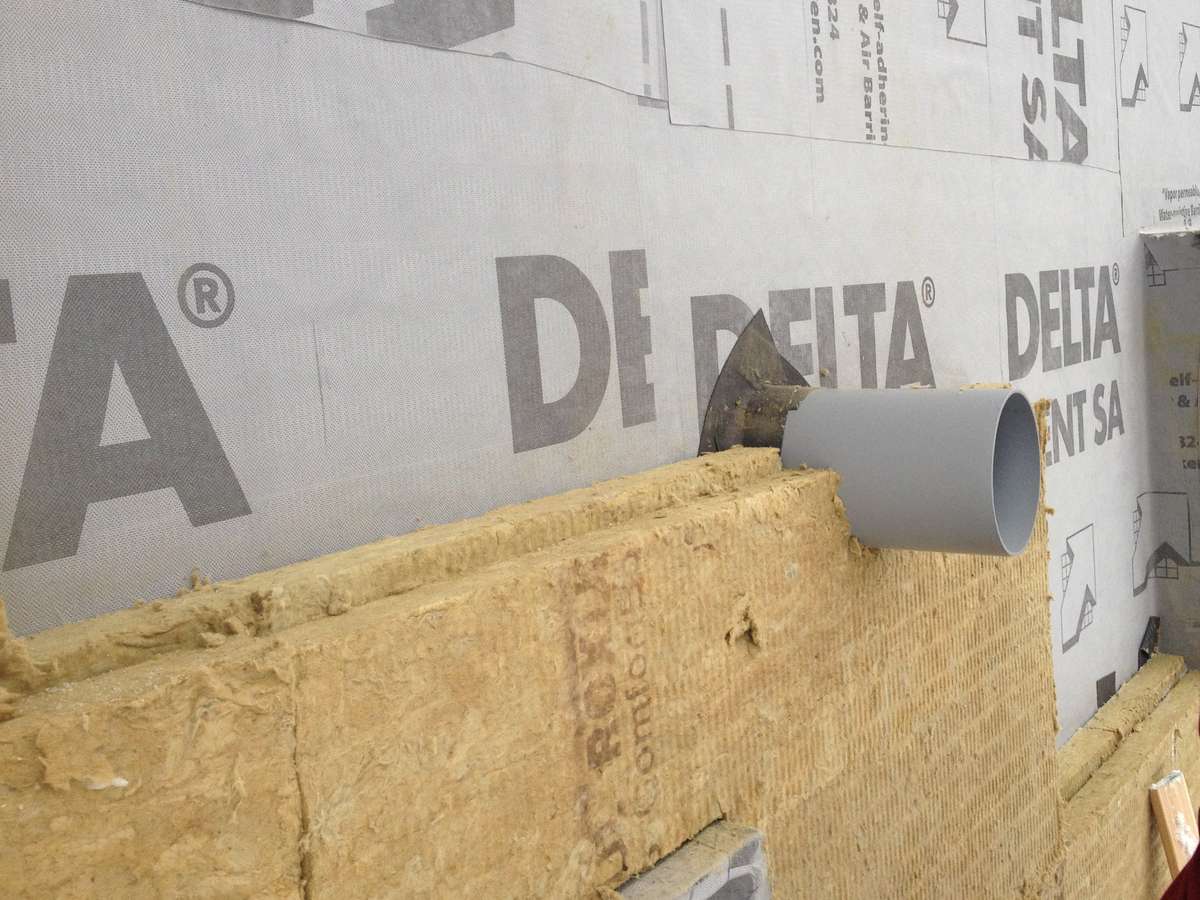
By the time fire may have gotten to your batt insulation you already have a pretty serious problem, but certainly in the case of exterior insulation, the material you choose can make a difference to how much home damage is done. Exterior insulation for new homes and renovations is very effective for energy efficiency, it is also a great opportunity to further improve the fire-resistance of your home.
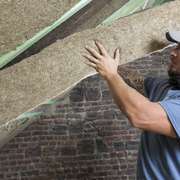
Rigid mineral wool boards for exterior insulation are extremely resistant to fire as it is made from a spun stone dust. I say 'extremely resistant' for wiggle room, but basically its rock and rock doesn't burn.
Fire-resistant home siding
Wood siding is something we do recommend as a more sustainable and aesthetically appealing exterior cladding, but for areas at very high risk of wildfires there are better alternatives. Cement siding is fire proof, metal siding as well.
One product we recommend avoiding is vinyl siding. The environmental impact of its manufacturing process is extremely toxic to the planet (and therefore humans as well), but it is about the worst possible substance to be around if it catches fire. Read here why we recommend avoiding vinyl building materials.
Read the Ecohome wood siding buyers guide to choose the best home siding.
Fire-resistant roofing materials
Class A rated materials such as metal roofing, also roof tiles made of concrete, clay or slate offer superior fire resistance compared to asphalt shingles. Cedar shingles and shakes are a very high fire-risk building material, as beautiful as they are, they are very dangerous in high-risk fire areas.
Compartmentalization and passive design
Passive fire protection involves compartmentalizing a building to contain a fire in its area of origin. This can be achieved through fire-rated walls, floors, and doors. Proper sealing and air sealing also play a vital role. In an energy-efficient home, a high level of airtightness is a key goal.
A properly air-sealed home not only reduces energy consumption but also limits the oxygen supply to a fire, helping to slow its growth. For more on this, check out our guide on the truth about house air sealing and ventilation.

Wildfire safety: creating defensible space
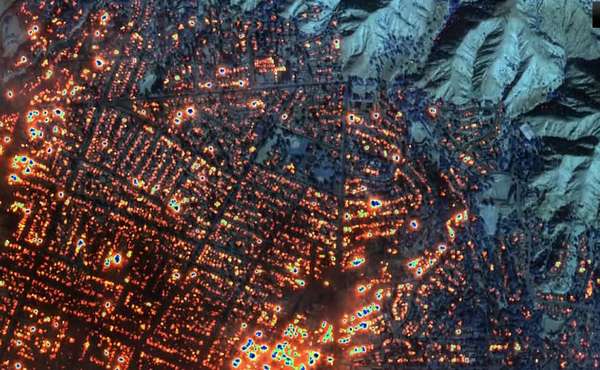
For homes in rural or forested areas, the risk of a wildfire is a major concern. The concept of "defensible space" is an essential strategy for both homeowners and professionals in these regions, which include parts of North America, Australia, New Zealand, and the UK.
What is defensible space?
Defensible space is the area around a building that has been cleared of flammable vegetation and materials. It gives firefighters a safe area to work and helps to slow or stop the spread of a wildfire. This is a critical component of any wildfire mitigation plan. The strategy involves creating three distinct zones around your home, with the goal of eliminating sources of fuel that could ignite your home.
Our conclusions on home fire safety
Fire safety is a multi-layered approach that combines prevention, early detection, and strategic design. For homeowners, this means understanding common risks, having a working smoke alarm system, and practicing an escape plan, including having a strategy for escaping from upper-story windows and knowing how to avoid smoke inhalation.
For professionals, it involves meeting and exceeding code requirements by integrating fire-resistant materials and design principles that compartmentalize a home. This also includes the use of home sprinkler systems, which are highly recommended, and specialized suppression systems for rural homes. By focusing on these key areas, you can significantly reduce the risk of a home fire and create a safer environment for everyone.
Now that you know more about home fire safety, find more info about fire-resistant building and green building techniques in the Ecohome Green Building Guide and these pages below:
-
Emergency preparedness for homes
-
Using your electric vehicle to power your house during a power outage
-
How to keep wildfire smoke out of your home
-
Sign up for the Ecohome resilient home design basics webinar
-
Flame retardants in furnishings - an unnecessary health risk






Comments (0)
Sign Up to Comment