

Cedar shingles & shakes: a homeowner's & pro's guide
Cedar shingles and shakes give a home a very natural feel that enhances any home's curb appeal. Known for their durability and insulation properties, these roofing and siding materials provide a beautiful, sustainable option for both new builds and renovations. This guide explores everything from their distinct characteristics and installation techniques to long-term maintenance and environmental considerations, offering valuable insights for both homeowners planning a project and professionals seeking detailed technical information.
- What's the Difference: Shingles vs. Shakes
- Types of Cedar & Grades
- Benefits of Cedar Shingles & Shakes
- Installation Considerations
- Maintenance and Longevity
- Fire Resistance & Treatments
- Cost Analysis of Cedar Shingles & Shakes
- Sustainability & Environmental Impact
What's the difference: shingles vs. shakes
The terms 'cedar shingles' and 'cedar shakes' get used interchangeably, even when used as siding on a home, but they have distinct characteristics that influence their appearance, performance, and cost. Understanding these differences is crucial for selecting the right roofing materials for your project, you can always look at some of the cedar shake and shingle products in the Ecohome green products directory.
Cedar Shingles: A Refined, Uniform Look
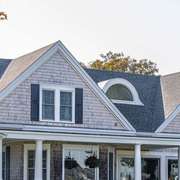
Cedar shingles are machine-sawn, resulting in a more uniform thickness and a smoother, more tailored appearance. They are typically thinner than shakes and have consistent edges that allow for a tighter, more precise installation. Shingles offer a more classic look than shakes if you are after a more traditional or formal architectural style; however, since it is wood shingles, it is not going to put your house into the category of cutting-edge modern architecture.
Cedar Shakes: Rustic Charm and Texture
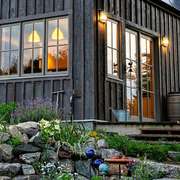
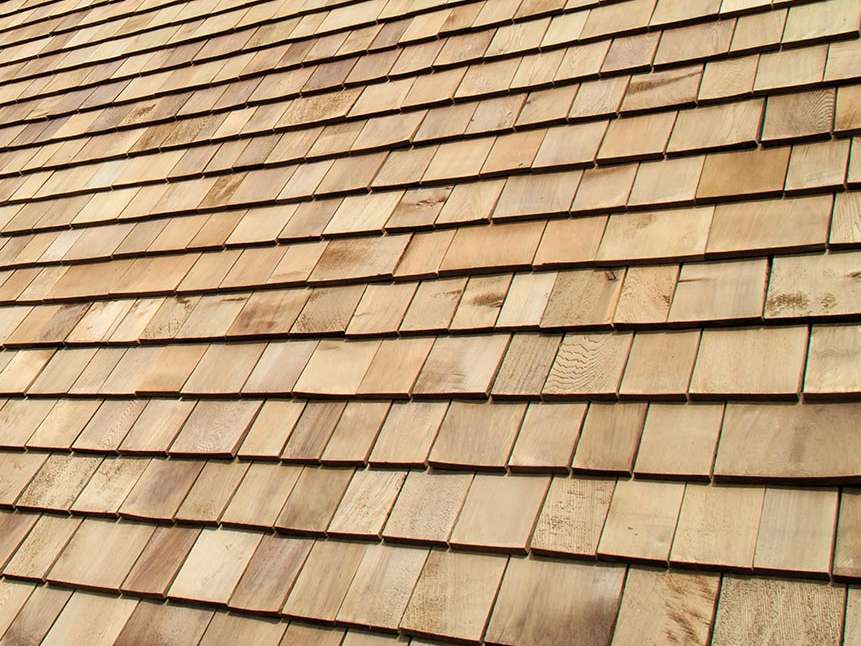
Cedar shakes, on the other hand, are primarily split by hand or machine and offer a house a more rugged, handmade kind of rustic appearance. They vary in thickness, often thicker at the butt end, and have an uneven surface because they follow the grain of the wood. Shakes give a more weathered look, suiting craftsman, rustic, or cabin-style homes due to the depth that comes with that uneven surface.
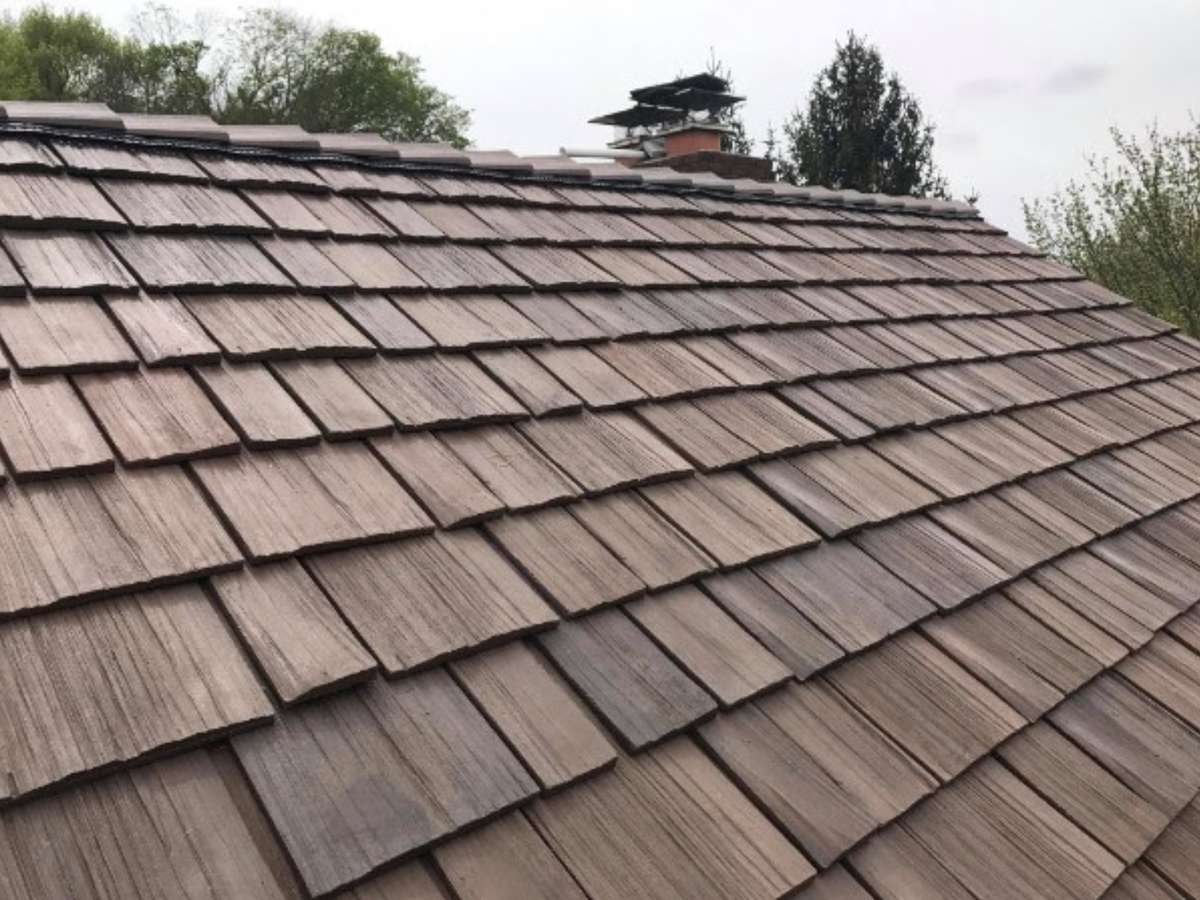
Key Distinctions Summarized
- Manufacturing Method: Shingles are sawn; shakes are split (though tapersawn shakes exist, combining attributes).
- Appearance: Shingles are smooth and uniform; shakes are rough and varied.
- Thickness: Shingles are generally thinner; shakes are thicker.
- Aesthetic: Shingles offer a classic, clean look; shakes provide a rustic, textured appeal.
Types of cedar & grades
The type of cedar used and its grade significantly impact the quality, durability, and appearance of shingles and shakes. Understanding these classifications is essential for making an informed choice for your project.
Primary Cedar Species
- Western Red Cedar (Thuja plicata): This is the most common and highly regarded species for shingles and shakes, particularly from the Pacific Northwest (US & Canada). It is prized for its natural resistance to decay, insects, and moisture due to its inherent oils. Its color ranges from a light yellowish-brown to a darker reddish-brown, which weathers to a beautiful silver-grey over time. Canadian Western Red Cedar is often denser than British-grown varieties, impacting strength and durability for certain applications.
- Northern White Cedar (Thuja occidentalis): Found primarily in Eastern North America, this cedar is lighter in color and typically used for shingles. While also naturally decay-resistant, it is generally less dense than Western Red Cedar.
- Alaskan Yellow Cedar (Cupressus nootkatensis): Known for its exceptional hardness and durability, Alaskan Yellow Cedar has a more consistent, pale yellow color. It is highly resistant to wear and decay, making it a premium choice.
Grading Systems for Cedar Shakes and Shingles
In North America, the Cedar Shake & Shingle Bureau (CSSB) sets industry standards with its 'Certi-label' grading system. These grades ensure quality and consistency:
-
No. 1 Grade ('Blue Label')
This is the highest quality grade. It indicates 100% clear, 100% edge grain, and 100% heartwood material. No. 1 grade shingles and shakes are free from defects like knots, sapwood, and rot, offering maximum durability and a premium appearance. They are ideal for roofing and high-visibility siding applications.
-
No. 2 Grade ('Red Label')
This grade allows for some limited defects, such as flat grain, sapwood, and small knots. While still a good choice, especially for siding or secondary roofing, they may not offer the same longevity or uniform aesthetic as No. 1 grade products.
-
No. 3 Grade ('Black Label')
This is the utility grade, permitting more defects including knots, sapwood, and uneven grain. No. 3 grade is generally suitable for undersheathing, starter courses, or areas where appearance is less critical.
For a global audience, it's important to note that specific grading standards can vary by region, though the principles of quality based on grain, defects, and species remain consistent.
Benefits of cedar shingles & shakes
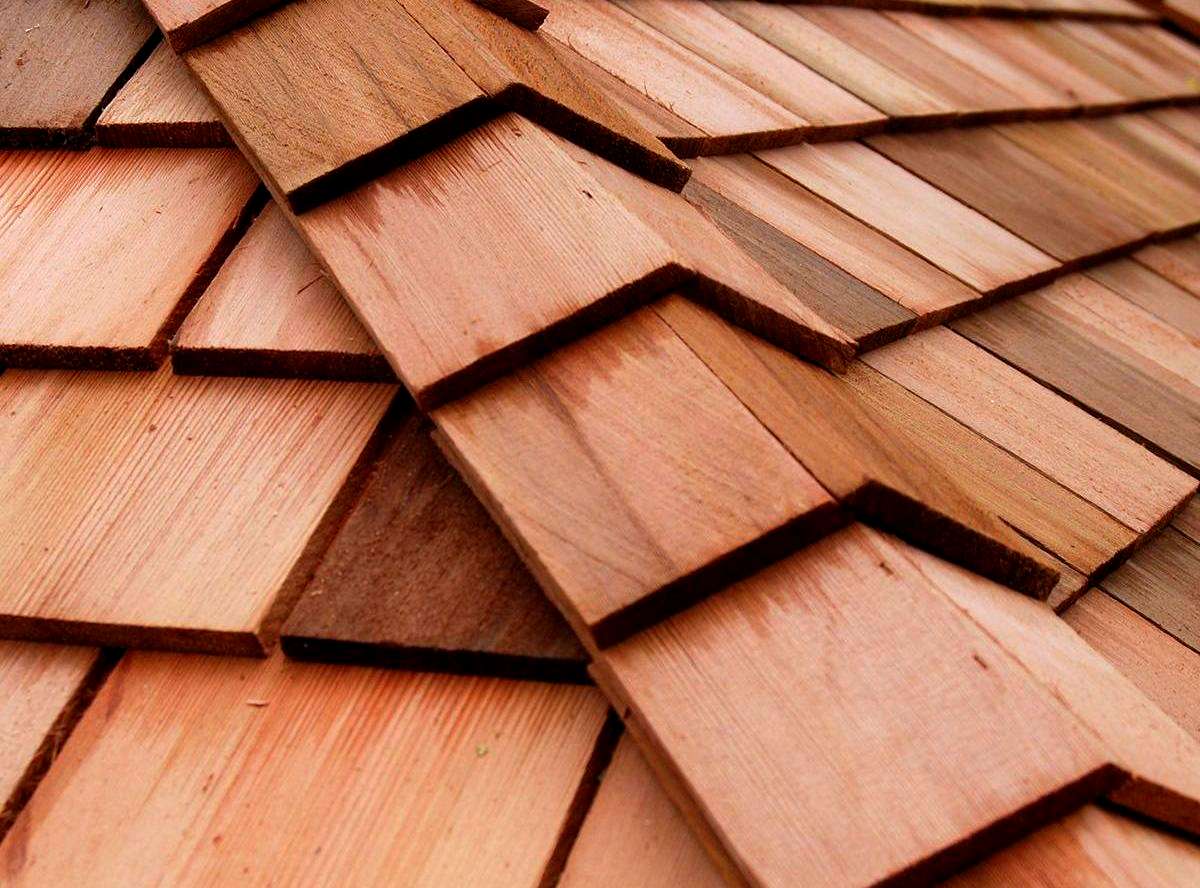
We would suggest that the first notable benefit of cedar shakes or shingles is that wood is a natural and renewable resource; it is non-toxic and honestly just nice to work with and look at. They blend a really nice aesthetic appeal with practical performance and environmental responsibility. Every building material has some sort of downside and cedar shakes and shingles certainly aren't without those, but the natural visual appeal of cedar always stands out.
Exceptional Aesthetic Appeal
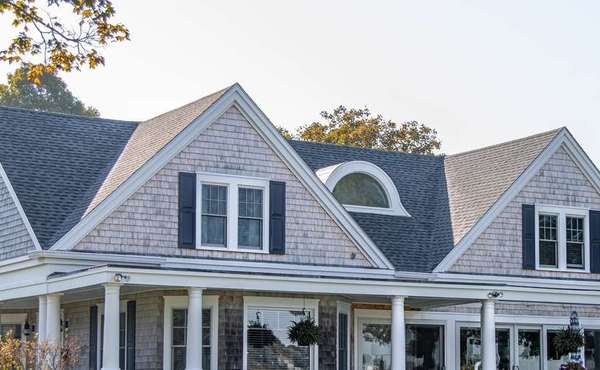
Cedar provides a natural, organic beauty that is difficult to replicate with other materials, particularly the way it weathers over time and develops a unique silver-grey patina that adds character and integrates really well with natural landscapes. Whether you prefer the clean lines of cedar shingles or the rustic texture of shakes, cedar adapts to various architectural styles, from traditional to modern.
Durability and Longevity
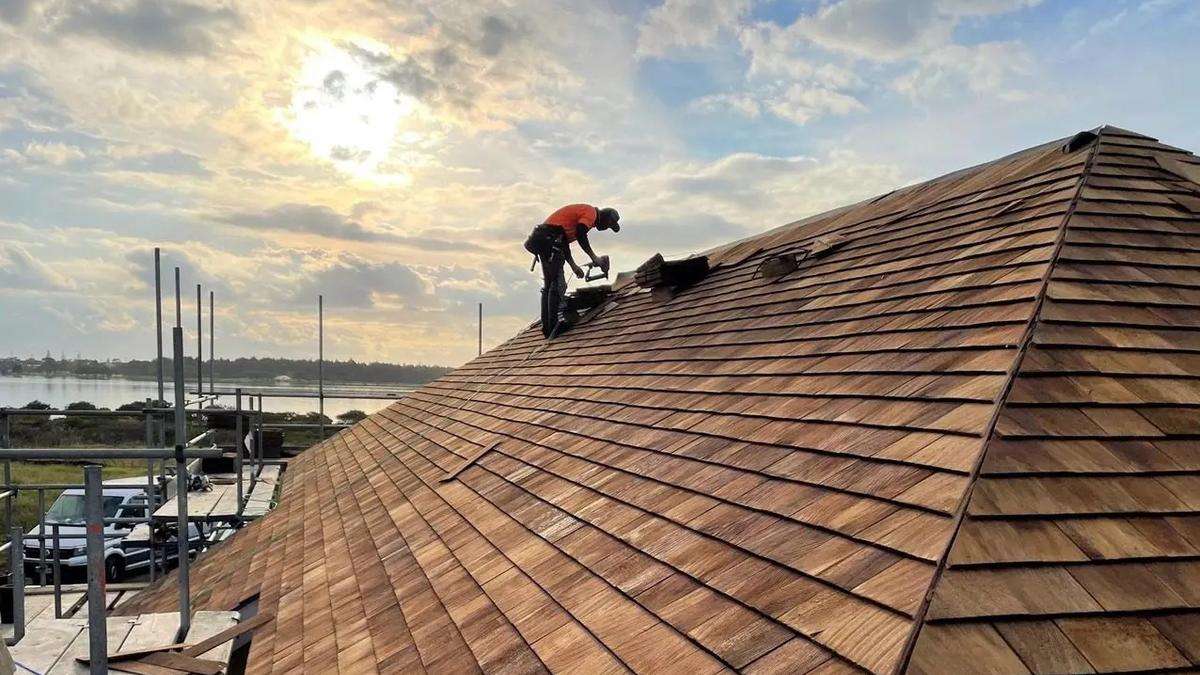
With proper installation and maintenance, cedar shingles and shakes are remarkably durable. They can withstand harsh weather conditions, including strong winds, heavy snow, and hail. The natural oils in cedar act as inherent preservatives, making the wood resistant to decay, rot, and insect infestations. While often cited for a lifespan of 30 years or more, well-maintained cedar roofs can last considerably longer, even up to 50 years in some cases, often outperforming many other roofing materials.
Natural Insulation Properties
Cedar is a natural insulator. Its cellular structure creates air pockets that help to regulate indoor temperatures, reducing heat loss in winter and heat gain in summer. This can lead to improved energy efficiency for your home, potentially lowering heating and cooling costs. The R-value of cedar shingles and shakes contributes to the overall thermal performance of your building envelope.
Sustainability and Environmental Friendliness
Cedar is a renewable resource, especially when sourced from sustainably managed forests. It has a lower embodied energy compared to many manufactured building materials like asphalt shingles or concrete tiles. At the end of their life cycle, cedar products are biodegradable and recyclable, minimizing their environmental impact. This makes cedar an excellent choice for homeowners and professionals committed to green building practices.
For more on looking after this sustainable material, explore the Guide to Safely Cleaning & Preserving Cedar Roofs.
Wind Resistance
When installed correctly, cedar shingles and shakes offer excellent wind resistance. Their individual fastening allows them to flex slightly under high wind loads, rather than fracturing or tearing off in large sections, providing reliable protection for your home.
Sound Dampening Qualities
The density and texture of cedar also contribute to its sound-dampening properties. A cedar roof or siding can help to reduce outside noise, creating a quieter and more peaceful indoor environment.
Installation considerations for cedar roofs
Proper installation is paramount for maximizing the lifespan and performance of cedar shingles and shakes. Both homeowners and professionals should understand the critical steps and regional variations involved with fitting a cedar roof - and it might even be a great idea to talk to some local roofing contractors to see what a professional cedar roof install might cost.
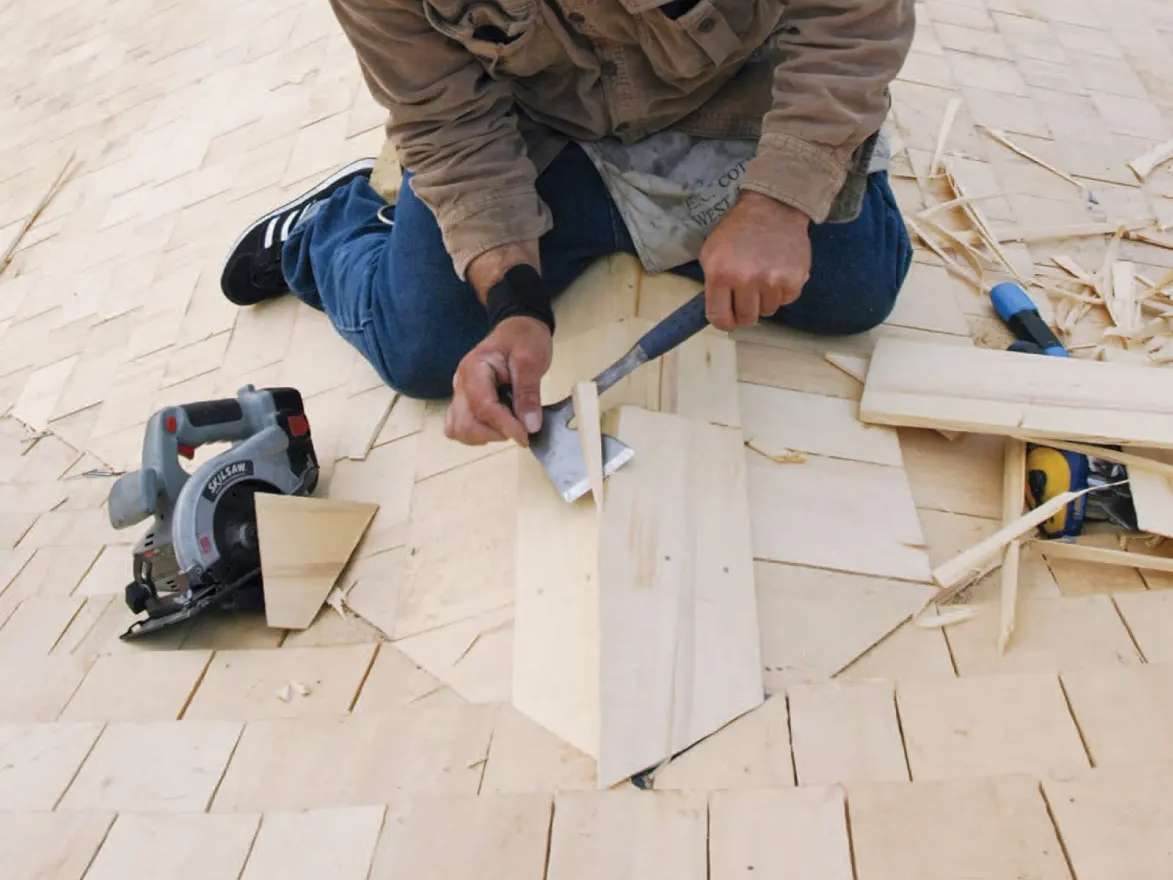
Key Principles for Optimal Performance
-
Ventilation and Drainage Plane
Crucial for preventing moisture build-up and extending longevity. An airspace and drainage plane behind the shingles/shakes allow for proper drying. For siding, a simple and effective method is using a dimpled foundation membrane cut into strips to create this space, allowing both airflow and vertical drainage. This prevents moisture from being trapped against the sheathing, reducing the risk of rot and mold.
-
Fasteners
Use corrosion-resistant fasteners, such as stainless steel nails or staples. For North American applications, silicon bronze nails (e.g., 1.2 inches (31 mm) x 0.07 inches (1.8 mm) for shingles, 1.8 inches (45 mm) x 0.1 inches (2.65 mm) for hips and ridges) are recommended. Fasteners should be long enough to penetrate the sheathing or strapping adequately.
-
Exposure and Overlap
The "exposure" (the portion of the shingle/shake left exposed to the weather) is critical and varies based on roof pitch and shingle/shake length. Proper overlap ensures water sheds effectively. For example, 24-inch (61 cm) 'Royals' shingles can have a maximum exposure of 7.5 inches (19 cm) on roofs with a 3:12 pitch or steeper.
-
Spacing and Expansion
Leave a small gap (e.g., 0.2 inches (5 mm)) between individual shingles/shakes to allow for natural expansion and contraction due to moisture and temperature changes. This prevents buckling and cracking.
-
Starter Course and Double Courses
A double starter course is typically required at the eaves (or bottom edge) of a roof or siding wall to ensure proper coverage and water shedding. Similarly, a double course is often used at the ridge for roofing.
-
Broken Bond Pattern
Maintain a 'broken bond' pattern throughout the installation, meaning that the joints of adjacent courses do not align. This enhances structural integrity and prevents water penetration.
Regional Adaptations
While the core principles remain, some regional nuances exist:
- North America (US & Canada): Western Red Cedar is dominant. Installation practices often follow CSSB guidelines. There's a strong emphasis on proper ventilation and drainage planes, especially in humid or freeze-thaw climates.
- UK, Australia, and New Zealand: While Western Red Cedar is imported, local timber preferences and building codes might influence practices. The importance of a vapor-permeable underlayment and counter battens for ventilation is frequently emphasized, particularly in the UK. Overhangs (e.g., 1.5 inches (38 mm) at verges and eaves) are specified to protect building elements.
Always consult local building codes and professional installers for region-specific requirements and best practices.
Maintenance and longevity
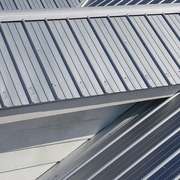
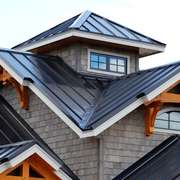
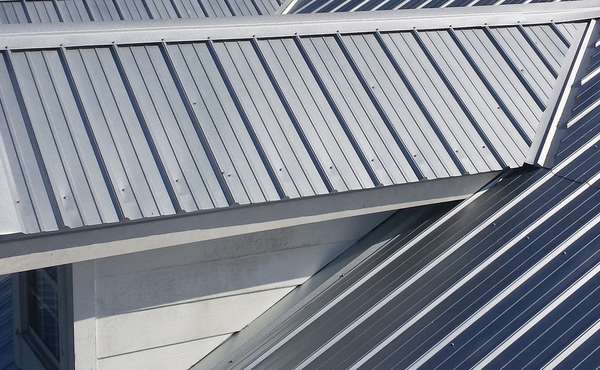
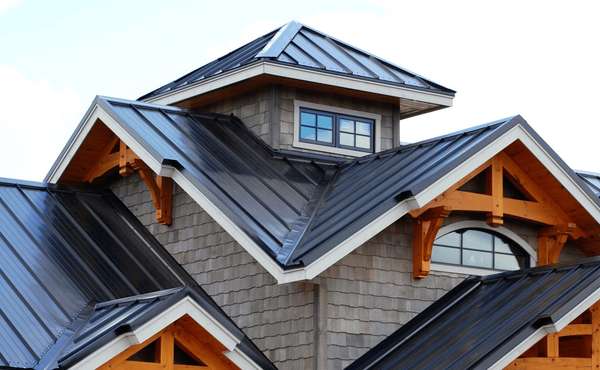
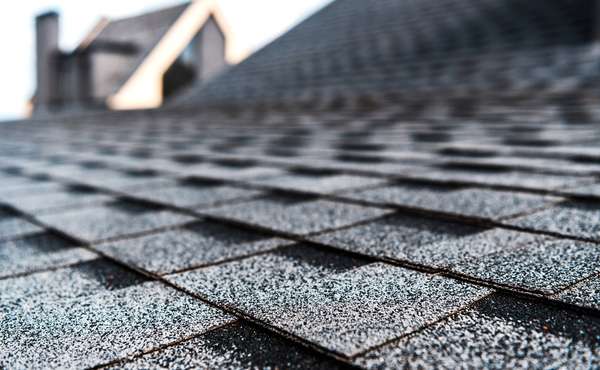
Now we get to the big downside of cedar shakes and shingles, as this is by no means a low-maintenance choice of roof coverings. On one end of the scale in that respect is metal roofing, which is very low-maintenance compared to asphalt shingles, and cedar roof coverings are a good candidate to represent the other end of that scale. While cedar shingles and shakes are inherently durable, consistent maintenance is key to maximizing their lifespan and preserving their aesthetic appeal. Neglecting proper care can significantly shorten their effective life.

Regular Inspections and Cleaning
Perform semi-annual inspections (ideally in spring and fall, and after severe weather events) to check for:
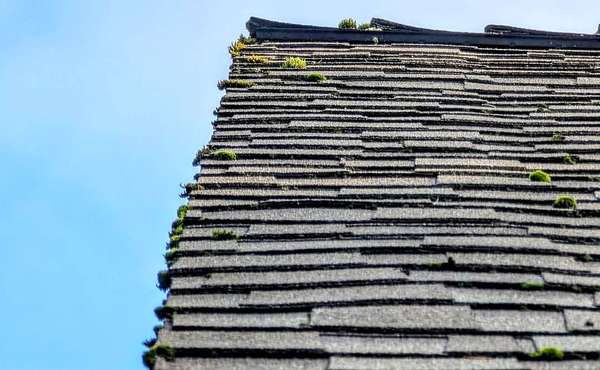
- Debris Accumulation: Leaves, pine needles, and other organic debris trap moisture, promoting the growth of moss, algae, lichen, and fungi. Promptly remove all debris from the roof and siding, especially from valleys and around chimneys.
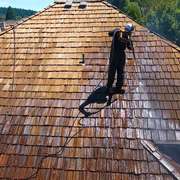
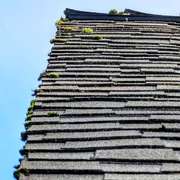
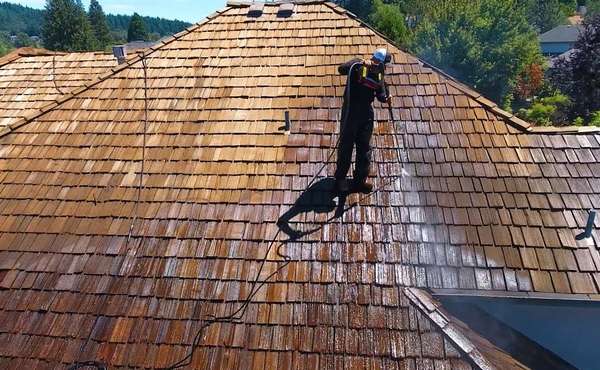
- Moss, Algae, and Fungi Growth: These organisms retain moisture and can cause the wood to break down, becoming stringy, spongy, and prone to rot. While power washing can clean the surface, it must be done professionally with low pressure to avoid damaging the wood or forcing water underneath the shingles.
- Damaged or Missing Shakes/Shingles: Replace cracked, split, or missing pieces promptly to prevent water infiltration and further damage.
- Gutter Condition: Clean gutters regularly to ensure proper water diversion away from the roof and foundation. Blocked gutters can lead to water pooling, accelerating deterioration.
Protective Treatments
To enhance longevity and protect against environmental stressors, consider:
- Water and Fire Repellents: Professional application of these treatments every 1 to 3 years can significantly extend the life of your cedar roof or siding.
- Fungicides and Algaecides: These chemicals inhibit the growth of damaging organisms. Some products combine water repellents with fungicides.
- UV Protection: While cedar naturally weathers to grey, UV radiation degrades lignin, the natural glue in wood. Applying treatments with UV inhibitors can slow this process and help maintain the wood's original color if desired.
Pest Control
Cedar's natural resistance to insects is a benefit, but regular inspections should still include checking for signs of pest activity (e.g., squirrels, rats) that could exploit damaged areas and cause further structural harm- as well as keeping an eye out for carpenter bee infestation.
Factors Influencing Lifespan
Several factors beyond maintenance affect how long cedar shingles and shakes last:
- Climate: High humidity can accelerate mold and rot. Cold climates with freeze-thaw cycles can make wood brittle.
- UV Light Exposure: Direct, prolonged sunlight contributes to surface degradation.
- Roof Pitch and Orientation: Steeper pitches shed water more effectively. Orientation influences sun exposure and drying time.
- Quality of Installation: Poor installation is a leading cause of premature failure.
- Type and Grade of Cedar: Higher grades and denser species generally last longer.
Fire resistance & treatments
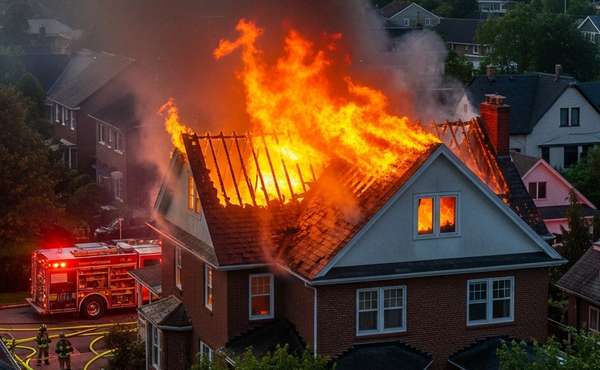
One of the primary concerns with natural wood roofing and siding, including cedar, is its susceptibility to fire. However, advancements in treatment and alternative materials address these concerns, providing safer options for homeowners and professionals.
Understanding Fire Ratings
Building materials are classified for fire resistance based on rigorous testing by certified third-party laboratories like Underwriters Laboratory (UL). Ratings typically range from Class A (highest resistance) to Class C (lowest). Untreated cedar shingles and shakes generally have a Class C fire rating, meaning they can spread flame relatively quickly.
Fire-Retardant Treatments
To improve fire performance, cedar products can be pressure-treated with fire-retardant chemicals. These treatments penetrate the wood fibers, significantly reducing their flammability and flame spread. Treated cedar shingles and shakes can achieve higher fire ratings, often Class B or even Class A, making them viable for areas with stricter fire codes.
- Application: Treatments are typically applied during the manufacturing process, ensuring even saturation. Post-installation topical treatments are less effective and generally not recommended for fire resistance.
- Longevity: The effectiveness of fire-retardant treatments can diminish over time, particularly with exposure to weather. It is important to confirm the longevity and reapplication requirements of any treated product.
Always verify that treated cedar products meet local building codes and fire safety regulations, especially in wildfire-prone regions where untreated wood roofs may be restricted or banned.
Synthetic Alternatives
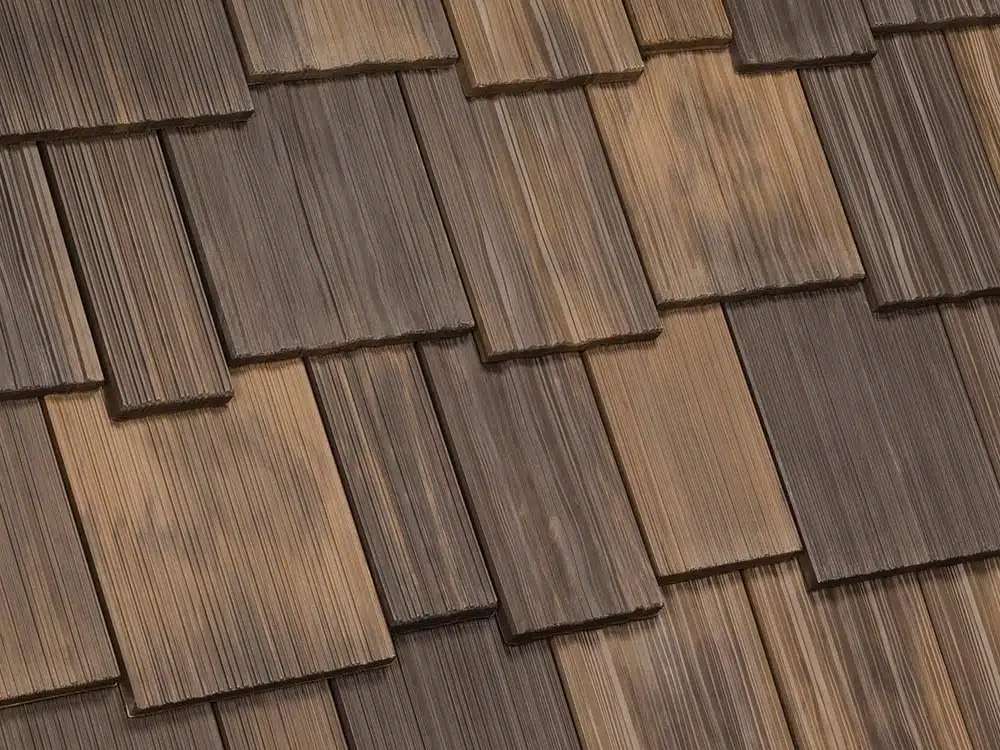
For those seeking the aesthetic of cedar without the fire concerns or maintenance demands of natural wood, synthetic cedar shakes and shingles are an increasingly popular solution. These products are made from composite materials (often recycled plastics, elastomers, and cellulosic fibers) and are engineered to replicate the look of cedar while offering superior fire resistance (often Class A rated), durability, and minimal maintenance.
Brands like Enviroshake produce synthetic alternatives that are virtually maintenance-free, mold-, mildew-, and insect-resistant, and highly impact and wind resistant. They also offer environmental benefits, being made from recycled materials and often fully recyclable at the end of their lifespan.
Cost analysis of cedar shingles & shakes
Investing in cedar shingles or shakes involves a higher upfront cost compared to many conventional roofing and siding materials. However, their potential longevity, aesthetic value, and natural insulation properties can offer long-term value. Understanding the various cost factors is important for accurate budgeting.
Material Costs
The cost of cedar shingles and shakes varies significantly based on type, grade, and sourcing:
- Cedar Shingles: Typically range from $6 to $10 CAD/USD per square foot (0.09 square meters) for materials.
- Cedar Shakes: Generally more expensive due to their thicker, more rustic nature, costing between $8 to $16 CAD/USD per square foot (0.09 square meters) for materials. Premium or high-end shakes can reach up to $22 CAD/USD per square foot (0.09 square meters).
- Species and Grade: Western Red Cedar, especially in No. 1 ("Blue Label") grade, will be at the higher end of the price spectrum.
- Treatments: Factory-applied fire-retardant or preservative treatments will add to the material cost.
Installation Costs
Labor is a significant component of the total project cost. Cedar shingle and shake installation is more labor-intensive than asphalt shingles, requiring specialized skills:
- Labor Rates: Installation typically ranges from $3 to $7 CAD/USD per square foot (0.09 square meters).
- Roof Complexity: Roofs with multiple valleys, steep pitches, intricate designs, or existing structures that require extensive tear-off and prep work will incur higher labor costs.
- Regional Differences: Labor rates and material availability vary by geographic location (e.g., North America, UK, Australia, New Zealand).
Total Project Cost Examples (for a 2,000 sq. ft. / 186 sq. m. roof)
- Cedar Shingles: Expect a total installed cost of approximately $12,000 to $20,000 CAD/USD.
- Cedar Shakes: Expect a total installed cost of approximately $16,000 to $32,000 CAD/USD.
These figures are estimates for 2025 and can fluctuate based on market conditions, specific product choices, and local factors.
Long-Term Value and Maintenance Costs
While the initial outlay is higher, consider the following:
- Lifespan: A well-maintained cedar roof can last 30-50 years, significantly longer than many asphalt roofs (15-20 years), potentially offsetting the initial investment over its lifetime - although the newer cedar roofs don't seem to last as long as the original old-growth cedar shakes did.
- Maintenance: Natural cedar requires regular maintenance (cleaning, inspections, potential treatments) which can cost between $500 to $1,000 CAD/USD annually on average. Factor this into your long-term budget.
- Resale Value: The aesthetic appeal and natural prestige of cedar can enhance a home's resale value.
For more insights into optimizing building costs, check out the Ecohome Guide to Building a House on a Budget.
Sustainability and environmental impact
Cedar shingles and shakes can be a highly sustainable building material, but their environmental footprint depends heavily on sourcing practices and life cycle considerations. Both homeowners and professionals should prioritize responsible choices.
Renewable Resource
Cedar is a natural, renewable resource, especially when harvested from well-managed forests. Unlike synthetic or petroleum-based materials, wood grows naturally and can be replenished over time through sustainable forestry practices. Look for certifications like the Forest Stewardship Council (FSC) to ensure responsible sourcing.
Low Embodied Energy
The embodied energy of cedar (the energy required for its extraction, processing, and transportation) is generally lower than that of many manufactured building materials like concrete, steel, or asphalt shingles. The production of cedar shingles and shakes typically generates minimal pollution compared to energy-intensive manufacturing processes.
Biodegradability and Recyclability
At the end of its long service life, natural cedar is fully biodegradable. Untreated cedar can be composted or used as biomass fuel, avoiding landfill waste. This contrasts sharply with materials like asphalt shingles, which are rarely recycled and often end up in landfills.
Durability and Longevity
The extended lifespan of cedar, particularly when properly maintained, means less frequent replacement and thus a reduced demand for new materials and associated environmental impacts over the building's life. This inherent durability is a key environmental benefit.
Potential Concerns and Mitigation
- Chemical Treatments: While beneficial for fire resistance and longevity, some chemical treatments can have environmental impacts. Inquire about the specific chemicals used and their safety profiles.
- Transportation: For Western Red Cedar, transportation from the Pacific Northwest to distant markets (e.g., UK, Australia) adds to its carbon footprint. Local sourcing, where feasible, can reduce this impact.
- Waste During Installation: Minimize waste by accurate measurement and efficient cutting. Excess material can often be repurposed or composted.
For a deeper understanding of green building techniques, refer to the Ecohome Guide to Efficient Green Building Design.
In brief
Cedar shingles and shakes offer a unique blend of natural beauty, durability, and environmental benefits for both roofing and siding applications. While they require a higher initial investment and consistent maintenance compared to some alternatives, their long lifespan, insulating properties, and sustainable characteristics provide significant long-term value. Understanding the distinctions between shingles and shakes, the importance of proper installation, and the options for fire resistance ensures a successful project that enhances both your home's aesthetic and its environmental footprint.
Now that you know more about cedar shingles & shakes, find more info about sustainable roofing & green building techniques in the Ecohome Green Building Guide and these pages below:
-
How to choose the best roof coverings - Ecohome buyers guide
-
Green Roof Cleaning & Treatments: The Complete Guide
-
DIY green roof installation video on the Ecohome Edelweiss Demo House
-
Metal roofing or asphalt shingles - which is best? Ecohome compares
-
Why roofs need to be ventilated and how to ventilate a roof properly







Comments (0)
Sign Up to Comment