

This guide provides a comprehensive look at the key aspects of this topic. Below is an overview of the sections we will cover, allowing you to jump directly to the information you need.
- Comparison: metal vs. wood and other home cladding types
- Durability and performance
- Profiles and aesthetics of metal siding
- Metal siding costs: purchase and maintenance
- Which metal siding should you choose?
- Carbon footprints and the recyclability of metal
Comparison: metal vs. wood and other home cladding types
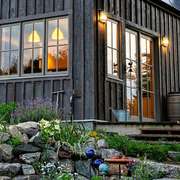
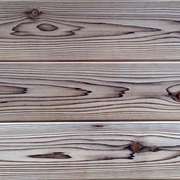
When choosing siding, the unavoidable first consideration is almost always weighing the initial cost against long-term performance. Metal typically sits in the premium category for exterior home cladding, but pays for itself through longevity. While wood siding offers a classic aesthetic, it is somewhat susceptible to rot, moisture absorption, and requires frequent maintenance such as staining or repainting.
Vinyl siding is the most common type of siding and generally the most affordable, but it can crack in cold temperatures and melt in extreme heat. Another concern is that vinyl manufacturing (polyvinyl chloride) is a very toxic process, and in the event of a fire, burning vinyl is about as deadly a substance as you will find.
Metal exterior cladding offers a middle ground on price while leading the pack in durability, offering a non-combustible shield that resists extreme temperature swings without warping or buckling, and it is 100% recyclable at the end of its life.
Durability and performance
The primary job of siding is to protect your home's structural envelope from the elements. Metal siding excels here because it is dimensionally stable. Unlike wood, metal does not absorb moisture, meaning it won't rot, swell, or encourage mold growth behind the panels - a common cause of structural failure in traditional homes.
Modern steel siding is also engineered to withstand impact events like hail better than vinyl. Furthermore, when installed as a rainscreen system, it allows the building to breathe, effectively managing moisture and improving the thermal efficiency of the wall assembly.
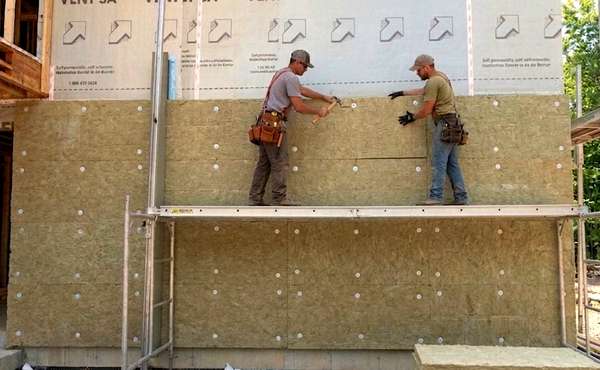
It is imporant to note that any wall assembly and siding type needs to be installed to allow walls to dry. Too often it seems that builders or even designers and architects are not paying attention to the permeability of building materials.
Trapped moisture in walls can be caused by framing with wet wood, poor installation of air barriers, high humidity in homes or many other reasons. Creating an exterior air space where air can flow and water can drain is the key to a durable wall assembly.
There is often confusion that comes from terminology, specifically the word 'breathability'. To be clear, walls should not 'breathe' air, the walls of your home should be airtight. They should 'breathe' in the sense that they let moisture escape, but not air. So the vapor permeability of walls is critical, therefore choosing the right weather barrier for your home can prevent mold and rot.
Profiles and aesthetics of metal siding
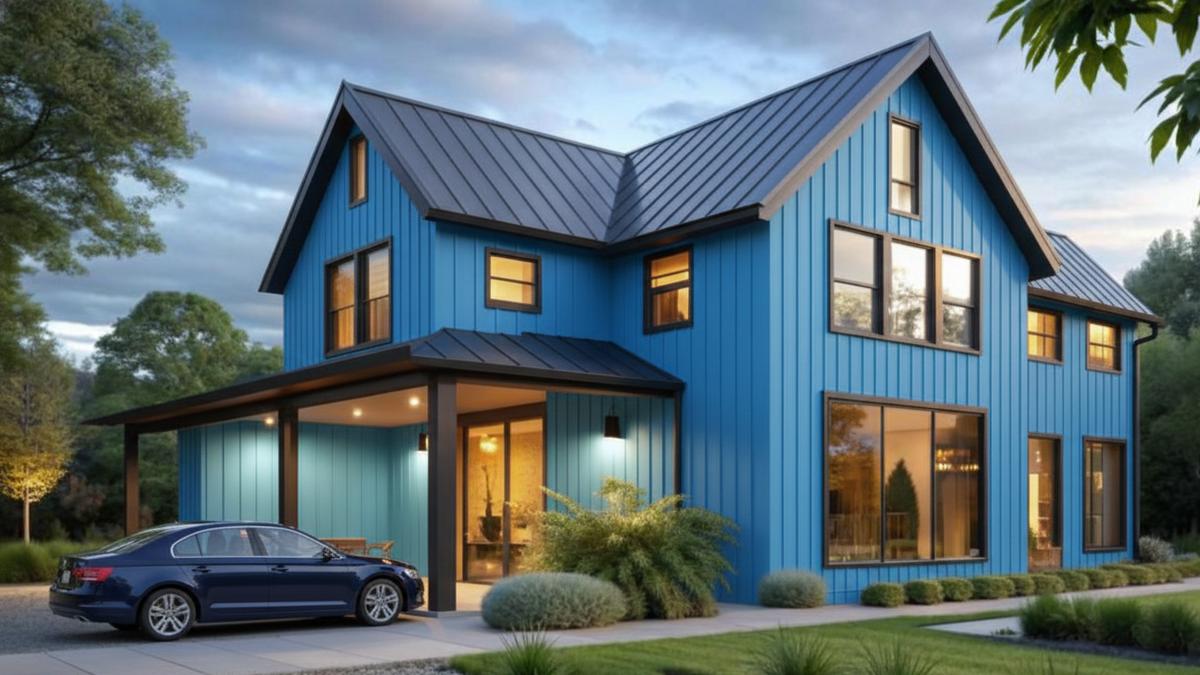
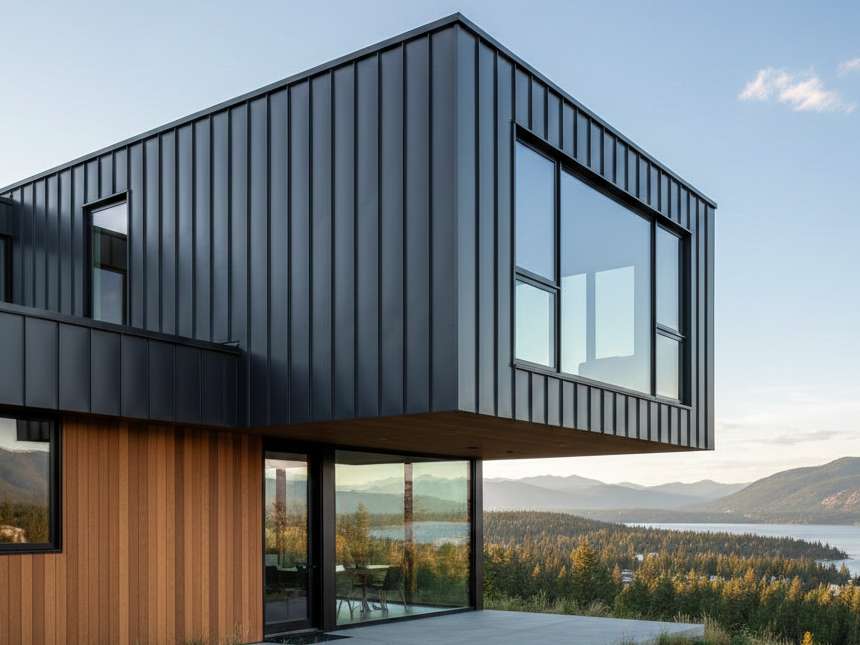
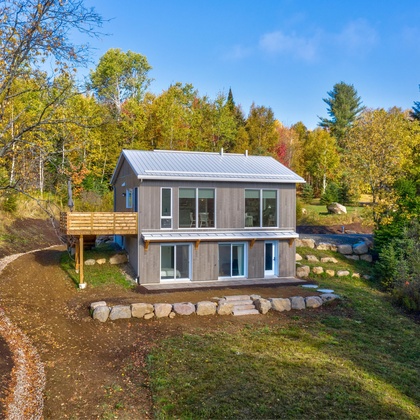
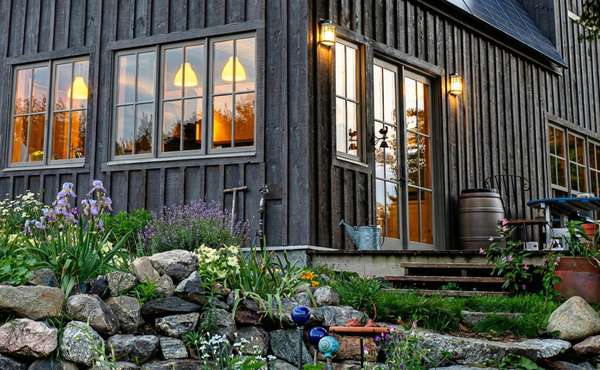
Metal siding has evolved far beyond the simple corrugated look. You can now find profiles that mimic almost any traditional style. Vertical board and batten remains a favorite for modern farmhouse designs, while horizontal shiplap siding provides a traditional residential feel.
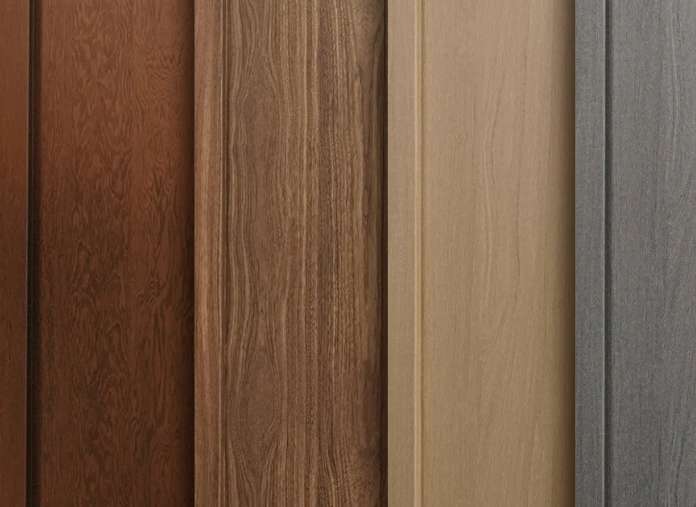
For more industrial or contemporary looks, box-rib and flush-mount panels offer clean lines and hidden fasteners. High-tech paint systems like Kynar PVDF can even print realistic wood textures onto the metal, providing the visual warmth of cedar or walnut with the maintenance-free strength of steel.
Metal siding costs: purchase and maintenance
While the material and labor costs for metal siding can be higher than vinyl - typically ranging from $5 to $16 per square foot - the maintenance savings are significant. Wood siding often requires repainting every 5–7 years, which can cost thousands of dollars per cycle.
In contrast, high-quality metal siding systems are designed to last 40 to 70 years with only an occasional rinse with a garden hose. When factored over the life of a 30-year mortgage, metal is often the most cost-effective cladding choice available.
Which metal siding should you choose?
The choice between steel and aluminum usually depends on your geography. Steel is the workhorse of the industry, offering the highest strength and dent resistance, making it ideal for areas prone to hail or high winds.
However, for those in coastal regions, aluminum is the ideal choice as it is naturally resistant to salt-air corrosion and oxidation. Both materials provide a Class A fire rating, making metal siding an excellent choice for wildfire-prone areas where protecting the home's exterior from embers is a top priority.
Carbon footprints and the recyclability of metal
Extracting raw materials and manufacturing metal products is very energy intensive, but once its out of the ground it is endlessly recyclable. So many of the modern building materials we choose for home construction are one-off throwaway items that fill up our landfills and lead to more resource consumption.
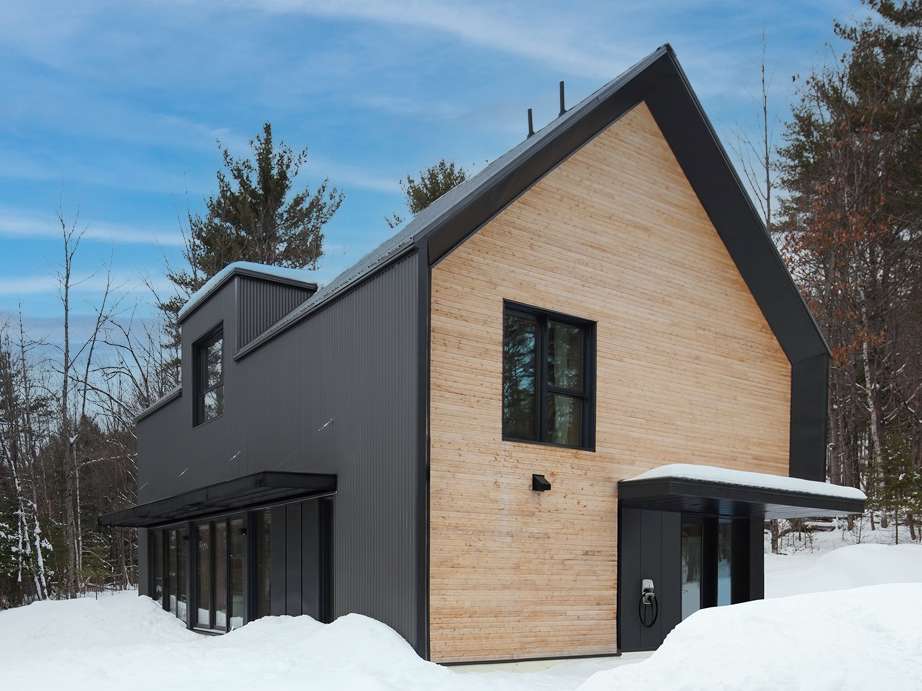
Low-carbon and zero carbon home construction is the way of the future, and the recyclability of materials is a key component to sustainable home construction. Metal as a roof covering or as siding not only has a long lifespan, it is very much reusable and recyclable, so despite the high carbon footprint, we consider metal a very sustainable option for high performance green homes.
Now that you know more about metal siding, find more info about healthy home design and green building techniques in the Ecohome Green Building Guide and these pages below:
-
Choosing the best siding for your home: Aesthetics, cost, maintenance, durability
-
Exterior insulation - the best way to do energy efficient renovations on old homes
-
The complete guide to metal roof cleaning and maintenance
-
Which is better - metal roofing or asphalt shingles?






Comments (0)
Sign Up to Comment