
Hempcrete walls: a homeowner's and pro's guide
More people all the time are looking for more healthy and eco-friendly building materials that are sustainable, resilient and non-toxic. Hemp is one such material. It took a very long time for hemp to take its rightful place in the home bulding industry, due to nothing more than the bad reputation of its smokeable close relative.
When cannabis still had its taboo reputation, hemp clothing, hemp paper, and certainly all types of hemp building materials were looked at sideways in a lot of circles. Now that it has been established that you cannot get high by setting a hemp sweater on fire, the world is lightening up a bit. Well, most of it anyway.
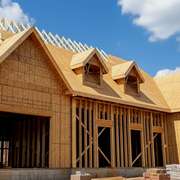
I personally had the opportunity to work on a timber frame hempcrete home about 20 years ago when it was even more of a fringe building technique, and honestly I really enjoyed the process. It was very different than any home I had worked on to that point, and it definitely felt more like an art project than a typical construction site.
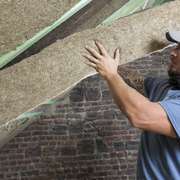
I didn't find it to be a particularly quick building method at the time, though the process has been streamlined since back when I was lugging heavy bags of mixed hempcrete up a ladder to lay down as roof insulation.
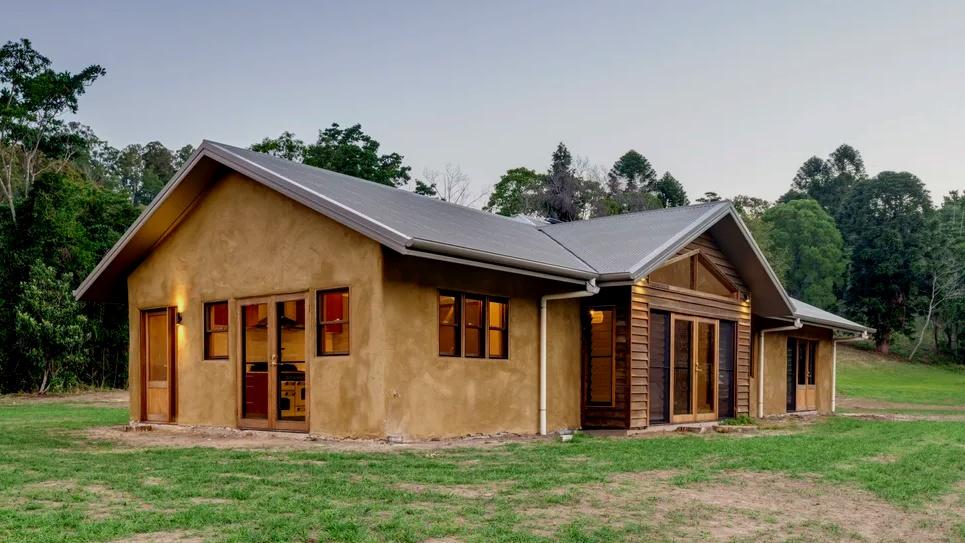
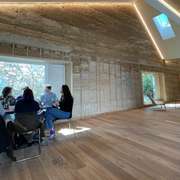
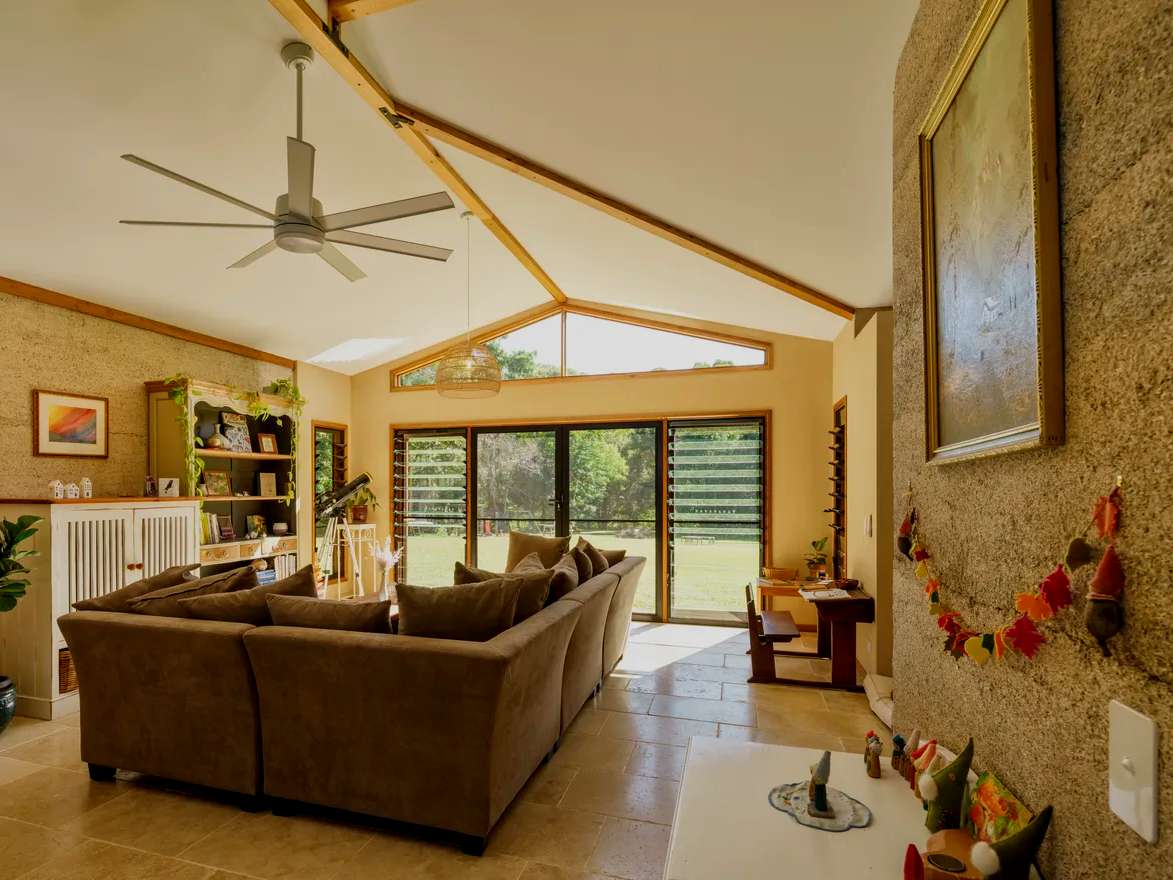
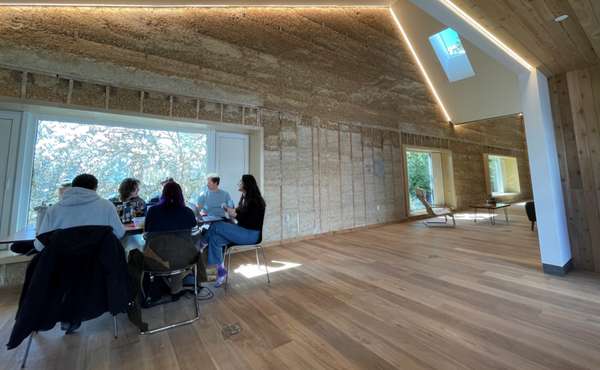
The final look of a hempcrete home has a more organic feel to it, much like strawbale or rammed earth walls, and personally I quite like all those types of walls but its not necessarily for everyone.
Different types of hemp building materials and insulation are now gaining serious traction among eco-conscious homeowners and forward-thinking building professionals. Hemp meets a lot of the challenges facing the construction industry today, offering a host of benefits from thermal performance and carbon sequestration to superior indoor air quality.
In this comprehensive guide, we'll break down everything you need to know about hempcrete including what it is, how it works, and why it might be the perfect choice for your next project. We'll cover everything from its unique properties and practical applications to its cost and challenges, providing you with the objective, evidence-based information you need to make an informed decision for your home and the planet.
This guide provides a comprehensive look at the key aspects of this topic. Below is an overview of the sections we will cover, allowing you to jump directly to the information you need.
- What is hempcrete?
- How does hempcrete work?
- Hempcrete's environmental benefits
- The performance of hempcrete
- Hempcrete and airtightness
- Hempcrete and fire safety
- Hempcrete and interior wiring
- Hempcrete and indoor air quality
- Can you install siding over hempcrete walls?
- How to fasten siding to hempcrete walls
- Hempcrete: applications and techniques
- Challenges and considerations
- Hempcrete construction in brief:
What is hempcrete?
Hempcrete, also known as hemp-lime, is a bio-composite building material made from a mix of hemp hurds (the woody inner core of the hemp stalk) and a lime-based binder. When combined with water, this mixture forms a lightweight, workable material. It can be cast into walls, sprayed, or used as pre-fabricated blocks. It is not a structural material, meaning it cannot support the weight of a roof or upper floors, but rather an insulating infill for a structural frame, typically made of timber.
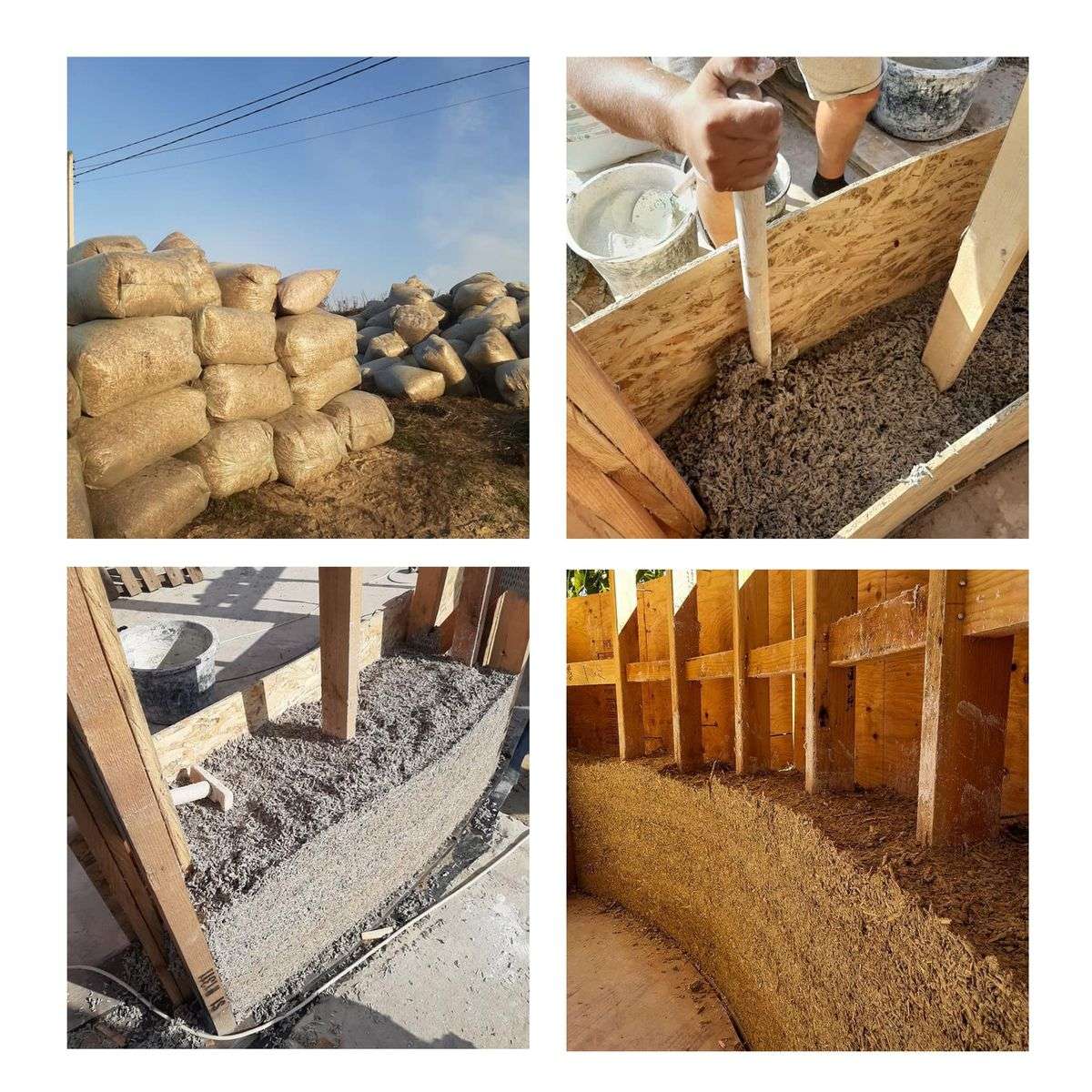
Unlike concrete, which is a significant source of embodied carbon, hempcrete is a carbon-negative material. The hemp plant rapidly sequesters carbon dioxide (CO2) as it grows, locking it away in the building's walls for the life of the structure. This makes it an attractive alternative to conventional building materials and a key component in a new wave of sustainable construction.
How does hempcrete work?
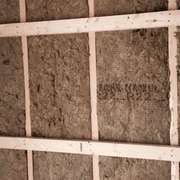
Hempcrete's effectiveness comes from its unique combination of properties. When applied as an infill, it fills the entire cavity of a timber frame, eliminating the thermal bridges that plague conventional stud-frame construction. The mixture cures over time, creating a solid, monolithic wall that is fire-resistant, rot-resistant, and pest-resistant.
Its thermal performance is due to both its insulating properties and its thermal mass - the ability to store and release heat slowly. This allows hempcrete to regulate indoor temperatures naturally, reducing the need for active heating and cooling systems.
Hempcrete is also a highly 'breathable' material. This means it can absorb and release moisture, helping to regulate indoor humidity and prevent the buildup of condensation. This is a critical factor for maintaining a healthy indoor environment and preserving the integrity of the building envelope over time.
In contrast, many conventional buildings use synthetic air barriers and insulation that can trap moisture, leading to mold and rot. For a more in-depth look at how your wall assembly works, check out the Ecohome guide on building an airtight and breathable envelope.
Hempcrete's environmental benefits
Hempcrete is one of the most environmentally friendly building materials available today. Its benefits extend far beyond just its performance in a finished wall:
- Carbon sequestration: The hemp plant is a fast-growing crop that sequesters a significant amount of carbon as it grows. Because a home-sized build can lock away many tons of carbon for centuries, hempcrete is considered a carbon-negative material, which can help offset a project's overall carbon footprint.
- Low embodied carbon: The manufacturing process for both hemp and lime is far less energy-intensive than for materials like concrete or steel. This results in a much lower embodied carbon footprint. To understand this in more detail, read our guide on the embodied carbon of insulation materials: which are the best choices for insulating homes?
- Resource efficiency: Hemp is a renewable and regenerative crop that requires little water, no pesticides, and improves soil health. This makes it a far more sustainable resource than materials sourced from mining or petroleum.
- Waste reduction: Hempcrete off-cuts can be re-purposed or composted at the end of the building's life, significantly reducing landfill waste.
The performance of hempcrete
For building professionals and homeowners alike, the performance of a material is paramount. While hempcrete may not have the same R-value per inch as rigid foam insulation or spray foam, its performance is more than just about a number on a label. The total performance of a hempcrete wall assembly is a function of its thermal mass, its breathability, and its ability to eliminate thermal bridging.
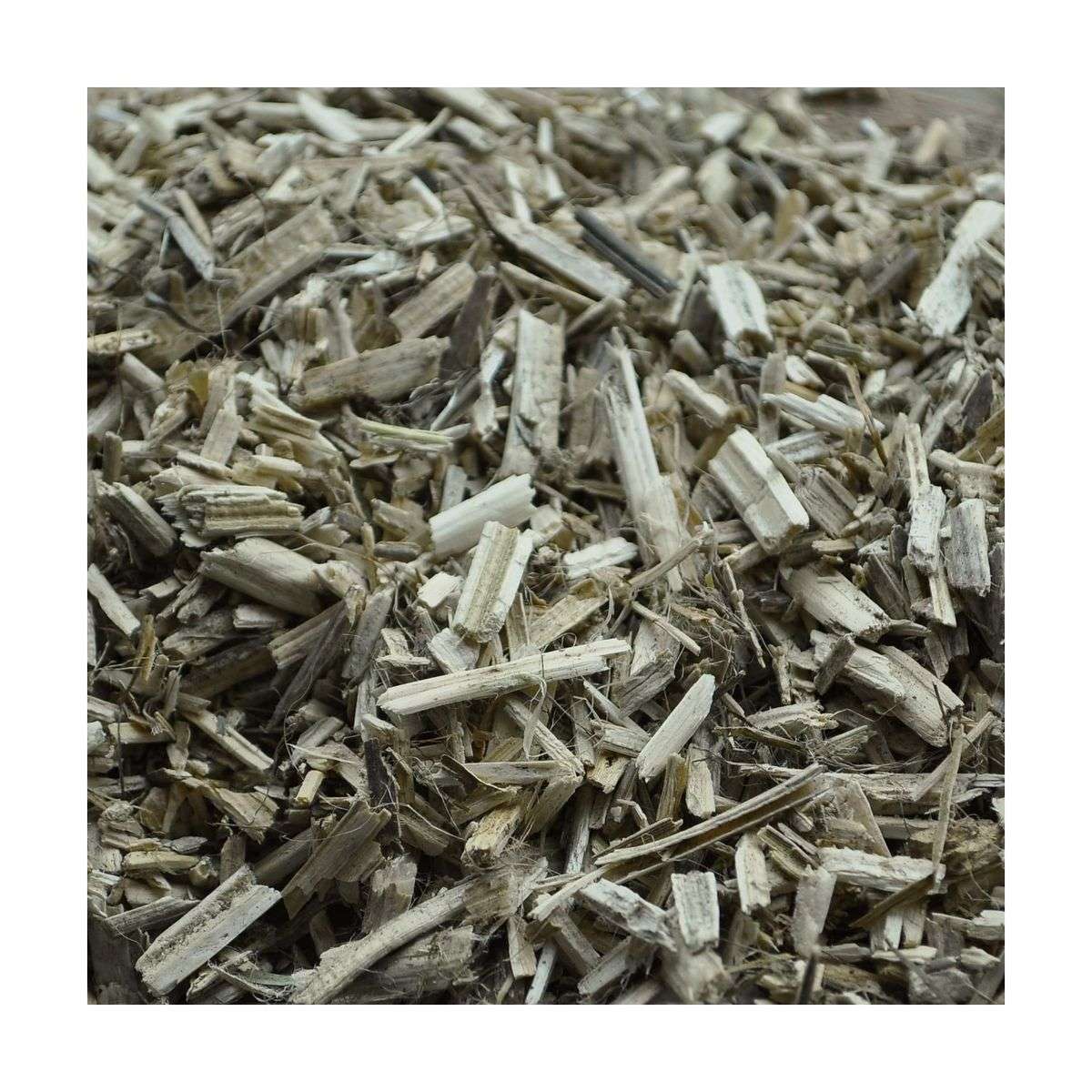
Thermal mass and R-value
Hempcrete is a low-density material with a relatively low R-value (a measure of thermal resistance). The R-value of a typical hempcrete wall is approximately R-2.5 per inch (RSI 0.44 per 2.5 cm). However, this number doesn't tell the whole story.
Hempcrete walls have significant thermal mass, which means they can absorb heat during the day and release it slowly at night. This 'flywheel' effect helps to regulate indoor temperatures and can significantly reduce the need for mechanical heating and cooling.
For a climate like New England, the UK, or the Pacific Northwest, a 12-inch (30 cm) hempcrete wall with an R-value of R-30 (RSI 5.28) can outperform a conventional stud wall with a higher listed R-value because it stores heat and releases it slowly, smoothing out daily temperature swings. This is the same principle used in Passive House design to optimize energy efficiency.
Hempcrete and airtightness
Is hempcrete airtight?
Hempcrete is considered an airtight mass, but it's not a perfect air barrier on its own. While its monolithic, cast-in-place nature reduces the number of joints and seams where air leaks typically occur, its vapor-permeable, 'breathable' nature means that a high level of airtightness for performance standards like Passive House isn't achieved with the hempcrete alone.
A study showed that a hempcrete wall installation with the timber frame sealed with building wrap and the ceiling and foundation sealed came in at nearly 24 air changes per hour (ACH) at 50 Pascals (Pa). This is well below high-performance standards, but after the application of a lime plaster finish, the same wall assembly was able to reduce the airflow by 87% to 3.0 ACH at 50 Pa, meeting the minimum standard for new buildings in many codes.
Here is a simple breakdown of the numbers for context:
- 24 ACH50: A very leaky building. This is common for older homes or buildings that were not constructed with airtightness in mind.
- 3.0 ACH50: This is the minimum standard for new buildings in many North American building codes. It is a baseline for modern construction.
- 1.5 ACH50: This is the standard for Energy Star homes. It represents a good level of airtightness.
- 0.6 ACH50: This is the Passive House standard. It is a world-class level of airtightness that requires meticulous attention to detail during construction.
Additional measures for airtightness
Achieving true airtightness requires a holistic approach that goes beyond the wall material itself. Here are some of the key strategies and materials used to achieve an airtight building envelope, especially for natural building materials like hempcrete:
- Continuous air barrier: The most important principle is to create a continuous air barrier around the entire building envelope, including the walls, roof, floor, windows, and doors. This means sealing all joints, junctions, and penetrations.
- Finishes and plasters: A lime-based plaster or render is crucial for making a hempcrete wall airtight. The plaster serves as the primary air barrier, sealing the porous surface of the hempcrete and creating a smooth finish.
- Sealing and taping: Use specialized airtight membranes, tapes, and sealants to seal the joints between different building components. This includes taping the membrane to window and door frames, sealing around plumbing and electrical penetrations, and sealing where the wall meets the roof and floor.
- Design details: Design for airtightness from the beginning by simplifying the building envelope to reduce the number of potential leak paths. This includes careful detailing around windows and doors to avoid cracks and using proper flashing and overhangs to protect the walls from prolonged exposure to water.
- Testing: Blower door tests are a crucial part of the process. They measure the airtightness of the building and help to identify specific leak locations so they can be sealed. This can be done at different stages of construction to ensure progress is being made.
- Ventilation: An airtight building must be paired with a well-designed mechanical ventilation system, such as a Heat Recovery Ventilator (HRV) or Energy Recovery Ventilator (ERV). This is essential to ensure a constant supply of fresh, filtered air for occupant health and to manage indoor humidity without relying on uncontrolled air leaks.
In summary, while hempcrete contributes to airtightness by forming a monolithic mass, it's the finishing layers and careful sealing of all building junctions and penetrations that are essential for achieving a high-performance, airtight home.
Hempcrete and fire safety
One of the most impressive and often surprising benefits of hempcrete is its exceptional fire resistance. While raw hemp is highly flammable, the hemp hurds become virtually fireproof when combined with the lime binder. The result is a material that will not ignite or spread a flame, even when directly exposed to a blowtorch for a significant period.
In fire tests, hempcrete walls have demonstrated remarkable performance, showing a high level of fire retardancy. Rather than burning, the material typically smolders without catching fire. This is because the lime binder acts as a fire retardant, creating a non-combustible matrix that encases the hemp hurds.
This is a significant safety advantage over many conventional building materials and gives occupants a valuable window of time to evacuate in the event of a fire. Here you can see the Ecohome guide to fire resistant home design and fire safety planning.
Hempcrete and interior wiring
While hempcrete is an excellent building material, planning for interior services like electrical wiring is crucial. Unlike drywall, which can be easily cut into for future wiring runs, a cured hempcrete wall is solid and cannot be simply drilled through later. Therefore, all electrical conduits and boxes must be planned and installed before the hempcrete is cast.
For new construction, electricians will often use metal conduits or flexible plastic tubing to create the pathways for wiring. These conduits are run within the timber frame and secured in place before the hempcrete mixture is packed into the walls.
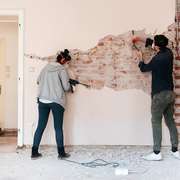
For renovations or retrofits, wiring can be run on the surface of the wall, either concealed by a wooden trim or in a decorative conduit. In either case, it's essential to have a detailed electrical plan and work closely with your electrician to ensure all wiring runs are properly located and protected before the walls are built.
Hempcrete and indoor air quality
A primary benefit of hempcrete is its positive impact on indoor air quality. Unlike many conventional building materials that can off-gas volatile organic compounds (VOCs) and other toxins, hempcrete is a natural, non-toxic material. The combination of hemp and lime creates a healthy, breathable wall system that actively works to improve the indoor environment.
One of the most important factors is the material's hygroscopic nature. Hempcrete walls naturally absorb excess moisture from the air when humidity is high and release it back when the air is dry.
This helps to regulate indoor humidity levels, which is crucial for preventing the growth of mold and mildew, two of the most significant contributors to poor indoor air quality. This also makes the home feel more comfortable, as stable humidity levels reduce the need for artificial humidifiers or dehumidifiers.
To maintain these benefits, it is essential to use a compatible and breathable air sealing and finishing system. Applying a lime-based plaster or render on the interior and exterior surfaces not only provides airtightness but also maintains the wall's vapor-permeable properties.
Using synthetic, non-breathable sealants, paints, or plasters can trap moisture within the wall assembly, which can lead to mold growth and compromise the integrity of the material.
While hempcrete helps regulate humidity, an airtight hempcrete home still requires a well-designed mechanical ventilation system. This is a crucial step to ensure a continuous supply of fresh, filtered outdoor air, which is essential for diluting indoor pollutants and maintaining a healthy living environment for occupants.
By combining a natural, breathable wall system with proper ventilation, you can create a home with superior indoor air quality and a healthier living space for years to come.
Can you install siding over hempcrete walls?
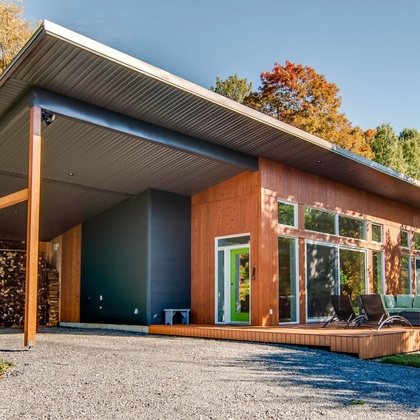
Yes, as long as you include a fastening method in the original design, you can most certainly cover hempcrete walls with cladding on the exterior. The clientele seeking hempcrete is often specifically looking for that non-traditional and organic look, so lime-plaster or render is a very common and traditional finish for hempcrete.
Using exterior cladding is a viable and sometimes preferred option, especially for modern construction. Adding a rainscreen siding on hempcrete affords you the option of improving the airtightness of walls with an exterior air barrier membrane which would then be covered by siding. That also shields the house from driving rain, so all in all adding siding to a hemp wall really only improves the performance, though it does come at a cost obviously.
Here's why and how it's done:
1. Protection and weather resistance
While hempcrete has excellent moisture-regulating properties, a high degree of water exposure can be detrimental over time. A good exterior cladding acts as a rainscreen, providing an extra layer of protection against wind-driven rain and harsh weather. This is especially important in climates with heavy rainfall or long periods of wet weather.
2. Maintaining vapor permeability or breathability
The key property of hempcrete is its high vapor permeability, which allows moisture to move in and out of the wall. This prevents moisture from getting trapped and causing issues like mold or rot. When using a cladding system, it's crucial to design it with a ventilated air gap behind it. This is known as a rainscreen system. The air gap allows the hempcrete wall to "breathe" and dry out, maintaining its beneficial moisture-regulating properties.
3. Aesthetic and design choices
Cladding provides a wide range of aesthetic options that a homeowner or architect may prefer. You can use traditional siding materials, such as:
- Wood siding or shingles (like cedar shingles, a popular choice in some areas).
- Brick or brick slips
- Metal cladding
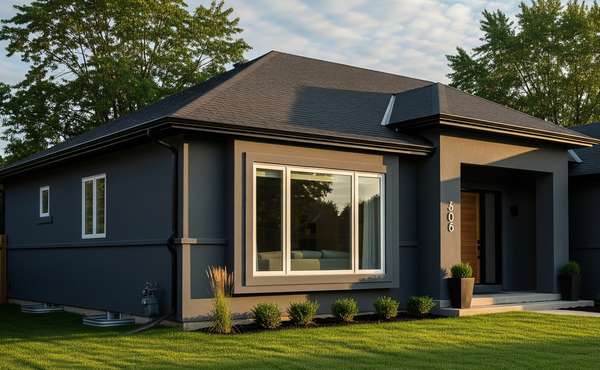
These materials allow a hempcrete home to blend in with the local architectural style or to achieve a specific modern or traditional look. For example, a home with a hempcrete core can be indistinguishable from a standard home from the exterior if it has a traditional siding material.
4. Installation considerations
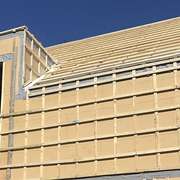
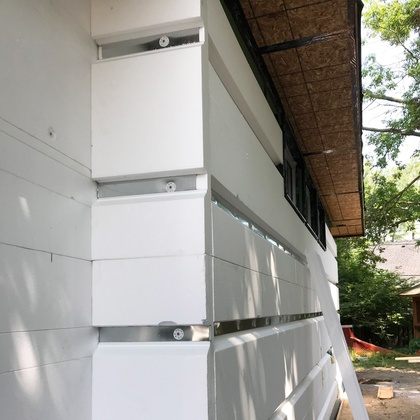
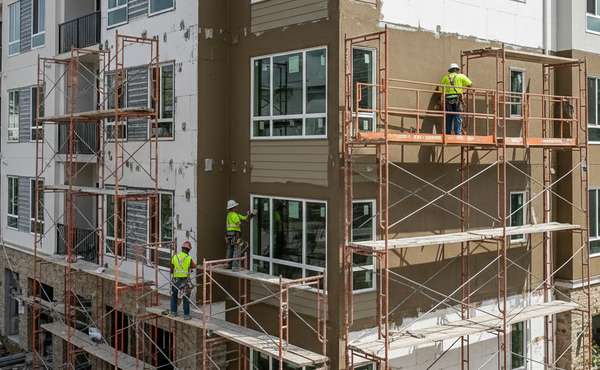
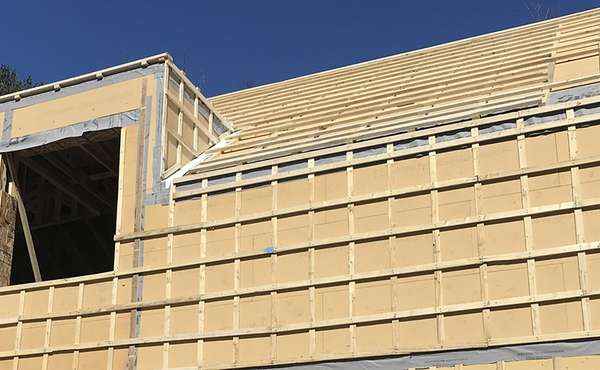
When installing siding over a hempcrete wall, a structural frame is necessary to support the cladding. This is because hempcrete, while durable and solid, is not a structural, load-bearing material. The cladding is typically attached to the timber frame that the hempcrete is cast around, often with the addition of vertical and/or horizontal furring strips to create the essential ventilated air gap.
In summary, exterior cladding is a practical and common choice for hempcrete homes, providing added weather protection and design flexibility while still allowing the wall to function as a breathable, moisture-regulating system.
How to fasten siding to hempcrete walls
Here is a short summary of the fastening techniques:
-
Structural frame: The primary fastening point is the timber or steel frame of the building. Hempcrete is cast or applied within this frame, but the frame is what bears the load and provides the strength to hold the siding.
-
Furring strips / battens: The most common method involves installing vertical and/or horizontal furring strips (battens) over the exterior of the hempcrete wall. These battens are securely fastened with long screws that penetrate through the hempcrete and anchor into the structural studs behind it.
-
The rainscreen gap: The furring strips serve two critical purposes:
-
They provide a solid, level surface to which the siding can be attached. This is especially important as the surface of a hempcrete wall can be irregular.
-
They create a ventilated air gap, also known as a rainscreen. This gap allows for airflow behind the siding, which helps manage moisture, prevents water from being trapped, and allows the hempcrete wall to "breathe" and dry out. This is a fundamental principle for a successful hempcrete wall system.
-
-
Cladding installation: Once the furring strips are in place, the siding material (wood, fiber cement, etc.) is simply fastened to these strips using standard siding nails or screws. The fasteners for the siding itself do not penetrate the hempcrete, only the furring strips.
In summary, the fastening technique is: Use long screws to attach a grid of furring strips directly to the structural frame through the hempcrete. Then, nail or screw the siding to these furring strips, creating a ventilated rainscreen assembly.
This method ensures the structural integrity of the siding installation while preserving the crucial moisture-regulating properties of the hempcrete wall. Learn here about how to install siding properly so walls can dry.
Hempcrete: applications and techniques
Hempcrete is a versatile material that can be used in a variety of ways, from new construction to deep energy retrofits. The most common methods of application are:
- Cast-in-place: This involves mixing hemp hurds with a lime binder and water on-site and then packing the mixture into temporary formwork around a timber frame. Once the hempcrete has cured, the forms are removed, leaving a solid, monolithic wall. This is a labor-intensive but highly effective method for achieving a seamless, airtight envelope.
- Pre-fabricated blocks: Hempcrete can also be made into blocks off-site in a factory setting. These blocks are then delivered to the site and laid like bricks, which can significantly speed up the construction process and reduce on-site mess.
- Sprayed application: For larger projects or retrofits, a specialized machine can spray the hempcrete mixture onto a wall. This method is faster than cast-in-place but requires skilled operators and specific equipment.
Challenges and considerations
While hempcrete offers many benefits, it's not a silver bullet. Here are some key considerations for both homeowners and building professionals to be aware of:
- Cost and availability: Hempcrete can be more expensive than conventional materials like fiberglass or mineral wool insulation, and its cost can vary significantly by region. Its availability is also limited in many areas, particularly in North America.
- Labor and skill: Cast-in-place hempcrete is a labor-intensive process that requires a skilled team experienced in working with the material.
- Vulnerability to water: While breathable, hempcrete walls must be protected from prolonged exposure to liquid water, both during construction and in the final design. Proper overhangs, flashing, and breathable external renders like lime stucco are essential.
- Drying time: Hempcrete requires several weeks to a few months to fully dry and cure, depending on climate and wall thickness. This can add time to the construction schedule.
- Building codes: In many regions, building codes are still catching up with natural materials like Hcan navigate the permitting process.
Hempcrete construction in brief:
Hempcrete is a powerful tool for building healthier, more sustainable, and energy-efficient homes. As a homeowner, it offers a tangible way to reduce your carbon footprint while creating a comfortable and durable living space. For the building professional, it represents an opportunity to specialize in a growing market for low-impact, high-performance construction.
While it has its challenges, its unique ability to sequester carbon, regulate moisture, and provide a breathable wall system makes it a standout choice in the world of green building.
Now that you know more about hempcrete, find more info about sustainable insulation & green building techniques in the Ecohome green building guide and these pages below:
-
All about rammed earth walls - a homeowner and pros guide
-
Find hemp building products and hemp insulation in the Ecohome green building product listings
-
Choosing the right insulation: the pros, cons and applications
-
Natural and non toxic hemp flooring








Comments (0)
Sign Up to Comment