




Stucco as an exterior home finish
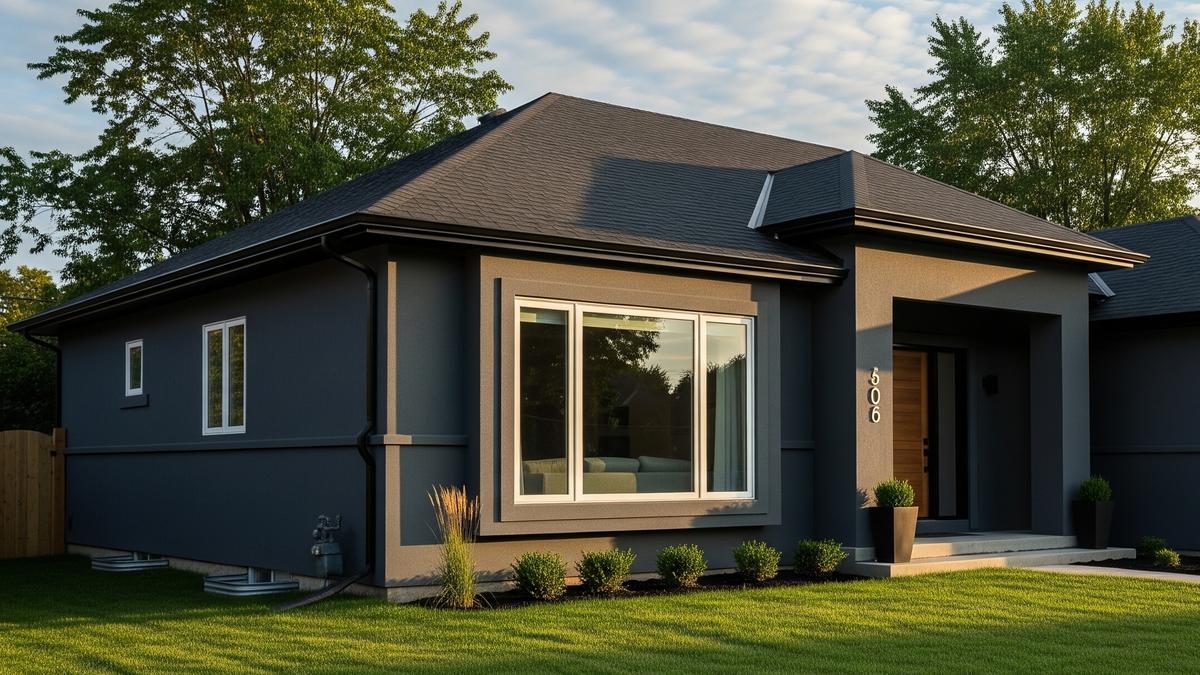
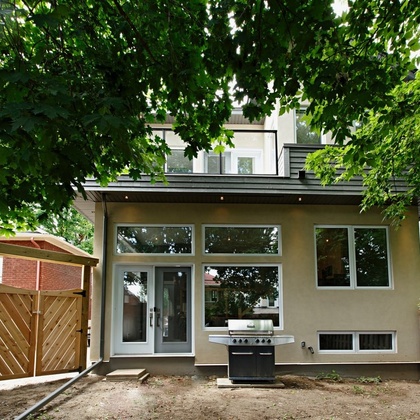
Stucco is a classic and versatile exterior finish that has been used for centuries to protect and beautify homes. A mixture of cement, sand, water, and lime, it is a durable and fire-resistant option that provides a seamless, monolithic look. However, choosing stucco for your home requires a clear understanding of its different types, installation requirements, and maintenance.
Whether you're a homeowner planning a renovation or a building professional looking for a resilient and attractive cladding option, this guide will provide a comprehensive overview of everything you need to know about using stucco for a healthy and sustainable home.
- What is stucco and what are the types?
- Pros and cons of stucco
- Understanding installation for durability
- Stucco maintenance and repairs
- Environmental impact of stucco
- In brief
What is stucco and what are the types?
Stucco is a cement-based plaster that is applied in layers over a wall substrate. It creates a durable, hard surface that protects the building from the elements. While traditional stucco is made from a simple mix of cement, sand, and water, modern variations have expanded the possibilities, offering a range of performance characteristics and aesthetic options.
Traditional vs. synthetic stucco
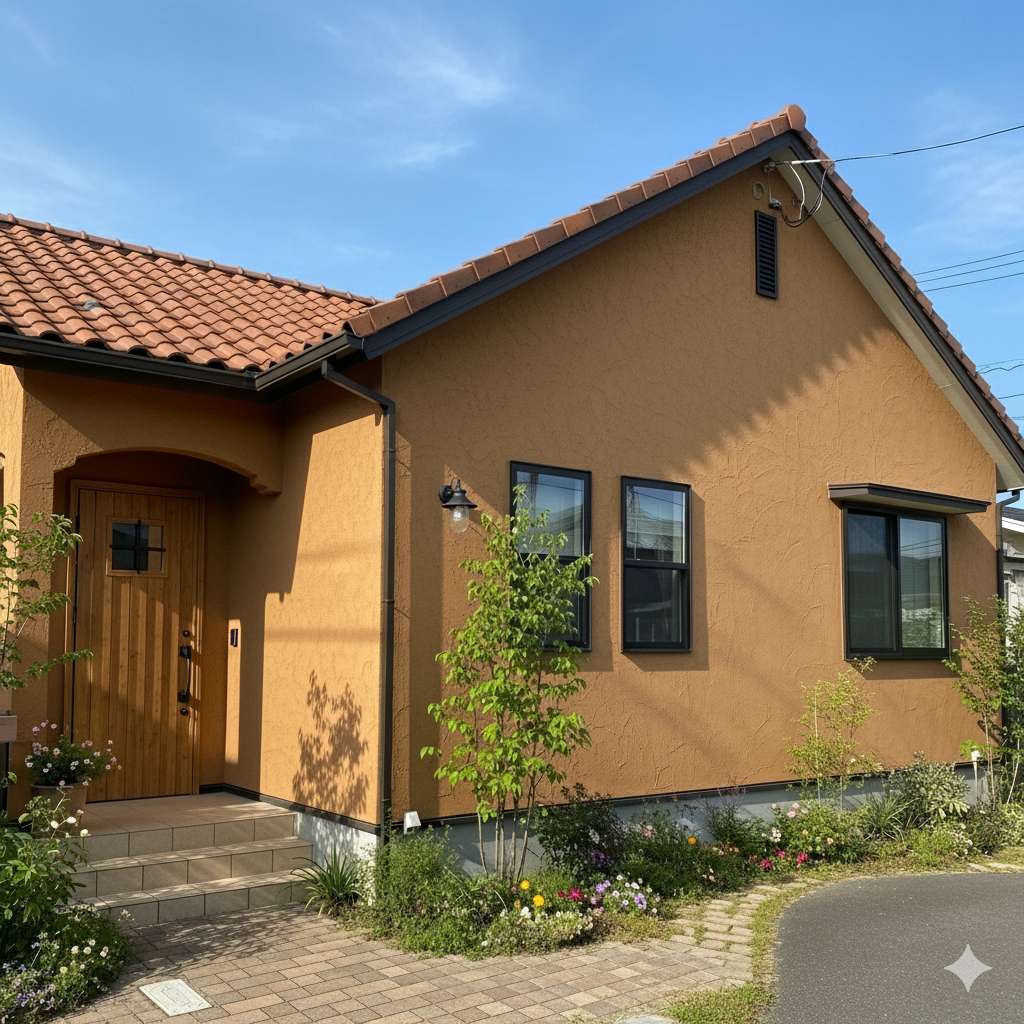
Traditional stucco, also known as hard-coat stucco, is a time-tested material that provides excellent durability. It is typically applied in three coats over a wire mesh or lath attached to the wall sheathing. The three coats - a scratch coat, a brown coat, and a finish coat - create a strong, breathable, and long-lasting surface. The final finish can be textured or smooth, offering a classic aesthetic.
Synthetic stucco, often referred to as acrylic stucco, is a more modern alternative. It is made from acrylic polymers and is more flexible than traditional stucco, making it less prone to cracking. It can also be applied as a single coat (a 'one-coat' system) and comes pre-colored, eliminating the need for painting. While it is more resistant to cracking, some versions may be less vapor-permeable, which can trap moisture in the wall assembly if not installed correctly.
Exterior insulation and finish systems (EIFS)
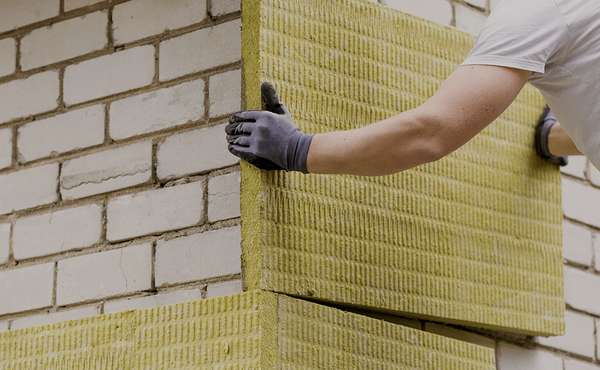
Exterior Insulation and Finish Systems (EIFS) are a type of synthetic stucco that combines a weather-resistant finish with a continuous layer of exterior insulation. This system has become popular for its ability to create a highly energy-efficient building envelope, eliminating thermal bridges.
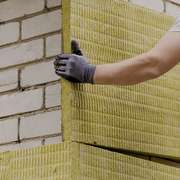
EIFS consists of a layer of foam insulation (typically expanded polystyrene or EPS) that is glued to the wall, followed by a thin layer of a synthetic stucco finish. While it offers excellent thermal performance, EIFS must be installed with a drainage plane to manage moisture effectively.
Pros and cons of stucco
Stucco offers a unique blend of benefits and drawbacks, and understanding them is key to making an informed decision.
Durability, fire resistance, and aesthetics
Stucco is incredibly durable and can withstand harsh weather conditions, including strong winds, hail, and extreme temperatures. It is also naturally fire-resistant, providing an additional layer of protection for your home.
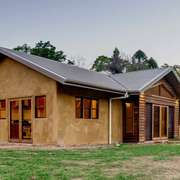
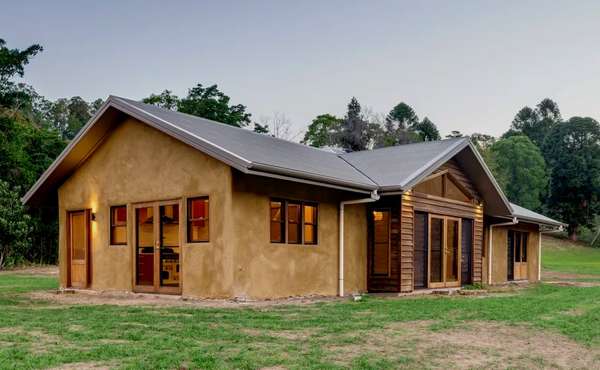
With a variety of textures and colors available, stucco offers immense design flexibility, from smooth, modern finishes to rustic, textured surfaces. Its seamless application also prevents the gaps and seams common with other siding materials, reducing entry points for pests and moisture.
The cost of stucco varies widely depending on the type, complexity of the project, and regional labor rates. In the US, it can range from $3 to $12 per square foot installed, with traditional three-coat systems generally being more expensive than synthetic options. In the UK, prices can range from £40 to £120 per square metre, while in Australia and New Zealand, you can expect to pay between AUD/NZD $50 to $150 per square meter.
Moisture issues and cracking
Stucco's primary weakness is its vulnerability to moisture intrusion, especially when not installed with a proper drainage plane. Water can become trapped behind the stucco, leading to rot in the wall assembly, mold growth, and other serious issues.
This is a particular concern with synthetic stucco and EIFS if the system's integrity is compromised. Cracking is also a potential issue, particularly with traditional stucco due to its rigid nature. While small cracks are often cosmetic, larger cracks can be a sign of underlying structural issues or moisture problems.
Understanding installation for durability
The longevity and performance of a stucco exterior depend entirely on the quality of its installation. For this reason, it is always recommended to hire experienced building professionals who understands building science and regional climate considerations. Improper installation is the number one cause of stucco failure.
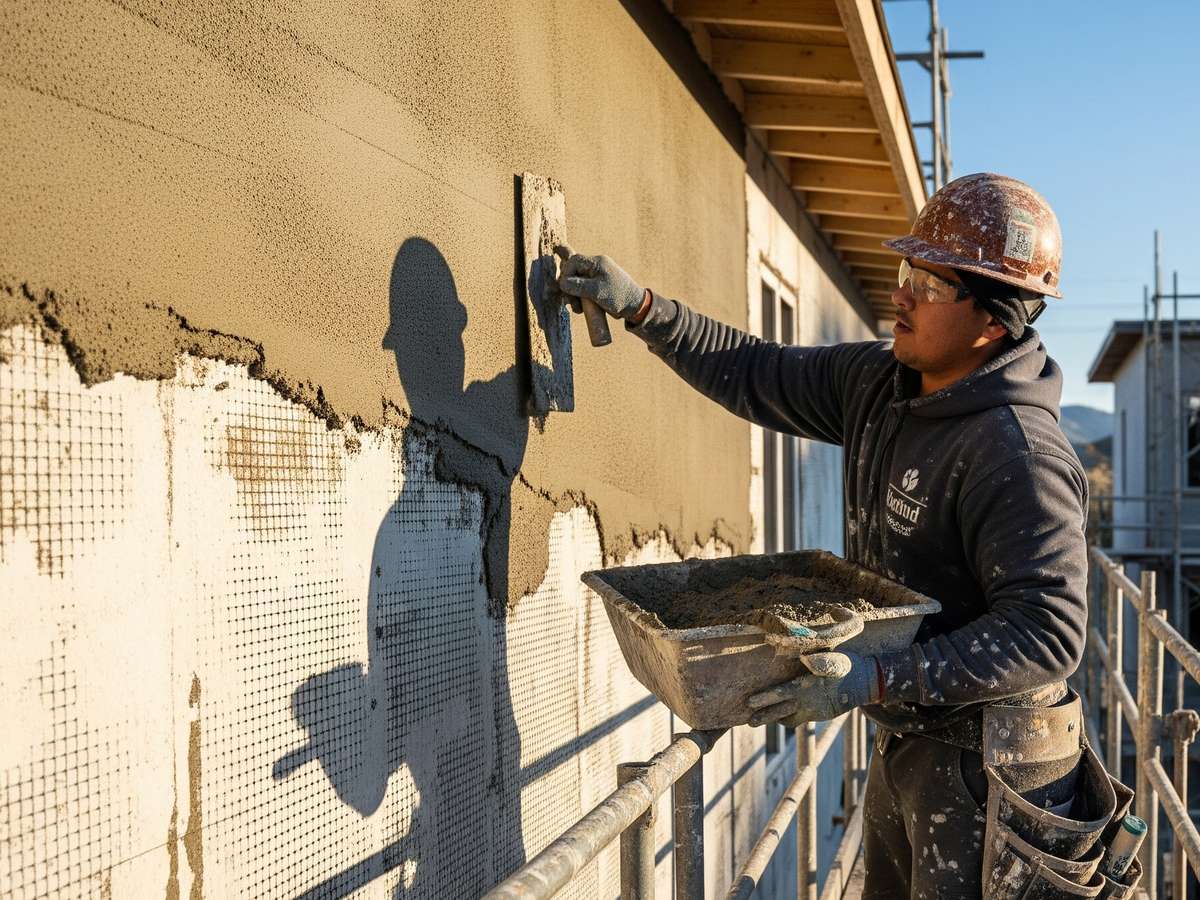
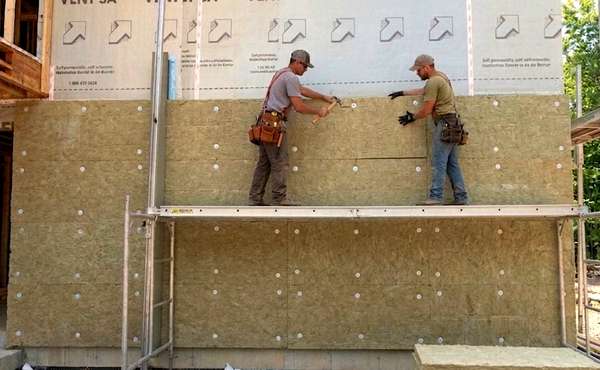
A successful stucco system starts with the wall assembly itself. It must include a robust water-resistant barrier (WRB), a drainage plane, and proper flashing around all windows, doors, and penetrations. This is the foundation that ensures any moisture that gets behind the stucco can drain away harmlessly.
The number of coats is also a key factor. Traditional stucco is applied in multiple layers to build up strength and prevent cracking, while synthetic stucco systems can use a single coat. Regardless of the type, the product must be applied at the correct thickness and allowed to cure properly to achieve its full durability.
Stucco maintenance and repairs
Stucco is a relatively low-maintenance exterior finish, but it's not entirely maintenance-free. A regular visual inspection is your best defense against major problems. Look for cracks, water stains, and areas where the stucco may be bubbling or flaking. Addressing these issues early can prevent costly repairs and potential damage to the underlying wall structure.
Cleaning stucco is a simple process and should be done with a soft brush, a hose, and a mild detergent. Avoid using high-pressure washers, which can damage the surface and force water into the wall assembly. For small, hairline cracks, a special sealant can be applied to prevent moisture intrusion.
Larger cracks and more significant damage should be repaired by a professional stucco contractor. They can patch the damaged area with a new coat and ensure the color and texture match the existing finish.
Environmental impact of stucco
The environmental footprint of stucco is a key consideration for homeowners and building professionals focused on sustainability. While the raw materials for traditional stucco (sand, lime, and cement) are relatively abundant, the production of Portland cement is a significant source of embodied carbon. Cement manufacturing accounts for roughly 8% of global CO2 emissions.
For this reason, some builders are exploring alternative materials and techniques to reduce the environmental impact of stucco, such as using alternative binders or incorporating recycled aggregates.
The durability and long lifespan of a properly installed stucco exterior (50 years or more) can help to offset its embodied carbon. A durable finish reduces the need for frequent replacement, which in turn reduces waste and resource consumption over the life of the home. When considering stucco, it is important to balance the embodied carbon of the material itself with the long-term performance and durability of the finished wall assembly.

In brief
Stucco remains a beautiful, durable, and fire-resistant choice for a home's exterior. Whether you choose a traditional three-coat system or a modern, flexible acrylic option like EIFS, proper installation is paramount to ensuring its longevity and preventing moisture issues. While it has a high embodied carbon footprint due to cement production, its long lifespan can make it a sustainable choice for a home that is built to last.
Now that you know more about stucco as a home exterior, find more info about exterior wall assemblies and green building techniques in the Ecohome Green Building Guide and these pages below:
-
What is Shou Sugi Ban? A guide to burnt wood exterior home siding
-
Proper siding installation - how to create an air space behind siding to allow walls to dry
-
Hempcrete walls - durable, natural, non toxic and a renewable material
-
Exterior cladding: what are the options and which kind is best?









Comments (0)
Sign Up to Comment