






Ottawa shutting down green home loan program - what program will replace it?
The Canadian government just announced it will be shutting down the Canada Greener Homes Loan program, and after Oct. 1, 2025 will no longer be accepting applications. The program encouraged homeowners to improve the energy efficiency of their homes but making upgrades such as improved insulation, window replacement and purchasing a heat pump.
Applications are being accepted until October 1st, but there is no guarantee all applicants will receive help as the program is running out of funds. The unfortunate and last minute cancellation of this valuable home energy efficiency assistance program may leave many homeowners stalled with their renovation plans and looking for the next green home financial initiative program from the Canadian government
According to Brendan Haley, the senior director of policy strategy with Efficiency Canada, a think-tank based out of Carleton University's Sustainable Energy Research Centre"Cutting a program like this quite abruptly really disrupts businesses, it kills jobs in the skilled trades, and it really breaks the trust of consumers who perhaps relied on this program."
Navigating home energy retrofit grants & loans
Improving a home's energy efficiency is a key strategy for reducing utility bills and combating climate change. The process, often known as a deep energy retrofit, can involve significant upgrades to your home's insulation, heating systems, and windows.
While the costs can be substantial, governments and utilities worldwide offer a range of grants, loans, and incentives to make these projects more accessible for both homeowners and professional contractors. This comprehensive guide will walk you through the landscape of financial assistance programs, helping you understand how to leverage them for your own retrofit project.
- Understanding the Global Landscape
- How Do Grants and Loans Work?
- Popular Retrofit Measures
- Regional Spotlight
- Planning Your Project
- In Brief
Understanding the global landscape of green home incentives
Government funding for home energy retrofits is a common policy tool to drive down emissions and support a green economy. These programs can range from federal grants and interest-free loans to municipal rebates and utility company incentives.
While many programs have a limited lifespan and may be closed to new applications as funds are depleted, others are continually replenished or replaced by new initiatives. This requires homeowners and professionals to stay vigilant and informed about the options available in their specific region.
The core objective of most programs is to encourage significant, measurable improvements in a home's energy performance. This often involves a before-and-after assessment by a certified energy advisor. The advisor evaluates the home's current energy use and identifies the most impactful upgrades. Financial assistance is then provided based on the recommendations and the successful completion of the work.
How do home retrofit grants and loans work?
While specific rules vary by program and jurisdiction, the fundamental structure of grants and loans remains consistent across many regions. A grant is a non-repayable sum of money provided to offset the cost of an eligible retrofit. A loan, on the other hand, is a sum of money that must be repaid, though green home loans are often offered with low or no interest to reduce the financial burden.
The Role of an energy evaluation
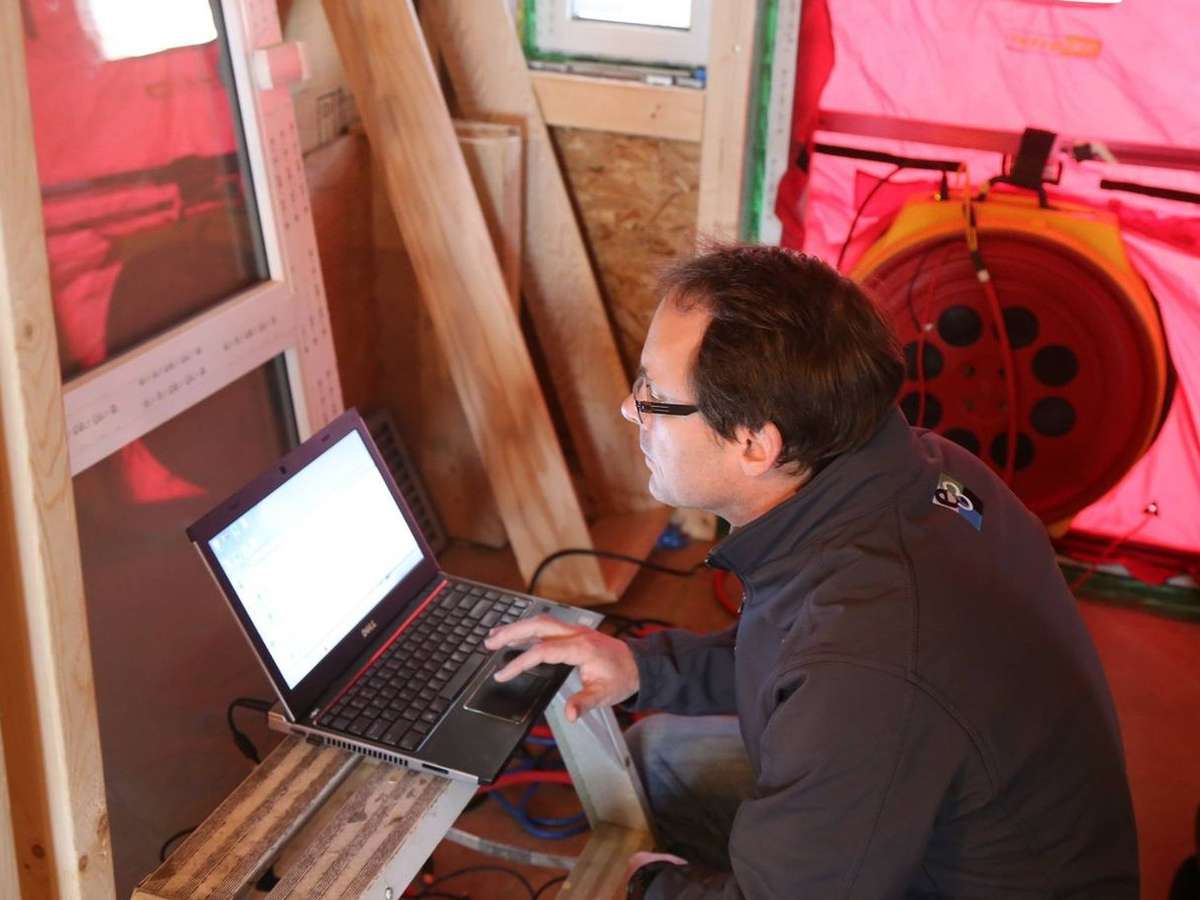
In many programs, an official energy evaluation is a mandatory first step. A qualified energy advisor conducts an in-depth assessment of your home's building envelope, mechanical systems, and appliances. The advisor uses specialized equipment, such as a blower door test, to measure the home's airtightness. This provides a detailed report on where the home is losing energy and recommends specific retrofits to improve its efficiency.
The cost of this evaluation is often partially or fully covered by the program. The advisor performs a second evaluation after the retrofits are complete to verify the improvements. Find a licensed energy advisor here in the Ecohome Building Professionals Directory.
Example: The Canada Greener Homes Initiative
A prominent example of a national program is the now-concluding Canada Greener Homes Grant and Loan initiative. The program offered homeowners grants of up to $5,000 for a variety of energy-efficient retrofits, along with a maximum $600 grant to cover the cost of the mandatory EnerGuide evaluations.
In addition, it provided interest-free loans of up to $40,000. While the grant portion has closed to new applicants and the loan portion is winding down as funds are fully allocated, the program highlights the government's dual approach of offering both direct financial assistance and low-cost financing to stimulate the market.
Popular retrofit measures supported by incentives
While the list of eligible retrofits varies, many programs prioritize upgrades that offer the greatest reduction in energy consumption and greenhouse gas emissions. Common eligible measures include:
-
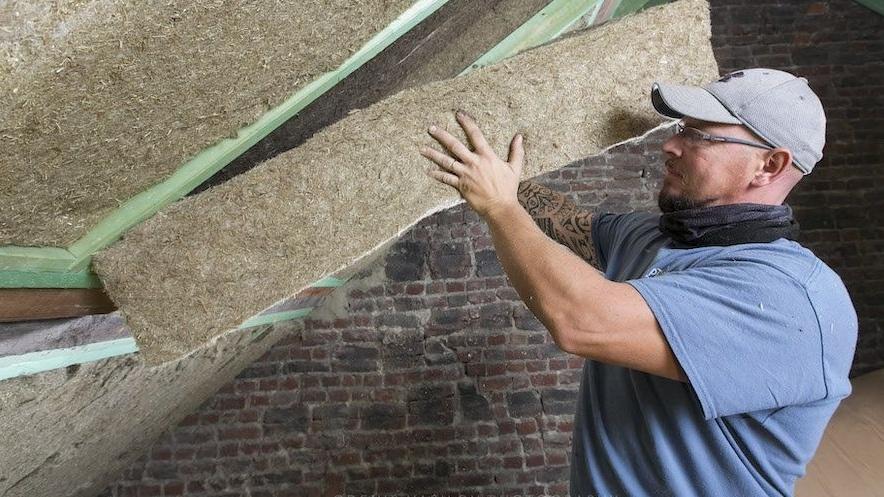
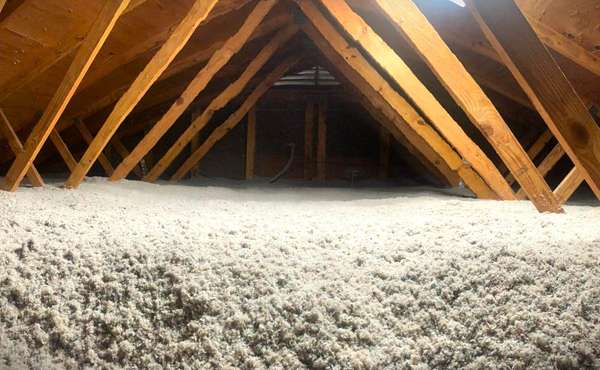
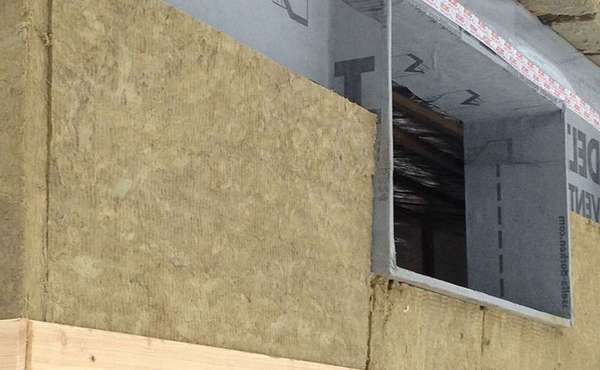
Insulation: Upgrading attic insulation as well as in walls, basements, and crawl spaces is often the most cost-effective way to improve a home's thermal performance. Adding insulation to existing walls or upgrading to high-performance spray foam insulation can drastically reduce heat loss during colder months and heat gain in the summer. For more information on materials, read our guide on choosing the right insulation for your home.
-
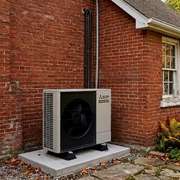
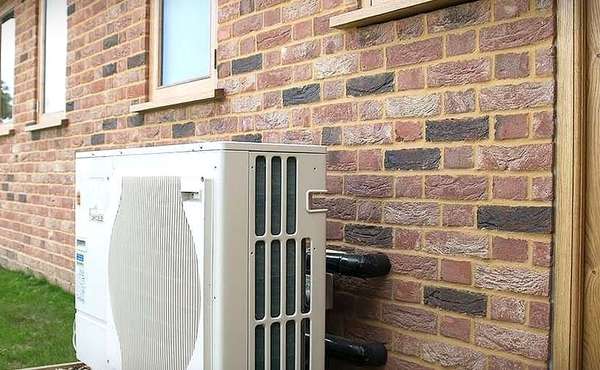
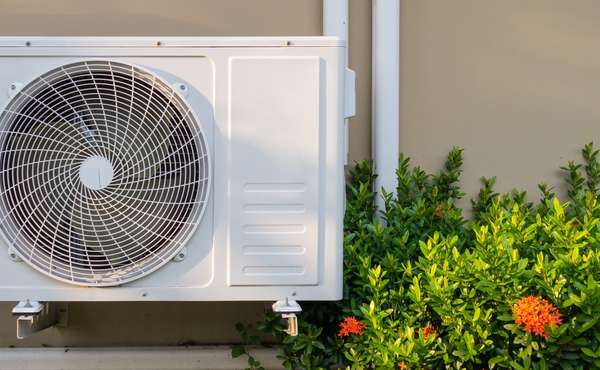
Heat Pumps: Installing a high-efficiency heat pump is a popular retrofit, especially for homes that rely on fossil fuels for heating. Modern cold-climate air source heat pumps can provide highly efficient heating and cooling, even in frigid temperatures. See here to learn how to apply for 2025 heat pump grants in Quebec.
-
Windows and Doors: Replacing old, single-pane windows and poorly-sealed doors with ENERGY STAR® certified models can significantly reduce air leakage and improve a home's comfort. Look for programs that offer a per-unit rebate for each qualifying rough opening.
-
Air Sealing: This involves sealing gaps and cracks in the building envelope to prevent conditioned air from escaping. Professional air sealing, often done in conjunction with a blower door test, can dramatically improve a home's energy rating.
-
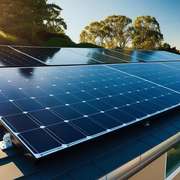
Solar Panels: Some programs offer grants or rebates for the installation of solar photovoltaic (PV) systems, allowing homeowners to generate their own clean electricity and further reduce their carbon footprint.
Regional spotlight: case studies from North America, the UK, Australia, & NZ
While federal programs may come and go, many regional and municipal initiatives fill the void, often with tailored programs that meet the specific needs of local communities. For example, some programs may focus on low-income households, while others may target specific retrofit types like insulation or heat pumps.
Canada: Quebec and Ontario
In Canada, provinces like Quebec and Ontario offer robust provincial-level programs. Quebec's Rénoclimat program, for instance, provides financial assistance for insulation and airtightness work, as well as for replacing doors and windows. The LogisVert grant program in Quebec is run by Hydro Quebec and is heavily targeted at decarbonisation of homes by electrification.
In Ontario, the Home Efficiency Rebate Plus (HER+) program, delivered in partnership with the Canada Greener Homes Grant and Enbridge Gas, offers a range of rebates for retrofits. These programs often work in conjunction with federal incentives to offer a more comprehensive package to homeowners and professionals. Professionals should also be aware of specific municipal programs, such as Toronto's Home Energy Loan Program (HELP), which provides low-interest loans for energy efficiency upgrades.
UK and Australia
In the UK, the government has offered various programs, such as the Boiler Upgrade Scheme, which provides grants for homeowners to switch to low-carbon heating systems like heat pumps. In Australia, the federal government's Home Energy Efficiency Program has provided grants for energy-saving home upgrades, while individual states and territories have their own programs targeting everything from solar panel installation to water efficiency.
New Zealand
New Zealand's Warmer Kiwi Homes program offers grants for insulation and heating devices for eligible low-income homeowners and renters. The program is an excellent example of a targeted incentive designed to improve the health and comfort of vulnerable households.
How to plan your home energy retrofit project
For both homeowners and professionals, a successful retrofit project requires careful planning. First, seek out all available local, provincial/state, and federal programs. Research eligibility requirements, which can include income level, type of property, and the specific retrofits planned. The second step is to schedule an energy evaluation with a certified energy advisor.
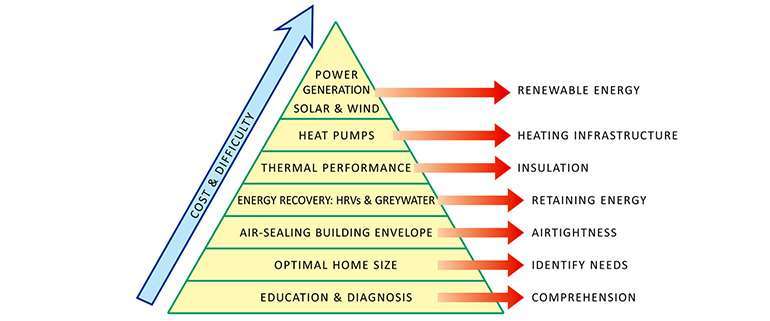
The report from this evaluation is your roadmap, providing a clear list of recommended upgrades and their potential impact on energy savings - something we often refer to as the Green building pyramid scheme. Finally, choose your contractor and get detailed quotes for the eligible work. Be sure to review program-specific requirements, such as ensuring all retrofits are installed after the initial evaluation and by a qualified professional.
In brief: a quick summary of your home energy grant options
Navigating the world of home energy retrofit incentives requires diligence, but the rewards are well worth the effort. By understanding the difference between grants and loans, recognizing the importance of a professional energy evaluation, and staying informed about available programs, you can make your home more comfortable, reduce your environmental footprint, and save money on energy bills.
Whether you are a homeowner embarking on your first retrofit or a professional helping clients navigate the process, these programs are a critical tool for building a greener future and we hope that the Canadian Goverment introduce a new green home renovation grant scheme soon.
Now that you know more about navigating home energy retrofit grants and loans, find more info about energy retrofits and green building techniques in the Ecohome Green Building Guide and these pages below:
-
How to design a home to use less energy
-
Find the best heat pumps for cold climates
-
Find the latest green home incentive programs - renovation tax breaks, green home grants and low interest loans for energy efficient home improvements
-
2025 heat pump buyers guide - which brand is best and where to buy them?
-
Choosing the right Insulation: the pros, cons, and applications






Comments (0)
Sign Up to Comment