



Victoria's Solar Homes Program offers new $400 rebate for Australian-made heat pumps
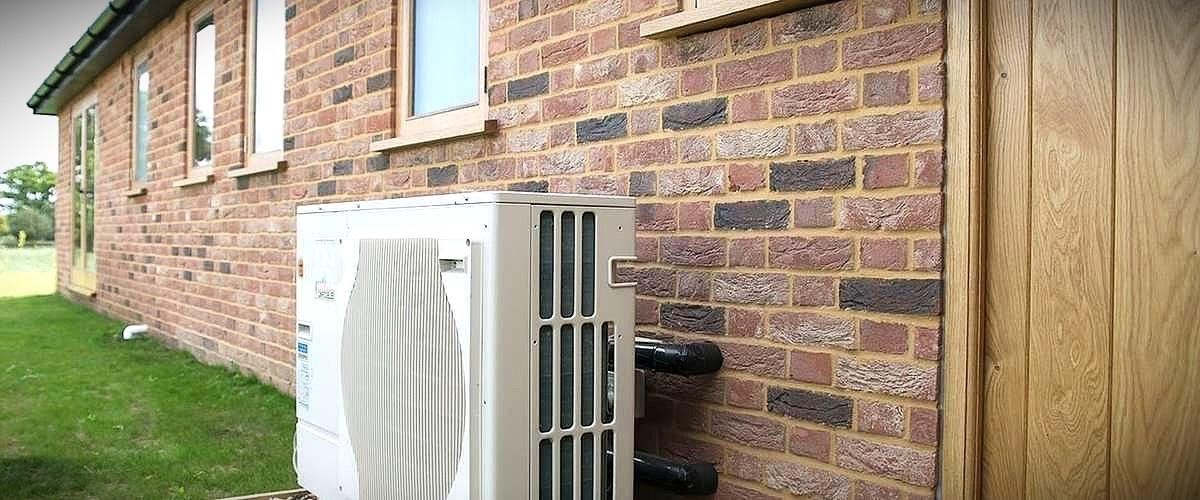
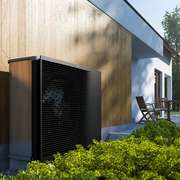
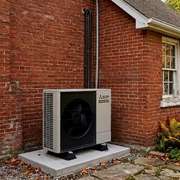
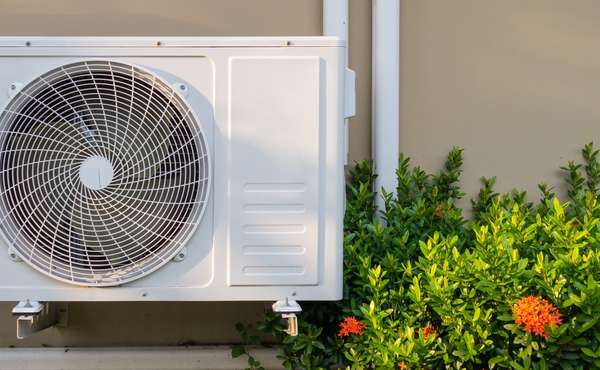
The Victorian government is showing its commitment to fighting climate change by promoting energy efficiency through a new heat pump additional rebate and grant program. An extra $400 rebate is now available for households investing in an electric heat pump hot water systems, provided they select a product from an Australian manufacturer.
This new incentive supplements the existing $1,000 rebate available through the state's popular Solar Homes Program. Initiatiatives like this are great on many fronts - homeowners save money, Australia reduces carbon emissions, and it stimulates the local economy with the 'buy local' policy for qualification.
Victorian Energy Minister Lily D’Ambrosio emphasized the state's dedication to supporting local industry. "We have a strong tradition of manufacturing hot water products right here," D'Ambrosio stated in a recent announcement. "This initiative ensures that funds invested in Victoria recirculate within our economy and bolster local employment."
The original $1,000 rebate is still accessible for any eligible system, the added $400 is intended to encourage consumers to choose Australian-made options, preventing domestic manufacturers from being overlooked.
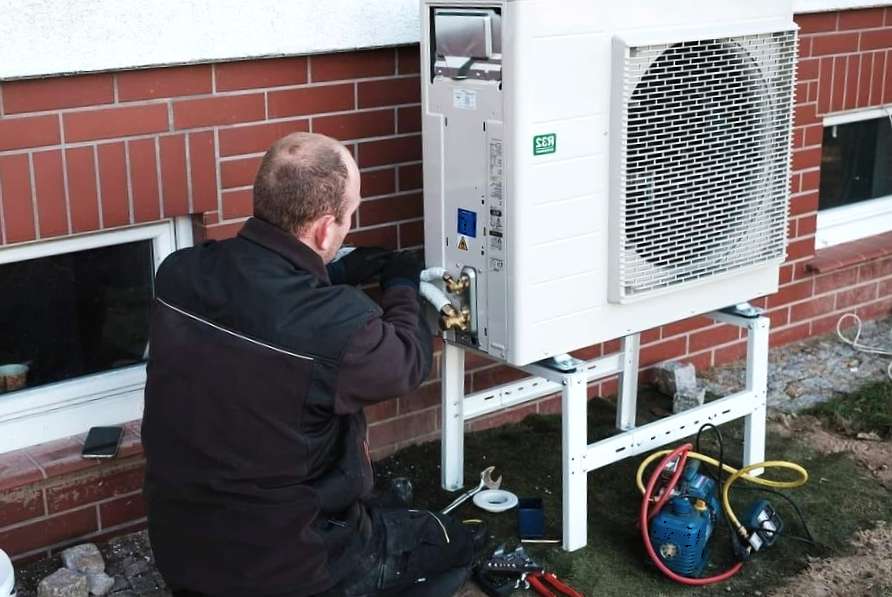
Why are heat pumps better for heating?
Grants and rebate programs to encourage homeowners to buy heat pumps are regularly in the news because of how cheap they are to operate and how little energy they use. But like any new building trend and booming industry, many companies jump on board quickly to turn a profit, which can saturate the market with lower end products, so homeowners should shop wisely.
See our 2025 heat pump buyers guide - find the top ten best heat pumps here!
This strategic move by the Victorian Labor government comes amidst scrutiny from by New South Wales' heat pump incentive scheme. In NSW, both the current Labor administration and its Liberal predecessor have drawn criticism, with industry stakeholders alleging that the state's program has inadvertently favored less expensive, often lower-quality imported systems over premium Australian alternatives.
Victoria, in southeastern Australia, is the country's most densely populated region. The majority of its 7 million residents live in the temperate central-south area, particularly within the Greater Melbourne metropolitan area.
The state of Victoria's climate is highly suitable for modern heat pump technology. With cool winters that rarely see extreme freezing temperatures and warm-to-hot summers, air-source heat pumps can operate within their most efficient range for both heating and cooling year-round.
Victoria's suitability for heat pumps is further enhanced by its energy policies. The state has ambitious renewable energy targets, aiming for 95% of its electricity to be generated from sustainable sources like wind and solar by 2035. As the electricity grid becomes progressively greener, using a highly efficient heat pump allows homeowners to significantly reduce their carbon footprint.
Furthermore, with residential electricity costs being a major household expense in Australia, the high energy efficiency of heat pumps offers a compelling opportunity for Victorian residents to lower their energy bills, making government grants for heat pumps, and especially Australian manufactured heat pumps, a key incentive for the transition.
The Victorian Solar Homes Program, managed by Solar Victoria, recently received a significant funding injection of $29.7 million from the 2025/26 state budget. This substantial boost is earmarked for accelerating the electrification of homes through various grants and subsidies like tax cuts, including those for efficient heat pump hot water systems, reverse cycle air conditioners, and rooftop solar panels to power these appliances.
According to Solar Victoria, switching from a gas hot water system to an efficient electric heat pump can lead to substantial energy bill savings, potentially up to $330 annually for households. The efficacy and appeal of heat pumps are clearly evident in Victoria, as these systems have emerged as the most popular component of the Solar Homes Program, witnessing a remarkable 151% surge in installations compared to the previous year. This growing adoption underscores the value Victorians place on energy-efficient and sustainable home solutions.
Our view: a smart investment in a sustainable future
Ecohome views the decision to promote Australian-manufactured products as a particularly positive step for households there. In an era of complex global supply chains and international trade tariffs, such as those seen in North America, prioritizing local manufacturing strengthens the domestic economy and fosters higher quality control.
Reducing our reliance on shipping products from halfway around the world is a fundamental move toward a truly sustainable economy. Supporting local building contractors and companies in Australia shortens supply lines, cuts transport-related carbon emissions, and ensures products are built to meet Australia's specific standards, rather than incentivizing the importation of mass-produced goods from less-regulated markets.
Ecohome is always happy to learn of building rebates and tax incentives in Australia or elsewhere so we can spread the word, and hopefully homeowners will take advantage of these programs. However, weeding your way through tax rebate programs and learning if you qualify is tricky to say the least, and often times discouraging.
Understanding the terminology for lower-cost and more sustainable home improvements : What's the difference?
To help navigate the offers available for reducing the cost of home improvements in Australia, here is a simple breakdown of the financial support terms you'll encounter:
- Rebates: This is the most common type of support you'll see. It means you get money back after purchasing a specific eligible product.
Example: The Solar Victoria rebate for a new heat pump or solar panel system. - Grants: This typically refers to upfront funding to help you afford a larger project. You usually need to meet specific eligibility criteria to receive the money before you start.
Example: The grants available through Victoria's "Solar Homes Program" that reduce the initial cost of installation. - Subsidies: This is when the government reduces the ongoing cost of a service or product. While less common now for new installations, it was a key model for earlier programs.
Example: Previous Australian government subsidies that helped reduce the cost of solar battery storage. - Incentives: This is a general, catch-all term that covers all of the above. When you see "home energy incentives," it simply refers to all the different rebates, grants, and programs available to help you save money on home improvements.
Anyone that successfully enrolls for the new heat pump rebates and wishes to help felllow Australians get on the program, please be a hero and share any hacks and encouragement in the comment section below!
Now you know all about the Victoria heat pumps grant program in Australia, learn more about efficient home heating systems for eco homes and sustainable home building in our green building guide and these pages:
-
Australian housing trend - less new homes are being built but home renovations are booming
-
Buyers guide for furnance filters and filters for HRVS and ERVs - why MERV and HEPA filters are important
-
Heat pump water heaters - what they are and why you may want one
-
Heating homes with electricity - the best choice for the future?




Comments (0)
Sign Up to Comment