


2026 Australian Green Building Grants & Incentives: Federal, State & Territory
Home energy efficiency incentives in Australia are in a state of high flux as the grid transitions away from coal. Federal programs are currently moving toward 'right-sizing' storage, while state-based certificate schemes (like those in VIC and NSW) have expanded to include everything from insulation to smart appliances. Election cycles and budget updates can shift these programs rapidly; if you notice a program has changed or reached its cap, please let us know in the comments.
The 2026 landscape is defined by the 'May 1st Rebate Cliff' for batteries and the annual reduction in solar certificates (STCs). Funding is increasingly tied to electrification - shifting away from gas - and participation in smart grid initiatives like Virtual Power Plants (VPPs).
- Small-scale Renewable Energy Scheme (STCs)
- Federal Battery Rebate (Cheaper Home Batteries)
- Household Energy Upgrades Fund (Low-interest Loans)
- National Energy Bill Relief (2025-26 Extension)
- Victoria: Victorian Energy Upgrades (VEU) & Solar Victoria
- New South Wales: Energy Savings Scheme (ESS) & PDRS
- Queensland: Battery Support & Solar for Rentals
- South Australia: REPS & VPP Incentives
- ACT, WA, TAS & NT: Territory-Specific Schemes
Small-scale Renewable Energy Scheme (STCs)
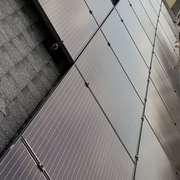
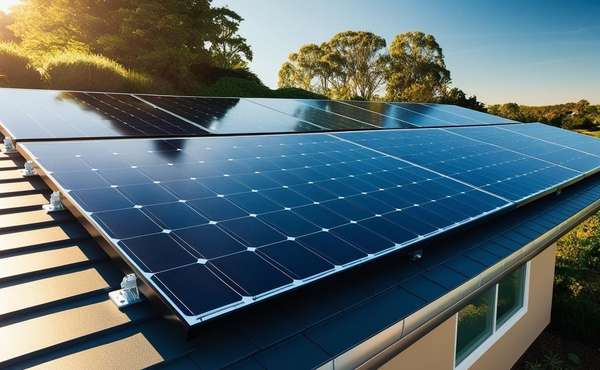
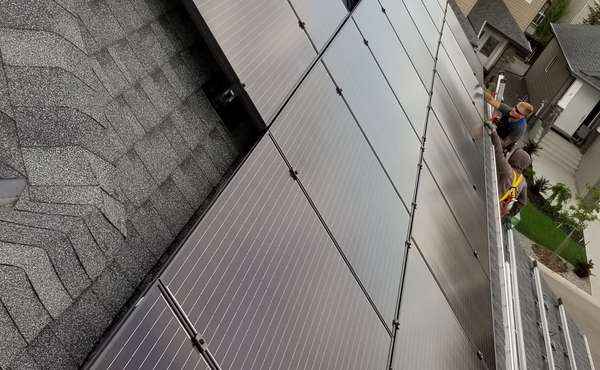
This is Australia's primary solar rebate. It works by issuing Small-scale Technology Certificates (STCs) based on the expected energy generation of your system until 2030. On January 1, 2026, the deeming period dropped from 6 years to 5 years, resulting in a roughly 15–20% reduction in the upfront discount for new solar panels. Homeowners should act early in the year to maximize the remaining certificate value before the next annual reduction in 2027.
View STC calculator and details
Federal Battery Rebate (Cheaper Home Batteries)
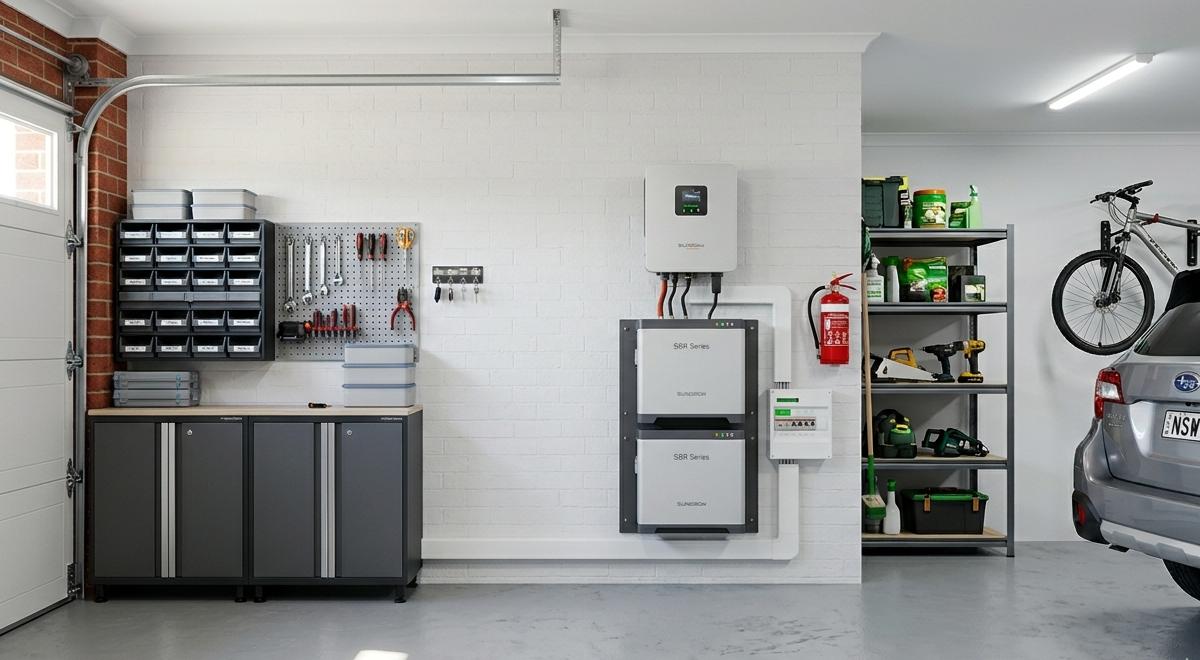
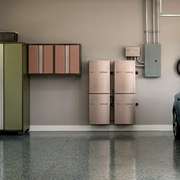
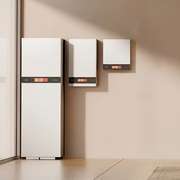
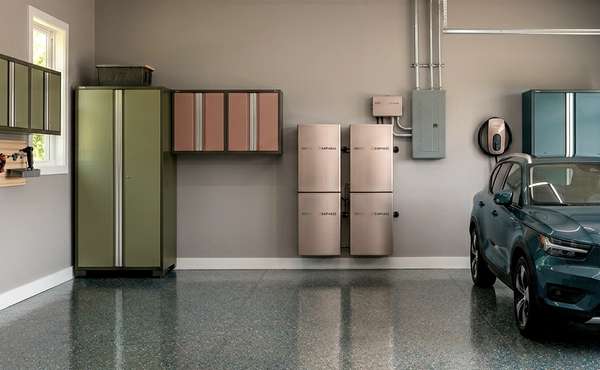
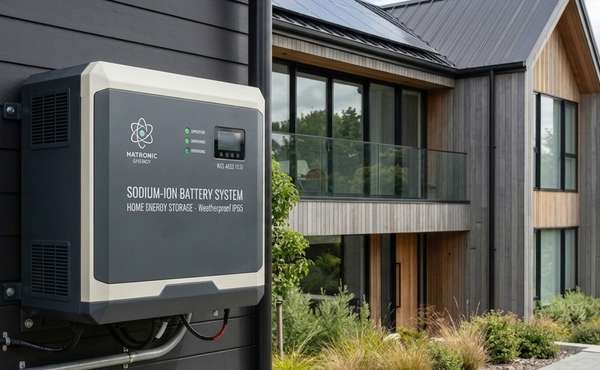
A massive overhaul of the battery incentive takes effect on May 1, 2026. The program is shifting from a flat rate to a tiered rebate system to encourage properly sized units. Systems from 0–14kWh receive the full rebate factor, while capacity between 14–28kWh receives 60%, and anything over 28kWh receives only 15%. For a standard 10kWh battery, this still represents an upfront discount of roughly $2,500–$3,500, but acting before the May 1st cliff can save an additional $600+ on larger systems.
Check battery eligibility and tiered rates
Household Energy Upgrades Fund
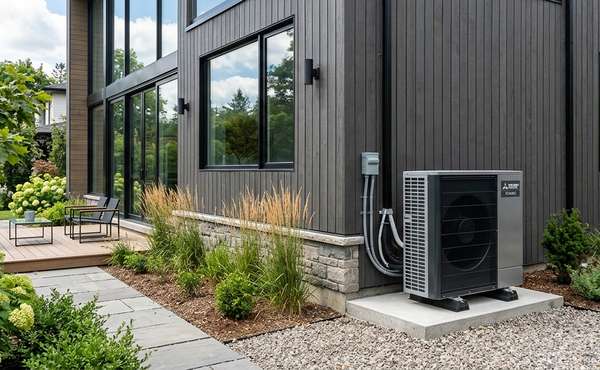
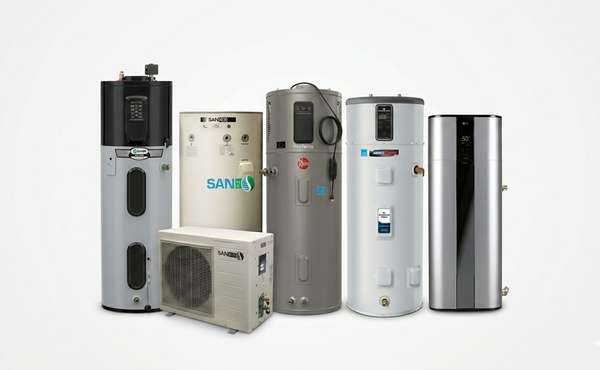
This $1.8 billion federal initiative partners with private lenders (like Plenti and Westpac) to provide discounted green loans for home retrofits. In 2026, the fund focuses on fast-tracking the transition to all-electric homes by subsidizing low-interest finance for double-glazing, insulation, heat pump hot water heater, and battery storage. It is designed for homeowners who may not qualify for low-income grants but want to reduce upfront capital costs with zero or near-zero interest terms.
View participating lenders and loan terms
National Energy Bill Relief (2025-26 Extension)
Extended for the 2025-26 financial year, this program provides a direct credit to electricity bills for most Australian households. Eligible residents receive a total of $150, typically applied in quarterly installments of $75 during the first two quarters of the financial year. This credit appears automatically as "Australian Government Energy Bill Relief" on page 2 of most utility bills, though residents in embedded networks (like apartment buildings or caravan parks) may need to apply manually through their state government portal.
Find your state's bill relief status
Victoria: Victorian Energy Upgrades (VEU) & Solar Victoria
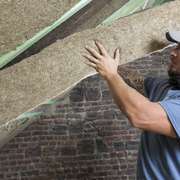
The VEU program is one of the most robust in the country, providing point-of-sale discounts on high-efficiency appliances. From April 14, 2026, the VEU has formally introduced ceiling insulation as a new rebate activity. While the initial rollout targets social housing, it expands to all eligible residential homes on October 1, 2026. Homeowners can currently stack VEU glazing incentives (saving ~$350 per window) with Solar Victoria rebates for solar panels and heat pump hot water heaters.
Explore Victorian energy rebates
New South Wales: Energy Savings Scheme (ESS) & PDRS
NSW utilizes the Energy Savings Scheme to provide discounts on Home Energy Efficiency Retrofits. In 2026, the Peak Demand Reduction Scheme (PDRS) has been updated to streamline Virtual Power Plant (VPP) incentives. As of April 1, 2026, Rule updates ensure homeowners can claim up to 6 years of incentives upfront for connecting a battery to a VPP. Note: Standard battery installation incentives under PDRS are currently suspended to avoid double-dipping with the Federal Cheaper Home Batteries Program.
Learn about NSW Energy Security Safeguards
Queensland: Battery Support & Solar for Rentals
Queensland’s previous 'Battery Booster' program has closed, replaced by the Federal battery scheme for 2026. However, the state continues to lead with Solar for Rentals incentives, helping landlords install solar PV in exchange for tax offsets or shared-savings agreements with tenants. Queensland households also benefit from unique bill relief rules where those with multiple eligible accounts (such as a home and a small business) can receive the $150 credit on each account.
South Australia: REPS & VPP Incentives
South Australia’s Retailer Energy Productivity Scheme (REPS) requires energy retailers to help households achieve energy savings. In 2026, the highest incentives are reserved for Priority Group households (concession card holders). South Australia remains the national leader in VPP integration; joining an approved VPP can often net a homeowner an additional cash rebate or significant ongoing tariff discounts toward a battery system.
ACT, WA, TAS & NT: Territory-Specific Schemes
In the ACT, the Sustainable Household Scheme continues to offer low-interest loans up to $15,000 for products like EV chargers, induction cooktops, and ceiling insulation. Western Australia’s DEBS rewards households for exporting solar energy during late-afternoon peak periods. Tasmania offers Energy Saver Loans up to $10,000, while the Northern Territory provides a $450 per kWh rebate (up to $6,000) for battery installations.
In brief
The 2026 Australian market is shifting from free solar toward smart storage. For pros, success depends on being an Accredited Certificate Provider (ACP) or VEU-registered installer. For homeowners, the strategy should be to secure solar installations before the annual STC drop each January and to time battery purchases before the new tiered system launches on May 1, 2026.
Now that you know more about 2026 green building grants and incentives in Australia , find more info about sustainable home upgrades & green building techniques in the Ecohome Green Building Guide and these pages below:
-
Victoria boosts clean energy with bonus rebate for Australian-made heat pumps
-
Australian home building industry shows a drop in new home starts but a boom in renovations
-
Window shading options for passive cooling of homes to reduce AC bills
-
Window film treatments to reflect light and lower air conditioning costs



Comments (0)
Sign Up to Comment