









2026 heat pump buyers guide: a homeowner's and pro's guide
The landscape of home heating and cooling has shifted dramatically as we enter 2026, with heat pump technology now serving as the primary mechanical solution for both new construction and deep energy retrofits.
This guide provides an authoritative roadmap for homeowners and building professionals to navigate the latest efficiency standards, cold-climate performance capabilities, and the significant 2026 energy efficiency tax credits and rebates that are currently available.
- Understanding heat pump technology
- Types of heat pumps
- Efficiency ratings and performance in 2026
- Cold climate reliability and performance
- The 2026 refrigerant transition
- Top performing systems for 2026
- Heat pump grants and incentives
- Professional installation and sizing
Understanding heat pump technology
A heat pump does not create heat through combustion or electrical resistance; instead, it moves heat from one location to another. In the summer, it acts as an air conditioner by extracting heat from the interior of your home and transfering it oudoors. The process reverses in winter, when the machine extracts energy from the outdoor air (or ground) and transfers it indoors to heat your home. Because moving heat is far more efficient than creating it, these systems often operate at 300% to 400% efficiency.
Types of heat pumps
Selecting the right system depends heavily on your existing infrastructure and local climate conditions. For a detailed breakdown, see our comprehensive air source vs geothermal heat pump comparison guide.
Air source heat pumps (ashp)
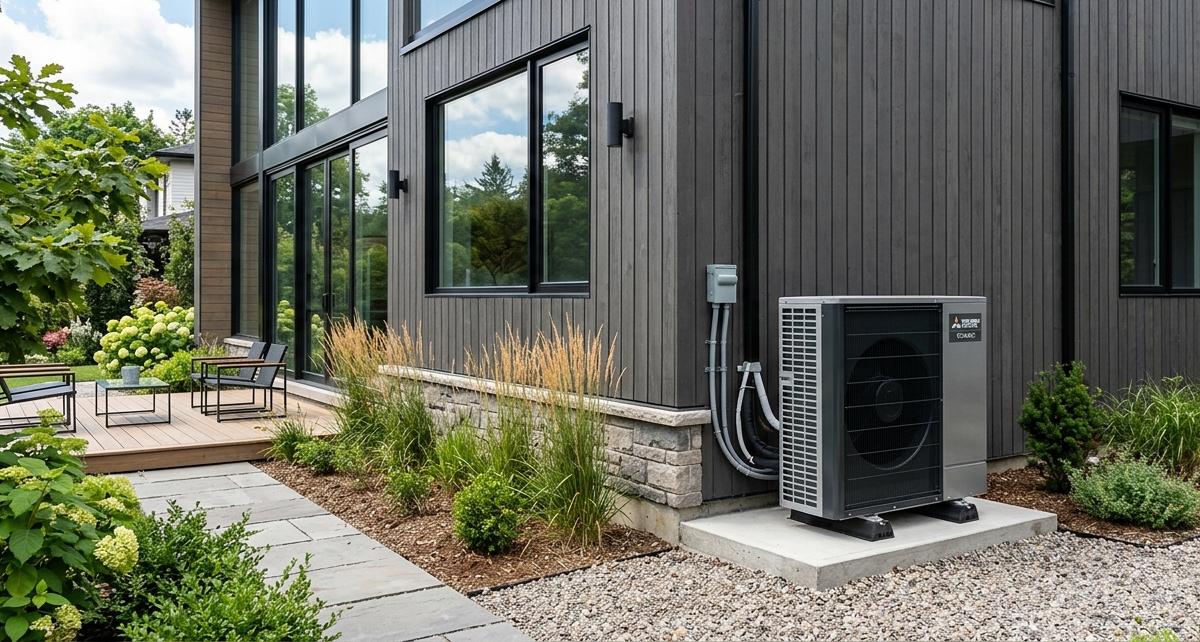
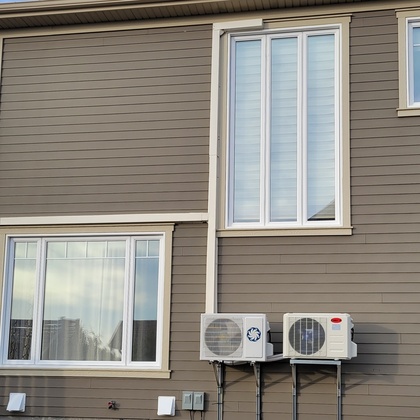
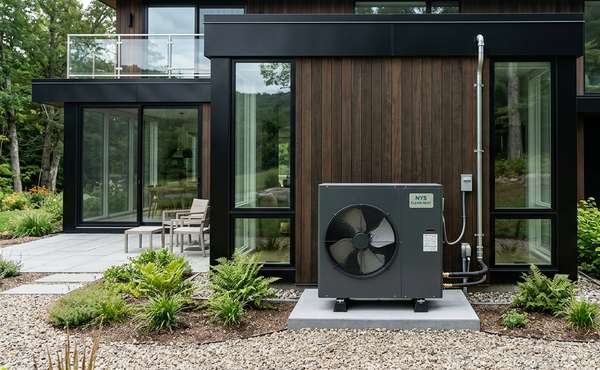
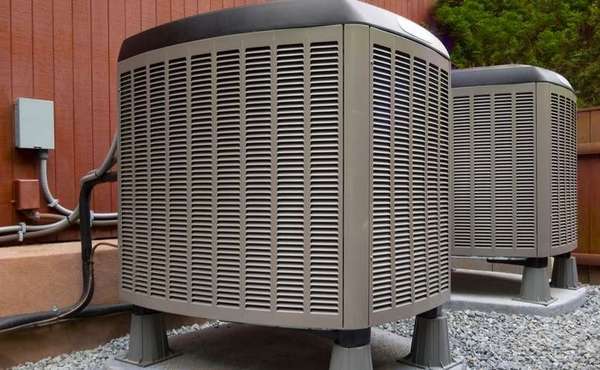
The most common residential choice, air source heat pumps extract heat from the ambient air. They are available in ducted versions, which utilize existing central vents, or ductless mini-split heat pump systems, which use individual wall-mounted units to provide zoned comfort.
For smaller spaces, new plug-and-play through-wall units like the Merino Mono offer a high-efficiency alternative without the need for exterior condensers.
Ground source or geothermal heat pumps (gshp)
Geothermal systems exchange heat with the earth, which maintains a consistent temperature of roughly 50°F (10°C) year-round. While the upfront installation cost is significantly higher due to excavation and loop piping, GSHPs offer the highest operational efficiency and the longest lifespan of any HVAC system. These are particularly favored in net zero home projects where long-term energy stability is the priority.
Air-to-water heat pumps (awhp)
Rapidly gaining traction in 2026, air-to-water systems provide space heating through hydronic radiators or radiant floor loops, while also producing domestic hot water. This technology is a direct replacement for gas or electric boilers. To see how these systems stack up financially, review our guide on air to water heat pump vs boiler ROI.
Efficiency ratings and performance in 2026
When comparing models, professionals and homeowners must look past the marketing and focus on standardized metrics. As of 2026, SEER2 and HSPF2 are the mandatory standards for testing.
- SEER2 (Seasonal Energy Efficiency Ratio 2): Measures cooling efficiency. A rating of 18 to 22 SEER2 is considered high-performance.
- HSPF2 (Heating Seasonal Performance Factor 2): Measures heating efficiency over a season. For 2026, look for units with an HSPF2 of 9 or higher.
- COP (Coefficient of Performance): A real-time measurement of efficiency. A COP of 3.0 means the unit provides 3 units of heat for every 1 unit of electricity consumed.
Cold climate reliability and performance
The most significant advancement in 2026 is the maturity of cold climate air source heat pumps (ccASHP). Older units struggled when temperatures dropped below freezing, but modern inverter-driven compressors can now maintain 100% heating capacity down to 5°F (-15°C) and continue operating efficiently at temperatures as low as -22°F (-30°C).
For professionals designing systems in northern regions, sizing for the 99% design temperature is critical. In extreme zones, hybrid or dual-fuel systems may still be used, where a small electric or gas backup provides supplemental heat during record-breaking cold snaps.
The 2026 refrigerant transition
A major regulatory shift took effect on January 1, 2026, requiring most new heat pumps to use low-GWP refrigerants. The industry has largely moved away from R-410A in favor of R-32, R-454B, and R-290 (propane).
R-290 (propane) is particularly notable for its near-zero GWP of 3 and its ability to produce higher flow temperatures, making it ideal for retrofitting older homes with traditional radiators. Homeowners should verify with contractors that their chosen unit uses a modern, future-proof refrigerant to ensure long-term serviceability.
Top performing systems for 2026
The 2026 market offers a diverse range of inverter-driven and low-GWP solutions tailored for extreme efficiency. Beyond the legacy brands, several specialized systems have gained significant traction for their cold-climate reliability and smart-grid integration capabilities.
Mitsubishi Electric Zuba and hyper-heat
The Mitsubishi Electric Zuba remains the gold standard for cold-climate performance and proven reliability. It features proprietary Hyper-Heat (H2i) technology that allows the system to maintain 100% of its heating capacity down to 5°F (-15°C) and continue to provide heat at temperatures as low as -22°F (-30°C).
Unlike standard units that lose efficiency as the mercury drops, the Zuba uses a unique flash-injection circuit to stabilize output. For a detailed look at how this compares to other northern-tier units, see our guide on best heat pumps for cold climates. This model is a favorite for both retrofits and new builds due to its quiet operation and flexible indoor unit pairings.
Daikin Fit Aurora
For those prioritizing a slim footprint and ducted versatility, the Daikin Fit Aurora utilizes a side-discharge outdoor unit that fits easily in narrow side yards. It provides 100% heating capacity down to 5°F (-15°C) and can operate reliably at -22°F (-30°C).
The Fit Aurora is known for its smart defrost cycle which prevents unnecessary downtime during coastal dampness. Because Daikin manufactures its own compressors and inverters, the system offers seamless communication with the Daikin One+ smart ecosystem, allowing homeowners to track energy usage in real-time. For contractors, the side-discharge design simplifies service access in tight residential urban environments.
Fujitsu Halcyon and Orion XLTH+
The Fujitsu Orion XLTH+ has emerged as a top contender for the most efficient mini-split on the market, achieving an industry-leading 33.5 SEER2. It is engineered specifically for low-temperature operation, maintaining full capacity down to -15°F (-26°C).
Its quiet mode allows the indoor unit to operate at a whisper-thin 23 dB(A), making it ideal for bedrooms or home offices where noise pollution is a concern. The system also includes a base pan heater as a standard factory feature, ensuring that ice build-up does not impede performance during freezing rain or heavy snow cycles - a critical detail for professionals in northern climates.
Carrier Infinity 24 with Greenspeed
The Carrier Infinity 24 is a high-performance choice for whole-home energy management, featuring a robust 24 SEER2 and 13 HSPF2 efficiency rating. Its standout feature is Greenspeed Intelligence, which uses a variable-speed compressor to adjust output in tiny increments of 1%.
This precision allows the system to maintain humidity levels far better than standard units, acting as the brain of the home to automatically balance comfort and cost. While it requires the proprietary Infinity System Control to unlock all features, the integration with air purifiers and humidifiers makes it a premier choice for pros focusing on indoor air quality. To see the long-term savings potential, check our heat pump reliability review.
LG R290 air-to-water
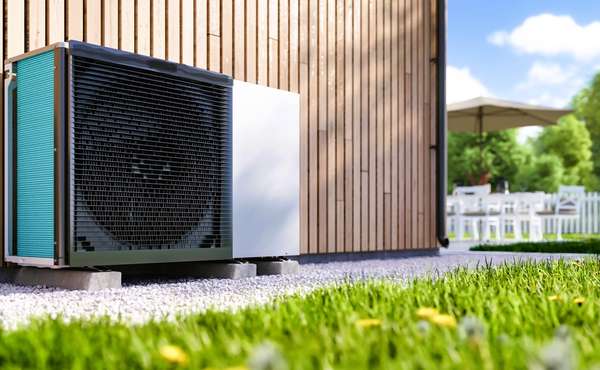
The LG R290 system is widely considered the future-proof choice for low-carbon home heating. While most 2026 units use A2L refrigerants, this monobloc system utilizes R-290 (propane), which has a Global Warming Potential (GWP) of just 3.
It is capable of delivering high-temperature water up to 167°F (75°C), allowing it to work with existing radiators in older homes without the need for extensive retrofits. Its AI-driven software is specifically designed to optimize energy use based on real-time electricity rates and localized weather forecasts. This is a premium choice for those viewing a heat pump as a 20-year infrastructure investment. Learn more about how this tech replaces traditional systems in our AWHP vs boiler guide.
Bosch Ids Series
Prosumers and builders often turn to the Bosch ids series for its high capacity-to-cost ratio. The system is unique because the outdoor unit is self-adjusting to any indoor evaporator coil, meaning it can be paired with existing non-Bosch air handlers to save on total project costs.
The IDS Premium provides 20 SEER2 and is built with a heavy-duty scroll compressor designed for longevity. Unlike many closed systems that require proprietary thermostats, Bosch works with almost any 24V smart controller, offering the flexibility that many DIY-focused homeowners and independent contractors prefer. For smaller applications, the new Merino Mono plug-and-play unit offers a similar level of engineering simplified for small zones.
Heat pump grants and incentives: maximizing your 2026 savings
The upfront cost of a high-performance heat pump is significantly offset by 2026 federal and state programs designed to accelerate home electrification. In the United States, the 25C tax credit offers 30% of the project cost up to 2,000 USD annually for heat pumps, while the HEEHRA rebate program provides up to 8,000 USD for income-qualified households. In Canada, the Oil to Heat Pump Affordability (OHPA) program remains a primary driver, offering up to 10,000 USD (or more in participating provinces) for homeowners switching from fossil fuel systems.
Green building tax incentives and grants for home renovations and energy efficiency upgrades change fast, here is a link to 2026 US green building grants and incentives and I will add the link myself to an article I just wrote.
Professional installation and sizing
Equipment is only as good as its installation and commissioning process. Manual J load calculations are non-negotiable for professionals to ensure the system is neither undersized (leading to cold homes) nor oversized (leading to short-cycling and premature failure).
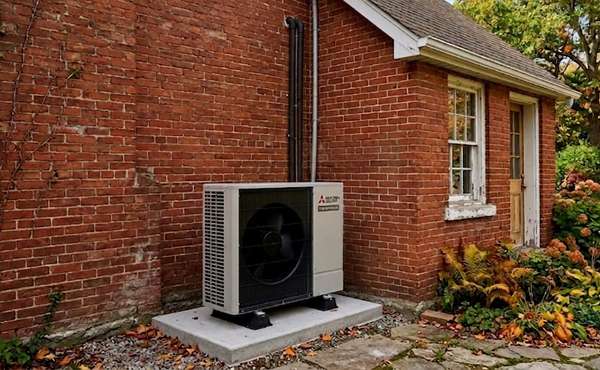
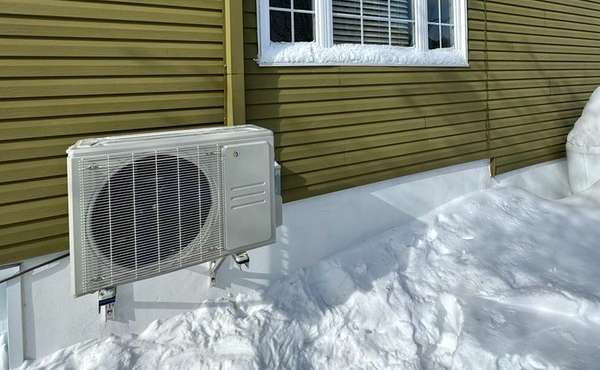
Homeowners should try to find experienced reputable HVAC contractors who provide detailed ductwork assessments and integrated smart controls for maximum efficiency. Proper placement of the outdoor unit, away from snow drifts and roof shedding lines, is essential for maintaining uninterrupted winter performance.
In brief
In 2026, heat pumps have moved from an alternative to the gold standard for residential HVAC. By combining high-efficiency inverter technology with modern low-GWP refrigerants and substantial federal incentives, these systems provide a cash-flow positive path toward decarbonizing your home while improving year-round comfort.
Now that you know more about 2026 heat pump buyers guide, find more info about sustainable HVAC and green building techniques in the Ecohome Green Building Guide and these pages below:
-
Which heat pumps perform best in cold climates?
-
The 'Envelope first' building philosphy of energy efficient home building
-
Master net metering by combining solar, home batteries and heat pumps
-
The merino mono: first true plug-and-play indoor heat pump



Comments (0)
Sign Up to Comment