






2026 heat pump water heater buyers guide: a homeowner's and pro's guide
Heat pumps for home heating has become a very common choice, and hot on their heels are heat pump water heaters. The low temperature performance of heat pumps today compared to what they offerered a decade ago makes them an increasingly smart choice when you consider the low operating cost. Heat pump water heaters are starting to become more common place now as well, and also offer a huge savings.
If what a heat pump actually does is a foreign concept to you, see this simple explanation of how a heat pump works. But the short story, is that is doesn't generate heat, it just condenses heat from one location (like outside) and moves it to another location (like inside) by way of a compressor and coolant. The reason they are more affordable to operate is that 'moving' heat is a far more efficient process than 'generating' heat.
A heat pump water heater offers energy savings of about 75% compared to traditional electric tanks. Whether you heat with gas or electricity, cutting your bills by 75% is pretty enticing. So really the more you use the more you save. That means, it may not be worth the investment for a person that lives alone and uses little water, but a family with showering teenagers will for sure notice the lower bills.
This guide provides an authoritative roadmap for homeowners and building professionals to navigate the latest heat pump efficiency standards, low-GWP refrigerant shifts, and the significant green home energy efficiency tax credits and rebates available for domestic hot water this year.
- Understanding heat pump water heater technology
- Uniform energy factor and performance in 2026
- Installation space and venting requirements
- Top performing heat pump water heaters for 2026
- The 2026 refrigerant transition
- Heat pump grants and incentives
Understanding heat pump water heater technology
A heat pump water heater does not create heat directly using resistance coils; instead, it extracts heat from the surrounding air and transfers it into the water tank via a compressor and refrigerant loop. Most models are hybrid systems, meaning they include backup electric elements for periods of high demand, but they operate primarily in high-efficiency heat pump mode.
And given that they cost more to purchase but are much cheaper to operate, you'll want to keep them in 'heat pump mode' as much as possible. So the first step to do that would be to upgrade to low flow showerheads if you haven't already.
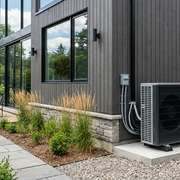
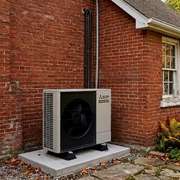
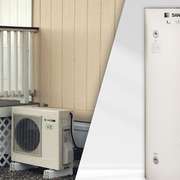
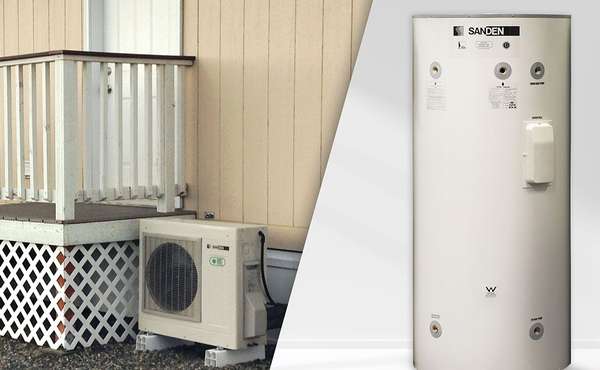
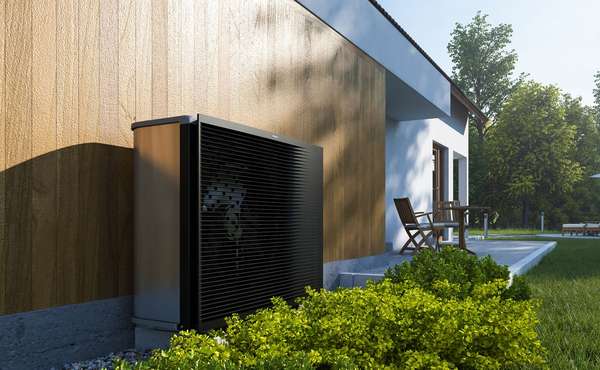
Since a heat pump extracts air from the surrounding environment, they also provide the added benefit of dehumidifying the air in the room where they are installed, as well as cooling it. That's not big news in winter, but in the summer months a heat pump water heater acts as an air conditioner. The exception to that rule is the SanCO2 heat pump water heater with exterior compressor.
Uniform energy factor and performance in 2026
When comparing models, professionals and homeowners must focus on the Uniform Energy Factor (UEF), which is the standard measure of water heater efficiency. For 2026, high-performance hybrid units typically offer a UEF between 3.5 and 4.0, meaning they are roughly four times more efficient than standard electric tanks which have a UEF of approximately 0.9.
Installation space and venting requirements
A critical consideration for heat pumps is air volume. Most 2026 HPWH units require roughly 1,000 cubic feet (28 cubic meters) of surrounding air space to extract heat effectively. In smaller utility rooms or closets, ducting the air intake and exhaust is necessary to prevent the unit from cooling its own space and losing efficiency.
Additionally, because these units pull moisture from the air, they require a condensate drain or pump to manage the water collected during the heating process.
Top performing heat pump water heaters for 2026
The 2026 market offers a diverse range of high-efficiency and split-system solutions. Beyond standard hybrid tanks, several specialized systems have gained significant traction for their quiet operation and extreme efficiency.
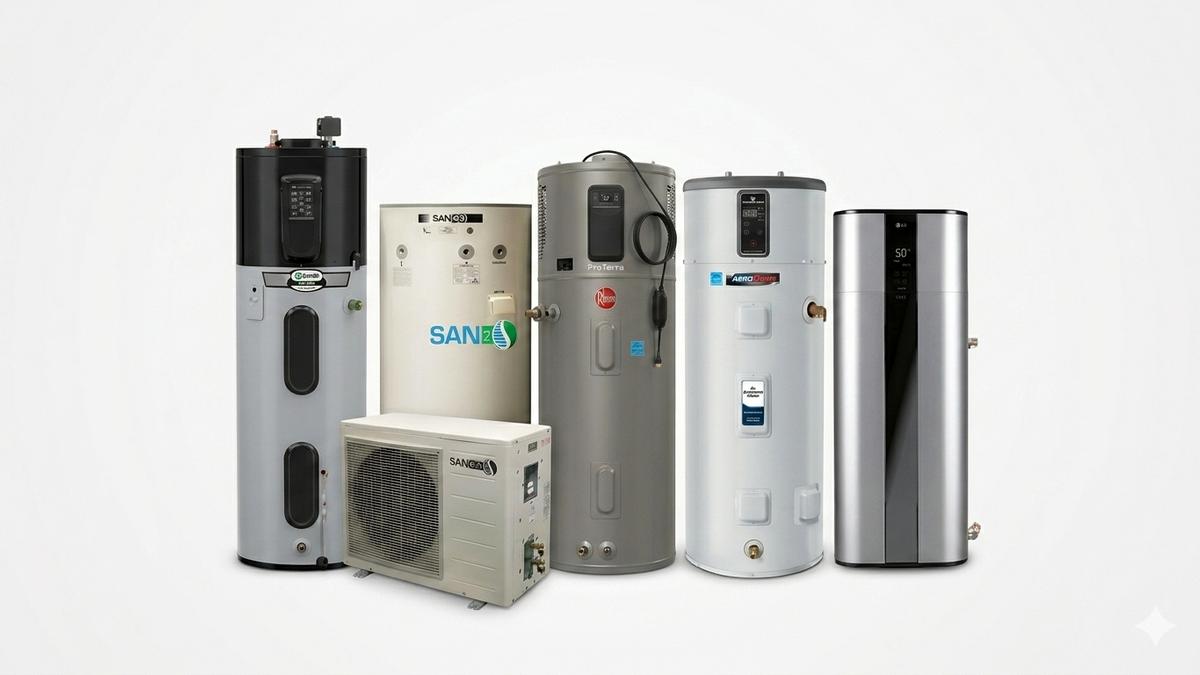
A.O. smith voltex signature 900
The A.O. Smith Voltex Signature 900 remains a top-tier choice for reliability and smart integration. It features built-in leak detection with an automatic shut-off valve, providing peace of mind for installations in finished spaces.
The system is available in 50, 66, and 80-gallon capacities and is known for its high-quality ceramic-fused tank lining that resists corrosion. For homeowners focused on long-term durability, this model is a consistent winner in professional reliability surveys.
Rheem proterra hybrid electric
For those prioritizing high efficiency and value, the Rheem ProTerra offers an industry-leading UEF of up to 4.07. It features a slim design that fits more easily into tight retrofit spaces. The EcoNet app provides granular data on hot water availability and energy consumption, making it a favorite for tech-savvy homeowners. Its "Health" mode allows the unit to run exclusively on the heat pump to maximize savings, while "Turbo" mode can be engaged during heavy guest use.
SanCO2 split system (co2 refrigerant)
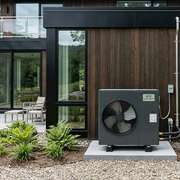
The SanCO2 is the gold standard for sustainable hot water, utilizing R-744 (carbon dioxide) as its refrigerant. Unlike standard hybrids, this is a split system with a quiet outdoor compressor and an indoor storage tank. This design moves the noise and cooling effect outside, making it ideal for passive houses and high-performance builds. It maintains incredibly high efficiency even in cold climates and is often paired with larger 80 or 119-gallon tanks for maximum storage.
LG inverter heat pump water heater
The LG Inverter HPWH is a high-performance choice for whisper-quiet operation, operating at only 53 dB(A). Its dual-inverter compressor allows the unit to modulate speed based on demand, which reduces wear and improves efficiency. It is highly scalable for multi-family or prosumer applications and integrates seamlessly with the LG ThinQ smart home ecosystem. To see how these inverter systems compare to traditional units, review our heat pump technology review.
Bradford white aerotherm series
Prosumers and builders often turn to the Bradford white aerotherm for its contractor-friendly design. Sold primarily through professional channels, it is built with heavy-duty components and features a Hydrojet sediment reduction system. This ensures the tank remains efficient over its entire lifespan by preventing mineral buildup. It offers five distinct operating modes, including a "Vacation" mode that can be scheduled to save energy while the home is unoccupied.
The 2026 refrigerant transition
A major regulatory shift took effect on January 1, 2026, requiring new water heating equipment to transition toward low-GWP (Global Warming Potential) refrigerants. While many systems still use R-134a, the industry is moving rapidly toward R-513A and R-1234yf. Leading systems like the SanCO2 already utilize CO2 (R-744), which has a GWP of only 1. Homeowners should verify with contractors that their chosen unit is future-proofed against upcoming refrigerant phase-outs to ensure long-term serviceability.
Heat pump grants and incentives: maximizing your 2026 savings
The upfront cost of a heat pump water heater is significantly offset by 2026 federal and state programs designed to accelerate home electrification. In the United States, the 25C tax credit offers 30% of the project cost up to 2,000 USD annually for heat pumps (including HPWHs), while the HEEHRA rebate program provides up to 8,000 USD for income-qualified households. In Canada, provincial programs continue to offer grants and interest-free loans for energy-efficient equipment through the Greener Homes initiative.
Green building tax incentives and grants for home renovations and energy efficiency upgrades change fast, here is a link to 2026 US green building grants and incentives and I will add the link myself to an article I just wrote.
Now that you know more about 2026 heat pump water heater buyers guide, find more info about sustainable HVAC and green building techniques in the Ecohome Green Building Guide and these pages below:
-
Low flow showerheads - do they work and are they worth it?
-
Which heat pumps perform best in cold northern climates?
-
2026 US green building and renovation grants guide
-
The Merino Mono: The first true plug-and-play indoor heat pump





Comments (0)
Sign Up to Comment