




Vancouver's New Water Heater Rules: A Homeowner's Guide to Upgrades & Rebates
With Vancouver's new efficiency standards for replacement water heaters on the horizon, if you've been putting off replacing your hot water tank, the next few months might be the ideal time. The good news is that a robust ecosystem of rebates and grants is available in Vancouver BC to significantly lower the upfront cost of switching to a newer high-efficiency hot water tank. When you crunch the numbers, one option emerges as a clear long-term winner for Vancouver residents - and chances are these grants might not last too long so we'd suggest seizing them now!
This guide will break down what you need to know about the new rules taking effect on January 1, 2027, the financial incentives available now, and which technology offers the best return on your investment when you're changing your hot water tank.
- Why Focus on Water Heaters? Your Home's Energy Use
- The Big Change: What's Happening?
- Deep Dive into Rebates and Grants
- Statistical Showdown: Comparing Your Options
- The Winner for Vancouver Residents: Why HPWHs Excel
- Frequently Asked Questions (FAQ)
- What to Do Now
- In brief
Why Focus on Water Heaters? Your Home's Energy Use
To understand why Vancouver is implementing these new rules for water heater replacement, it helps to first look at where your energy dollars are going. In the typical Canadian home, energy consumption is dominated by two major categories: heating your home and heating your water.
According to Natural Resources Canada, heating water is the second-largest source of energy use in the average home. While space heating is the biggest culprit (often over 60% of energy use), water heating alone accounts for approximately 19% of a household's total energy consumption. This makes it a significant and impactful target for efficiency gains. Upgrading an old, inefficient hot water tank is one of the most effective ways a homeowner can reduce their monthly energy bills and overall carbon footprint, which is exactly why it's a key part of these new standards.
The Big Change: What's Happening?
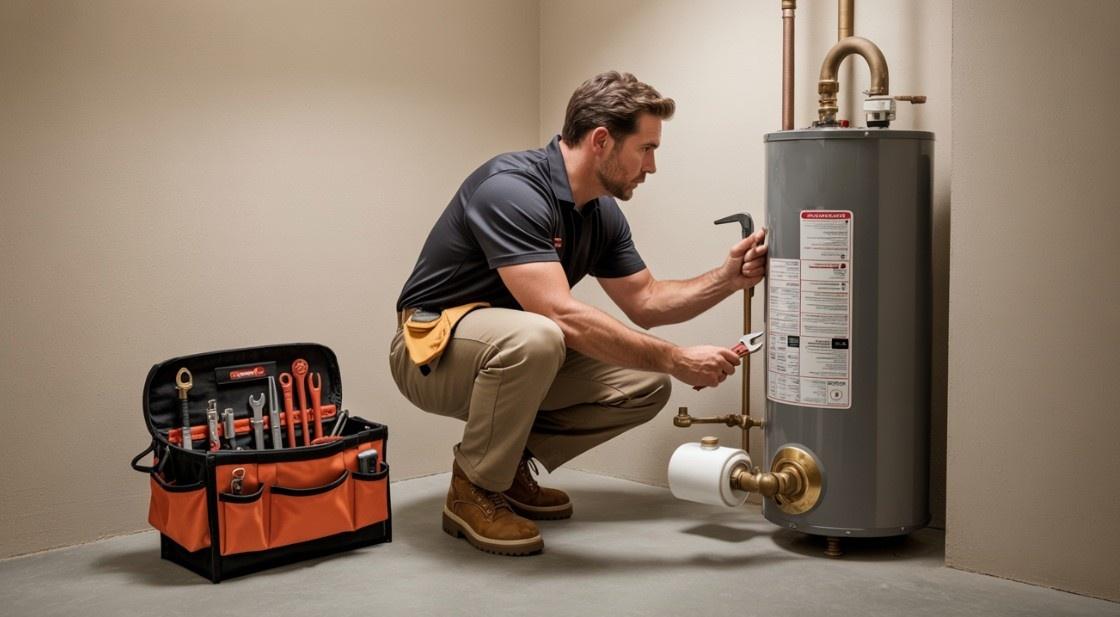
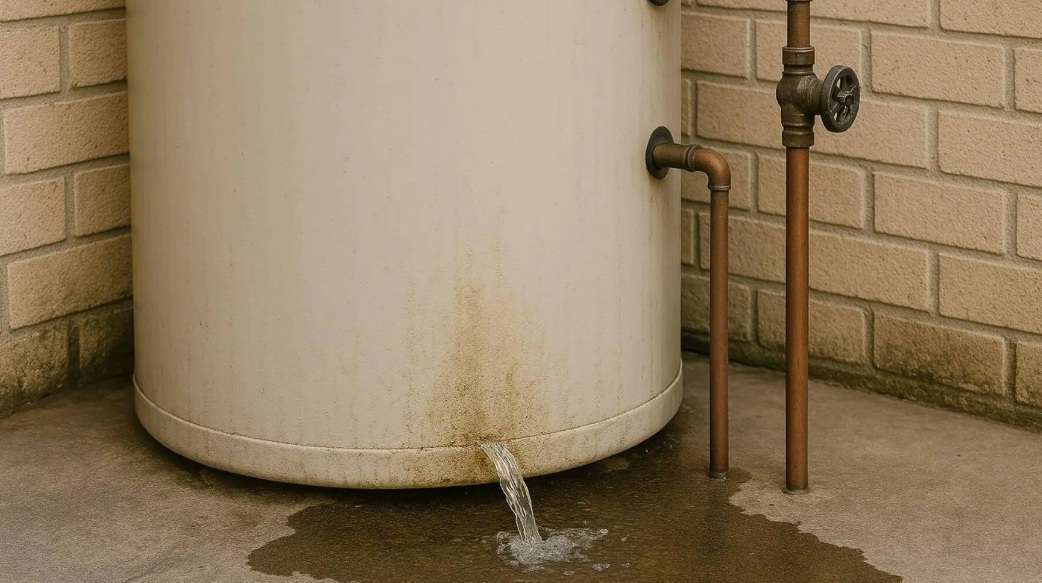
In simple terms: starting January 1, 2027, when your old water heater needs to be replaced, you must install a new one that meets the "highest efficiency standards." This applies to all replacement hot water tanks and heaters in detached homes and duplexes within the City of Vancouver.
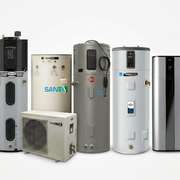
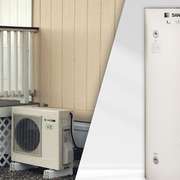
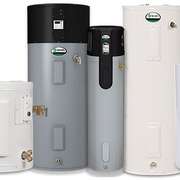
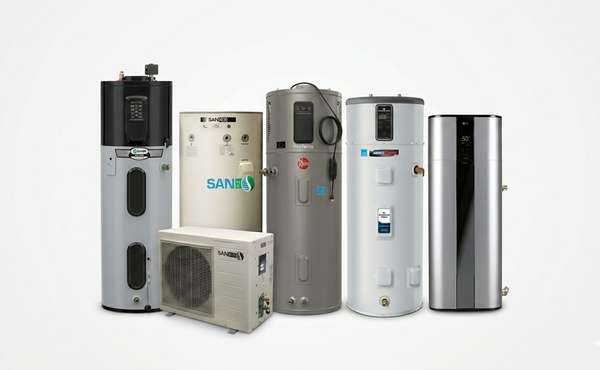
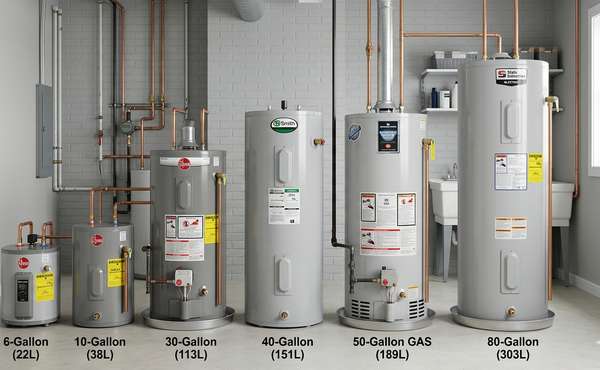
This means that if your conventional natural gas or electric resistance tank fails after that date, or if you're changing the hot water tank because your insurance won't insure a tank over 10 years old, you won't be able to replace it with the same type of regular low-efficiency model. Instead, you will be required to upgrade to a modern, high-efficiency unit like a Heat Pump Water Heater (HPWH), a high-efficiency gas model (which we'd avoid), or a latest-generation electric resistance hot water tank.
Deep Dive into Rebates and Grants
As of late 2025, several programs are in place to help B.C. homeowners, including those in Vancouver, make the switch to more energy-efficient technology. These programs are often stackable, meaning you can combine rebates from different sources for the same upgrade.
- CleanBC Better Homes Program: This is the flagship provincial program. Homeowners can receive a rebate of up to $3,500 for installing a qualifying HPWH. Recognizing that switching from gas to electric might require an electrical panel upgrade, CleanBC offers up to $5,000 to cover those costs as well.
- BC Hydro Rebates: For homes primarily heated by electricity, BC Hydro offers a $1,000 rebate for installing a qualifying Tier 2 or higher electric HPWH. This can be combined with the CleanBC rebate.
- FortisBC Rebates: If you are a FortisBC natural gas customer, there are rebates for high-efficiency natural gas water heaters. For income-qualified households, you can get up to $2,500 for a condensing tankless or condensing storage tank water heater.
- Federal Programs (Canada Greener Homes Grant): Important Note: The Canada Greener Homes Grant is currently closed to new applicants. However, it's worth keeping an eye on federal announcements for any new, similar programs that may launch.
Statistical Showdown: Comparing Your Options
To determine the best option for Vancouver residents, let's compare the three main high-efficiency choices: the Electric Heat Pump Water Heater (HPWH), the high-efficiency condensing gas tank, and a top-tier electric resistance tank.
| Feature | Electric Heat Pump Water Heater (HPWH) | High-Efficiency Gas (Condensing) | High-Efficiency Electric Resistance |
|---|---|---|---|
| Efficiency (UEF) | 2.5 - 3.5+ (250-350% efficient) | ~0.87 - 0.95 (87-95% efficient) | ~0.93 - 0.95 (93-95% efficient) |
| Avg. Installation Cost | $3,600 - $6,500 | $2,500 - $4,500 | $1,200 - $2,500 |
| Max Potential Rebates | Up to $4,500 (CleanBC + BC Hydro) | Up to $2,500 (FortisBC, income-qualified) | Generally no specific rebates |
| Net Installation Cost | As low as $0 - $2,000 | As low as $0 - $2,000 | $1,200 - $2,500 |
| Est. Annual Operating Cost | ~$90 - $150 | ~$200 - $300 | ~$400 - $550 |
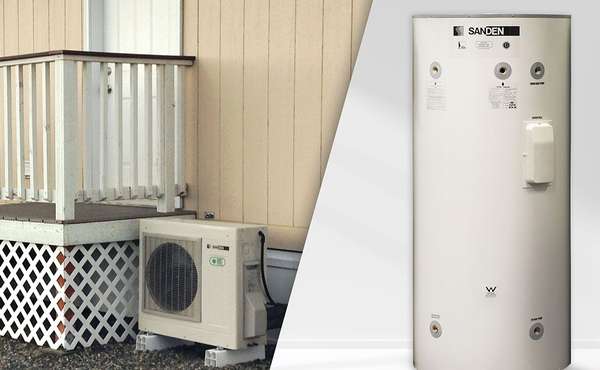
Note on UEF (Uniform Energy Factor): This rating measures the overall efficiency of a water heater. A UEF of 3.0 means the unit is 300% efficient—for every 1 unit of electricity it consumes, it produces 3 units of heat by moving it from the surrounding air.
The Winner for Vancouver Residents: Why HPWHs Excel
Based on the data, the Electric Heat Pump Water Heater (HPWH) is the clear winner for most Vancouver residents for several key reasons:
- Massive Efficiency Advantage: With efficiency ratings often exceeding 300%, HPWHs are dramatically more effective at turning energy into hot water than any other option. This is especially true in Vancouver's mild climate, where the ambient air temperature rarely drops low enough to significantly impact their performance.
- Lowest Long-Term Operating Costs: The outstanding efficiency directly translates into the lowest annual energy bills. While natural gas is currently cheaper than electricity per unit of energy, the HPWH's 3-to-1 efficiency advantage more than overcomes this difference, leading to significant savings year after year.
- Most Generous Rebates: The combination of provincial and utility rebates is most aggressive for HPWHs. The potential to stack up to $4,500 in grants can make the net installation cost competitive with, or even cheaper than, a new high-efficiency gas model.
- Future-Proof and Climate-Friendly: As both the city and the province move towards home electrification to meet climate targets, choosing an HPWH aligns your home with this transition. It also offers the greatest reduction in household greenhouse gas emissions.
While a high-efficiency gas water heater might have a slightly lower initial sticker price before rebates, its higher annual operating cost and less certain alignment with future building codes make it a less strategic long-term investment. Also, once you know about the potential health risks of having natural gas in your home, you might just want to change to all-electric.
Frequently Asked Questions (FAQ)
- Q: Do I have to replace my current water heater before 2027?
A: No. This rule does not force you to replace a functioning water heater. It only applies when your existing unit needs to be replaced. - Q: Is the City banning natural gas water heaters?
A: No, not entirely. The rules are focused on efficiency, not fuel type. While standard-efficiency gas tanks will be phased out for replacements, high-efficiency models like condensing or gas heat pump water heaters will still be permitted. - Q: What if I don't have the space or electrical capacity for a heat pump water heater?
A: The City has stated that there will be a "series of exceptions" to support households with legitimate space or electrical constraints. You will need to discuss your specific situation with your contractor.
What to Do Now
- Check Your Water Heater's Age: Look for the manufacturer's label on the side of your tank. If it's approaching or past 10 years old, it's wise to start planning for its replacement.
- Research Your Options: Look into the different types of high-efficiency water heaters and see which would be the best fit for your home and family's needs.
- Look for Rebates: Check programs like the CleanBC Better Homes program for available rebates on high-efficiency heat pump water heaters. These incentives can significantly lower the purchase price.
- Talk to a Professional: When the time comes, consult with a local qualified plumbing and heating contractor in Vancouver who is knowledgeable about these new technologies. They can advise you on the best solution for your home.
Conclusion: the new Vancouver rules for hot water heaters in 2027
Vancouver's new water heater regulations are a proactive step towards more energy-efficient and climate-friendly homes. For homeowners, this change represents a significant opportunity. By taking advantage of current rebates, you can upgrade to a superior technology that will lower your monthly energy bills and reduce your environmental impact. Even better, if your hot water tank is approaching 10 years old or over, then you really should change it, and for a limited period you can get a rebate that almost pays for it! In our experience these grants often run out quickly, so if your hot tank needs replacing anyway, and you can upgrade as well as get the Government to pay for it, then that sounds like a great plan to us.
Because of this if you're a Vancouver resident, for most homeowners in detached homes and duplexes, the Electric Heat Pump Water Heater (HPWH) stands out as the most logical and financially sound choice when replacing your hot tank in 2026, offering the best combination of performance, long-term savings, and alignment with future energy goals.
Now that you know more about Vancouver's new water heater regulations for 2027, find more info about high-performance building and sustainable home technologies in the Ecohome Green Building Guide and these pages below:
-
Heat Pump Water Heaters: Are they Worth It?
-
Heat Pump efficiency explained, SEER v HSPF v COP (& SCOP)
-
A Guide to Home Renovation Rebates in Canada & the USA
-
Tankless On-Demand Hot Water Heaters: Pros & Cons





Comments (0)
Sign Up to Comment