

Building Net Zero homes in Vancouver BC
As Vancouver pushes towards its ambitious climate targets, building a Net Zero home has become a practical and future-proof investment for homeowners in the region. The city's progressive building codes and strong local expertise have created a unique environment where high-performance, ultra-efficient homes to Net Zero standard are not just a concept, but an achievable reality.
For those considering a new build or a major renovation, understanding the specific requirements, challenges, and opportunities of building a Net Zero home in Vancouver is the first step towards creating a resilient, comfortable, sustainable and affordable living space - affordable to run that is!
This guide provides a definitive look at the key components, costs, what to look for in a Net Zero Qualified Builder in Vancouver or BC, and the lessons learned from successful Net Zero projects in BC and across Canada.
- What does "Net Zero Home" mean in Vancouver?
- Vancouver's Zero Emissions Building Plan
- Net Zero vs. Passive House in the Vancouver context
- Key components of a Vancouver Net Zero home
- Vancouver in focus: A Net Zero Ready home showcase
- Beyond new builds: BC's first certified Net Zero renovation
- Choosing a Net Zero home builder in Vancouver
- Net Zero prefab home manufacturers in Vancouver & BC
- Costs and incentives for BC Net Zero homes
- The essential takeaways: Vancouver Net Zero homes
What does 'Net Zero Home' mean in Vancouver?
In the context of Vancouver's housing market, a 'Net Zero' home is best defined as a home so energy efficient that it can produce as much clean energy as it consumes over the course of a year. This concept, which has its roots in programs like the Net Zero Energy pilot project from Natural Resources Canada, is now a mainstream goal.
The Canadian Home Builders' Association of BC (CHBA BC) provides a formal Net Zero qualification program, certifying homes that meet this high standard of performance. These homes are not just theoretical; you can see real-world examples in this Net Zero energy homes case study. At its core, a Net Zero home is built on the principle of reducing energy demand so drastically that a modest renewable energy system, typically rooftop solar, can meet all its power needs.

Vancouver's Zero Emissions Building Plan
To understand the future of construction in the city, one must look to Vancouver's Zero Emissions Building Plan, which sets a clear path towards carbon-neutral buildings. As of 2025, the City of Vancouver mandates that all new buildings must have zero operational greenhouse gas emissions.
This policy effectively eliminates the use of natural gas for space heating and hot water in new construction, making all-electric systems like heat pumps the standard. The mechanism for enforcing this is the provincial BC Energy Step Code, a performance-based standard where builders must demonstrate a home meets a specific level of energy efficiency.
Vancouver requires new homes to meet the highest levels of the Step Code, making them "Net Zero ready" by default. On November 26, 2024, Vancouver City Council approved new rules for energy and carbon performance. These rules require small residential buildings to meet the highest level of the BC Zero Carbon Step Code effective March 1, 2025.
Net Zero vs. Passive House in the Vancouver context
While often used interchangeably, it is important for homeowners to understand the difference between Net Zero and Passive House, as they are two distinct approaches to high-performance building. A Passive House is primarily focused on one thing: creating an exceptionally comfortable and stable indoor environment by radically minimizing heat loss through a 'fabric-first' approach.
This involves extreme levels of insulation, superior airtightness, and high-performance windows. A Net Zero home, on the other hand, is defined by its energy balance over a year. In the Vancouver context, the city's mandatory move to the highest levels of the BC Energy Step Code results in homes that are essentially built to Passive House levels of performance, making the addition of solar panels the final step to achieve 'true' Net Zero. You can explore a detailed head-to-head analysis of Net Zero vs. Passive House here.
Key components of a Vancouver Net Zero home
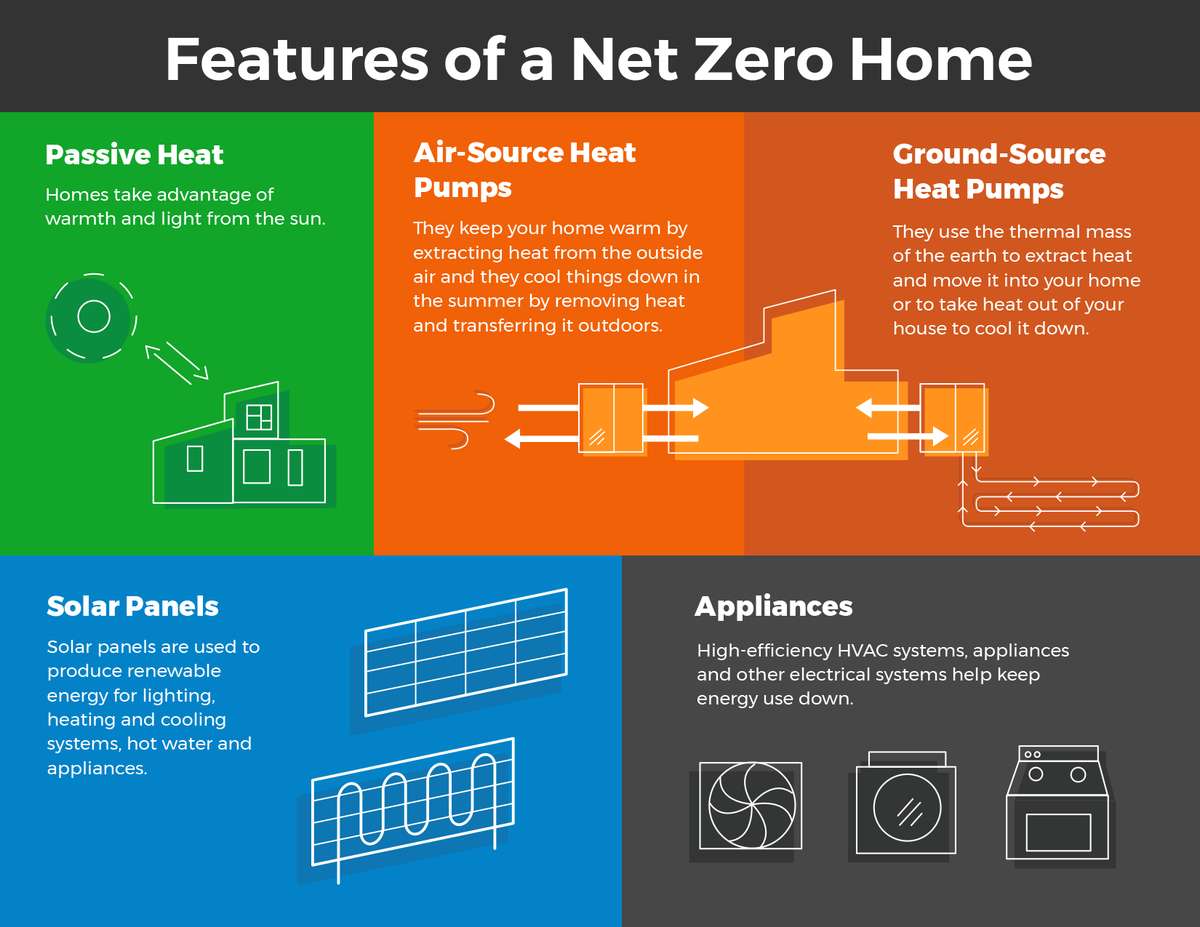
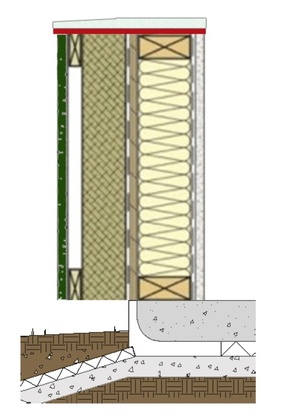
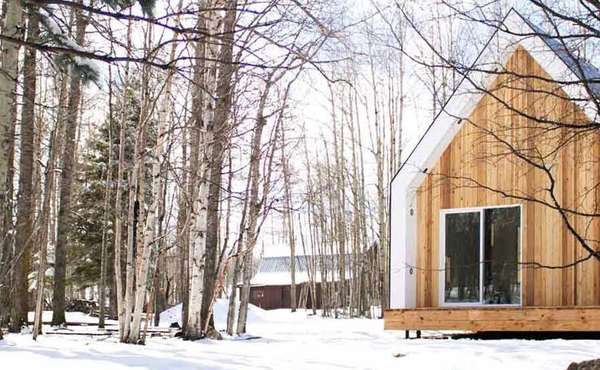
The key components of a Vancouver Net Zero home are a set of integrated systems designed to radically reduce energy consumption through a 'fabric-first' approach. This means prioritizing a highly insulated and airtight building envelope before considering mechanical systems. Lessons from projects across Canada, from the remote off-grid homes in Quebec to the award-winning designs in Edmonton, have proven the success of this model.
An Airtight, Super-Insulated Building Envelope
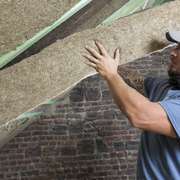
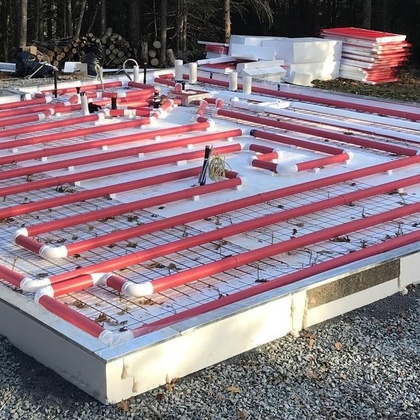
This is the most critical element. A Net Zero home features thick walls and roofs packed with high R-value insulation and meticulous air-sealing. The long-term success of this strategy can be seen in the 20-year performance of pioneering projects like this Toronto off-grid home, where the robust envelope has been key to its durability.
High-Performance Windows & All-Electric Systems
Triple-pane windows with thermally broken frames are standard. With natural gas no longer an option, high-efficiency electric systems are mandatory, including air source heat pumps and heat pump water heaters. Advanced and pioneering projects like the Kenogami House showcase cutting-edge energy systems that integrate these components seamlessly.
Heat Recovery Ventilation (HRV)
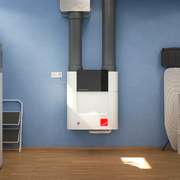
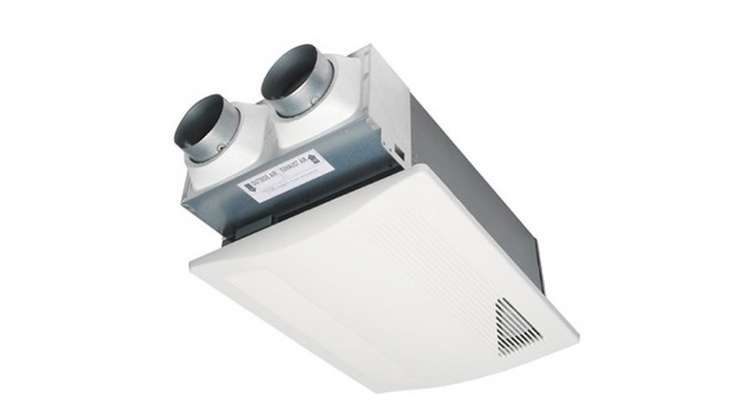
Because the home is so airtight, a constant supply of fresh, filtered air is provided by a Heat Recovery Ventilator (HRV) or Energy Recovery Ventilator (ERV). These devices expel stale indoor air while transferring its heat to the incoming fresh air, saving a significant amount of energy.
Vancouver in focus: A Net Zero Ready home showcase
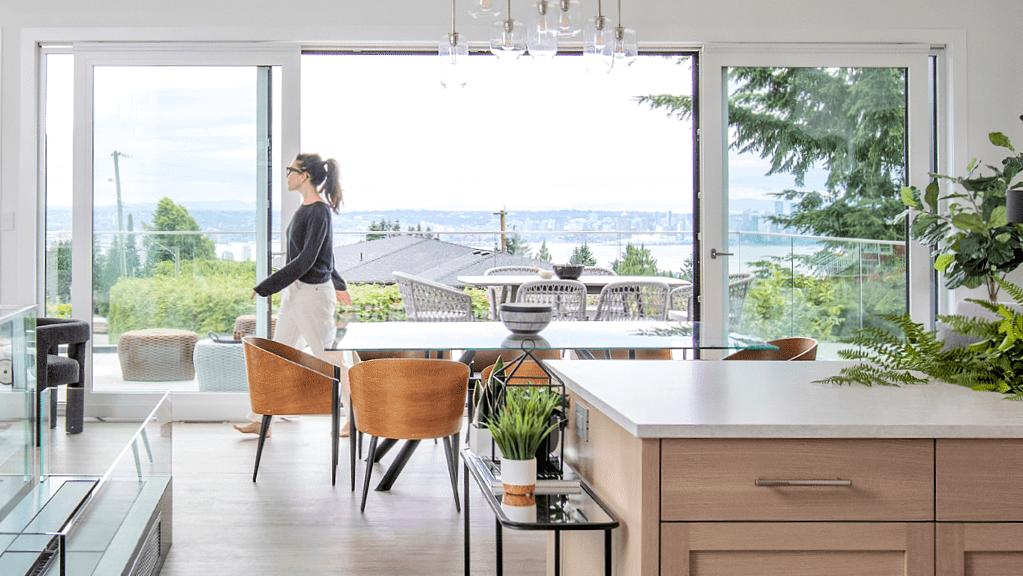
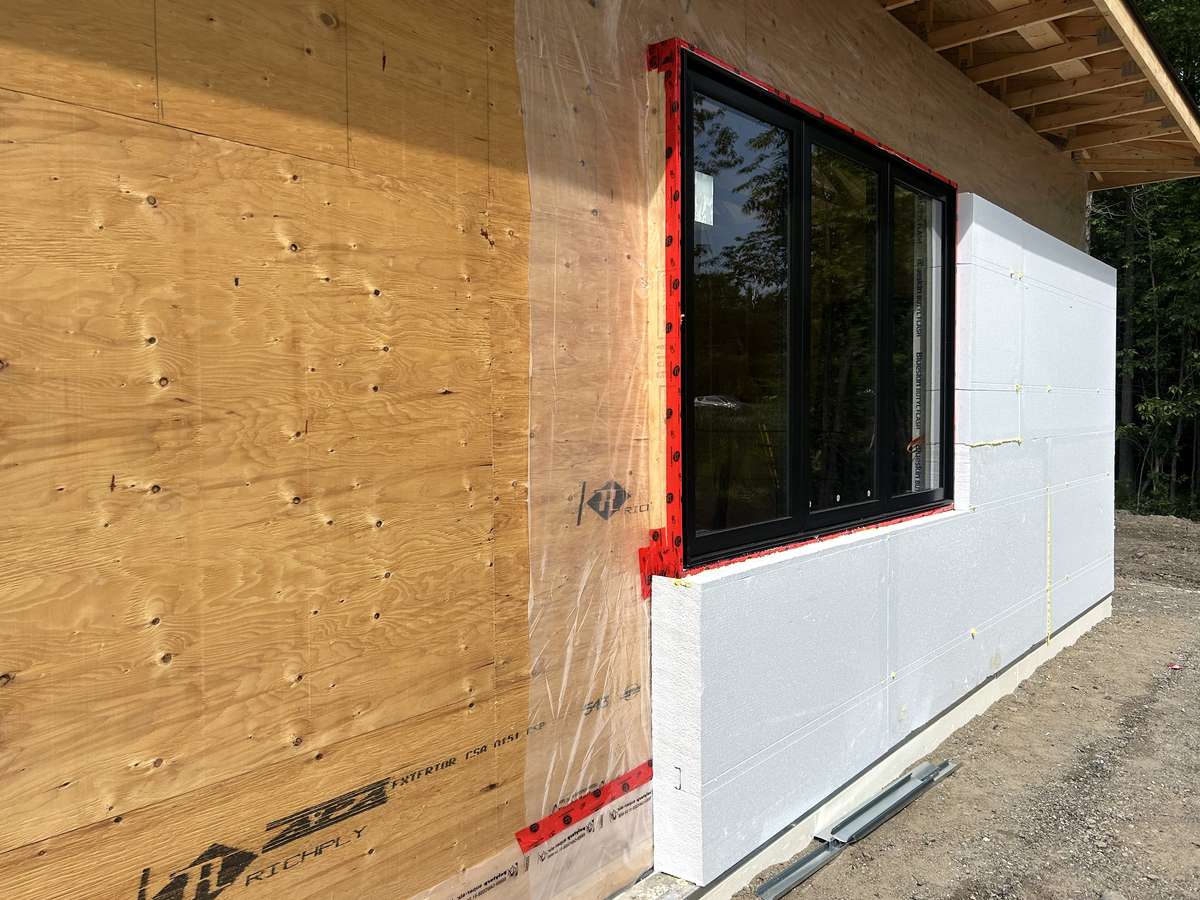
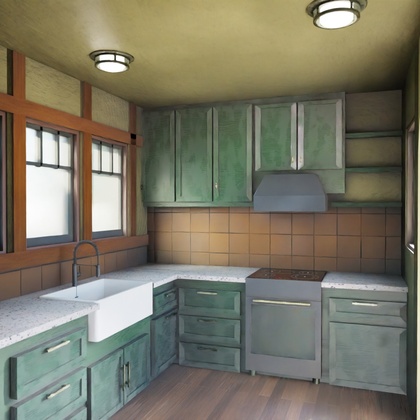
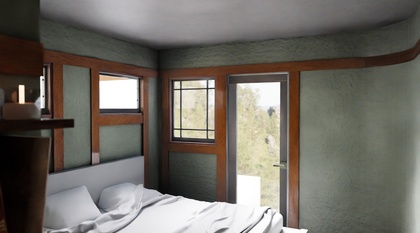
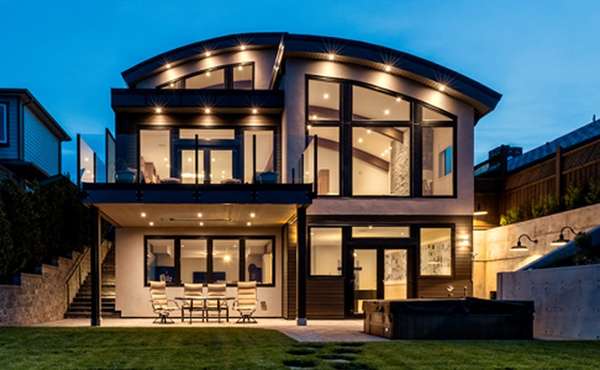
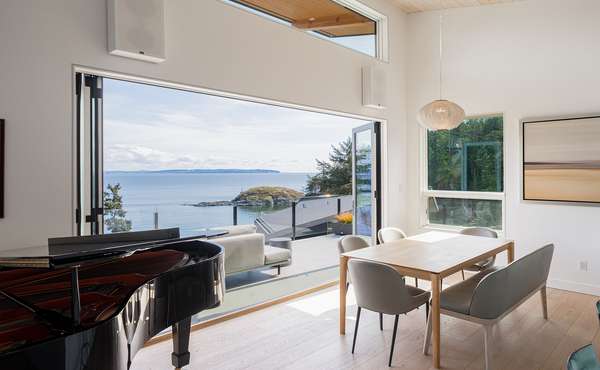
To see how these principles come together in the local new-build market, we can look to a showcase of a Vancouver Net Zero Ready home built by Insightful Healthy Homes Inc. This project achieved Step 5 of the BC Energy Step Code, making it a prime example of a 'Net Zero Ready' building.
It features a highly insulated envelope with R-32 walls and an R-50 roof, triple-glazed windows, and an impressively low airtightness score of 0.5 ACH. The home's entire energy need is met by an electric heat pump, an HRV for fresh air, and a heat pump water heater.
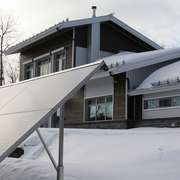
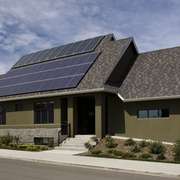
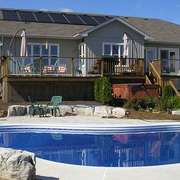
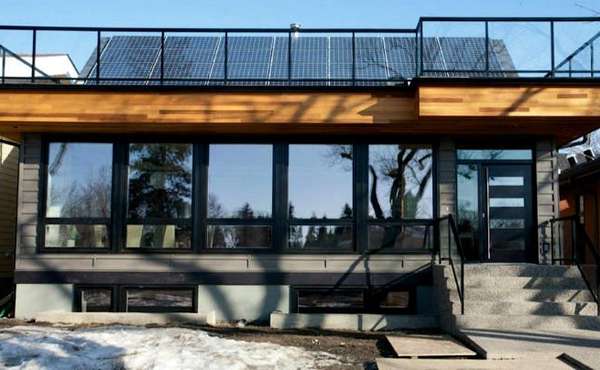
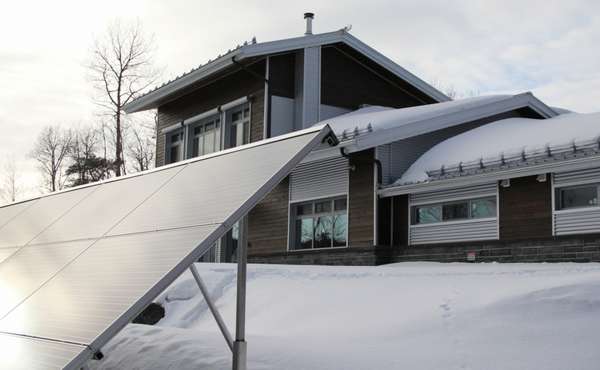
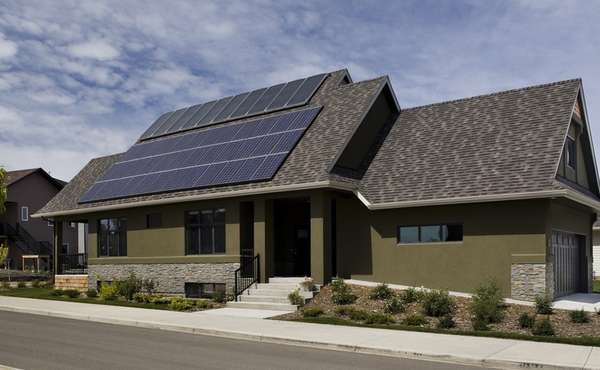
The final step to make this home 'true' Net Zero would be the addition of a solar panel array, like this one, the first home to be certified CHBA Net Zero in Canada, that happens to be in Saanich, BC . This approach is not limited to single homes; the same principles are being applied to entire communities, like this pioneering Net Zero energy community in Calgary.
Beyond new builds: BC's first certified Net Zero renovation
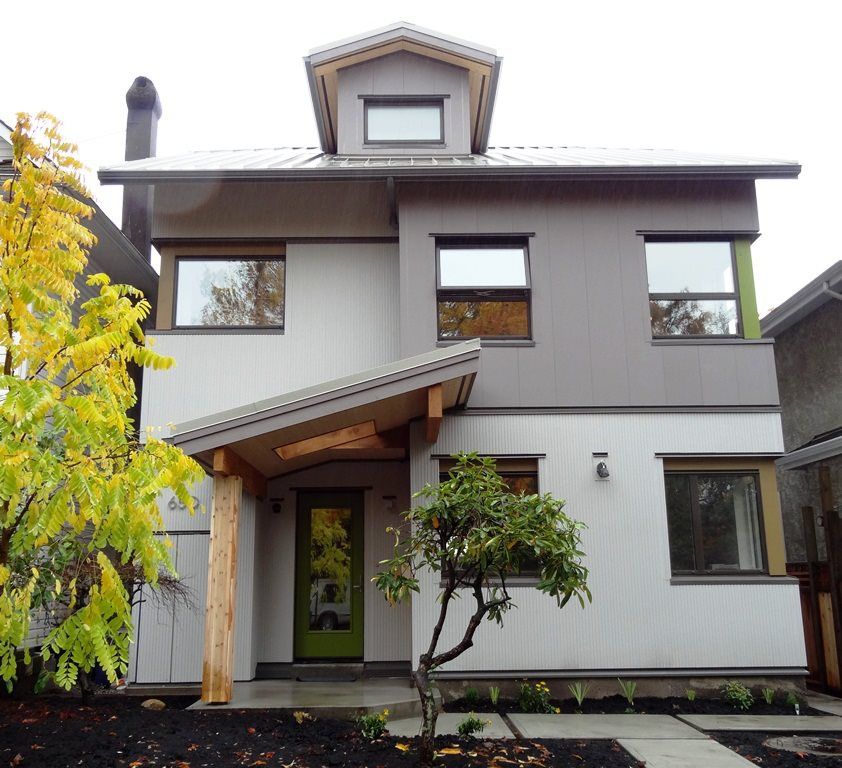
Proving that Net Zero performance is not limited to new construction, the first CHBA-certified Net Zero Renovation in British Columbia is a landmark project in Gates Lake. This groundbreaking renovation, undertaken by Gnar Inc. Sustainable Home Design Specialists, and with renovation contracted to RDC Fine Homes, a Net Zero Custom Home builder in their own right, transformed an existing home into a model of energy efficiency.
The project involved a deep energy retrofit, including dramatically increasing insulation levels, installing high-performance windows, meticulous air-sealing to reduce drafts, and upgrading to high-efficiency mechanical systems. This case study demonstrates that with careful planning and execution, even older homes in BC can be brought up to the highest standards of performance, achieving Net Zero status and offering a path forward for retrofitting the province's existing housing stock.
Choosing a Net Zero home builder in Vancouver
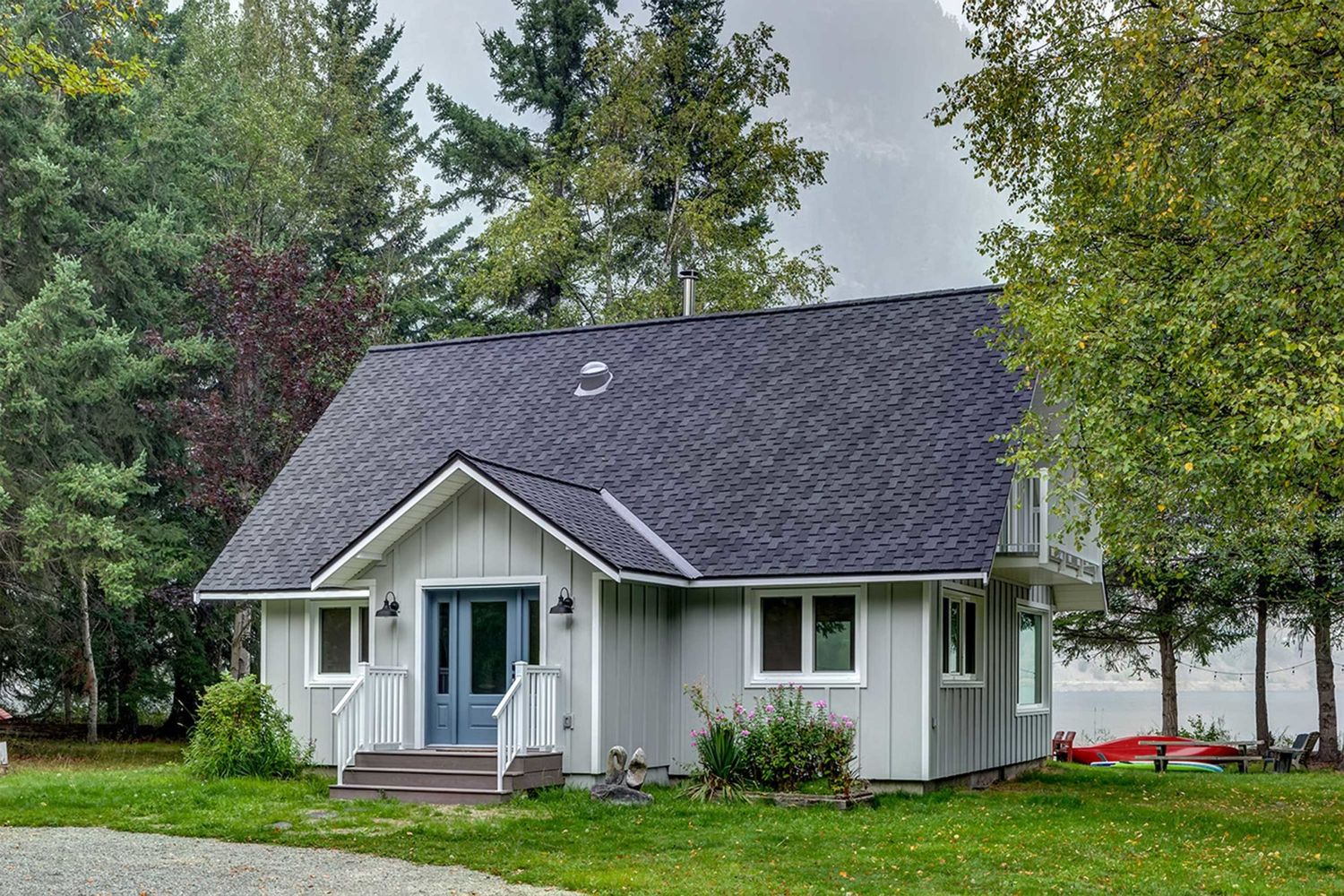
Choosing a Net Zero home builder in Vancouver requires finding a team with proven experience in high-performance construction and building science. Not every builder has the skills to achieve the airtightness and performance levels required by the Step Code for new builds or renovations. When interviewing potential builders, it's important to ask the right questions.
"The biggest challenge in Vancouver isn't the technology anymore; it's integrating high-performance design onto small, expensive lots while managing costs," says Robert J. Pierson at Ecohome. "A good builder plans for this from day one, ensuring the energy model and architectural design are perfectly aligned before breaking ground."
Look for builders who are CHBA Certified Net Zero builders in the Vancouver & BC area and ask to see their portfolio of homes built to the upper levels of the BC Energy Step Code. For more essential tips, see our guide on hiring a reputable general contractor. Also, find local energy advisors in Vancouver in the Ecohome directory.
"Ask a builder for the results of their recent airtightness tests," suggested a local energy advisor in Vancouver. "An experienced Net Zero builder will be proud to show you their impressive scores-typically below 1.0 Air Changes per Hour (ACH). That number tells you more about the quality control of their homes than almost anything else."
Net Zero prefab home manufacturers in Vancouver & BC
For homeowners in Vancouver and across British Columbia, exploring local Net Zero prefab home manufacturers offers a highly efficient path to building a high-performance home. The factory-controlled environment of prefabrication provides a significant advantage in achieving the rigorous standards of the BC Energy Step Code.
Building indoors allows for a level of precision and quality control that is difficult to replicate on an exposed construction site, especially when it comes to creating a super-insulated and meticulously air-sealed building envelope. Many forward-thinking prefab companies in BC now specialize in high-performance homes, designing their modules to meet Step Code 4 or 5 and be 'Net Zero Ready' upon delivery.
When researching manufacturers, be sure to ask about their specific airtightness targets (ACH), the R-values of their standard wall and roof assemblies, and whether they offer prefabricated homes that are CHBA Certified Net Zero ready for the Vancouver BC area. This ensures you are partnering with a company that has a proven track record in delivering the quality required for a true Net Zero home.
Costs and incentives for BC Net Zero homes
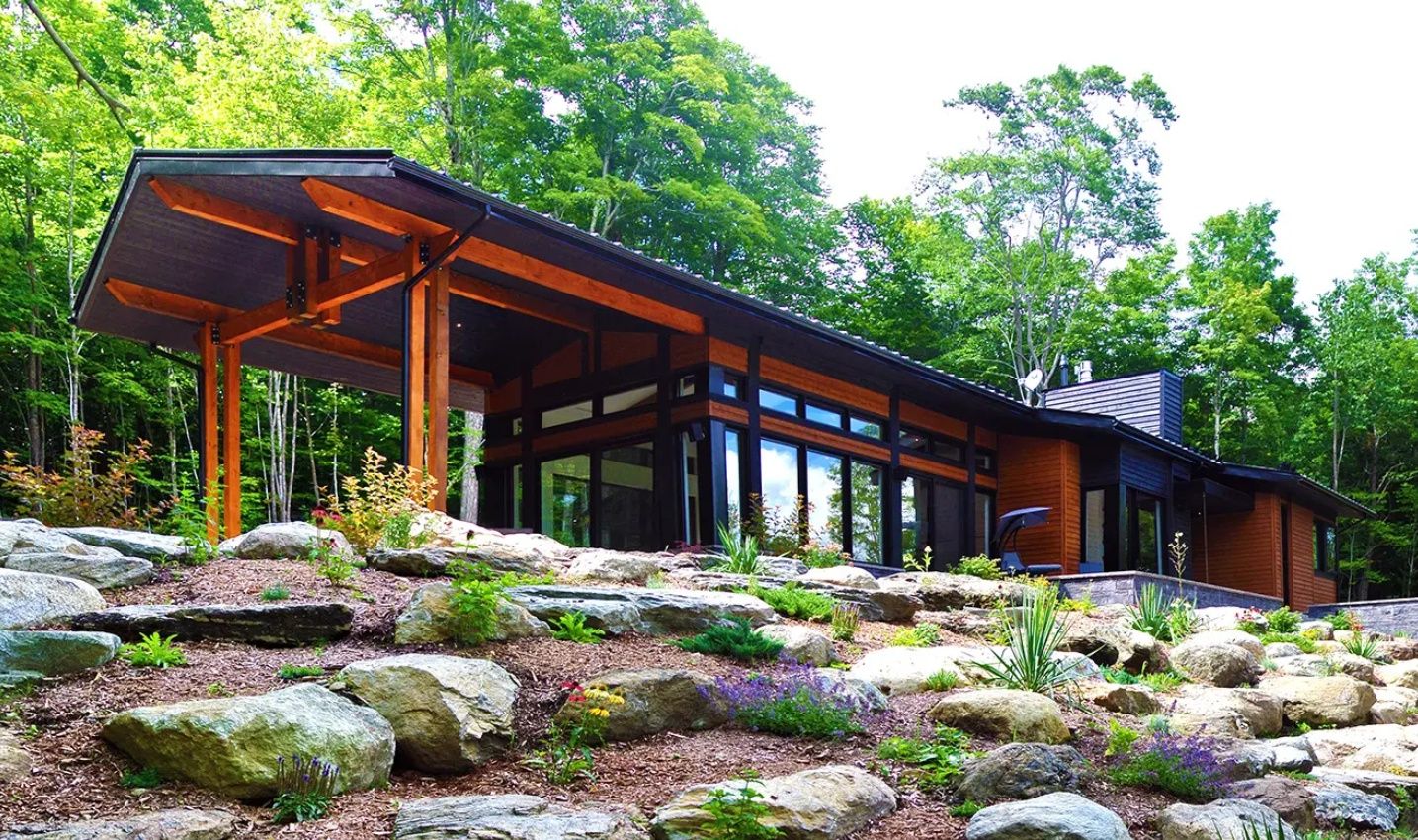
While building a Net Zero home does involve a cost premium, a combination of smart design and available incentives can make it highly competitive with standard construction. The upfront investment is typically 5-10% higher, mostly due to the thicker insulation, high-performance windows, and advanced mechanical systems. However, this premium is offset over time by the complete elimination of heating bills and significantly lower overall energy costs.
Homeowners in BC can also take advantage of various programs to reduce the cost. You can search for all currently available financial aid in our list of grants and incentives, which includes rebates from BC Hydro and CleanBC for installing high-efficiency heat pumps and other upgrades.
The essential takeaways: Vancouver Net Zero homes
The essential takeaways for building a Net Zero home in Vancouver are that it is a technically achievable and increasingly mainstream goal, driven by progressive city policies for both new builds and renovations. Success hinges on a 'fabric-first' approach that prioritizes an airtight, super-insulated envelope, complemented by all-electric systems like heat pumps.
The BC Energy Step Code provides the performance-based pathway, while programs from the CHBA BC offer certification for both new homes and, crucially, retrofits. Choosing the right builder is paramount; look for a certified professional with a proven track record. While there is an upfront cost premium, the long-term rewards of a Net Zero home-resilience, superior comfort, and zero energy bills-make it a wise investment in Vancouver's green future.
For buyers prioritizing climate resilience, this Net Zero energy home for sale in BC offers total independence through its 24 kW solar array.
Now that you know more about Vancouver Net Zero, find more info about high-performance homes & green building techniques in the Ecohome Green Building Guide and these pages below:
-
The BC Energy Step Code explained
-
The definitive guide to solar panels
-
How heat pumps work
-
How to build a Net Zero home off-grid










Comments (0)
Sign Up to Comment