








Do saltwater home batteries really work for energy storage?
Yes, they absolutely do, and they represent a compelling future for home energy storage. While lithium-ion batteries currently dominate the market, we're closely watching the development of safer, more sustainable alternatives. Saltwater batteries, a type of sodium-ion battery, are one of the best upcoming options for homeowners seeking energy independence.
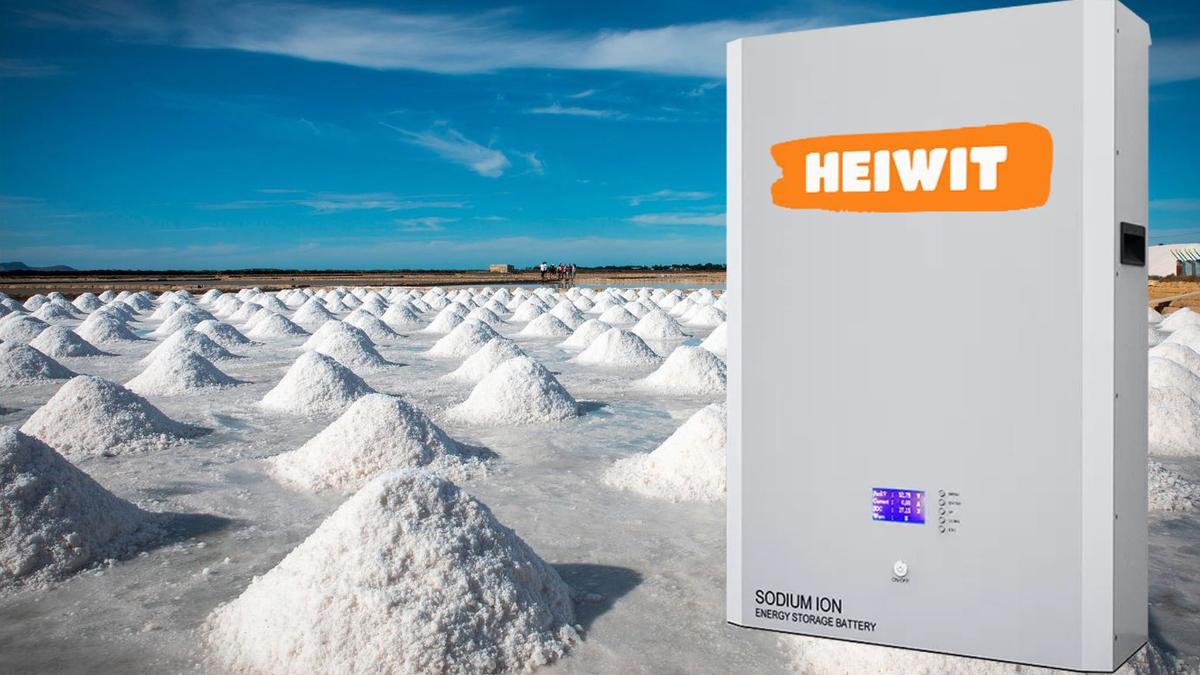
A few years ago, the sodium-ion home battery from Aquion made a splash, but after some corporate restructuring, its market presence faded. That’s why we’re excited to see a new generation of saltwater home battery options, like this one from Heiwit, entering the residential energy storage scene.
Heiwit's sodium-ion battery: a new choice for home backup power
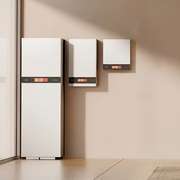
An Italian energy-tech company, Heiwit, has launched a powerful and eco-friendly sodium-ion battery system designed specifically for residential energy storage and solar panel integration. Offering a robust 10 kWh capacity, remote monitoring, and seamless smart grid integration, this next-generation solar battery is poised to be a game-changer in how we manage home energy, especially for those looking for a reliable alternative to lithium-ion.
What size home battery do I need for backup power?
Sizing a home battery for solar storage or emergency backup is more of an art than a science; it depends entirely on your goals. A 10 kWh battery, like this one from Heiwit, could power an average North American or European home for about half a day of normal use. However, its true value shines during a power outage or for optimizing solar panel energy.
If your goal is to achieve grid resilience and keep essentials running during an outage, you would naturally reduce your power consumption. By focusing on critical loads (like your refrigerator, freezer, lights, internet router, and maybe a well pump) you could easily stretch that 10 kWh to last 24 hours or more. It all depends on how much you're willing to adapt.
Personally, my priority in a blackout is preventing food spoilage and maintaining basic communication and safety. I'd rather use candles and headlamps and avoid energy-hungry appliances. This strategy ensures the battery’s charge is dedicated to what truly matters, keeping my home functional and secure for longer.
Storing solar energy and saving money with time-of-use rates
Beyond providing critical backup power during an outage, a home battery storage system offers significant financial benefits. Many regions have variable 'time-of-use' or 'peak demand' electricity rates. A smart battery allows you to charge up overnight or from your solar panels during the day when energy is cheap and abundant.
You can then use that stored energy during peak evening hours when grid electricity is most expensive, a practice known as 'peak shaving'. This can lead to substantial savings on your monthly energy bills.
Sodium-ion vs. lithium-ion: a safer, more sustainable home energy future
A sodium-ion home battery stands out from its lithium-ion counterparts in several critical ways. While the technology is newer to the residential market, the advantages are clear: manufacturers project a longer service life, superior safety standards due to lower fire risk, and a minimal environmental impact, all while remaining cost-competitive.
Developed to meet the growing global demand for clean and reliable home energy storage, the 10 kWh sodium-ion battery from Heiwit gives homeowners a highly efficient and inherently safer alternative to traditional lithium-based systems. This is especially important for those integrating a battery with a rooftop solar installation.
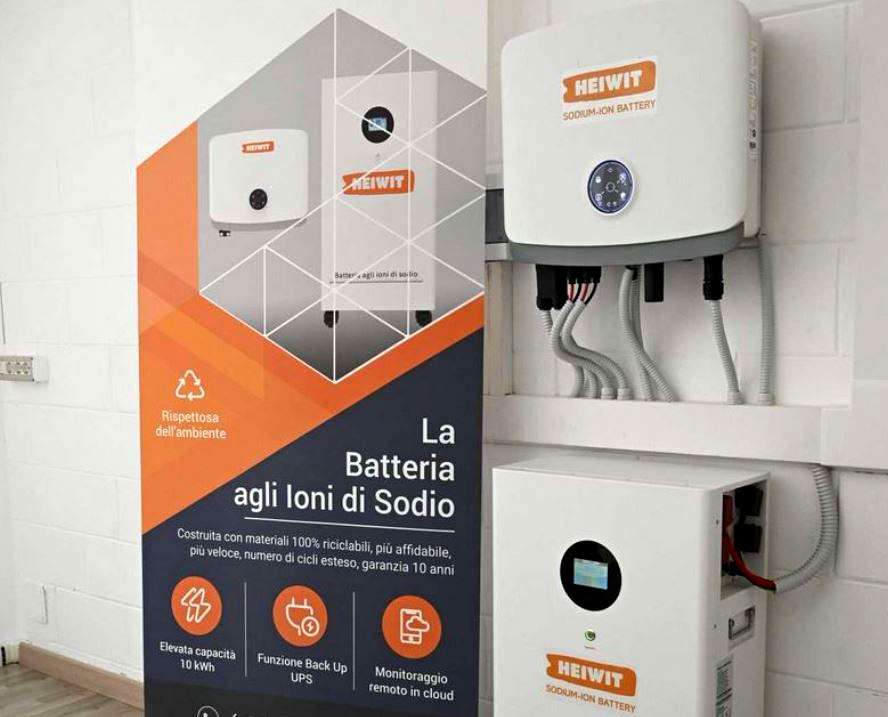
Heiwit home battery technical specifications
- Battery chemistry: Sodium-Ion (Saltwater-based Electrolyte)
- Energy capacity: 10 kWh per module (scalable)
- Max power (Charge/Discharge): 4.8 kW / 7.2 kW
- Operating temperature: –20 °C to +55 °C (–4 °F to +131 °F)
- Scalability: Connect up to 15 units in parallel for 150 kWh capacity
- Protection rating: IP66 (suitable for indoor or outdoor installation)
- Hybrid inverter system: Fully supports solar panel integration for optimized self-consumption and off-grid functionality.
- UPS function: Provides uninterruptible power supply with a seamless 10ms switch-over time during a grid failure.
- Smart control: Six operating modes and remote management via a mobile app (WiFi, GPRS, Bluetooth) to maximize energy savings and grid interaction.
Why sodium-ion is the future of residential energy storage
Sodium-ion technology is emerging as a superior alternative to lithium for several key reasons that align with a sustainable future:
- Material abundance: Sodium is one of the most abundant elements on Earth, making it significantly cheaper and more ethically sourced than lithium or cobalt.
- Inherent safety: The saltwater-based chemistry is not prone to thermal runaway, dramatically reducing the fire risk associated with some lithium-ion batteries. It also performs exceptionally well in extreme temperatures.
- Environmental responsibility: Built with non-toxic, easily recyclable materials, these batteries have a much smaller environmental footprint from production to disposal.
- Longer cycle life: Projections show a longer operational lifespan, meaning fewer replacements and less waste over the long term, improving the return on investment.
More options for home backup power: V2H and electric vehicles
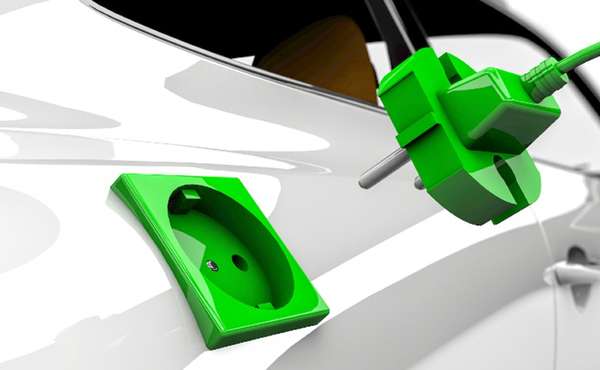
While a dedicated home battery is a fantastic single-purpose solution, another powerful technology is emerging for homeowners with an electric vehicle: Vehicle-to-Home (V2H) bidirectional charging. Think of it as a mobile power plant parked in your garage.
This groundbreaking yet simple technology allows your EV (which has a much larger battery than most home storage systems) to power your house during an emergency. If you're considering a comprehensive energy resilience strategy, combining solar panels, a stationary battery, and a V2H-capable EV creates the ultimate power security. Read more here about using EVs with bidirectional charging to power your home during an outage.
Now you know more about comparing saltwater (Sodium Ion) home batteries to Lithuim Ion. Find more pages about home power security and other resilient design features fo green homes in the pages below and the Ecohome Green Building Guide pages.
-
All you need to know about Lithium Ion home solar batteries
-
Home emergency preparedness guide - preparing for service interuptions
-
Learn basic resilient design features for homes - Ecohome webinar
-
The top ten questions to ask a solar panel installer before signing a contract
-
Learn all about passive solar heating and cooling for homes





Comments (0)
Sign Up to Comment