













Lithium-ion home battery safety:
Lithium-ion batteries have revolutionized how we power our lives, from smartphones and laptops to electric vehicles (EVs) and home energy storage systems. While they are remarkably efficient, recent media reports on battery fires and thermal runaway have raised valid concerns about their safety in residential settings.
How real a threat is this anyway? With social media influencers battling for your attention, dramatic topics and visuals - like a personal-use lithium-ion battery catching fire - make great clickbait. But is this a real problem or just a trending new topic ripe for generating fear-based traffic?
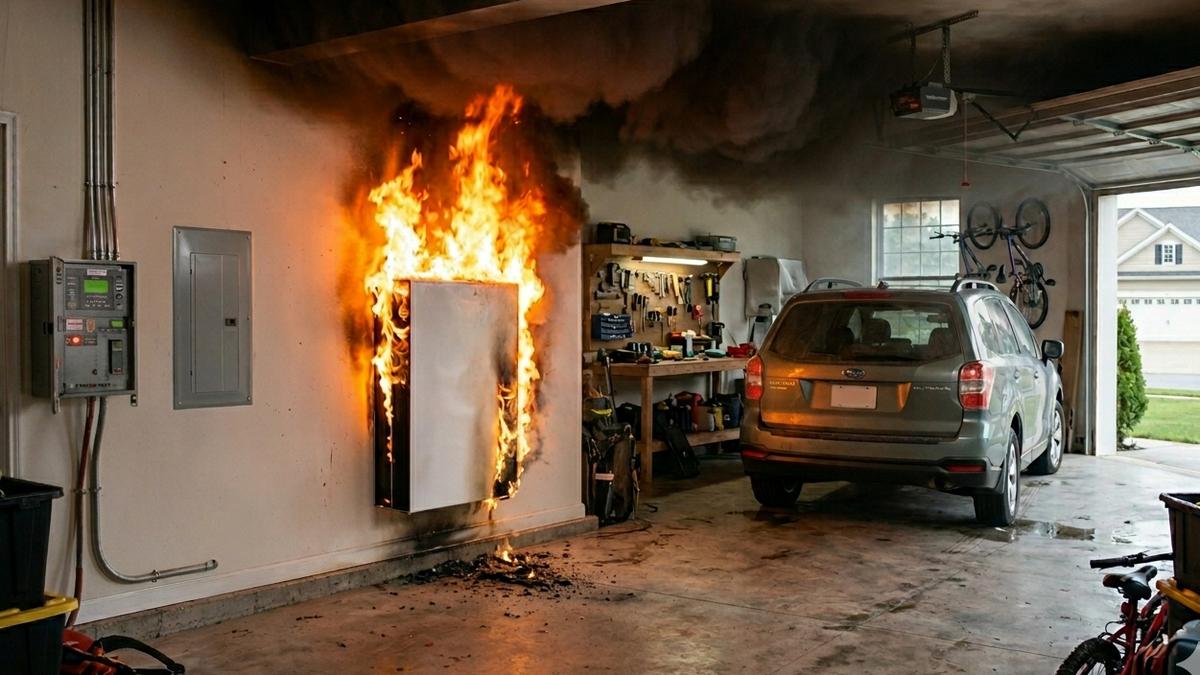
We do not want to unnecessarily stoke the fire (yeah, I said it) nor douse your concerns (yeah, I said that too). Instead, let's take a realistic look at how concerned you really need to be. So says the guy who put an image of a burning home battery smack on the top of this article...oh, the irony...
This guide provides a comprehensive look at the key aspects of this topic. Below is an overview of the sections we will cover, allowing you to jump directly to the information you need.
- Is the media alarm about battery fires warranted?
- Is it safe to keep lithium batteries in the house?
- Can a lithium battery catch fire when not in use?
- Are lithium batteries only dangerous while charging?
- How many fires a year are caused by lithium batteries?
- What safety features are there to avoid fires?
- In brief
Is the media alarm about battery fires warranted?
The increase in media attention is a complex mix of legitimate emerging risks and statistical inevitability. There is a certain irony in the fact that almost everyone reading this has a lithium ion battery right in front of them or in their hand. We are now surrounded by EVs, e-bikes, scooters, home batteries, and phones.
So naturally, as the total number of batteries in circulation grows, the absolute number of fires will also rise. However, for the average homeowner using certified equipment, the actual odds of an incident remain remarkably low.
Understanding the odds
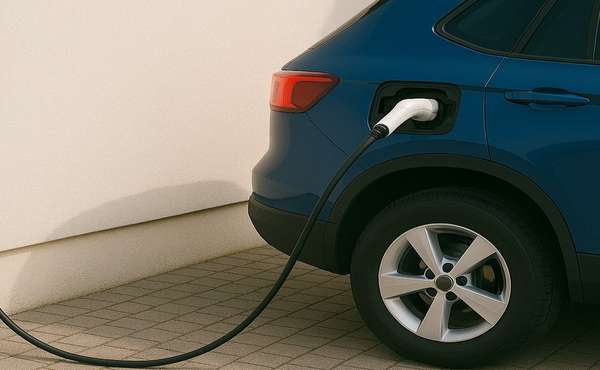
Data from 2024-2025 indicates that battery electric vehicles (BEVs) experience roughly 25 fires per 100,000 vehicles sold-a rate of approximately 0.025%. In contrast, internal combustion engine (ICE) vehicles sit near 1,530 fires per 100,000, meaning traditional gas cars are statistically over 60 times more likely to catch fire.
The media often highlights battery fires because they are novel and harder to extinguish, not because they happen more frequently than traditional fires. The risk is real, but it is largely concentrated in unregulated aftermarket products rather than mainstream, certified technology.
Is it safe to keep lithium batteries in the house?
Yes, it is generally safe to keep lithium-ion batteries in your home, provided they are UL-certified and handled according to manufacturer specifications. Most household electronics use small, stable cells that pose a negligible risk under normal conditions. However, the risk profile changes with larger devices like e-bikes, e-scooters, and power tools.
Safe storage practices
Professionals recommend storing larger lithium-ion batteries in a cool, dry location, ideally between 40°F (4°C) and 80°F (27°C). Avoid keeping them in areas prone to extreme temperature fluctuations, such as uninsulated garages in the summer or direct sunlight.
Can a lithium battery catch fire when not in use?
While rare, it is possible for a lithium battery to ignite even when it is not being charged or actively powering a device. This typically occurs due to internal short circuits caused by previous physical damage, manufacturing defects, or dendrite growth (tiny metallic structures that form inside the battery over many cycles).
The threat of thermal runaway
If the internal separator of a cell is compromised - perhaps from a heavy drop or a puncture - the stored energy can release as heat. This can trigger a chain reaction known as thermal runaway, where one failing cell heats up its neighbors, leading to a self-sustaining fire.
The Chemistry matters: Not all lithium is created equal. Most incidents involve older Lithium Cobalt (NMC) chemistries. However, we are currently seeing a massive shift toward Lithium Iron Phosphate (LiFePO₄). Between 2020 and 2025, LiFePO₄ staged a global takeover, jumping from just 10% to over 50% of the EV market. And for homes, LFP now power over 90% of modern home battery backup systems.
This chemistry is far more stable; it doesn't even begin to struggle until it hits 270°C (518°F) and is essentially incombustible, even if punctured. While it is slightly heavier than the batteries in your phone, for home or marine use, the trade-off for absolute safety is a no-brainer. Read here about the safety difference between Lithium Iron Phosphate (LFP) and lithium-ion home batteries
Warning signs: Regardless of chemistry, if you notice a battery swelling, hissing, or emitting a sweet, metallic odor, Call the fire department immediately. And if it's safe to do so and portable (such as a phone, a scooter or Ebike), the battery should be moved outdoors to a safe distance from structures.
Are lithium batteries only dangerous while charging?
Charging is the most high-risk period, but it is not the only time danger exists. Statistics show that a significant portion of battery incidents occur during the charging phase, often due to mismatched chargers or overcharging. However, safety risks also exist during discharge (high-load use) and idle storage if the battery has been previously stressed.
Charging safety for pros and homeowners
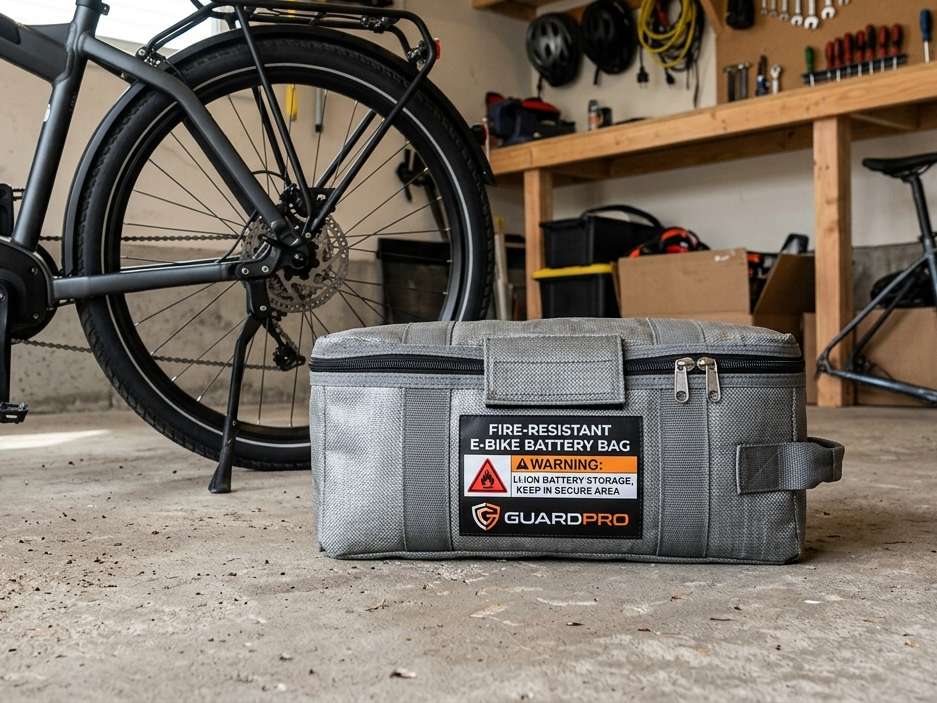
Never charge an e-bike or power tool battery overnight or while sleeping. Always use the original equipment manufacturer (OEM) charger. Aftermarket chargers may lack the precise voltage regulation required, which can force too much current into the cells, leading to overheating. For professionals on-site, avoid charging batteries on combustible surfaces like wooden workbenches or carpets; use concrete floors or metal shelving instead.

How many fires a year are caused by lithium batteries?
The frequency of incidents is rising as the density of these batteries in our homes increases. In major metropolitan areas, lithium-ion batteries have become a leading cause of accidental fire deaths. For example, fire departments in cities like New York and London now report hundreds of battery-related fires annually, with a sharp increase in incidents involving unregulated e-mobility devices.
Global trends and reporting
In the UK, it is estimated that nearly 200 fires per year are caused by batteries improperly discarded in household waste. In North America, while total national statistics are still being aggregated, regional data suggests that micro-mobility fires (e-bikes and scooters) have doubled or tripled in some jurisdictions over the last 2 years. This highlights the need for verified hardware and proper recycling at end-of-life.
What safety features are there to avoid fires?
Modern lithium-ion systems are equipped with multiple layers of protection designed to prevent failure before it starts. The most critical component is the Battery Management System (BMS), which acts as the "brain" of the battery pack.
The role of the battery management system
A high-quality BMS constantly monitors the voltage, current, and temperature of each individual cell. If it detects a cell getting too hot or a voltage spike, it will automatically disconnect the circuit to prevent damage. Additionally, many professional-grade batteries include physical separators made of flame-retardant materials and venting ports designed to release pressure safely if a cell does fail, preventing a violent explosion.
In brief
- Use only certified products with a UL or ETL seal; avoid "Frankenstein batteries" from discount sites.
- Charge during the day and in a location where you can monitor the device, never while sleeping.
- Avoid extreme temperatures and never charge a battery that feels hot to the touch or looks swollen.
- Inspect for damage regularly, especially after drops or impacts which can cause internal shorts.
- Recycle properly by taking old batteries to a designated drop-off point; never put them in the trash.
Now that you know more about lithium-ion battery safety, find more info about home electrical systems & green building techniques in the Ecohome Green Building Guide and these pages below:
-
Power your home with your EV during power outages with V2H charging.
-
Lithium Iron Phospate (LFP) vs Lithium-Ion batteries: the latest advance in home batteries for power storage
-
Home fire safety : prevention, design features and escape plans
-
How to integrate solar, home batteries and heat pumps to get net metering working for you







Comments (0)
Sign Up to Comment