









Sodium-Ion vs. LFP: Which Home Battery is Best in 2026?
The global shift toward home energy storage has been dominated by Lithium Ion and Lithium Iron Phosphate (LFP), but a new challenger is emerging to disrupt the market. For homeowners and contractors looking for a cost-effective and resilient alternative, sodium-ion batteries-often called 'salt batteries'-are now a viable reality.
While LFP remains the benchmark for daily solar cycling, sodium-ion technology is carving out a niche in extreme cold climates and budget-conscious applications where safety and sustainability are non-negotiable.
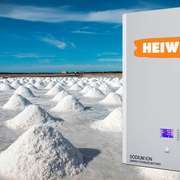
A few years ago, many in the green building community were excited about a company called Aquion Energy and their innovative saltwater battery. We still get many questions about their technology, but unfortunately, that company is no longer in business.
However, the concept of using salt as a safe, non-toxic energy medium has evolved into a new generation of sodium-ion technology. Unlike those early attempts, these new batteries are being produced at a massive scale by the world’s largest manufacturers, ensuring they are a permanent fixture on the market.
- The basics: what is a sodium-ion battery?
- LFP vs. sodium-ion: a technical head-to-head
- Currently available sodium-ion home batteries
- When are sodium-ion batteries the better choice?
- The cold-weather champion: why temperature matters
- Safety and stability: why sodium stands out
- In brief
The basics: what is a sodium-ion battery?
Sodium-ion batteries work on the same fundamental principles as lithium batteries but replace lithium with sodium (salt) as the primary charge carrier. Because sodium is abundant and inexpensive to extract, these batteries offer a lower 'price floor' compared to lithium-based chemistries.
Unlike the early 'saltwater' batteries that failed a decade ago, modern sodium-ion units use solid-state or specialized electrolyte architectures similar to the high-performance batteries found in modern electric vehicles.
LFP vs. sodium-ion: a technical head-to-head
For most residential applications, Lithium Iron Phosphate (LFP) is the current market leader because it offers incredible longevity and high energy density. However, for a sustainable and budget-friendly build, sodium-ion is catching up. To understand how LFP became the standard, see our guide on LFP vs. lithium-ion batteries.
Energy density and cycle life
LFP batteries typically pack 160-200 Wh/kg and can last for 6,000 to 10,000 cycles. Sodium-ion is slightly bulkier, offering 110-160 Wh/kg with a current lifespan of roughly 3,000 to 5,000 cycles. While this means a sodium battery will be physically larger for the same amount of storage, the cost per kWh is significantly lower, making it an attractive option when space is not a constraint.
Currently available sodium-ion home batteries
The market has moved beyond the conceptual stage, with several major manufacturers now offering sodium-ion products for residential and light-commercial use. These brands differ in their focus, ranging from portable power stations to integrated whole-home storage systems.
Bluetti: the Pioneer Na series
Bluetti is a frontrunner in the consumer market with its Pioneer Na portable power station. This unit is designed to provide 900Wh of capacity and is specifically marketed for its ability to operate in extreme sub-zero environments. It is a 'plug-and-play' solution that is ideal for small cabins or as a backup for critical appliances in homes located in cold climates.
CATL: the Naxtra series
As the world’s largest battery maker, CATL’s Naxtra series represents the first major push into large-scale residential and commercial storage. These batteries are designed to be compatible with existing storage enclosures and manufacturing lines, which helps keep costs low. The Naxtra cells target a higher energy density than most competitors, making them a strong rival to mid-range LFP systems.
Natron energy: the safety specialist
Natron Energy uses a unique 'Prussian Blue' chemistry that allows for extremely high cycle life and rapid charging. While they have historically focused on data centers, their 48V rack-mount systems are becoming popular for residential microgrids where longevity and fire safety are the top priorities. Their batteries are essentially immune to the thermal runaway risks seen in some older lithium chemistries.
Accupower:
The Natec Home system Austria-based Accupower has entered the residential market with its Natec Home storage system. This unit provides a 7.68kWh capacity and is designed to integrate directly with home solar arrays and backup circuits. A standout feature of this system is its extreme temperature tolerance, operating effectively between -30°C (-22°F) and 50°C (122°F), which allows for outdoor installation in harsh climates without the need for specialized heating or cooling equipment.
HiNa Battery:
The Haixing series HiNa Battery is a key player in the commercialization of sodium-ion cells, and its Haixing series is now being deployed in stationary storage and small vehicle applications. These batteries are built for durability and fast-charging, capable of reaching high capacity in under 15 minutes. With a discharge retention of over 90% at -20°C (-4°F), they offer a reliable alternative for homeowners in regions where traditional lithium batteries often struggle with winter performance drops.
Faradion:
The drop-in alternative Faradion focuses on high-energy-density sodium-ion technology that serves as a safer, more sustainable alternative to lead-acid and lithium systems. Their stationary storage solutions are marketed for residential and remote microgrids due to their unique safety profile; unlike lithium-ion, Faradion’s cells can be fully discharged to zero volts for safe transport and storage. This makes them an excellent choice for off-grid properties and locations with strict fire safety regulations.
When are sodium-ion batteries the better choice?
Sodium-ion is not intended to replace LFP in every scenario. Instead, it is a specialist tool for specific building challenges. For homeowners and pros, the decision often comes down to the installation environment and the available budget.
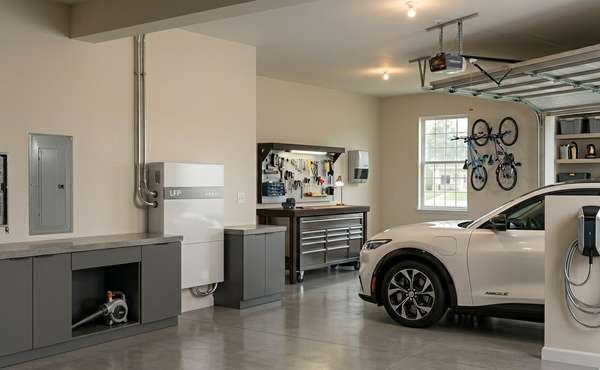
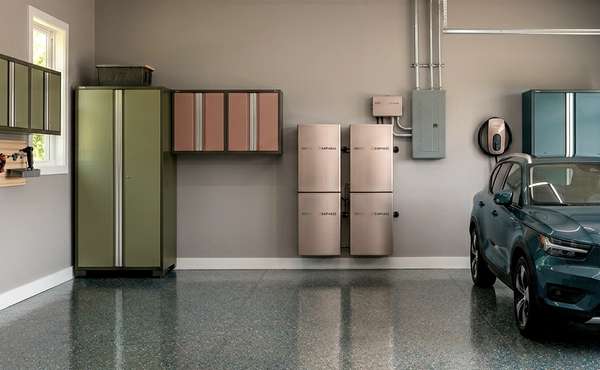
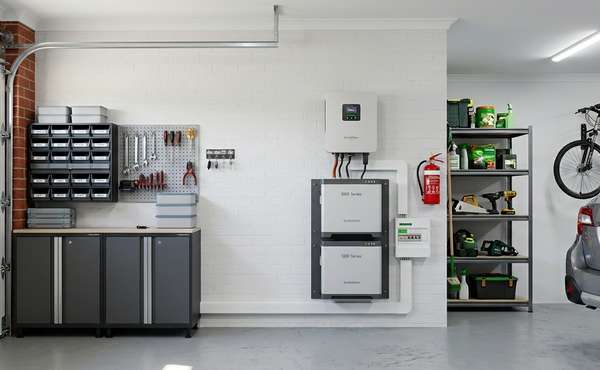
- Unconditioned garages: Perfect for homes where there is no room inside the thermal envelope for a battery bank.
- Off-grid cabins: The ideal choice for properties that remain unheated for months at a time during the winter.
- Budget-conscious builds: When the goal is to get the most kilowatt-hours for the lowest price, sodium-ion's lower material costs win out.
For a deeper dive into sizing a system for off-grid living, read our definitive guide to home solar panels.
The cold-weather champion: why temperature matters
One of the biggest weaknesses of LFP batteries is their sensitivity to freezing temperatures. Most LFP units require internal heaters to charge when it is below 0 degrees Celsius (32 degrees Fahrenheit). Sodium-ion batteries, however, are environmental workhorses that can maintain up to 90% of their discharge capacity at -20 degrees Celsius (-4 degrees Fahrenheit).

For homeowners in Canada or the northern US, this makes sodium-ion the ideal choice for unconditioned spaces. If your energy storage needs to live in a garage or an unheated utility shed, sodium-ion eliminates the need for expensive, energy-draining heating elements.
Safety and stability: why sodium stands out
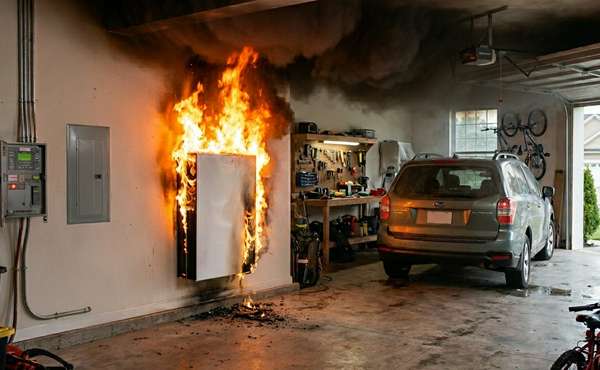
While LFP is already very safe compared to traditional lithium-ion (NMC), sodium-ion offers an even higher level of stability. These batteries have a higher 'thermal runaway' threshold and produce less heat when under electrical stress. This is a critical factor for pros and installers who need to meet strict local fire codes.
A unique logistics advantage of sodium-ion is that it can be fully discharged to 0V for shipping. Lithium batteries must be transported with a partial charge to prevent permanent cell damage, which technically carries a small fire risk during transit. Sodium's ability to be 'dead flat' makes it the safest battery technology for remote delivery and long-term storage.
In brief
Sodium-ion batteries are a safe, sustainable, and cold-resilient alternative to the lithium-heavy market. While LFP remains the best choice for high-cycle daily use in conditioned spaces, sodium-ion is the new champion for budget-conscious builds and extreme environments. For pros, it offers a way to specify storage in garages and cabins without the complexity of thermal management. For homeowners, it provides a robust backup solution that won't break the bank.
Now that you know more about sodium-ion batteries, find more info about energy storage & green building techniques in the Ecohome Green Building Guide and these pages below:
-
LFP vs lithium-ion: best battery for home solar storage
-
Solar panel costs, batteries & incentives: 2026 guide
-
Are Lithium Ion batteries in homes safe?
-
Integrating solar, home batteries and heat pumps make net metering work for you




Comments (0)
Sign Up to Comment