


Are coach houses allowed in Ottawa? Rules & 2026 zoning changes explained
Building a secondary dwelling unit in the City of Ottawa has just gotten a little easier following the unanimous passing of Zoning By-law 2026-50. This is great news for homeowners and the city alike.
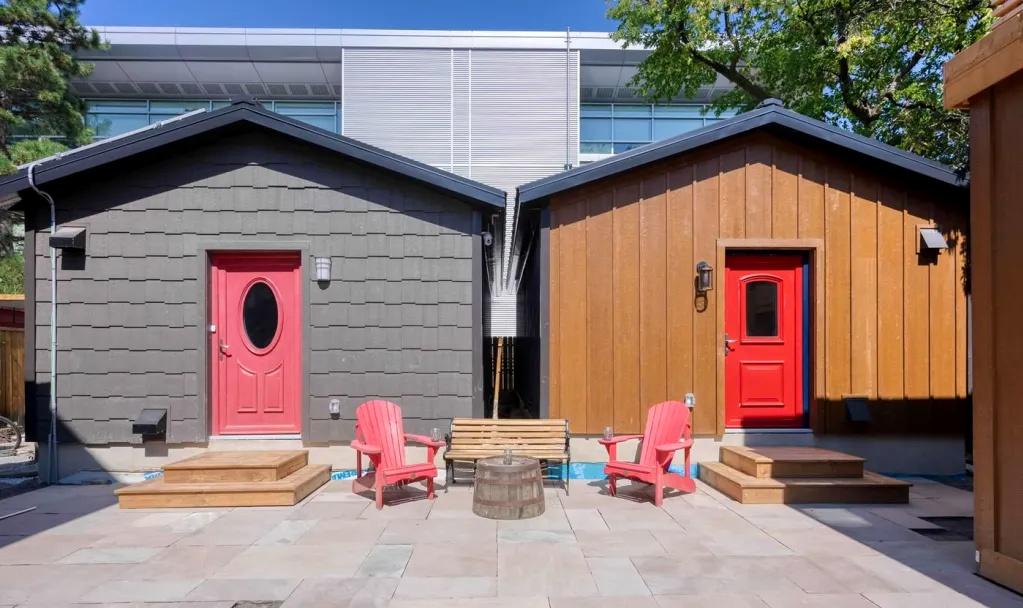
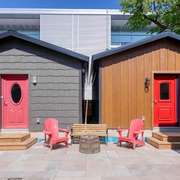
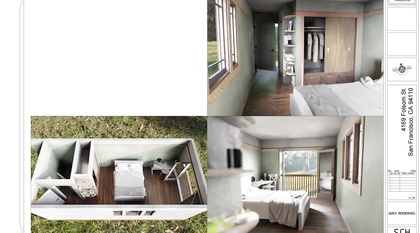
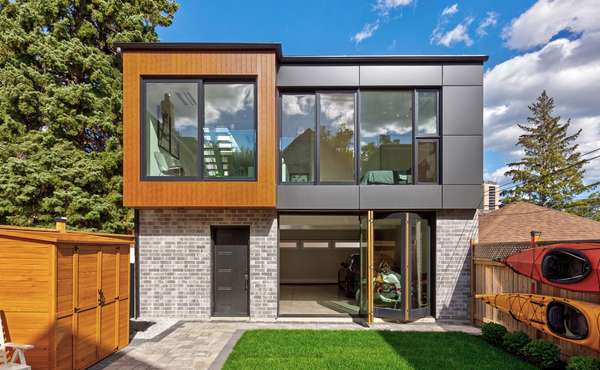
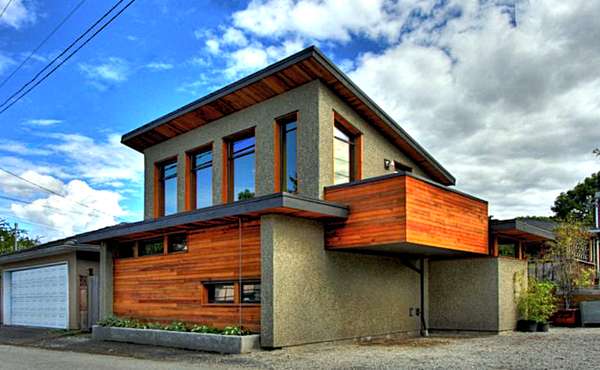
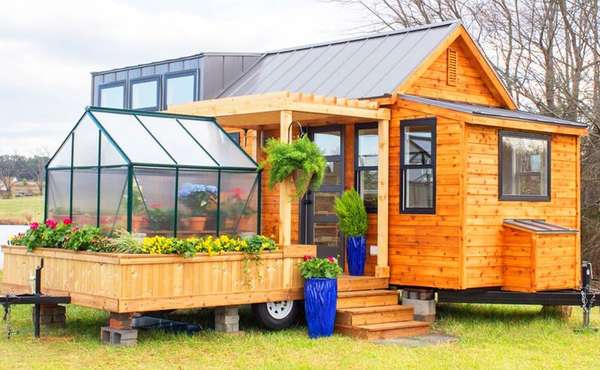
Coach houses - also known as Accessory Dwelling Units (ADUs) - reduce urban sprawl, make efficient use of existing municipal infrastructure, and give homeowners the opportunity to generate rental income or accommodate in-laws without sacrificing personal privacy. At Ecohome, we are big fans of laneway houses and detached accessory suites.
This comprehensive legislative update overhauls nearly two decades of land-use rules, sweeping away the old, fragmented R1 through R5 frameworks and replacing them with streamlined Neighbourhood (N) classifications.
Under this updated framework, serviced residential lots in low-density N1 and N2 tiers are granted expanded, as-of-right density permissions for up to four units total per lot. However, adding a detached coach house to a property requires a precise understanding of newly consolidated structural limits, spatial buffers, and infrastructure hurdles that directly dictate project viability for both homeowners and contractors.
- Understanding the New 2026 Ottawa Zoning Bylaw Changes
- The 40 Percent Footprint Rule and Maximum Size Limits
- The Setback Split: Windows, Privacy, and Boundary Lines
- Access Routes and Emergency Walkway Dimensions
- The Servicing Gate: Urban Utilities vs. Rural Constraints
- The Practical Benefits of Choosing a Prefab Coach House
- In brief
Understanding the new 2026 Ottawa zoning bylaw changes
The launch of Zoning By-law 2026-50 represents the most aggressive push for gentle urban intensification in the city's modern history. By replacing archaic exclusionary zoning with the new Neighbourhood (N) classifications, the city has eliminated the need for complex, costly site-specific rezoning applications for standard accessory builds. On fully serviced urban and suburban lots, homeowners can now build a detached accessory dwelling unit (ADU) entirely as-of-right.
However, navigating the transition period requires professional diligence:
- The dual-compliance gate: While City Council officially enacted the new law, it remains subject to the standard Ontario Land Tribunal (OLT) review process. During this transitional window, development applications must satisfy the most restrictive provisions found in both the legacy 2008-250 bylaw and the new 2026-50 framework.
- Elimination of parking minimums: In a major win for tight urban lots across Westboro, the Glebe, and Hintonburg, the 2026 rules completely remove mandatory vehicle parking minimums for auxiliary units, freeing up significant backyard space.
- The four-unit ceiling: The new framework allows up to four total residential units on a single N1 or N2 lot. This can include a primary residence, an interior basement apartment, and one detached accessory backyard structure.
The 40 % footprint rule and maximum size limits
Determining the permissible size of a detached backyard suite in Ottawa is dictated by three independent metrics. The maximum allowable footprint of a coach house is strictly bound to the smallest figure generated by the following calculations:
- Principal Building Ratio: The footprint cannot exceed 40% of the primary house's total footprint. For properties where the primary residence features a footprint under 125 square metres, a baseline allowance of up to 50 square metres is permitted.
- Yard Coverage Cap: The proposed structure cannot consume more than 40% of the total area of the specific yard (typically the rear yard) in which it resides.
- Absolute Urban and Rural Thresholds: A definitive ceiling applies across the municipality regardless of lot size. In urban and suburban sectors, the maximum footprint is capped at 80 square metres. In rural environments, the ceiling rises slightly to 95 square metres.
| Zone Classification | Maximum Absolute Footprint | Maximum Height (Standard Roof) | Maximum Height (With Garage) |
|---|---|---|---|
| Urban and Suburban (N1 / N2) | 80 m² | 3.6 metres | 6.1 metres |
| Rural and Village Zones | 95 m² | 4.5 metres | 6.1 metres |
Furthermore, vertical limits prevent accessory dwellings from dominating existing streetscapes. A coach house cannot stand taller than the principal dwelling. For standard urban applications, height is strictly limited to 3.6 metres for a pitched roof or 3.2 metres for flat roof profiles.
Incorporating a ground-floor garage below the living quarters unlocks an extended vertical allowance of up to 6.1 metres, though standard two-storey residential designs without vehicle space generally mandate minor variance approval from the Committee of Adjustment.
Setback split: windows, privacy, & boundary lines
Zoning By-law 2026-50 introduces a strict, binary approach to side and rear property lines to mitigate privacy friction between neighboring properties. This framework eliminates ambiguous mid-tier clearances, establishing a definitive setback structure based entirely on the presence of exterior openings:
The window rule threshold: To build a coach house wall exactly 1.0 metre from a rear or interior side property line, that specific wall must contain absolutely no windows, doors, or functional entry points. If the design requires a window or entrance facing that boundary line to allow natural daylight or ventilation, the entire wall must step back a minimum of 4.0 metres from the lot line.
Front and exterior corner-side setbacks must continuously align with the baseline requirements of the principal home on the street. To prevent over-densification of tight urban lots, a minimum structural gap of 1.2 metres must separate the coach house from the main house or any other permanent accessory structures on the parcel. Additionally, making use of the rooftop surface as an open patio or outdoor terrace remains strictly prohibited across all residential classifications.
Access routes and emergency walkway dimensions
Sufficient spatial clearance involves more than just boundary buffers; it dictates tenant safety and municipal emergency access compliance. Every valid coach house design must plot a clear, unobstructed pedestrian route from the public street or an open public lane directly to the secondary structure's primary entranceway.
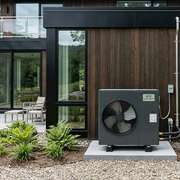
This dedicated access pathway must maintain a minimum width of 1.2 to 1.5 metres depending on the exact subzone configuration. This path must remain entirely clear of mechanical equipment, gas meters, air-source heat pump compressors, and structural overhangs to ensure paramedics and fire services can navigate the side yard safely.
To further safeguard neighboring views, the city dictates that the primary entrance doorway of the coach house cannot face a neighboring lot line unless that line directly abuts a traveled public laneway, or the entrance wall is set back beyond the 4.0-metre threshold.
The servicing gate: urban utilities vs. rural constraints
The operational logistics of a coach house vary significantly based on whether the property relies on centralized municipal infrastructure or localized private systems. This baseline infrastructure reality operates as a strict regulatory gatekeeper:
In all designated urban and suburban zones, a coach house cannot feature independent utility connections directly out to the municipal street mainlines. Instead, the secondary suite must branch off from the internal plumbing and electrical systems of the principal dwelling unit.
This requires routing water lines and sewage pipes beneath the backyard with a minimum of 1.5 metres (5 feet) of earth cover to guarantee permanent protection against winter frost. Upgrading the main incoming electrical panel to accommodate the auxiliary load is frequently required.
Conversely, rural lots under 0.8 hectares face major limits. The policy completely bans secondary accessory units on privately serviced lots that fall below this size threshold to protect local groundwater tables from nitrate overloading. For rural properties exceeding 0.8 hectares, detached suites are permitted as-of-right and may utilize private well and septic configurations, provided the layout receives explicit structural capacity approval from the Ottawa Septic Office before a building permit is issued.
The benefits of choosing a prefab coach house
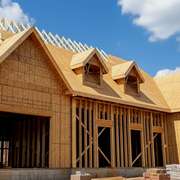
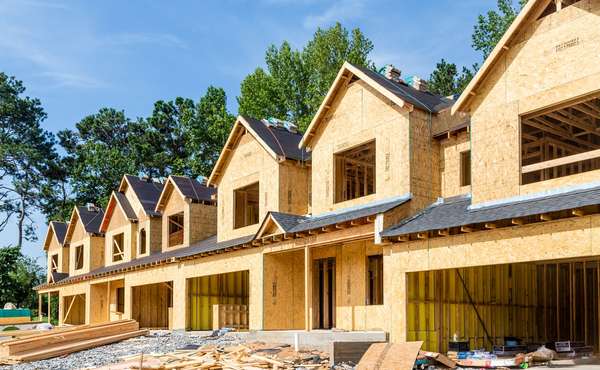
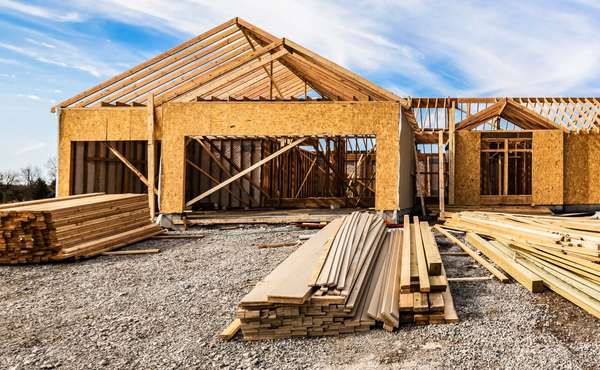
Choosing a prefabricated home for a backyard coach house offer a lot of benefit for both property owners and smart general contractors looking to optimize efficiency. Instead of managing a conventional stick-built project outdoors for months, utilizing high-performance prefab homes methodologies allows major components to be manufactured off-site inside a climate-controlled factory setting.
Building in a regulated factory setting offers three distinct advantages over site-built structures:
- Superior build quality: Structures are constructed using precise machinery, framing jigs, and indoor conditioning, protecting wood from seasonal rain and snow to ensure superior airtightness.
- Accelerated speed of build: While site excavation and foundation work occur in the backyard, the structural modules or panelized wall systems are fabricated concurrently at the factory, slashing total project delivery timelines down significantly.
- Minimal lifestyle disruption: The single largest benefit for homeowners is that your daily life is not turned upside down by a multi-month construction site. Because the unit arrives largely complete, on-site assembly is finished in a matter of days rather than months, meaning less noise, fewer delivery trucks blocking the driveway, and minimal disruption for neighboring properties.
"The new 2026 coach house zoning laws in Ottawa have really opened up the market for infill housing. Clients choose our prefabs for many reasons, one of which is the speed of assembly. The shorter construction time of prefabs drastically reduces disruption for homeowners as well as their neighbours".
- Paul Kealey, president of Ekobuilt, a prefab home building company based near Ottawa specializing in Passive House.
Finding local and reputable builders in Ottawa:
Under the umbrella of 'prefab' there are a lot of options, including: simple prefabricated walls that get delivered and assembled, all the way up to 'Turn key' ready to move in prefabs, and a lot of options in between.
Here is our listing of prefab and modular home models available in Ottawa. There are many designs and floor plans to choose from, which will offer inspiration even if you choose to go with a site-built home. And if so, here you can see our directory of Custom home builders in Ottawa with Net Zero and Passive House experience
In brief
Ottawa's updated Zoning By-law 2026-50 presents an unprecedented opportunity to build backyard coach houses under clear, streamlined Neighbourhood classifications. Navigating the rules successfully requires satisfying footprint constraints under 40% yard limits, matching the specific 1.0-metre or 4.0-metre window setbacks, providing continuous emergency walkways, and adhering to sub-surface utility branching.
Choosing high-performance prefabricated construction further elevates these projects by guaranteeing factory-grade precision, accelerating development schedules, and dramatically reducing on-site disruption for both homeowners and surrounding neighbors.
Now that you know more about Ottawa coach house regulations 2026, find more info about zoning and small space design in the Ecohome Green Building Guide and these pages below:
-
The Complete Guide to Accessory Dwelling Units (ADUs), Garden Suites & Laneway Homes in Canada
-
Passive House & LEED ready Prefab kit homes - frequently asked questions
-
Find Reputable and Trusted General Contractors in Ottawa
-
The Ontario Homeowner's Guide to Laneway Homes, Garden Suites & Bill 23










Comments (0)
Sign Up to Comment