

Laneway homes in Vancouver
For years, Vancouver has been a leader in urban densification, championing alternatives to urban sprawl. The laneway house was a cornerstone of this strategy. However, recent and significant changes to provincial and municipal zoning have dramatically expanded the possibilities for homeowners, moving beyond the single laneway home to include multiplexes on what were once single-family lots. This guide provides a comprehensive update on building an Accessory Dwelling Unit (ADU) or laneway home in Vancouver in light of these new regulations.
Major update: Vancouver's new housing rules for single-family lots
In November 2023, the City of Vancouver enacted sweeping zoning changes, largely in response to the BC government's Bill 44. The old RS (single-family) zones have been retired and replaced with a standard R1-1 zone across the city. This is the most significant change to Vancouver’s housing landscape in decades.
For homeowners, this means most standard 33 x 122-foot lots can now accommodate multiple units, far exceeding the previous limit of a primary house, a secondary suite, and one laneway home. The new rules generally allow for:
- Up to 3 or 4 units on a standard lot, which can be configured in various ways, including a multiplex or a house with a suite plus a laneway home with a suite.
- Up to 6 units on larger lots.
- Up to 8 units on lots located close to frequent transit.
This shift fundamentally changes the calculation for homeowners considering adding density to their property. For more background on these changes, see our article: Thinking of building a Vancouver prefab laneway home? Now might be the time. With so many new choices, it can be hard to decide which is best for your property and goals. See our detailed comparison of Laneway Homes vs. Duplexes vs. Multiplexes here.
What is a laneway home or ADU?
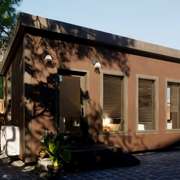
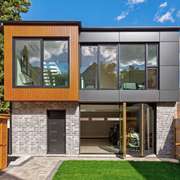
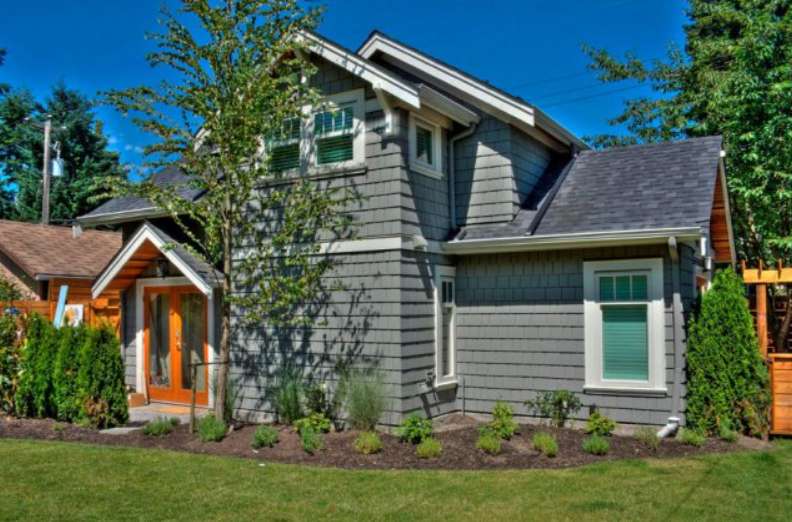
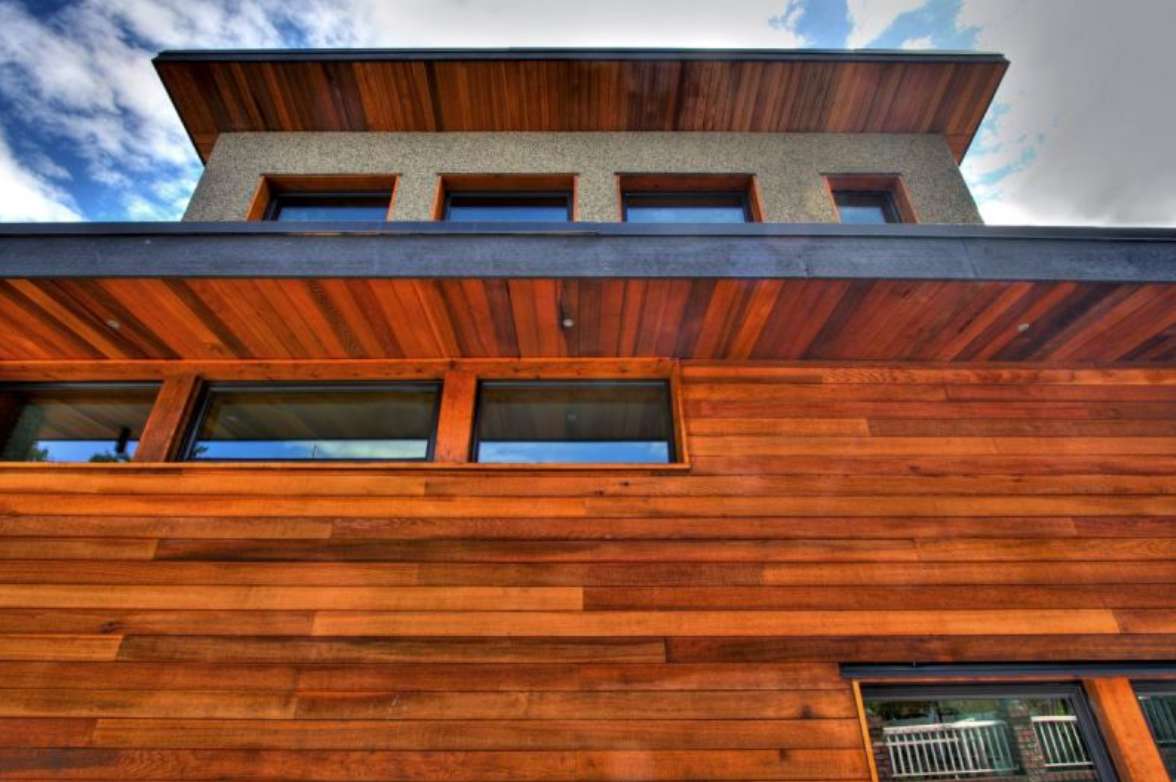
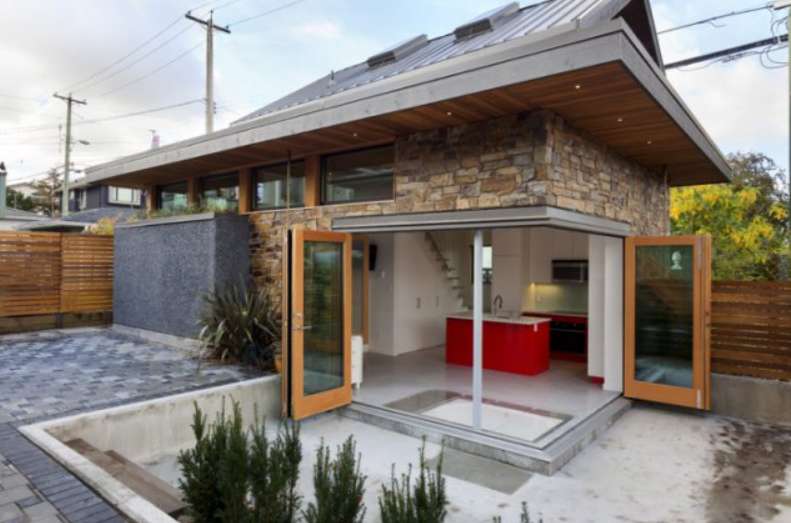
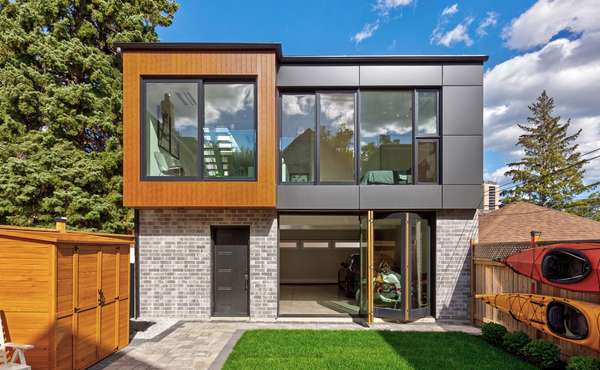
A laneway house, also known as a coach house or Accessory Dwelling Unit (ADU), is a smaller, detached home located in the backyard of a principal property, typically facing the back lane. These homes are fully independent, with their own kitchen, bathroom, and living spaces. They cannot be stratified and sold separately from the main house but provide excellent long-term rental housing or flexible living space for family.
Key considerations for building in Vancouver
How Much Does a Laneway Home Cost in Vancouver?
As of 2025, the cost to build a laneway home in Vancouver typically ranges from $400,000 to over $600,000. This price can vary significantly based on factors like size, complexity of the design, level of interior finishes, site conditions, and development fees charged by the city. For a complete price breakdown and sample budgets, see our detailed Vancouver ADU Cost Guide.
What is the Process of Building a Laneway Home?
While the new rules are in effect, the fundamental process remains similar. Homeowners should follow these general steps:
- Feasibility & Zoning Review: Confirm what is permitted on your specific property under the new R1-1 zoning. The City of Vancouver's official website is the best source for detailed regulations.
- Design & Planning: Work with a designer or builder to create plans that meet your needs and comply with city bylaws.
- Permit Application: Submit your completed plans and all required documents to the City of Vancouver for review and approval.
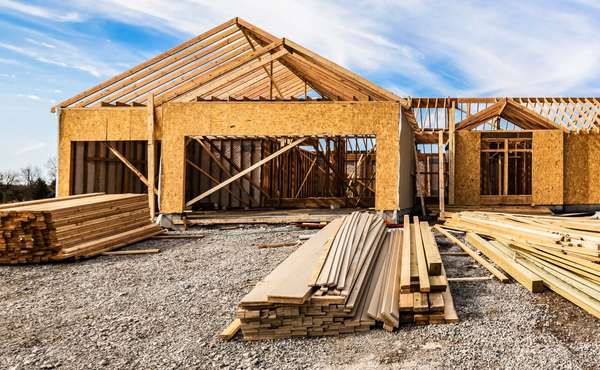
- Construction: Once you have your building permits, construction can begin.
To navigate the new regulations with confidence, read our Step-by-Step Guide to the Vancouver Permit Process.
A brief history: How laneway homes started in Vancouver
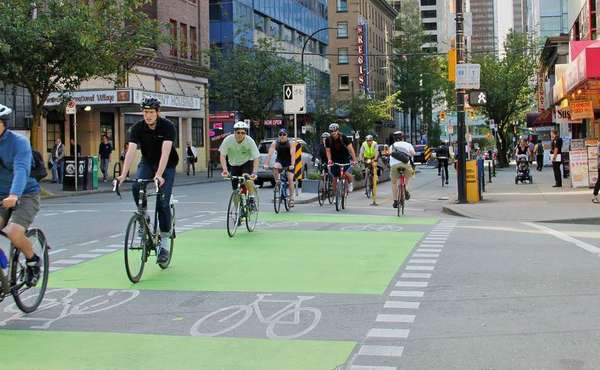
Vancouver has been fighting the good fight in a battle against urban sprawl that arguably started in the 1960s when citizens famously halted a major downtown highway. This pivotal decision preserved neighbourhood character and set the city on a long-term path towards densification. For decades before any official policy existed, an informal housing movement was quietly taking shape in the city's extensive network of back lanes. Homeowners, seeking extra income or space for family, converted garages and sheds into unpermitted living units.
Recognizing both the potential and the risks of this trend, the city, guided by its EcoDensity Program, moved to formalize it. In a landmark decision for Canadian cities, Vancouver City Council officially adopted the Laneway House Program in July 2009.
This move legitimized the burgeoning movement, ensuring new units met crucial health and safety standards while simultaneously increasing the city's housing stock and tax base without expanding its footprint. The program's immediate success, marked by the approval of its 100th permit within just a year, confirmed the immense demand for this new form of gentle, sustainable density.
Efficient & sustainable sesign
Now you know more about Vancouver's laneway house program, find more pages about tiny houses, ADUs and resilient green building techniques here:
-
The Quebec Homeowner's Guide to ADUs, Bi-Generation & Backyard Tiny Homes & coach houses
-
See architect designed prefab tiny houses for sale
-
Have an ADU backyard office delivered on a truck!
-
The Complete Guide to Accessory Dwelling Units (ADUs), Garden Suites & Laneway Homes in Canada
Find more about green home construction in the Ecohome Green Building Guide or to learn more about the benefits of a free Ecohome Network Membership here!
The inherent space limitations of backyard construction... Learn more about building a high-performance, sustainable ADU here.
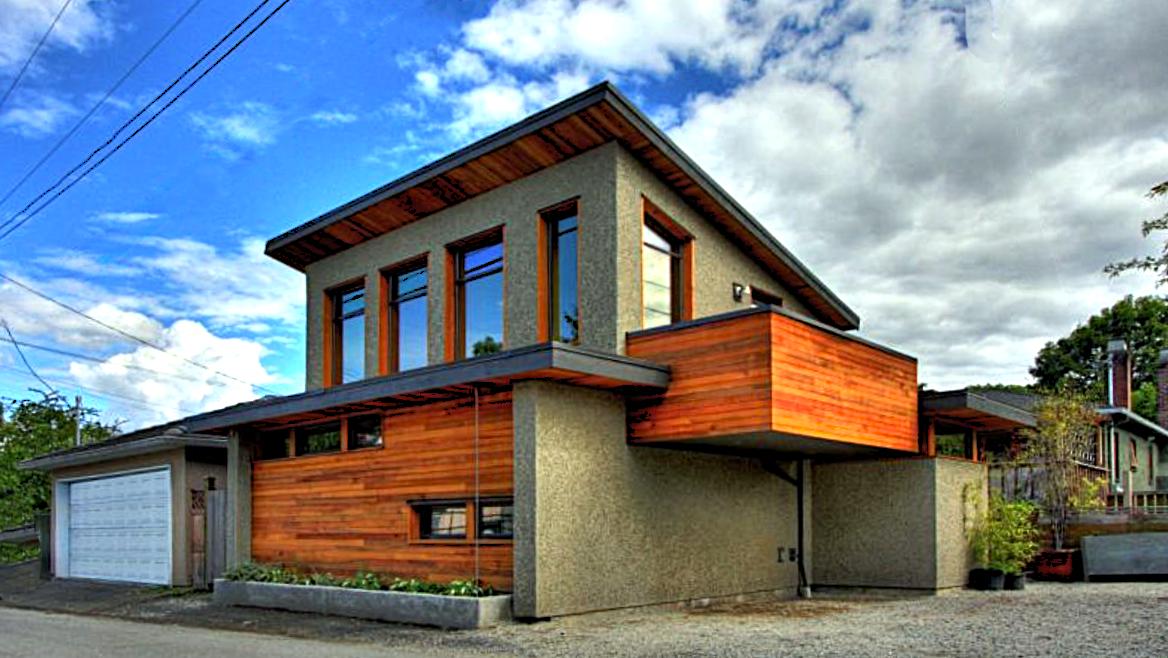
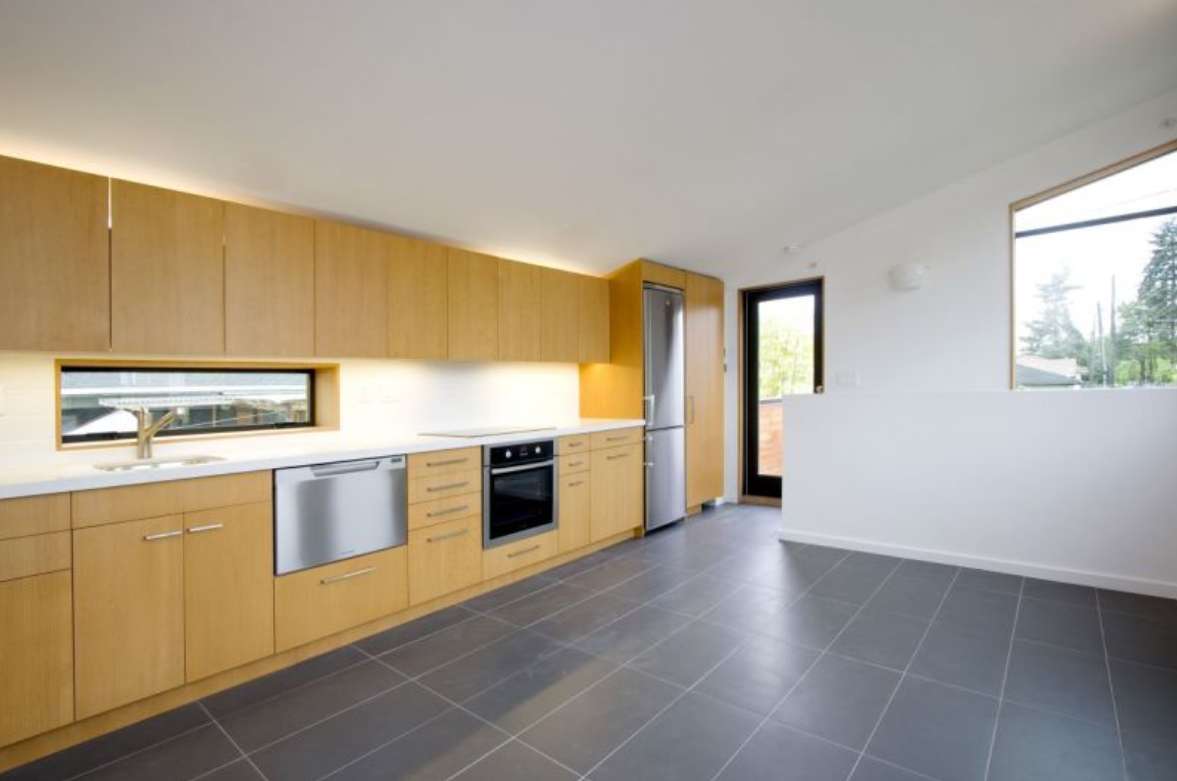
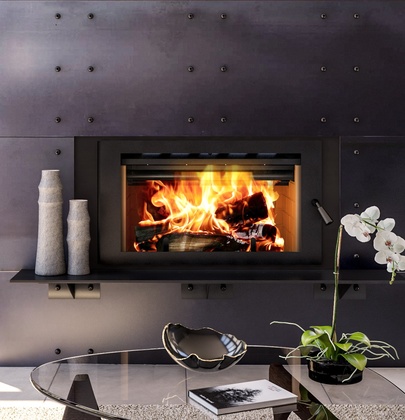
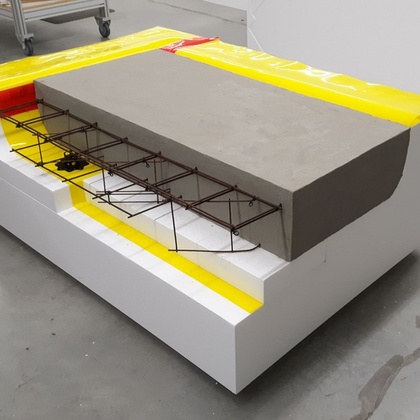
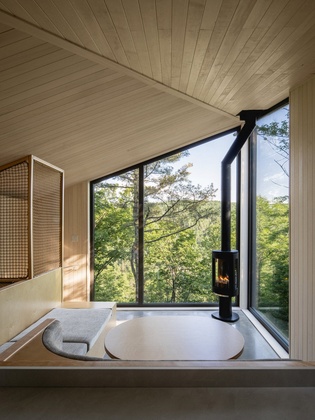
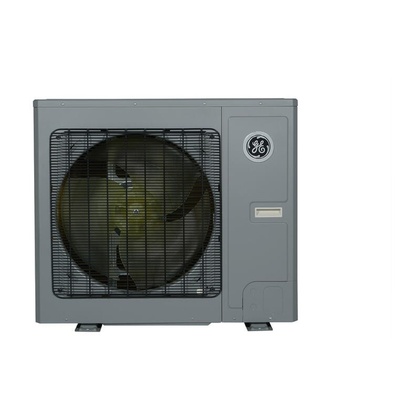
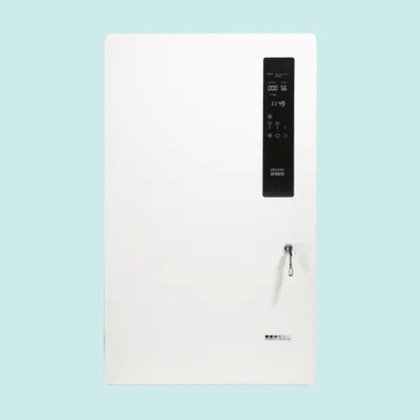
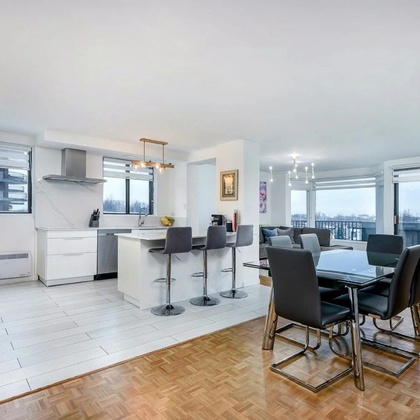
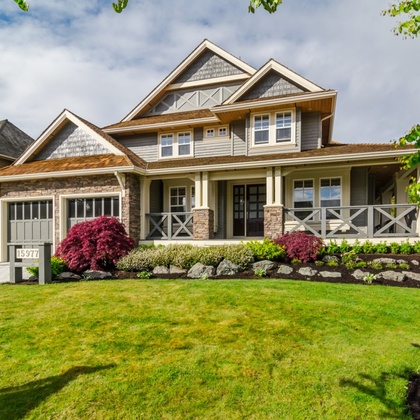
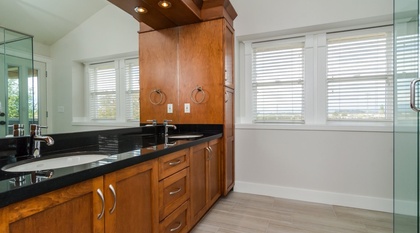
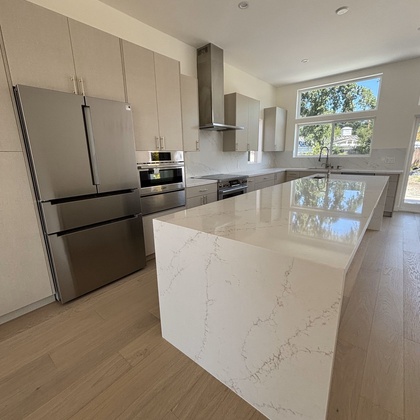
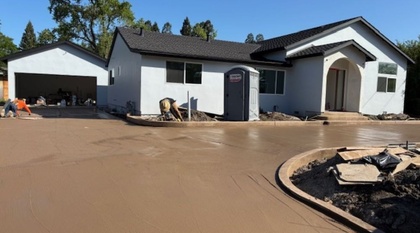
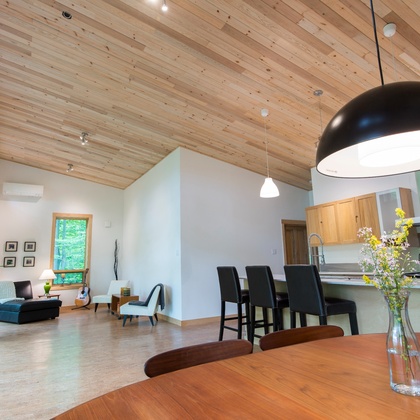
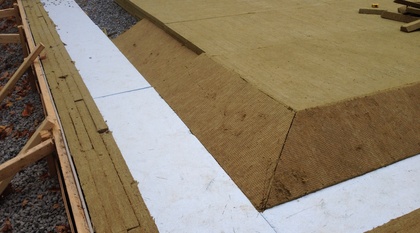
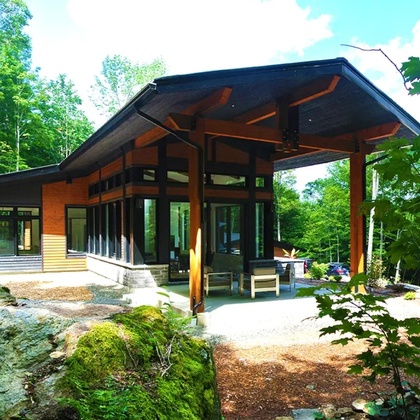
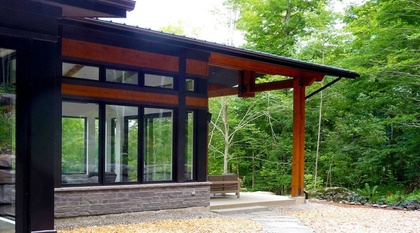
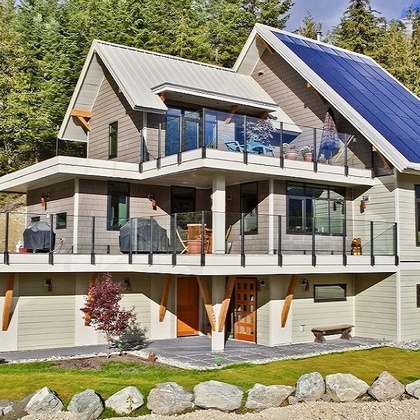
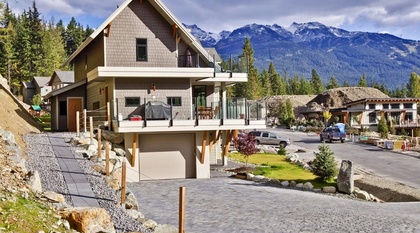
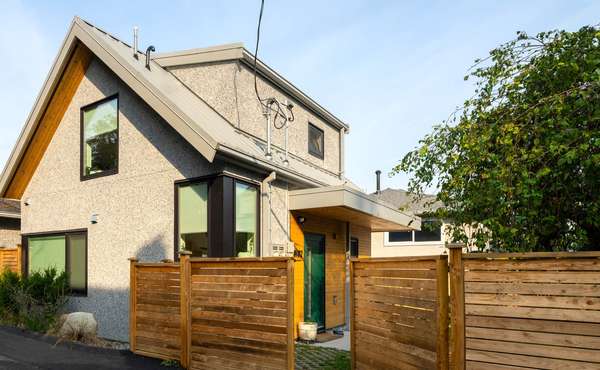
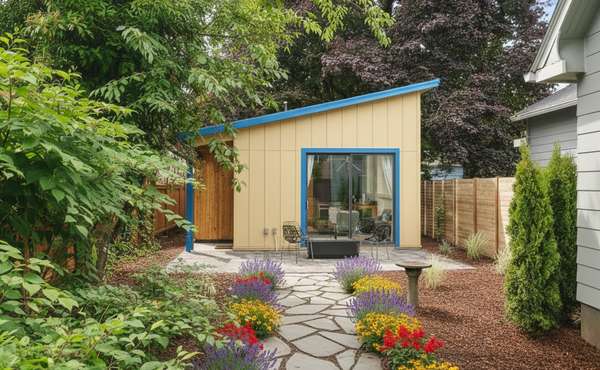
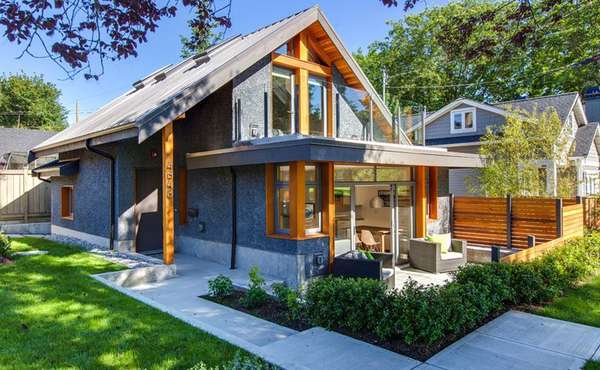
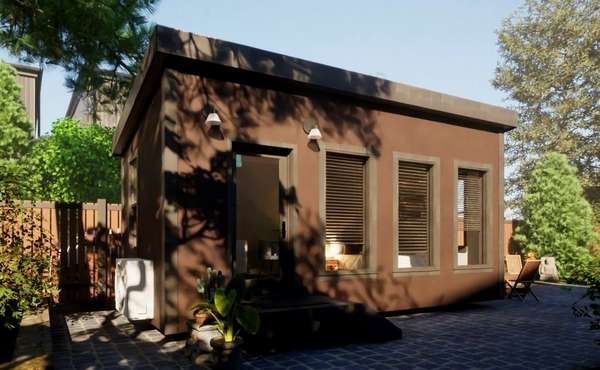
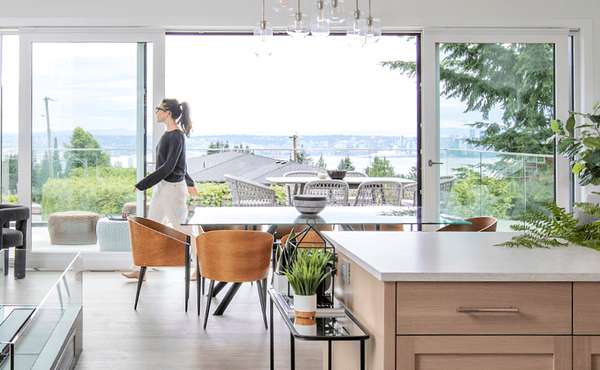
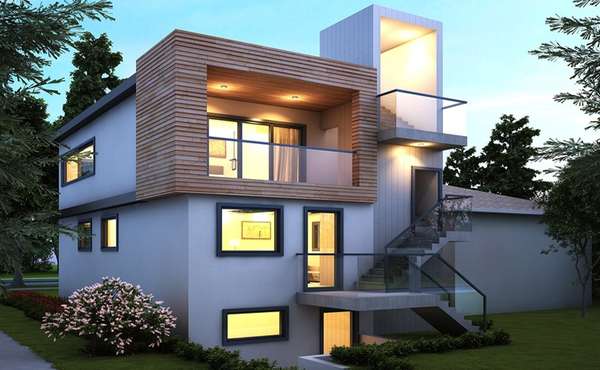
The following images are courtesy of Lanefab Design / Build in Vancouver, a company specializing in high-performance laneway house construction. See our list of the best laneway home and multiplex builders in Vancouver.










Comments (0)
Sign Up to Comment