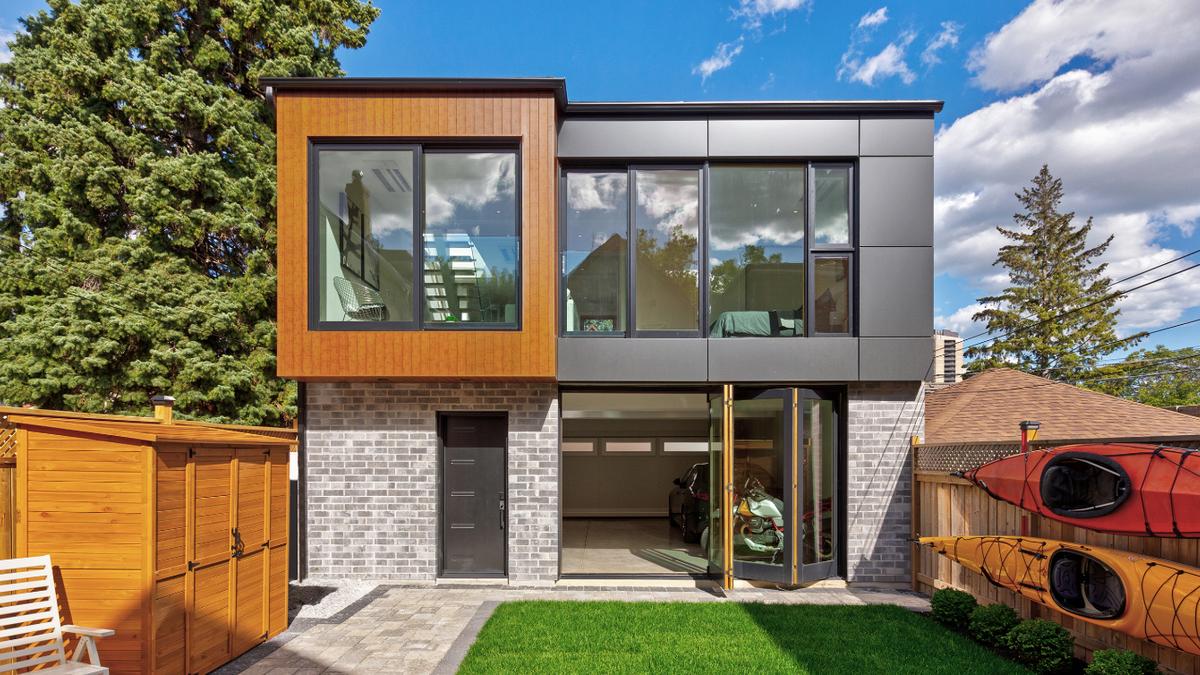

The Ontario homeowner's guide to 'as of right' zoning of laneway homes, garden suites & Bill 23
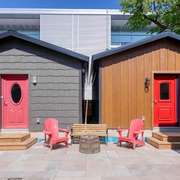
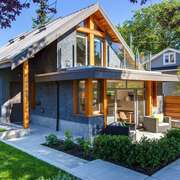
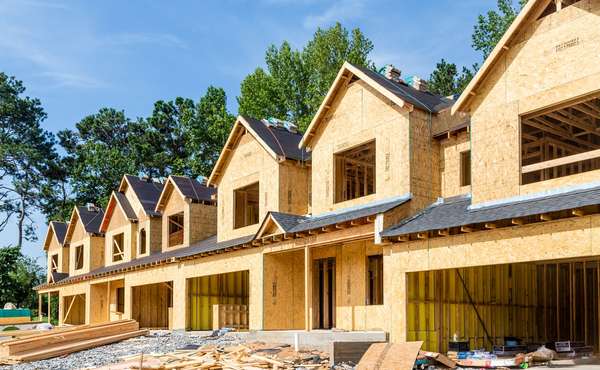
The Canadian federal government as well as provincial governments are promoting increased rates of home construction to aleviate the housing crisis, to stimulate the economy, and to increase urban density. This makes it a great time to find prefab tiny homes and ADUs in Ontario for use as laneway homes and rental units on your property.
While governments are working to fast track legislation and get more homes built, there are still hoops to jump through, which we intend to help with. This page will help explain how to navigate the process and leverage 'as-of-right' zoning to build up to three units on your residential lot, navigate the Ontario Building Code, and estimate costs.
If you live in Ontario, the rules of the housing game have fundamentally changed. With the passing of Bill 23: More Homes Built Faster Act, the province has effectively ended exclusive single-family zoning. This has opened the floodgates for homeowners to add density, value, and space to their properties without the regulatory nightmares of the past.
While our Canada-wide ADU guide covers the basics, and our Quebec ADU and tiny house guide deals with complex architectural reviews, the Ontario ADU, coach house and tiny house market is unique because the provincial government has overruled many local restrictions.
In Ontario, you now have the right to build, but you still have to grapple with the strict Ontario Building Code (OBC) and specific definitions like 'laneway' versus 'garden' suites.
This guide focuses specifically on navigating the Ontario landscape for ADUs, from the 'three-unit' rule to the specific challenges of building in Toronto, Ottawa, and the GTA.
Below is an overview of the sections we will cover.
- The Bill 23 revolution: 3 units per lot
- Definitions: Laneway suites vs. garden suites
- The OBC: Fire access and emergency egress
- Costs, financing, and "DC" exemptions
- Infrastructure: Hydro One, water, and sewers
- Building for Ontario winters
- In brief: ADUs in Ontario
The Bill 23 revolution: 3 units per lot
The most important thing for Ontario homeowners to know is that you likely have 'as-of-right' permission to build.
Under provincial legislation, most residential lots connected to municipal water and sewage are now permitted to have:
- Three total units: Typically the main house, a secondary suite (basement), and a third detached unit (garden/laneway suite or ADU).
- No zoning amendments: You do not need to apply for a costly and risky zoning change to do this, provided you meet setbacks and height rules.
- No parking minimums: Municipalities can no longer force you to add new parking spots for these additional Accessory Dwelling Units (though you generally cannot remove existing required spots without a variance).
Definitions: Laneway suites vs. garden suites
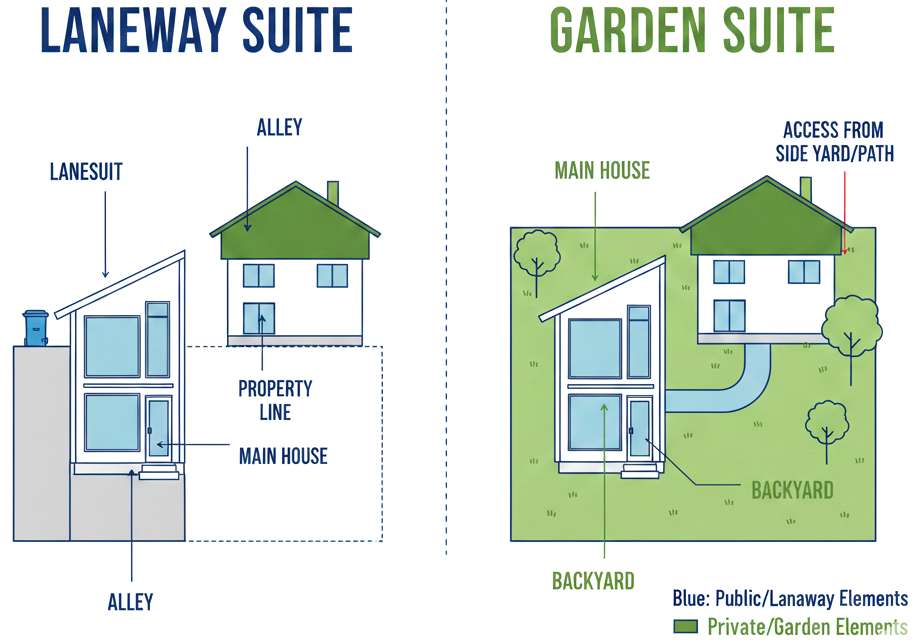
In Ontario, specifically in Toronto and the GTA, terminology matters. There is a legal and physical difference between these two structures.
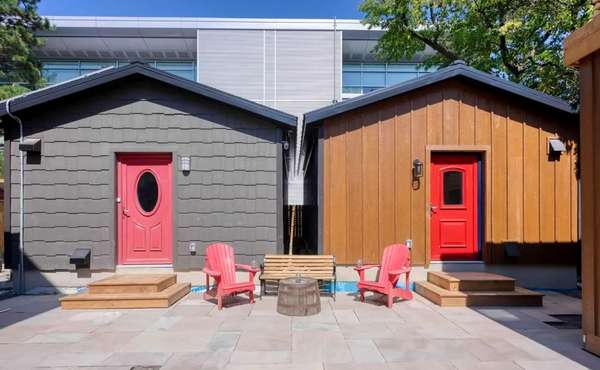
The laneway suite ADU
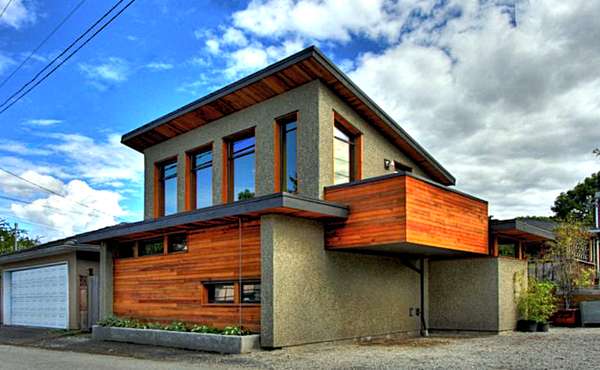
This applies only if your property abuts a public laneway (common in Toronto). The entrance typically faces the laneway.
Pros: Easier construction access and utilities can sometimes come from the lane.
Cons: You must have a specific laneway width for emergency vehicles (usually 2.5 to 5+ meters).
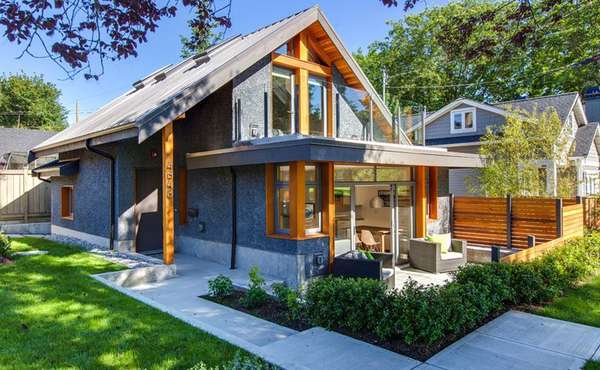
The garden suite ADU
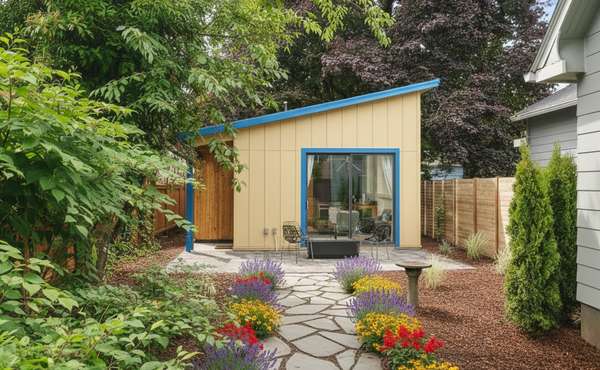
This is for the vast majority of Ontario homes that do not have a laneway. The unit sits in the backyard.
The challenge: The critical factor here is emergency access (limiting distance). You must provide a clear, unobstructed path (usually 1.0 to 1.2 meters wide) down the side of your main house from the street to the backyard for firefighters. If your side yard is too narrow, you may not be allowed to build.
The OBC: Fire access and emergency egress
The Ontario Building Code (OBC) is strict regarding fire safety for Additional Residential Units (ARUs).
Fire separation
For detached units, you must manage unprotected openings (windows). The closer you are to the property line, the fewer windows you can have on that wall. If you are closer than 1.2 meters to the line, you may not be allowed windows on that side at all. Learn more here about fire safety - prevention, home design and escape plans
Emergency egress
If you are building a loft-style ADU (sleeping area upstairs), you need a proper egress window or door. Skylights generally do not count. Unlike in British Columbia where climates are milder, Ontario's snow load requirements for roofs and egress points are higher.
Costs, financing, and 'DC' exemptions
Ontario is expensive, but Bill 23 provided a massive financial incentive to encourage building more ADUs: the removal of Development Charges.
Development charge (DC) exemptions for ADUs in Ontario
Previously, adding a new unit could trigger a development charge payable to the city, ranging from $20,000 to $50,000+. Under Bill 23, most ADUs are now exempt from these charges. This immediately reduces the upfront cost of your project.
Construction cost estimates (2025) for ADUs in Toronto GTA
- Basement suite: $60,000 - $150,000 (Depends on underpinning/ceiling height).
- Modular/prefab garden suite: $250,000 - $350,000 (Installed).
- Custom laneway home: $350,000 - $550,000+ (Architectural custom builds in Toronto are premium products).
You can get competitive quotes for a prefab or modular build ADU in Ontario or the GTA here.
Infrastructure: Hydro One, water, and sewers
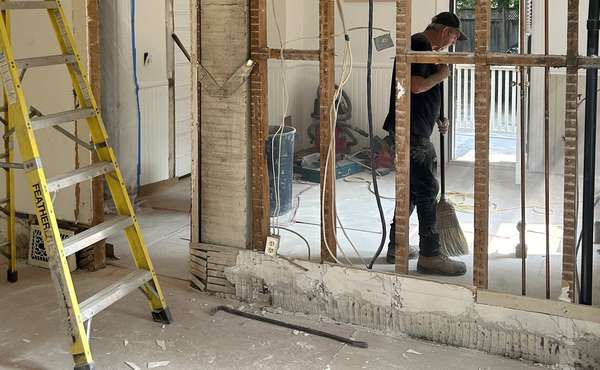
Do not overlook the 'civil work', connecting a backyard home to services is a major line item that can impact the cost of adding an ADU to your home in Ontario.
Electricity (hydro) for an ADU
Most older homes in Ontario have 100-amp panels. Adding an electric-heated ADU (especially with an EV charger) will almost certainly require a service upgrade to 200 amps. You may also need to bury the line from the main house to the suite.
Note: If you want a separate meter for the tenant, this is possible but costs significantly more to install. Most homeowners use a 'check meter' (sub-meter) to track usage internally.
Water and sewer connections for ADUs
In Toronto and Ottawa, you often have to upgrade the water service pipe coming from the street to the main house to 3/4" or 1" diameter to handle the water pressure for two kitchens and two laundries. Digging up the front lawn for this upgrade can cost $5,000 - $10,000.
Building for Ontario winters
Ontario has a humid continental climate. Your ADU needs to handle -30°C winters and +35°C humid summers.
The envelope first
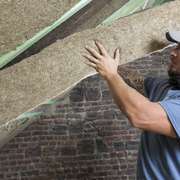
Since the floor area is small in an ADU , investing in insulation pays off fast.
- Walls: Go beyond OBC minimums. Use continuous exterior insulation to eliminate thermal bridges.
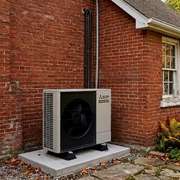
- Heating: Cold-climate air source heat pumps are the gold standard for ADUs in Ontario. They provide both heating and high-efficiency air conditioning.
- Foundation: For garden suites, helical piles (screw piles) are popular in Ontario as they disturb tree roots less than concrete, but they require careful insulation detailing for the floor assembly to prevent frozen pipes.
In brief: Building ADUs in Ontario
Ontario is currently the most progressive province in Canada for ADU legislation, thanks to Bill 23. The 'not in my backyard' era is effectively over, replaced by a 'yes in my backyard' policy framework.
However, freedom to build comes with the responsibility to build safely. Ensure your side-yard access is sufficient for firefighters, budget for hydro upgrades, and take advantage of the Development Charge exemptions to build a high-performance asset in your back yard.
Recent CAL FIRE hazard severity zone map updates suggest that many urban neighborhoods may soon face stricter building regulations.
Now that you have the Ontario context for building an ADU, broaden your scope with our National ADU guide or explore specific technical guides in the Ecohome Green Building guide:
-
The complete guide to accessory dwelling units (ADUs) in Canada
-
Choosing the right heat pump for Ontario winters
-
Ottawa allows backyard coach houses and ADUs
-
Should I build a slab on grade, crawl space or basement foundation?










Comments (0)
Sign Up to Comment