


How much does a laneway home or multiplex cost in Vancouver 2025?
For homeowners in Vancouver, the number one question when considering a laneway home or multiplex is almost always about the total cost and financing options available. With the city encouraging increased density, building an Accessory Dwelling Unit (ADU) or a small multiplex is an attractive option, but navigating the budget and working out how to balance the true costs with the potential rental or eventually resale returns is an exercise requiring an understanding of construction costs, how to use a calculator, and a crystal ball!
What is an inescapable fact is that understanding the full spectrum of expenses - from initial designs to final utility connections - is the starting point to any successful construction project. This 2025 price guide provides a detailed, transparent breakdown of the laneway house cost in Vancouver, what to expect for a Vancouver multiplex construction cost, and how to finance your build.
If you're struggling with a tight construction budget, understanding how simple design lowers building costs can help you prioritize where to spend your money.
- A detailed breakdown of Vancouver construction costs
- Sample budgets: Laneway home vs. multiplex
- Factors that influence your final cost
- Financing your Vancouver construction project
- The essential takeaways: Budgeting your build
A detailed breakdown of Vancouver construction costs
To create an accurate budget, you must understand that the final price tag is composed of three distinct categories: soft costs, hard costs, and servicing costs. In our expreience in the BC lower mainland many first-time builders of Net Zero Vancouver homes only focus on the hard costs (the physical construction), but the other two can add up to a significant portion of the total investment.
Soft Costs: The Planning Phase
These are the expenses required to get your project designed, approved, and ready for construction when you're building a laneway home in Vancouver. They typically account for 10-15% of the total budget. Key soft costs include:
- Architectural & Design Fees: Creating the blueprints for your laneway home or multiplex.
- Engineering Fees: Structural, geotechnical, and sometimes other specialized engineering reports.
- City of Vancouver Permit Fees: Including development permits, building permits, and various inspections. These can be substantial.
- Surveying Fees: To map out your property and the new building's location.
- Insurance & Legal Fees: Course of construction insurance and any legal advice needed.
Hard Costs: The Building Phase
These are the tangible costs of labor and materials to build the structure itself, often calculated as Vancouver construction costs per square foot. In 2025, you can expect this to range from $400 to $550+ per square foot, depending on the complexity and level of finish. This includes:
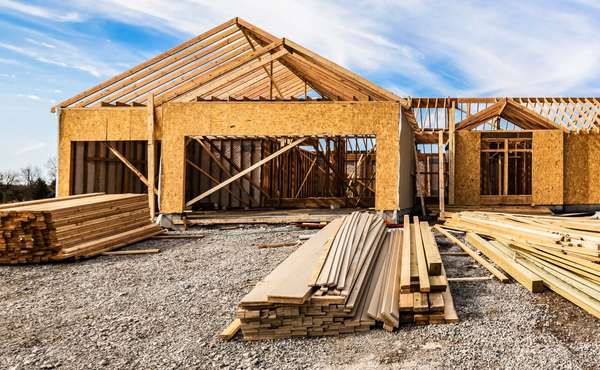
- Excavation and foundation work.
- Framing, roofing, windows, and siding.
- Plumbing, electrical, and HVAC systems.
- Insulation, drywall, flooring, and paint.
- Kitchens, bathrooms, fixtures, and appliances.
Servicing Costs: The Connection Phase
These are the often-underestimated costs of connecting your new unit to city services. For a laneway home or new multiplex in Vancouver, this means trenching and running new lines from the main house or the street or hooking up an overhead electrical connection. Major costs include:
- BC Hydro Connection: Getting power to the new unit.
- City Water & Sewer Connection: Often the most expensive servicing cost, requiring significant excavation.
- FortisBC Gas Connection: (If applicable, though less common with new Zero Emissions Building Plan rules).
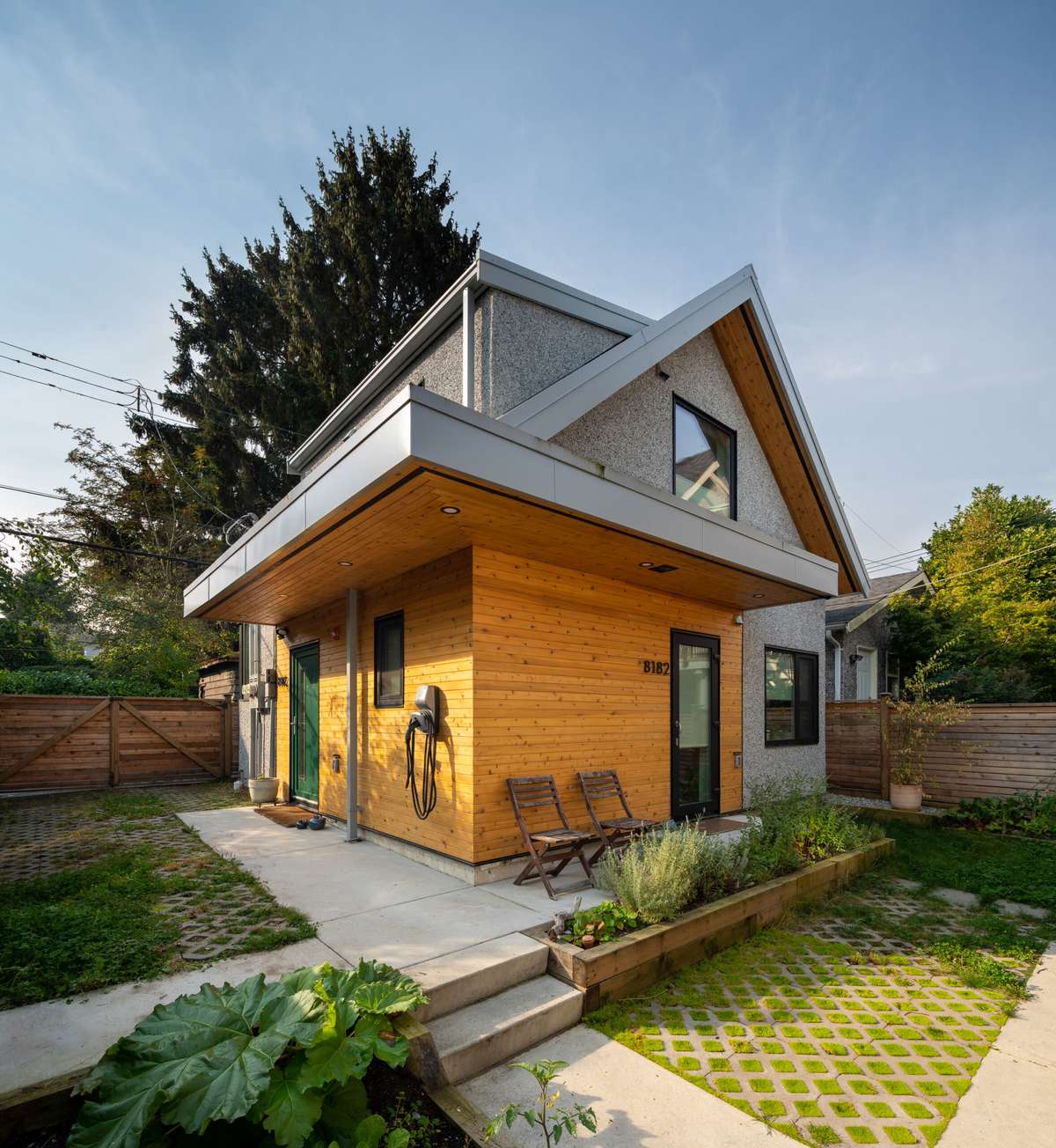
Sample budgets: Laneway home vs. multiplex
To illustrate these costs, here are two sample budget tables based on typical 2025 Vancouver pricing. Note: these are estimates for planning purposes only. Your final costs will vary.
Sample Budget: 700 sq. ft. Laneway Home
| Cost Category | Estimated Cost (CAD) | Notes |
|---|---|---|
| Soft Costs (Permits, Design, etc.) | $45,000 - $70,000 | Can vary widely based on complexity. |
| Hard Costs (700 sq. ft. @ $450/sq. ft.) | $315,000 | Based on a mid-range quality of finish. |
| Servicing Costs (Utilities) | $30,000 - $50,000+ | Highly variable based on site conditions. |
| Estimated Total Cost | $390,000 - $435,000+ | Before landscaping and GST. |
Sample Budget: 2,500 sq. ft. Triplex
| Cost Category | Estimated Cost (CAD) | Notes |
|---|---|---|
| Soft Costs (Permits, Design, etc.) | $90,000 - $140,000 | More complex design and engineering. |
| Hard Costs (2,500 sq. ft. @ $425/sq. ft.) | $1,062,500 | Slightly lower per sq. ft. cost due to scale. |
| Servicing Costs (Utilities) | $50,000 - $80,000+ | Potentially requires upgraded city connections. |
| Estimated Total Cost | $1,202,500 - $1,282,500+ | Before landscaping and GST. |
Factors that influence your final cost
Beyond the basic size of your project, several key factors can significantly influence your final construction cost. Understanding these variables is key to managing your budget.
Site Conditions and Access
A flat lot with easy street access is the ideal scenario. A sloped lot, rocky ground, or poor soil conditions will increase your excavation and foundation costs. Narrow lots with difficult access for machinery will also increase labor costs. For more details, see our guide to sustainable excavation.
Custom Build vs. Prefabrication
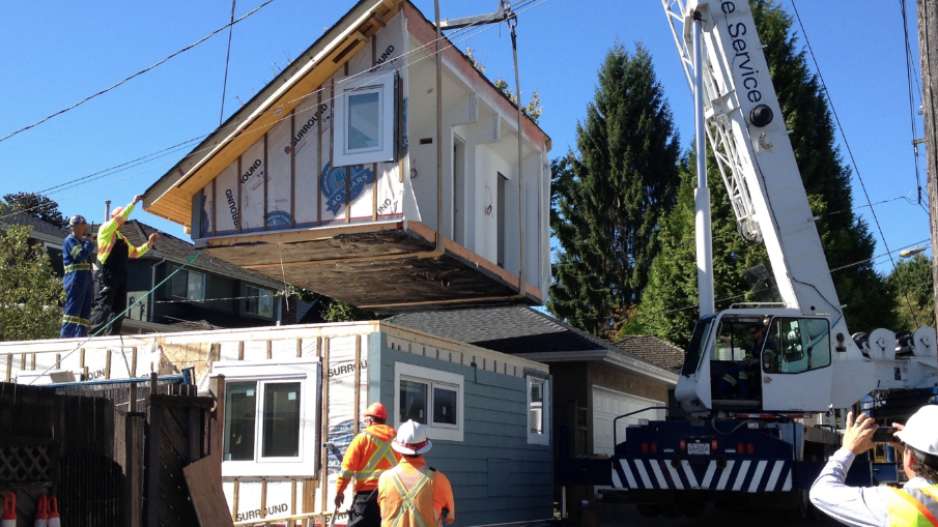
A fully custom, architect-designed home will generally have higher design costs and potentially higher construction costs than a design that utilizes prefabricated components. Using prefab panels or modules can often lead to cost savings through factory efficiencies and reduced on-site labor. Explore your options in our guide on how to find the best prefab kit homes.
Level of Finishes and Complexity
The quality of your windows, flooring, cabinetry, and fixtures is one of the biggest variables in the budget. High-end, luxury finishes can easily add $100+ per square foot to your hard costs compared to standard, builder-grade options.
Financing your Vancouver construction project
Unless you are paying with cash, securing financing for your Vancouver construction project is a critical step that should be arranged early in the planning process. Finding ADU financing in BC typically involves one of two main paths.
Construction Loans
This is a short-term loan specifically designed to finance the construction phase. The funds are disbursed in stages (or "draws") as the project reaches specific milestones (e.g., foundation complete, framing complete). Lenders will require a detailed set of plans and a fixed-price contract from your builder. Once construction is finished, this loan is typically rolled into a traditional mortgage.
Refinancing Your Mortgage or a HELOC
Many homeowners finance their laneway or multiplex by refinancing their existing mortgage to access the equity in their property. A Home Equity Line of Credit (HELOC) is another option. These methods can be simpler to arrange than a full construction loan, but you must have sufficient equity in your primary home. Always consult with a mortgage broker who has experience with construction financing. Getting accurate quotes is key, so see our tips on hiring a reputable contractor.
The essential takeaways: Budgeting your build
The essential takeaways for budgeting your Vancouver laneway home or multiplex are to account for all three cost categories-soft, hard, and servicing-and to always have a contingency fund. The cost to build a duplex in Vancouver, or any infill project, is significant, and unforeseen issues are common. A contingency fund of 10-15% of your hard costs is crucial for covering unexpected challenges like poor soil conditions or material price increases - even if options like screw piles or ICF slab on grade form kits can spread the load . Do your research, hire a trusted builder who provides a transparent budget, and secure your financing early. A well-planned budget is the foundation of a successful and low-stress construction project.

Now that you know more about construction costs, find more info about building new homes & green building techniques in the Ecohome Green Building Guide and these pages below:
-
Building Net Zero Homes in Vancouver
-
How to Stay on Budget When Building
-
The Definitive Guide to Solar Panels
-
Hiring a Reputable General Contractor










Comments (0)
Sign Up to Comment