




Sustainable excavation: a homeowner's & pro's guide
Building a new sustainable home or adding space for your family with a home addition is always a very exciting prospect, and its success rests quite literally on the first step of a proper excavation. Poorly planned excavation can lead to foundation issues, water problems, wasted materials, and unnecessary site damage, undermining your green building goals from day one.
Proper excavation is far more than just digging a hole; it's the critical first step that defines your home's stability, energy efficiency, and long-term resilience. This guide covers everything homeowners and contractors need to know about excavation for a sustainable home or addition to start your project on solid ground.
- Planning your sustainable excavation
- Choosing a foundation and its excavation needs
- Minimizing environmental impact: Green excavation techniques
- Managing soil, water, and obstacles
- Connecting an extension to an existing home
- Finding and hiring the right excavation contractor
- Costs and budgeting for your excavation
Planning your sustainable excavation
Before any soil is moved for your sustainable excavation, meticulous planning is essential to prevent costly mistakes and ensure the project aligns with your overall design and green building goals. This phase prevents costly mistakes and ensures the excavation aligns with the overall design and sustainability goals of your project.
Key Steps in the Planning Phase
- Site assessment & soil testing: A geotechnical engineer should analyze your soil's composition. This is critical as soil types vary dramatically by region, from the expansive clay soils commonly found in parts of Australia and Texas, to the rocky terrain common in New England and parts of the UK. This analysis determines the required foundation type and depth.
- Surveying and layout: A surveyor should mark out the precise boundaries of the foundation, ensuring it complies with local regulations and is correctly oriented for passive solar design if applicable.
- Permits and regulations: Securing the necessary permits from your local government is a legal requirement in most areas. Check with your local authorities in the very early stages to be sure your project will get the green light, whether that is a city or county department in North America, or your local council in the UK, Australia, and New Zealand.
- Utility location: Always call before you dig! Use your region's local service (like 811 in the US and Canada, or Dial Before You Dig in Australia) to locate and mark all underground utilities to prevent dangerous and expensive accidents.
Choosing a foundation and its excavation needs
The type of foundation you choose will directly impact the scope of excavation required, and for sustainable builds, the choice often balances material use, insulation potential, and cost. See our detailed guide to foundation choices for more information.
Slab-on-Grade Foundation
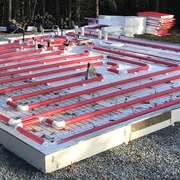
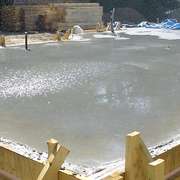
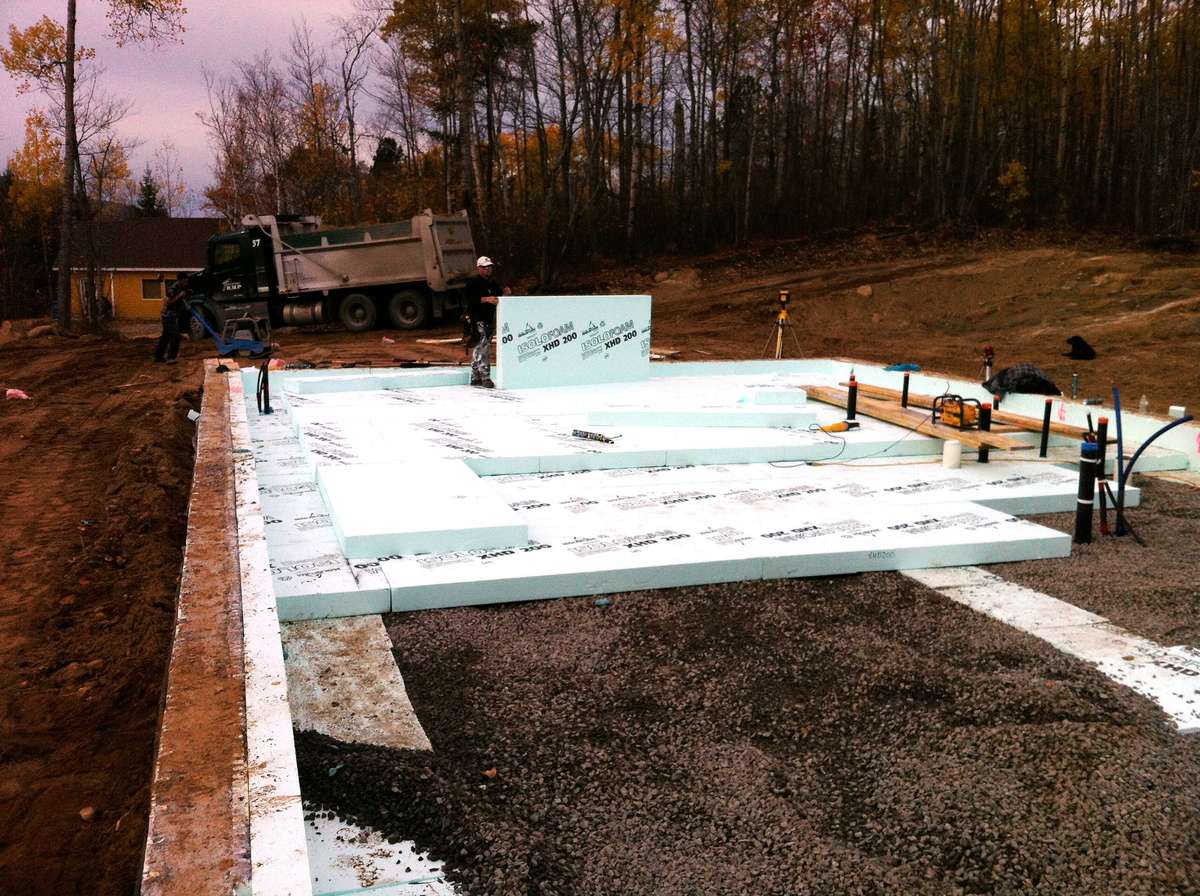
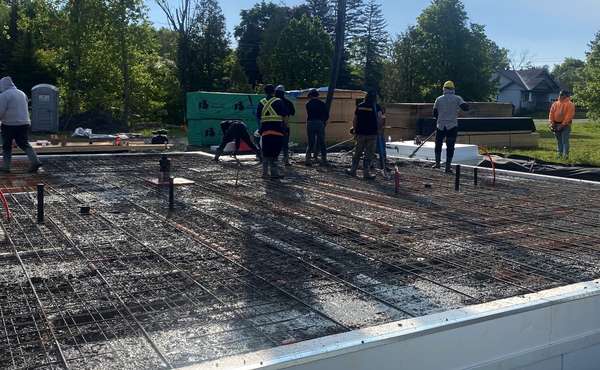
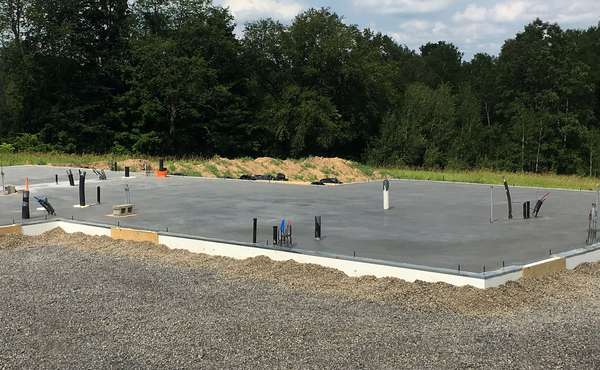
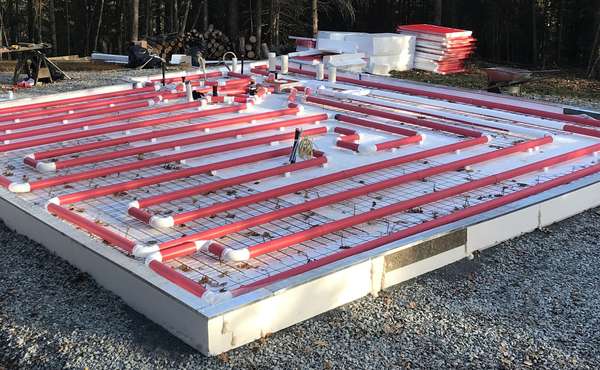
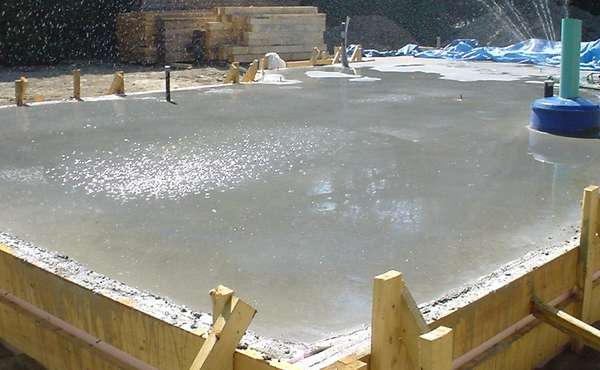
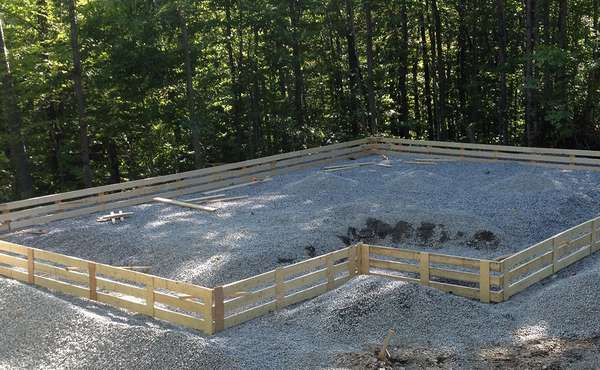
These are definitely our favorite choice when possible, as slab foundations involve minimal excavation, making it a low-environmental impact and material-efficient option. A concrete slab on grade foundation is a perfectly suitable and durable option anywhere from the equator to the frozen north. A frost-protected shallow foundation (FPSF) uses a perimeter 'wing' of rigid foam insulation to eliminate the need for burying footings below the frost line.
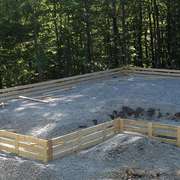
Excavation needs: Shallow, typically limited to removing topsoil and creating a level base.
Crawlspace Foundation
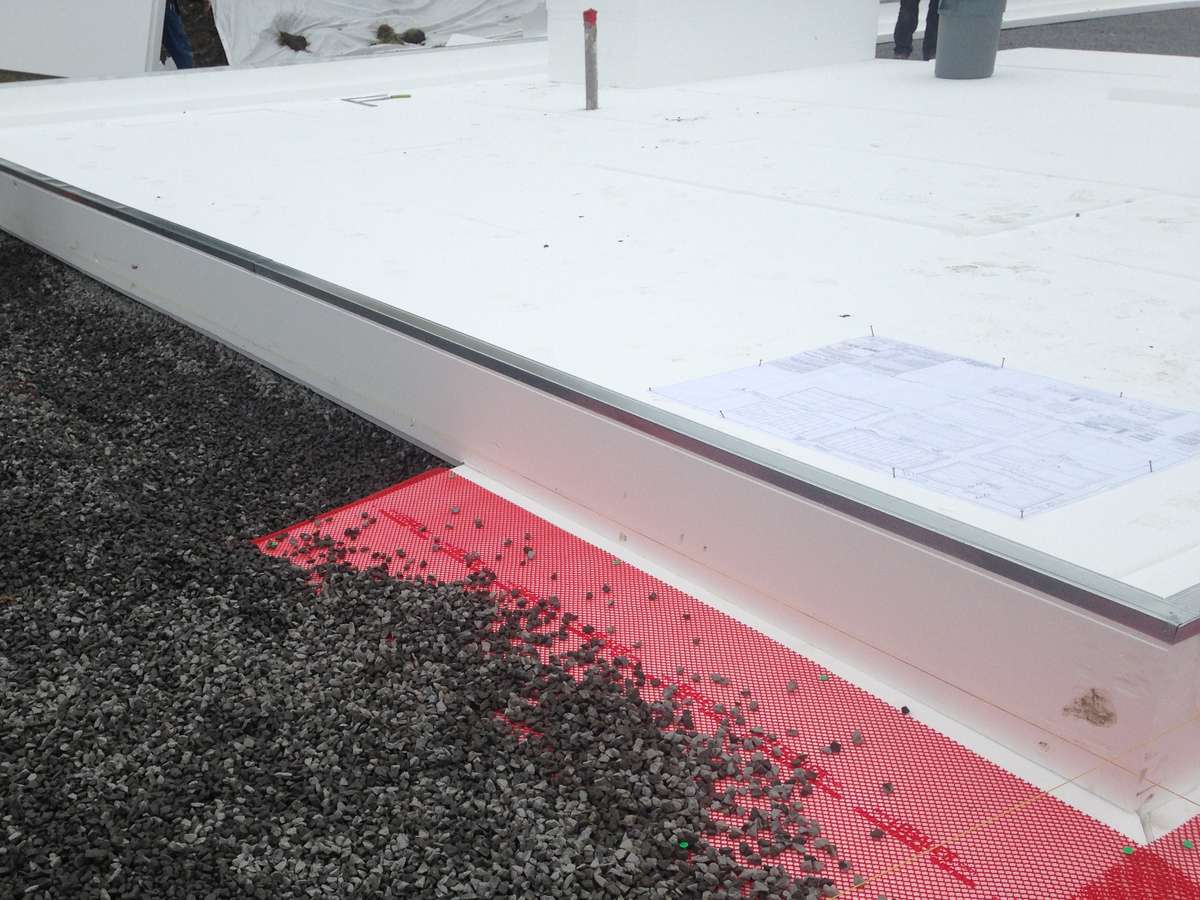
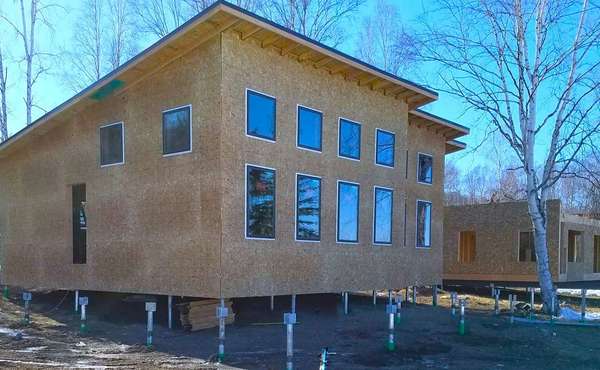
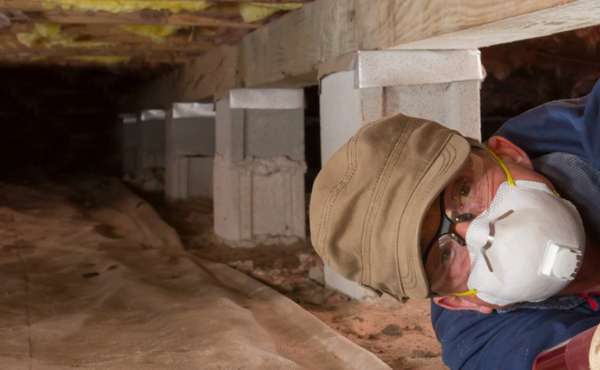
A crawlspace elevates the home off the ground, which can be beneficial on sloped sites or in damp areas. Excavation is more extensive than a slab but less than a a full basement, and a crawlspace has all kinds of potential problems for damp, smells and radon ingress, so we'd have to say choose carefully between a crawlspace and a slab-on-grade.
Excavation needs: Moderate depth, creating a space usually 3-4 feet (0.9 to 1.2 meters) high.
Full Basement Foundation
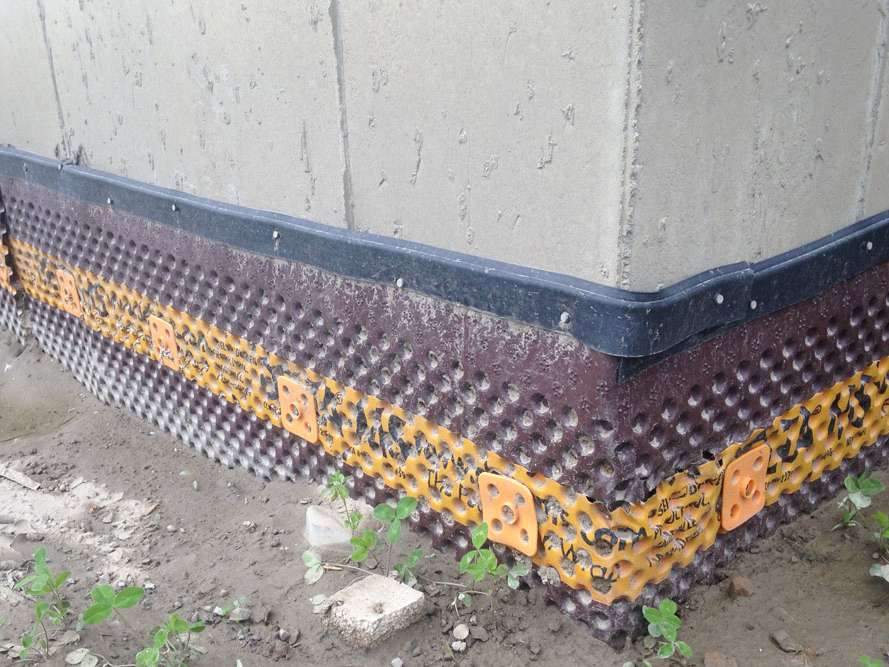
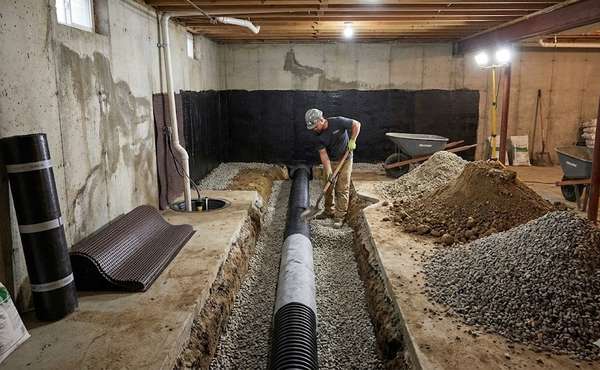
A full basement requires the most significant excavation but it does come with the advantage of offering additional living space. Despite their drawbacks, basements do make the most sense in densely populated urban cores.
We don't make a secret in our Building Guide pages of our penchant for slabs, but we do recognize that in some situations a basement makes far more sense. We just strongly encourage anyone to go the added distance so they don't end up with a flooded or moldy basement. You can read here about why most basements smell moldy and how to fix and prevent it, which will no doubt drive home the importance of following the best practices for durable basement construction to avoid mold and flooding.
Excavation needs: Deep excavation, often as much as 8-10 feet (2.4 to 3 meters) or more, plus managing large amounts of excavated soil.
Minimizing environmental impact: green excavation techniques
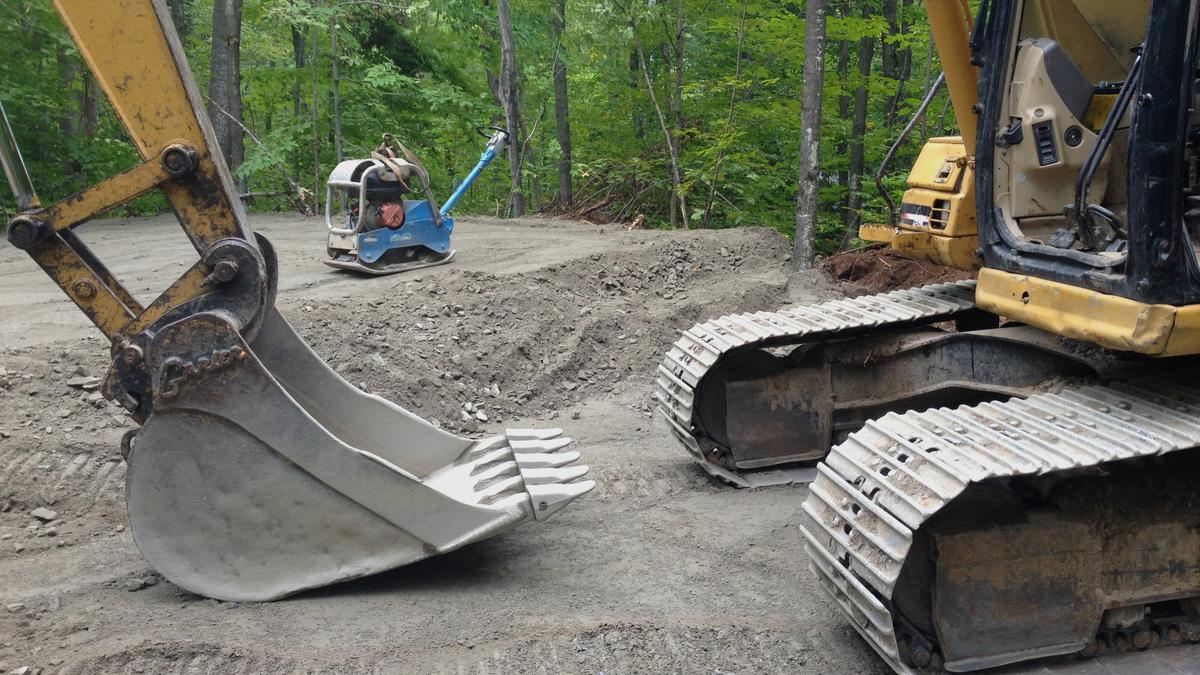
Sustainable home construction starts right when you break ground, as the goal of green excavation techniques is to lessen the impact on the surrounding environment by disturbing the site as little as possible. The moment an excavator digs into the ground, it will impact the immediate ecosystem.
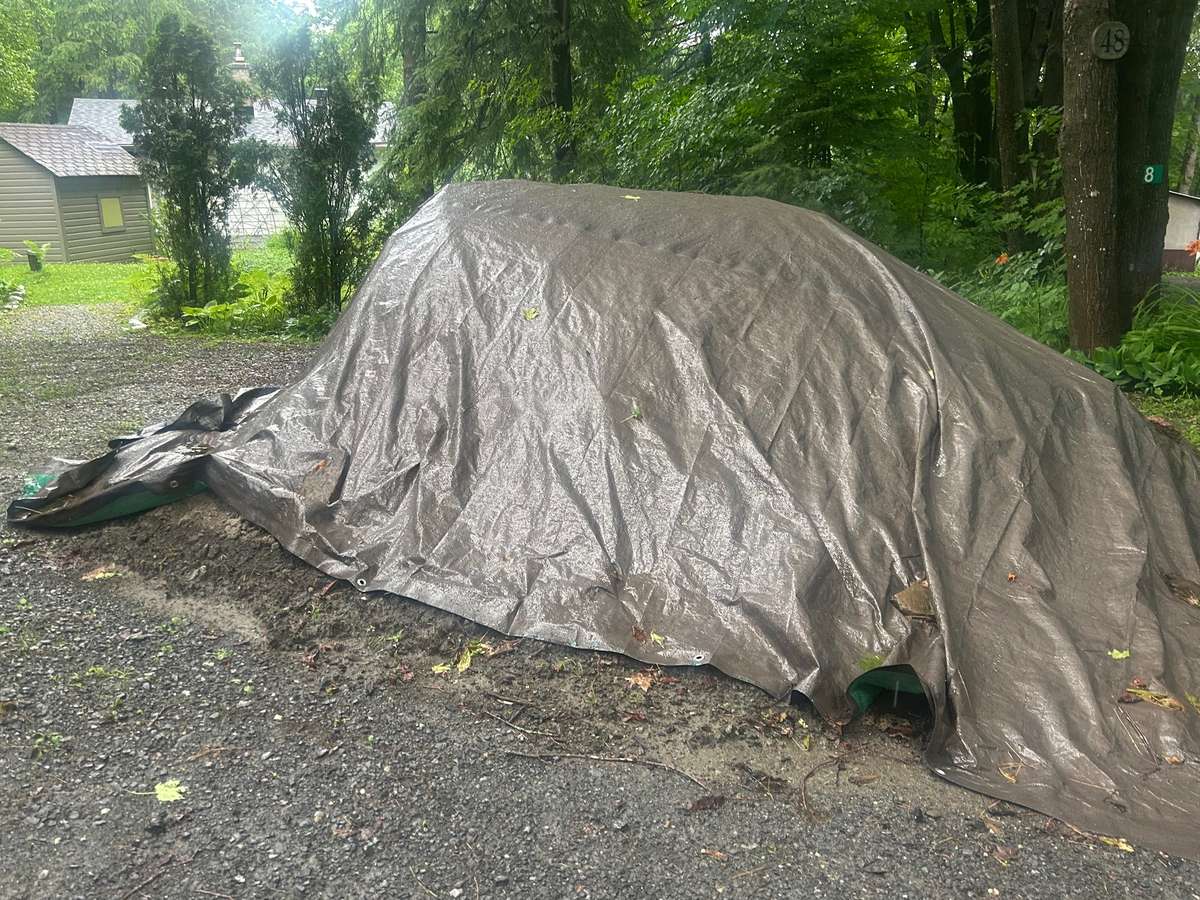
Some simple considerations can make a big difference to wildlife habitat and waterways, so planning what to do with the topsoil and clean fill you remove is step one. Even with relatively flat building lots, water will wash away dirt. To prevent that, cover excavated soils with tarps if possible, create swales to contain any rainwater that is heavy in sediment, and use silt fences or hay bales to filter runoff before it finds its way to sewers and drainage ditches.
Separate and Save Topsoil During Excavation
Typically the top 5 to 10 inches (13 to 25 cm) of excavated ground is organic topsoil; below that is the subsoil mineral layer. Unless the subsoil has very bad drainage characteristics, like clay, it can normally be reused for backfilling.
Separating soils for re-use prevents the unnecessary burden on landfills. It also saves you money by not having to buy as much new fill and soil. If you carefully strip the topsoil, it can be reused for landscaping. Ask your excavation contractor to pile it separately and cover it, then once the foundation has been backfilled the topsoil can be laid on top again and planted with a drought-resistant and bee-friendly ground cover.
Managing soil, water, and obstacles
Every building site has unique challenges, and managing potential soil, water, and subsurface obstacles requires a good plan that anticipates these problems. If soil testing reveals large boulders or bedrock, your contractor will need specialized equipment like hydraulic hammers.
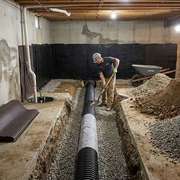
This can add significant time and cost, so it's crucial to have a contingency fund. If the excavation hits the water table, a dewatering plan will be needed. This may involve installing sump pumps and perimeter drains (often called weeping tile in North America or French drains elsewhere) to direct water away from the foundation.
Connecting an extension to an existing home
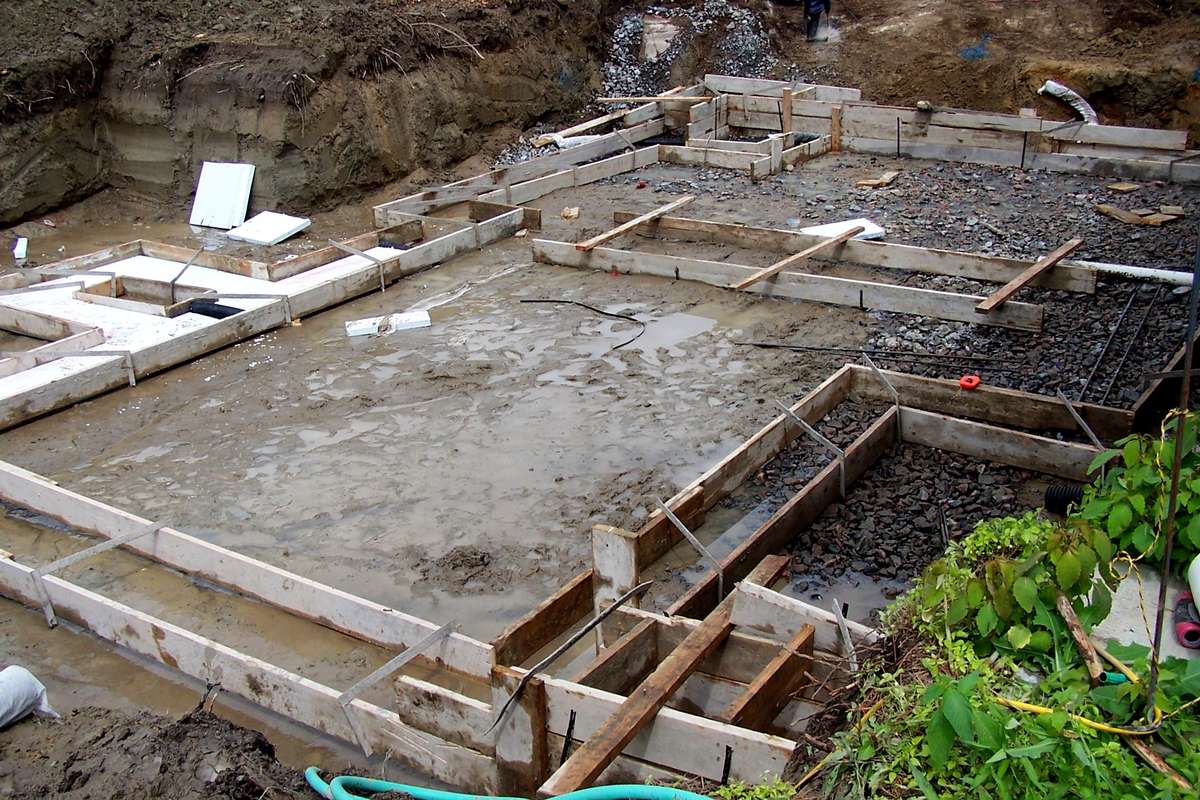
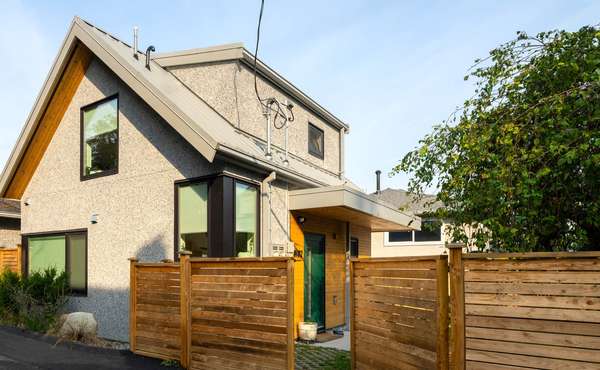
Adding an extension requires careful and precise excavation to connect to the existing home without undermining the stability of the original structure. Your contractor must carefully dig alongside the existing foundation. The new foundation must then be securely connected to the old one using rebar dowels drilled and epoxied into the existing concrete. An engineer should always be consulted to design this critical connection.
Finding and hiring the right excavation contractor
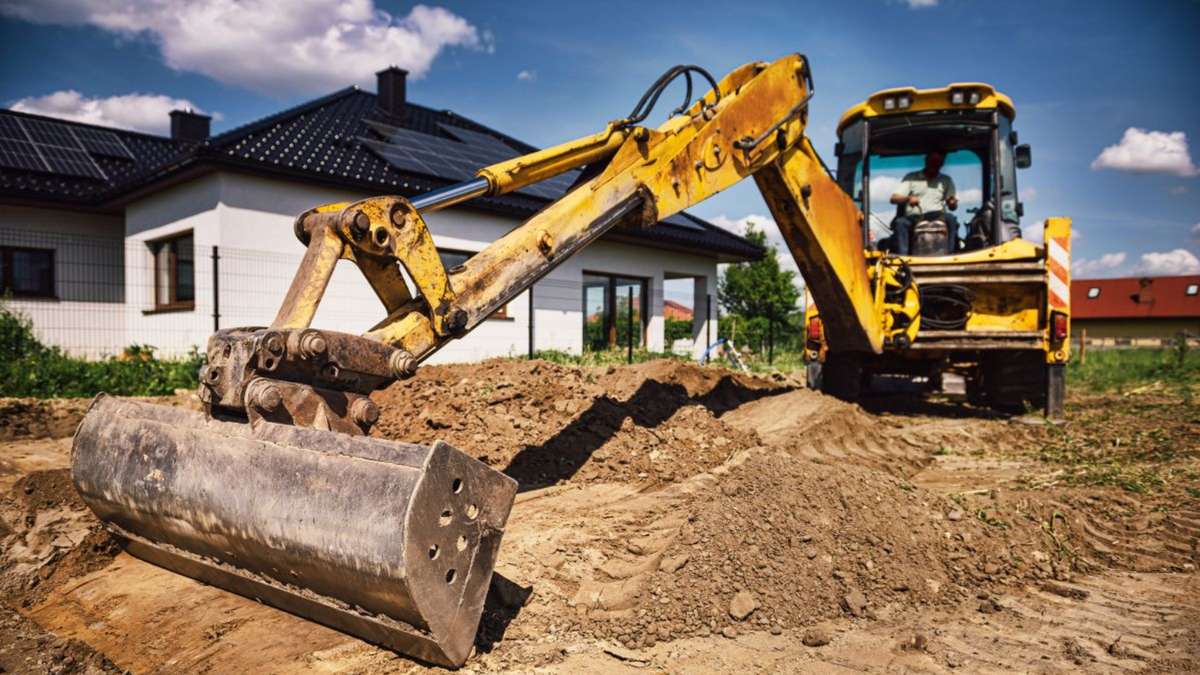
Your project's success hinges on finding and hiring the right excavation contractor, so avoid the temptation to make your selection based solely on the lowest bid. There is often a reason why someone comes in cheaper that may not be to your benefit.
For more help, read our guide on tips for how to choose a reputable general contractor. Ask for examples of similar projects, verify their insurance and licensing, and get a detailed quote. You can find trusted, vetted professionals in the Ecohome Network directory of excavation contractors.
Costs and budgeting for your excavation
Excavation costs vary dramatically based on location, soil type, foundation choice, and ease of access, so it is vital to get multiple quotes and budget accordingly. Costs in major cities like London or Sydney will be vastly different from those in rural North America. Always get multiple quotes from local contractors and have a contingency fund of 10-15% set aside to cover unforeseen challenges like hitting unexpected bedrock or dealing with contaminated soil.
Also, in cities or on previously used building lots, always expect the unexpected, and make sure that your contractor has checked for buried water mains or gas pipes before starting.

The essential takeaways: Sustainable excavation
The essential takeaways for sustainable excavation are that careful planning, choosing the right foundation, and implementing green techniques establish a resilient and environmentally responsible base for your home. Proper excavation is the unsung hero of a sustainable home build or renovation. By hiring a skilled contractor and managing your site effectively, you establish an efficient foundation that pays dividends in long-term performance, comfort, and peace of mind.
Now that you know more about sustainable excavation, find more info about resilient foundations & green building techniques in the Ecohome Green Building Guide and these pages below:
-
What to look for in a building lot when buying land to build a green home
-
Top tips for staying on budget when building a home
-
Slab-on-grade monolithic foundations: The detailed construction guide
-
How much insulation does a basement need?


Comments (0)
Sign Up to Comment