

Helical piles and screw piles: a homeowner's and pro's guide
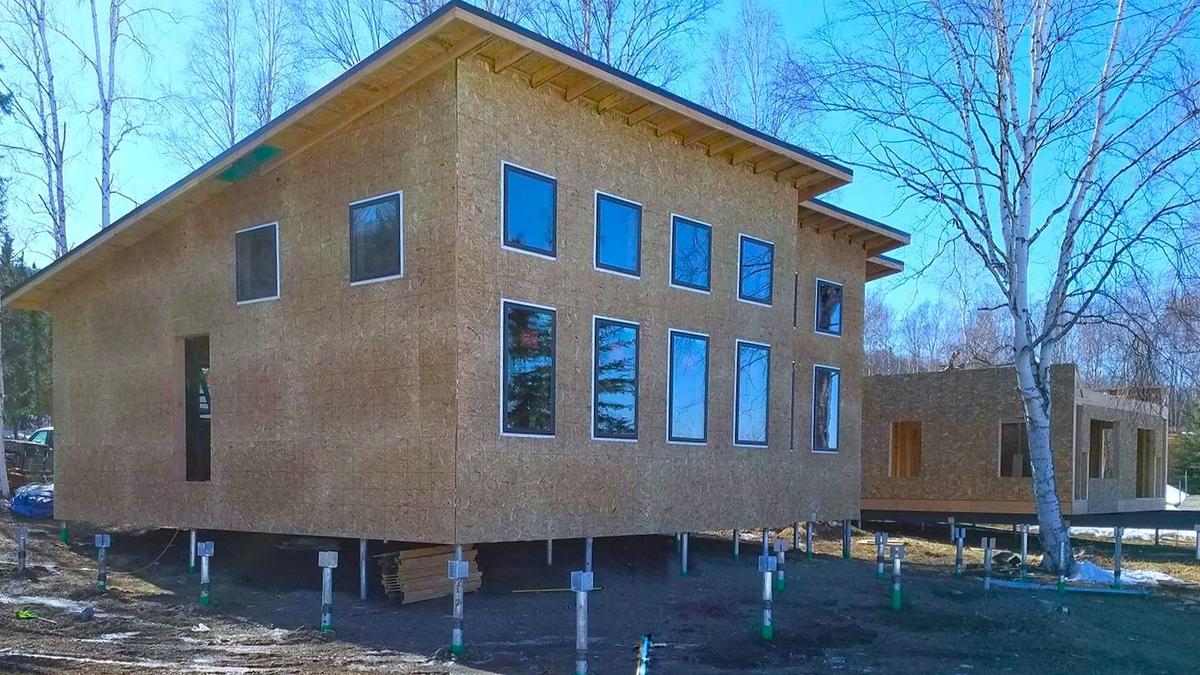
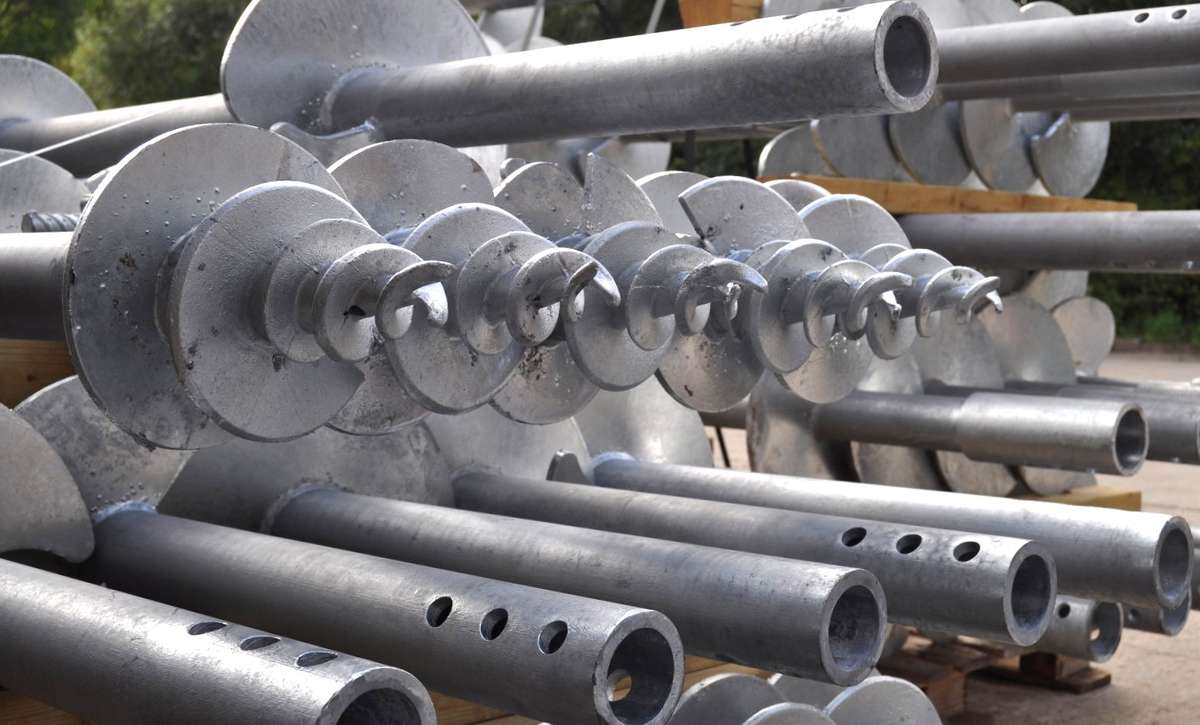
For challenging building sites or sustainable construction projects, helical piles - also known as screw piles or ground screws - are a modern, resilient, and often more affordable foundation solution. When faced with a sloped lot, poor soil quality, or an ecologically sensitive area, a traditional concrete foundation can be costly and destructive.
Helical piles offer a precise engineering alternative that allows a project to start on solid ground, no matter the site's challenges. This comprehensive guide explores why screw piles are the solution of choice for problematic terrains and covers everything homeowners and contractors across North America and beyond need to know.
- The ideal solution for problematic terrains
- Screw piles vs. concrete foundations: A comparison
- The installation process explained
- Building on piles: Crawlspace considerations
- Finding products and installers
- The essential takeaways: Helical piles
The ideal solution for problematic terrains
One of the greatest advantages of helical piles is their ability to overcome the challenges of problematic terrains that would make a conventional foundation difficult and expensive. By anchoring deep into stable soil below the surface, screw piles bypass issues within the upper soil layers.
Building on Slopes
Building on a slope with a concrete foundation requires massive excavation, costly retaining walls, and significantly disturbs the site. Helical piles eliminate this need. They can be installed to different depths to create a perfectly level building platform, following the natural topography of the land and preserving the slope's integrity.
Building in Flood Zones or on Poor Soil
In flood-prone areas or on clay, swampy, or unstable soils, a traditional foundation can shift or settle over time. Screw piles are drilled well below these problematic layers until they reach solid load-bearing ground or bedrock. The structure is therefore elevated and stable, safe from surface soil movements and minor flooding. This makes the purchase of a difficult lot a viable possibility.
Avoiding Frost Heave by Building on Screw Piles
Protecting homes and buildings in cold climates from structural damage caused by frost heave is essential for durability. In most parts of Canada and the northern United States, the ground freezes during the winter months to a depth of several feet and screw piles can be puched into the ground below that level.
Such ground freezing can lead to heaving of buildings located above or adjacent to it and can even cause horizontal rather than just vertical movement, this is where the specification of screw piles needs to take the frost line into consideration to avoid frost heave and for your new home to be durable.
Building in Dense Forests and for ADUs
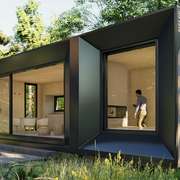
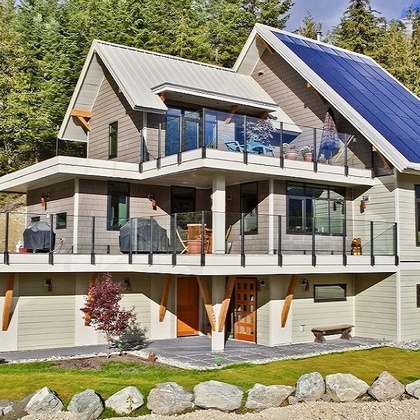
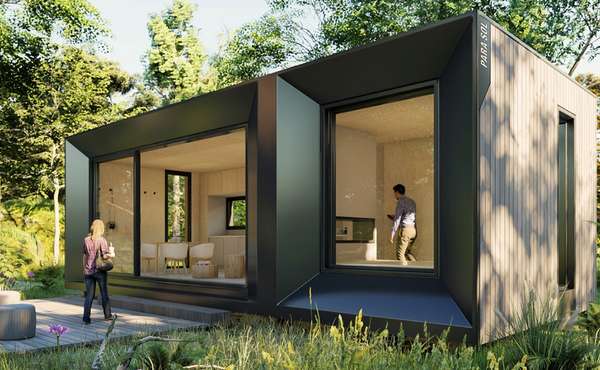
If you want to build a cottage, home, or prefab Accessory Dwelling Unit (ADU) in a forest without clear-cutting the trees, piles are the only solution. The machinery used is lightweight and can maneuver between trees. As there is no major excavation, the root systems of the surrounding trees are preserved, keeping the ecosystem intact.

Screw piles vs. concrete foundations: a comparison
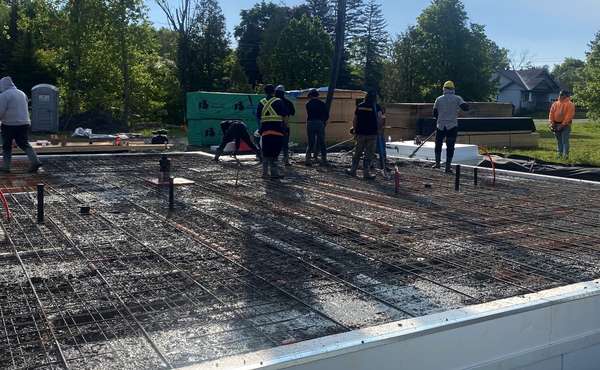
The choice between screw piles and a concrete foundation involves a trade-off between speed, cost, environmental impact, and the desire for a basement. A traditional concrete foundation requires a significant investment in time and materials, beginning with sustainable home foundations, followed by building forms, pouring concrete, and waiting for it to cure.
Screw piles, by contrast, can often be installed in a single day, require no excavation, use far less embodied carbon, and are ready to build on immediately. However, they create a crawlspace, so if a full basement is a requirement, a concrete foundation is necessary. Their speed and low impact make them a perfect match for the modern construction methods of the best prefab kit homes.

The installation process explained
The installation of helical piles is a precision engineering operation carried out by specialized contractors to guarantee the structure's stability and durability. First, an engineer determines the type of pile, the required depth, and the exact location of each pile based on the building's load and the soil type.
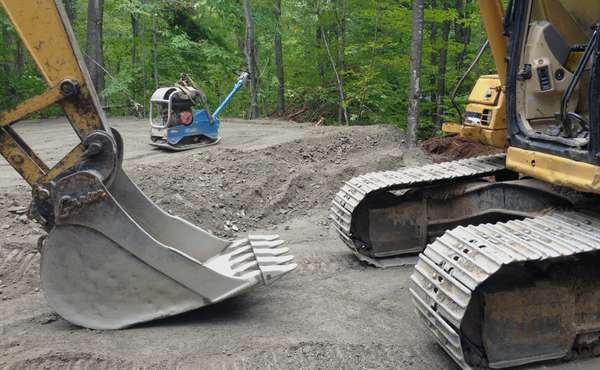
On the day of installation, a mini-excavator equipped with a hydraulic drive head screws each pile into the ground. The machine's torque is monitored in real-time to confirm that the pile has reached the load-bearing capacity required by the engineer's plan. Once all piles are installed, adjustable support plates are attached to the top, ready to receive the floor beams of the new structure.
Building on piles: crawlspace considerations
Building a sustainable home on piles involves important considerations for the floor, plumbing, and air quality to ensure its long-term performance. A house on piles is essentially a house with an elevated and exposed crawlspace. The floor above this space must be insulated to a very high level to prevent cold floors and heat loss.
All plumbing must be carefully insulated and protected from freezing. Furthermore, as with any crawlspace, it is essential to manage moisture and to learn about radon gas in crawlspaces, as this area can accumulate gases from the ground, which affects the health of the home.

Finding products and installers
To ensure the success and durability of your project, it is crucial to find quality products and certified installers. Building or renovating a home is a major project that requires a significant investment of time, money, and energy. It is therefore essential to build on solid ground!
There are several manufacturers of screw piles, and it is important to choose products that are certified by the relevant authorities for your region (e.g., CCMC in Canada, ICC-ES in the US). For installation, it is imperative to use a specialized contractor certified by the manufacturer. For advice on selection, consult our guide on hiring professionals.
The essential takeaways of helical piles
The essential takeaways for helical pile foundations are that they offer a fast, durable, and low-impact solution for a wide variety of difficult construction sites. This is an engineered system that, when designed and installed by qualified professionals, provides an exceptionally solid base.
By solving the problems of sloped lots, poor quality soils, and sensitive areas, screw piles make sustainable construction projects possible that would otherwise be impractical. The key to success lies in good engineering, the choice of certified products, and a professional installation.

Now that you know more about helical piles, find more info about sustainable foundations and green building techniques in the Ecohome Green Building Guide and these pages below:
-
Sustainable excavation and foundations guide
-
Polyisocyanurate foam insulation
-
Buying a building lot for a green home
-
Removing radon gas from crawlspaces














Comments (0)
Sign Up to Comment