






Insulated Concrete Forms (ICF Blocks); are they the best way to build a basement?
For decades, the highest standard for building a basement was a formwork of wood or steel, which is then filled with poured concrete and is stronger and less prone to water leaks than a CMU or stone foundation wall that are found on earlier homes. This method of poured in place concrete basement walls, while effective, has been surpassed in many ways by a more modern, high-performance alternative: Insulated Concrete Forms (ICF blocks).
An ICF foundation is no longer a niche building method; it's a mainstream solution that creates a more comfortable, durable, and energy-efficient home from the ground up. As a bonus it's also a lot quicker, and many construction contractors can feel confident enough to tackle ICF themselves instead of calling in the specialist concrete contractors who usually form basement walls.
This guide will help both homeowners and building professionals understand the core benefits of building with ICFs and why they are the choice for a truly high-performance basement. Below is an overview of the sections we will cover, allowing you to jump directly to the information you need.
- What are ICFs?
- ICF vs. poured concrete: Which is best?
- Energy efficiency and comfort with ICF homes
- Understanding thermal bridging
- Structural integrity and durability
- Cost considerations and installation
- Potential drawbacks and how to avoid them
- The ICF waterproofing solution
- Including exterior EPS foam in concrete forms
- In brief
What are Insulated Concrete Forms (ICFs)?
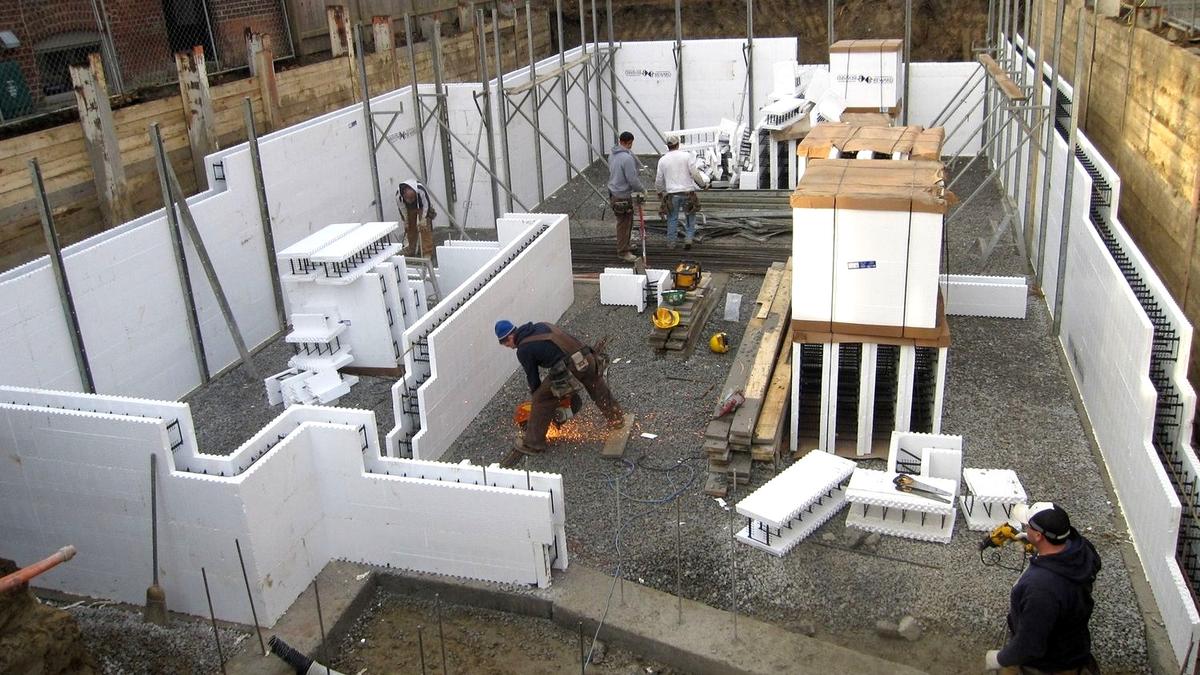
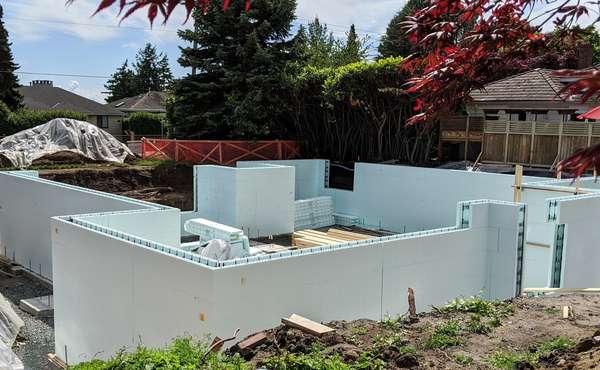
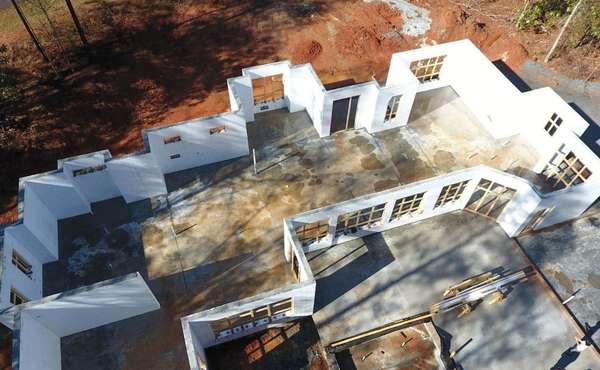
An ICF block is a lightweight, hollow form made of rigid insulating foam, typically expanded polystyrene (EPS) or extruded polystyrene (XPS). These forms are stacked together to create the framework for a building's walls "just like LEGO® blocks" - (I wish I had a dollar for every time I've heard that phrase!)
Once the forms are in place, steel reinforcement (rebar) or GRP rebar (depending on your engineer's specifications) is positioned inside, and a concrete truck pumps a continuous flow of concrete into the core. The concrete cures within the forms, which are left in place to provide a permanent layer of insulation and a substrate for interior and exterior finishes.
Image © Energywise Sustainable Products LLC
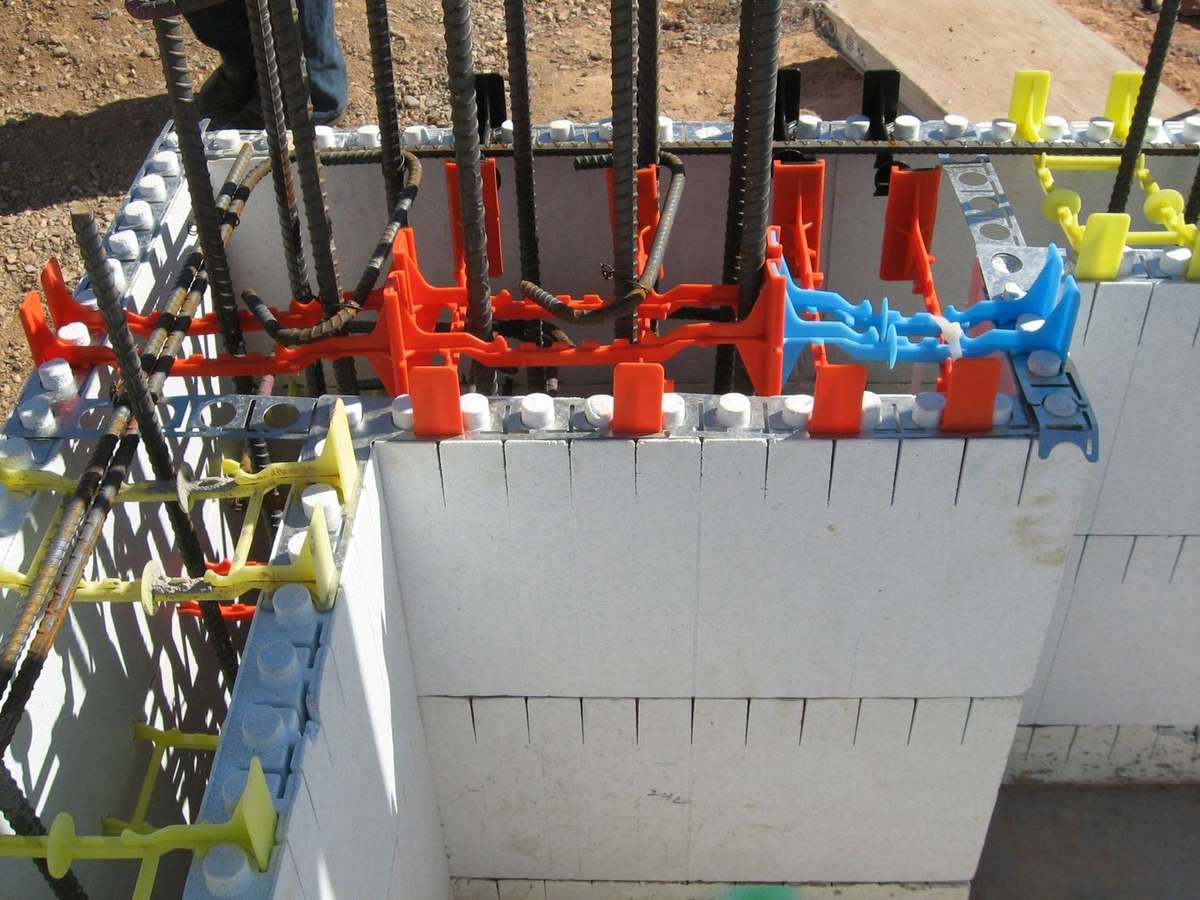
The system works by combining two critical elements: the incredible strength and durability of reinforced concrete with the high thermal performance of continuous insulation. The result is a single wall system that is strong, highly energy-efficient, and resistant to moisture and pests. If you want to learn more about the history of ICF blocks and you've got 15 minutes to spare, read this!
ICF walls vs. poured concrete basements: which is best?
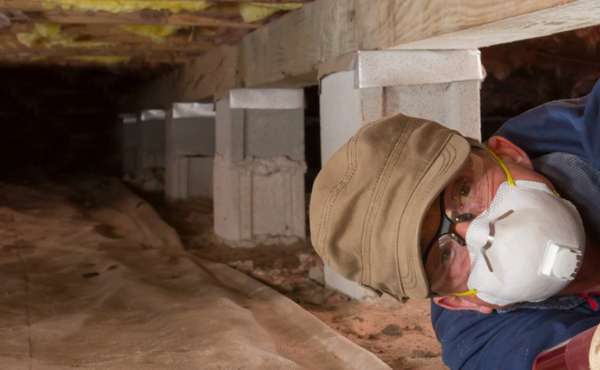
The first thing to realize, is that the way typical tract home developers build basements, falls short on durability and energy efficiency for a few reasons. You can build a very efficient and durable, healthy basement, but for some reason those ones are the exception, not the norm.
Building code is obsolete in most areas, but building to code is the cheapest and most profitable way to build homes. So we can hardly fault builders for meeting the bare minimum standards in code as that is how they make the most money. See our page here about why basements are moldy and how to prevent mold to get an undertanding of why they fail, and how to build them better.
And here is our best practices for efficient and durable basement construction page, where you can see what a properly built basement looks like. But it's not often that you see a basement built to such high standards, so this page is really about comparing the average insulated and finished basement to ICF.
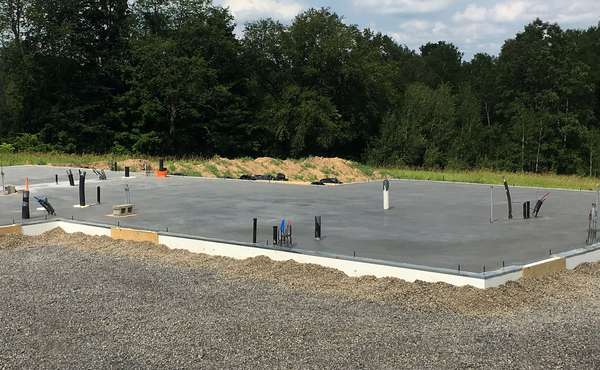
While both methods rely on concrete to provide the load bearing structure of basement foundation, they are fundamentally different in their long-term performance. Standard poured concrete is a proven and robust method, but it is also a thermal conductor.
A poured concrete wall without insulation requires a secondary process to add insulation, typically on the interior of the wall. This can introduce complexities and vulnerabilities. ICFs, on the other hand, build the concrete structure and insulate it at the same time, resulting in a superior, single-step system.

Why ICFs are a great choice for a sustainable home basement
ICF blocks simplify the construction process by combining several steps into one and doing it well. This saves time and labour costs. Because the insulation is an integral part of the wall system, it creates an exceptionally airtight and thermally efficient envelope, leading to significant energy savings over the life of the home.
This integrated approach also creates a much more comfortable living space in the basement by preventing the condensation and dampness often found in conventionally built basements.
Which ICF Block is the best for building a basement?
The debate about which are the best ICF blocks is one that contractors and specifiers have discussed almost as long as the second ICF block hit the market! When choosing Insulated Concrete Forms (ICFs) for a basement, a few key elements determine how the final wall will perform. The most important is the insulation value (R-value), which comes from the thickness and density of the foam panels; a higher R-value means less heat will escape through the basement walls.
Just as crucial is the block's structural design, specifically the internal plastic webs that connect the foam panels and hold the concrete until it is set, and the interlocking system of ridges and grooves that allows the blocks to stack together tightly like building blocks. A well-designed interlock and strong web system ensure the wall is straight and can withstand the pressure of the concrete pour, ultimately creating a solid, well-insulated foundation.
Energy efficiency and comfort with ICF homes
The most significant advantage of an ICF basement is its superior thermal performance. The continuous layer of insulation on both the interior and exterior of the concrete wall creates an R-value of at least R-20 (RSI 3.52) and, in some systems, up to R-50 (RSI 8.8). This high R-value is crucial for reducing heat loss and gain, making the basement much easier and less expensive to heat and cool.
This goes beyond simple R-value. The key benefit is that the insulation is continuous, eliminating thermal bridging, which is a major source of heat loss in traditional basement walls.
Understanding thermal bridging
Thermal bridging is a phenomenon where heat escapes or enters a building envelope through a highly conductive material, like wood or steel studs. In a conventionally framed basement, the concrete wall itself and the wood studs that are later added for interior finishing can act as thermal bridges, creating cold spots and undermining the effectiveness of the insulation. These cold spots can also lead to condensation and an increased risk of mould.
Because ICFs encase the entire concrete wall in a continuous blanket of foam, there are no thermal bridges. This results in a basement that is warmer in winter, cooler in summer, and much drier year-round, making it a comfortable and healthy space for your family. If you'd like to learn more about how thermal bridging impacts your home, check out our guide on the subject: What is a Thermal Bridge and Why is it so Important to Break It?
Structural integrity and durability
ICF basements are incredibly strong. The monolithic concrete core is reinforced with steel rebar, creating a structure that is highly resistant to both vertical and horizontal forces. This makes them an excellent choice in areas prone to seismic activity or extreme weather events, such as hurricanes or tornadoes.
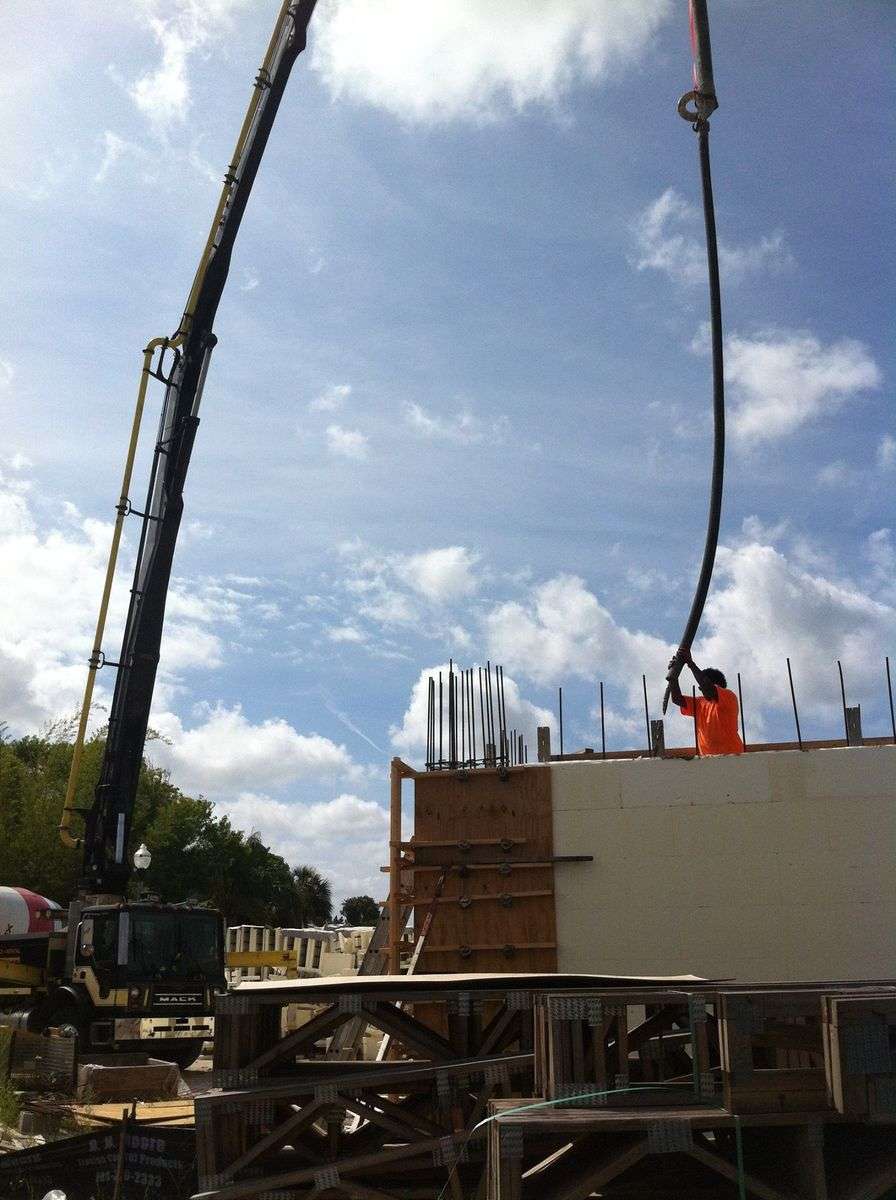
The forms also provide a protected environment for the concrete to cure, which allows it to reach its maximum compressive strength and helps prevent cracking. The combined strength of the reinforced concrete and the insulation makes the walls highly durable, with a far longer lifespan than that of typical wood-frame construction above grade.
Cost considerations and installation
The initial cost of ICF materials is typically higher than that of traditional wood forms and concrete. However, this is often offset by reduced labour costs and a faster build time. Many ICF installers charge a competitive rate because the process of stacking the forms is much faster than building and stripping traditional formwork. Furthermore, the long-term energy savings and reduced maintenance costs will make ICFs a more affordable choice in the long run.
In North America, depending on the region and the specific project, building an ICF basement can add between 2% and 5% to the total construction cost of a new home. But it is important for homeowners and professionals to look at the whole picture and also to factor in the time savings of building the basement from ICF blocks.
When you factor in the money saved on separate insulation, interior stud framing, and the long-term energy savings from a superior building envelope, ICFs will offer a better return on investment over the life of the building.
Potential drawbacks and how to avoid them
The primary challenge with ICFs is ensuring a proper installation. Improper bracing during the pour can lead to bowed or bulged walls. Hiring qualified and experienced ICF contractors is the crucial first step to a successful project.
Another consideration is the need for a robust ventilation strategy. Because ICF construction creates such an airtight building envelope, it is essential to install a mechanical ventilation system, such as a Heat Recovery Ventilator (HRV). This ensures that a continuous supply of fresh, filtered air is brought into the home, and stale air is exhausted, preventing the buildup of moisture, pollutants, and allergens that can harm healthy indoor air quality.
If you live in an area that repeatedly gets affected by wildfire smoke, you might also want to consider building in an effective air filtration and purification system - especially at an exclusive promo deal for being an Ecohome member!
The ICF waterproofing solution
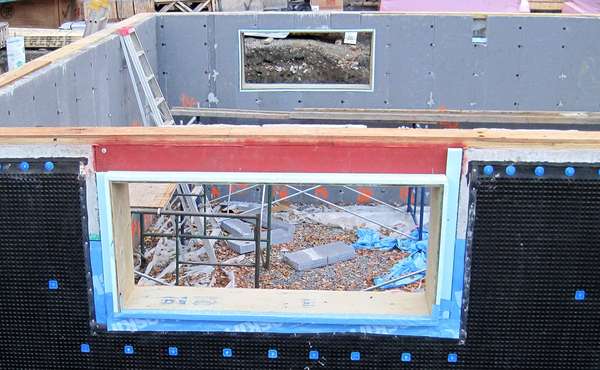
While the foam shell of ICFs is highly water resistant, it is not waterproof. A critical part of any ICF foundation build is a high-quality waterproofing membrane applied to the exterior. This is the same practice as with traditional poured concrete, but the smooth, continuous surface of an ICF wall makes for an ideal surface for waterproofing products, reducing the risk of water penetration and keeping your basement dry and healthy for decades to come.
Whether you choose a liquid-applied membrane, a self-adhering sheet, or a spray-on product, proper waterproofing is essential to the long-term performance and durability of your basement. It's a non-negotiable step that protects your investment and ensures your basement remains a comfortable living space.
Make sure that the waterproofing membrane laps down over the outer lip of the foundation and that you place the perimeter drain at that level, and we would recommend protecting the membrane and producing a vertical drainage plane by using a dimple board against it before you backfill.
Including exterior EPS foam in concrete forms
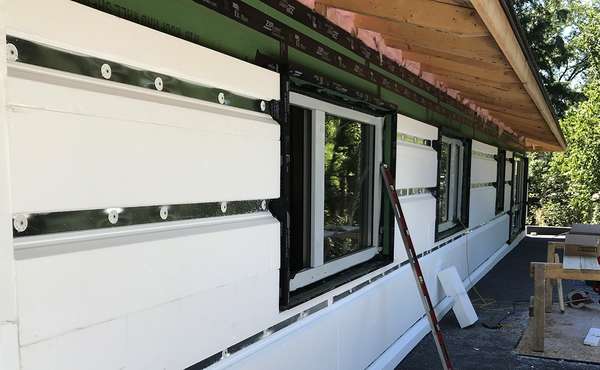
Another alternative to ICF blocks for basements is widening regular forms to include EPS foam (with protruding fasteners) is a rarely employed construction method, but a completely viable option for sustainable healthy basements. I learned of this technique when it was proposed to me by my foundation contractor 20 years ago.
At his suggestion, my forms were widened by 5 inches to include EPS inside the forms with plastic clips facing inward to be set in the concrete. So when the forms were removed, my foundation was fully insulated similar to ICF. My plan had been to attach EPS afterward, so I was quite pleased that this easy solution I had not considered saved me a ton of time by not having to attach the foam afterwards.
This foundation insulating method brings similar benefits as to ICF in terms of exterior insulation and better protection from moisture infiltration. The exterior waterproofing and finishing methods are the same as with ICF. The difference is that you have no interior insulation, just bare concrete walls.
When the exterior of a foundation is fully insulated with EPS, finishing interior walls is easy. You don't need a vapor barrier or insulation, all you have to do is build a non-load bearing stud wall to accommodate wiring and drywall.
Bear in mind though that with an ICF block basement you don't have to build a stud wall at all - you just screw the drywall directly to the plastic furring strips or pads embedded in the EPS foam - which in a very wet climate like the Pacific Northwest is simply less wood to eventually go moldy or rotten!
This method leaves the foundation wall fully insulated, fully protected from moisture, and able to dry to the interior. Important note - you should never put a vapor barrier on the interior of insulated basement walls, no matter what code says.
In brief
ICFs represent significant advantages for building a basement in residential construction. By combining a building’s structure and its insulation into a single, seamless step, ICFs create a foundation that is stronger, more durable, and vastly more energy-efficient than traditional alternatives.
While they may have a slightly higher upfront cost, the much faster basement build time and long-term benefits in energy savings, comfort, and peace of mind make them a smart investment for anyone building or extending a home.
Now that you know more about Insulated Concrete Forms for building a basement, find more info about high-performance building and green building techniques in the Ecohome Green Building Guide and these pages below:
-
Which is better - slab on grade, crawl space or a basement?
-
Why are basements moldy, and how to avoid mold when building basements
-
Thermal Wall insulation panels - how to improve the R value of ICF block walls
-
Stucco and parging - how to finish exterior EPS foam and ICF walls















Comments (0)
Sign Up to Comment