




Why wildfire smoke is a bigger threat than first thought
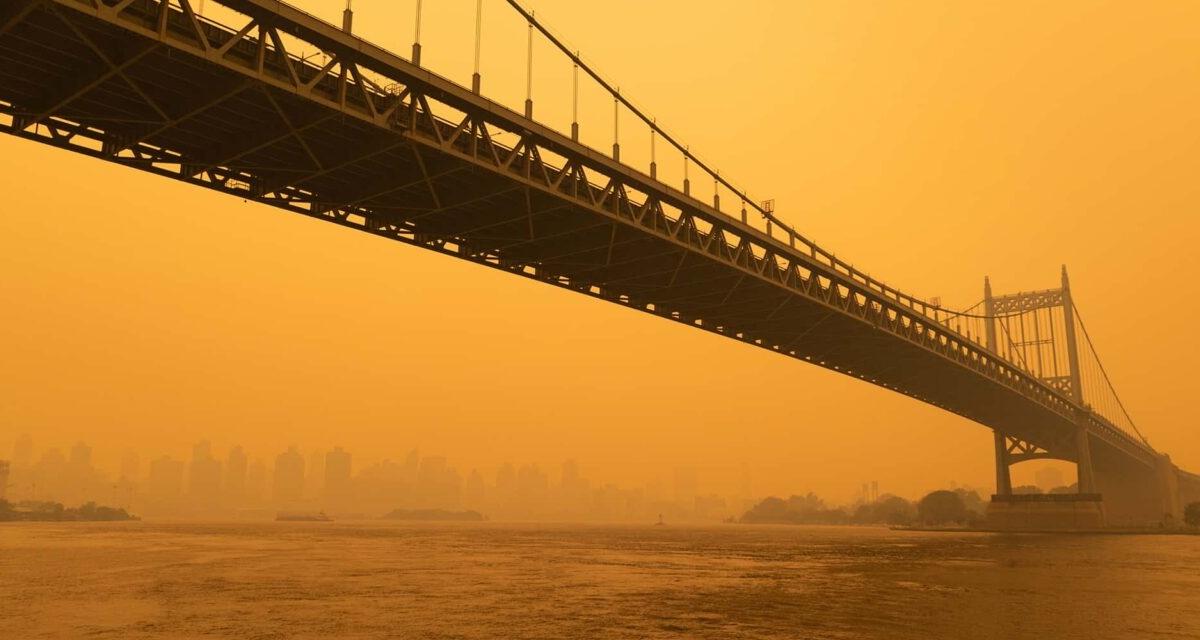
That hazy sky and the faint smell of smoke on the wind have become an unwelcome, yet familiar, part of summer for millions of us. For years, we've treated smoke and heatwaves as separate issues, but groundbreaking new research focused specifically on Vancouver, B.C., reveals they are a dangerously potent combination.
A recent study, published in the journal Nature Communications Earth & Environment[1], found that when extreme heat and heavy wildfire smoke occur on the same day, the risk of death more than doubles for residents. This isn't a small increase; it's a 112% jump in mortality risk, a statistic that demands we rethink how we protect ourselves from the dangers of fine particulates in wildfire smoke.
This guide will dive deeper into the science behind these health risks, explain what fine particulate matter (PM2.5) does to the human body, identify who is most vulnerable, and provide a comprehensive plan to ensure your home's indoor air quality (IAQ) remains a safe refuge when the air outside is smokey and therefore hazardous.
Wildfire smoke all across Canada and the US
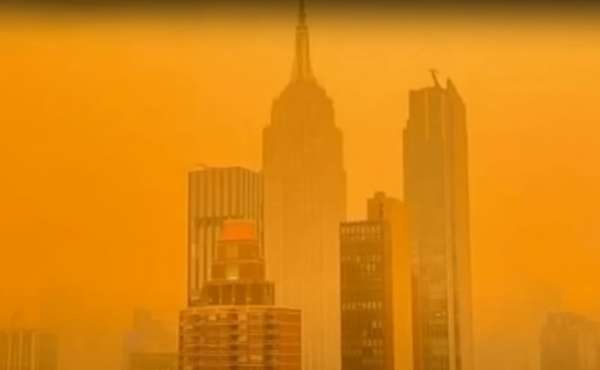
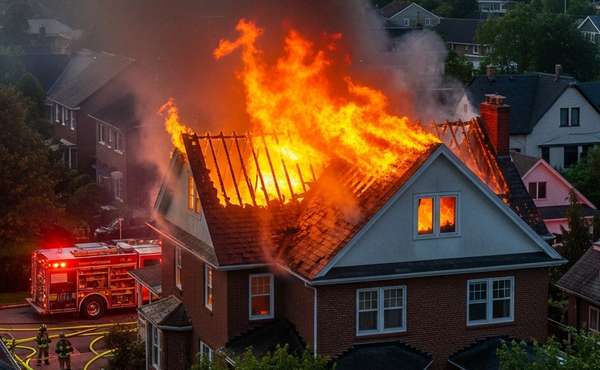
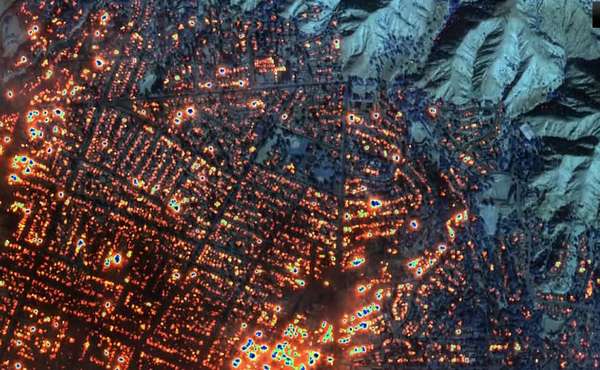
Wildfires are unpredictable and can happen in a wide range of forested areas, but there are hot spots where large-scale wildfires are more common. Wildfires are a regional event, but their smoke is a continental crisis. While the flames may be contained to hotspots in places like Oregon, California, or my own province of British Columbia, the fine particulate matter they produce travels on predictable atmospheric currents, creating a continent-wide health problem. As a resident here in southern B.C., my family is often first to see our skies turn a hazy orange from fires burning locally or just south of the border in Washington.
Our experience, however, is starkly different yet deeply connected to that of our team member, Mike Reynolds, who is based near Ottawa. For him, the threat isn’t from a nearby blaze but from smoke that has journeyed for days, creating a unique and dangerous dilemma for his family. He lives in a region with high radon levels, and his home’s radon mitigation system requires his mechanical heat recovery ventilation system (HRV) to run continuously to exhaust the dangerous gas - especially as Mike won the radon jackpot and even has radon pouring in from his well to deal with. During a wild fire smoke event, he faces an impossible choice: turn off the HRV to stop the smoke but risk radon exposure, or keep it on to mitigate radon but actively pull harmful PM2.5 particles into his home. Don't even talk to Mike on the days when he might need some extra cooling too during the shoulder seasons when he gets a little too much passive solar gain and he has to keep everything closed tight shut!
This is why for him, and millions like him, high-quality MERV 13+ filtration isn’t a luxury in the home; it’s an absolute necessity. His problem is fueled by smoke originating in Quebec and from fires as far away as Alberta, which first funnels across the prairies into the US Midwest, turning air quality to dangerous levels of fine particles in Chicago and Minneapolis, before continuing east across the Great Lakes to impact Toronto and finally, the nation’s capital Ottawa. That same plume often continues on to affect the entire US Northeast, including New York City, making it clear that no matter where we live, we are all downwind of a wildfire at some point in the year. Understanding how to manage and filter the air in our homes is now an essential health strategy for every family across North America.
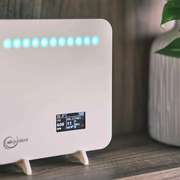
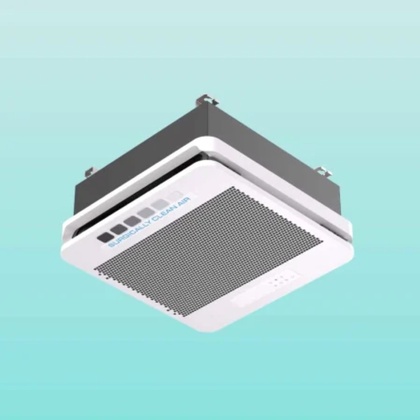
We asked an air purification expert to tell us more about the importance of air filtration in homes and the most important specifications to look out for: "When evaluating an indoor air purification system, consider its filtration capabilities, ensuring it includes multiple filtration stages such as HEPA-H13, activated carbon, a germicidal UV bulb, and a negative ion chamber to effectively target and remove specific airborne contaminants. The system should move at least 400 cubic feet of air per minute to adequately cover a typical 1,200 square foot home." recommends Dr. Nicholas M. Kavouklis, DMD, CEO & President, Surgically Clean Air, "It is also important for the system to operate quietly, ideally below 50 decibels, as normal conversation ranges from 60-65 decibels. Additionally, the controls should be easy to use, and the air purifier should be durable while also having an aesthetically pleasing design. These features are crucial for optimal air cleaning performance and customer satisfaction." He added.
All this to say, wildfires are also proving to be larger and more common than in decades past, largely attributed to climate change and seasonal changes to weather patterns and the location of climate zones. So no matter where we live, there is generally some health risk of contaminated air from fires.
The invisible danger: What is PM2.5 in smoke and how does it harm you?
When we talk about the health risks of smoke, we're primarily focused on a toxic mix of gases and fine particulate matter, specifically PM2.5. These are microscopic particles less than 2.5 micrometers in diameter (about 30 times smaller than the width of a human hair). Their incredibly small size allows them to bypass our body's natural defenses, like nose hairs and mucus, and penetrate deep into the alveoli of our lungs. From there, they can pass directly into the bloodstream.
Once circulating in your body, these particles act as systemic irritants, causing inflammation far beyond the lungs. Public health agencies like the EPA and Health Canada link PM2.5 exposure directly to a cascade of serious health issues:
- Respiratory system: PM2.5 can trigger asthma attacks, worsen COPD, and increase susceptibility to respiratory infections. Common symptoms include everything from a sore throat and coughing to severe wheezing and shortness of breath.
- Cardiovascular system: The inflammation caused by these particles can affect blood vessels, increase the risk of blood clots, and trigger heart attacks, strokes, and cardiac arrhythmias, even in otherwise healthy individuals.
- Neurological system: Emerging research suggests a link between fine particle exposure and neurological issues, as particles may cross the blood-brain barrier.
The Vancouver study of June 2025[1] underscores this by showing that even on days with only wildfire smoke (and no extreme heat), the mortality risk still increased by 23%. This confirms that particulate matter pollution is a significant health threat on its own, and we really need to pay more attention to the dangers of smoke outside and in our homes and offices.
Who is most at risk from poor indoor air quality?
While everyone is affected by wildfire smoke, some groups are significantly more vulnerable to severe health effects due to physiological or environmental factors. It is crucial for architects, designers, and community members to recognize these at-risk populations and prioritize their safety during smoke events from the increased wildfire activity we've seen in recent years.
- People with pre-existing conditions: This is the most vulnerable group. Anyone with asthma, COPD, heart disease, high blood pressure, diabetes, or other chronic respiratory or cardiovascular conditions must take extra precautions if there is smoke in the air.
- Infants and young children: Their respiratory and immune systems are still developing, and they breathe in more air relative to their body size, leading to a higher dose of smoke and pollutants.
- Seniors: Older adults are more likely to have undiagnosed heart or lung conditions and a reduced ability to compensate for the stress placed on the body by air pollution and the fine particles when it's smoky.
- Pregnant people: Exposure to air pollution and smoke particles can impact fetal development and has been linked to outcomes like low birth weight and pre-term birth.
- People who work or exercise outdoors: They face prolonged exposure and their increased respiration rate causes them to inhale a greater volume of smoke and pollutants from vehicles. I've never been that much into running or even jogging, so now I have a scientific reason not to do it for most of the summer at least!
A layered defense from smoke: Creating a clean air shelter in your home
When wildfire smoke is in the forecast, you need a multi-step plan. Monitoring your local Air Quality Health Index (AQHI) is the first step to stay informed. When smoke or fine particulate levels rise, your goal is to minimize your exposure and turn your home into a clean air shelter, especially for vulnerable family members.
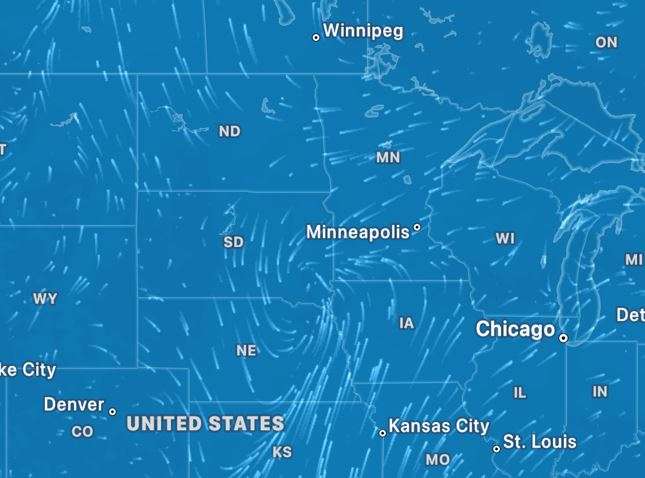
1a. Track wildfire smoke on weather apps (iphone)
None of us need to be surprised by the arrival of wildfire smoke, you should be able to see it coming using most weather apps on mobile devices. If you make a habit of checking the air quality map on your weather app you can see potential smoke events early. By also watching the wind pattern map you can gain a reasonable idea of how at risk you are, and when, so you can make preparations.
1b. Set alerts for wildfire smoke on weather apps (android)
It's easy to get alerts of poor air quality and wildfire smoke on Android powered phones. We know that we have around a 50/50 split between the iphone and android user community - so here are a few of the android apps I like and why I like them. You see I like my phone to tell me when I need to shelter or take precautions, so I like the apps that give me alerts and that I can customise as my daughter Mimi has asthma.
The WeatherCAN app allows you to set notifications for specific locations and AQHI levels, while the Pixel's At a Glance widget displays air quality information and provides a link to more details. Additionally, the AirVisual app offers customizable daily and threshold notifications for air quality - these 3 are our Android favorites, if you like other ones please drop them in the comments below. (Yes, sorry Mike, that might keep you busy!)
Here's a more detailed breakdown for android users:
Using the WeatherCAN app:
Download the Get WeatherCAN app from the Google Play Store and open it.
- Access notifications: Go to the menu (top left corner) and select "Notifications," then "AQHI".
- Set your preferences: Choose your current location or other locations and set the AQHI rating level that will trigger an alert.
Using Pixel's "At a Glance" widget:
- Enable Air Quality alerts: Go to Google Assistant settings > At a Glance and ensure "Air Quality" is turned on.
- View alerts: Air Quality information will be displayed on your lock screen and home screen, alongside the weather.
- Get details: Tapping the alert will open Google Search with more information about the air quality in your area.

Using the AirVisual app:
- Download and open the app: Find AirVisual on the Google Play Store.
- Access settings: Go to the settings menu (usually on the top right of the "My Air" page).
- Customize notifications: You can set daily updates or threshold alerts for specific locations and AQI levels.
2. Seal your building envelope against smoke
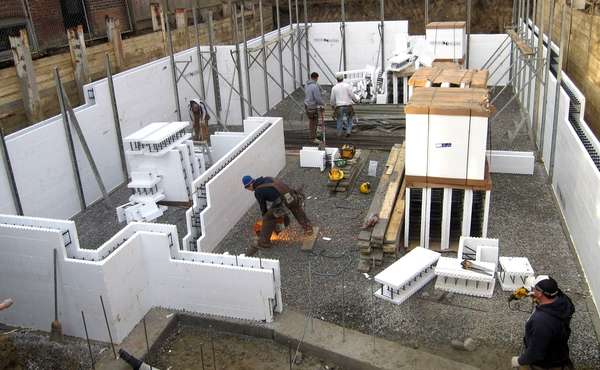
If you know smoke is heading your way, your home's first line of defense is stopping polluted air from getting in. Air infiltration through unsealed gaps can quickly compromise your interior air quality, as well as lose you money on heating or cooling the home and causing interstitial condensation and wood decay. For anyone serious about maintaining a healthy IAQ, addressing air leakage is the essential first step. You can learn more about sealing your home with our detailed guide on: Why the airtight construction of homes is essential.
If you have a modern home that is already very well sealed against air leaks, and relies on a mechanical ventilation system like a HRV or ERV, you need to read: How to stop smoke from wildfires getting in homes with an ERV or HRV system here.
3. Filter the air inside your home
Once you've reduced infiltration of smoke into the home, the next step is to actively remove particles that have already entered. This is the most effective way to lower the concentration of PM2.5 in your living space and there are numerous different options for this - some more effective than others:
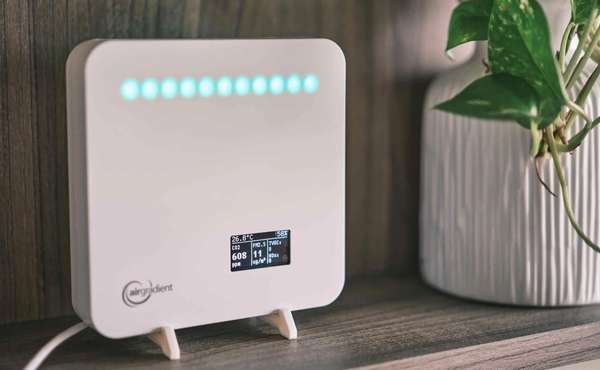
- If you have a recent blown-air furnace with air conditioning (or it's smoky and cold so you have the heating on) at the very least, upgrade your HVAC / HRV filters: The standard, cheap fiberglass filters in most furnaces and ventilation systems do very little to stop the PM2.5 fine particles in the air being circulated by your HVAC system. You must upgrade to a high-efficiency filter with a MERV rating of 13 or higher if your furnace can handle it. Check your system's manual to ensure it can handle the increased airflow resistance of a thicker filter, then go and buy one from a reputable brand locally or directly online here or alternatively, buy a high quality Air Purifier (especially at exclusive Ecohome member pricing)
- Create a dedicated clean air room away from the smoke: It can be difficult to filter an entire house. Designate one room, usually a bedroom, as your clean air shelter. Close the doors and windows, tape them shut with painters tape if you've any doubts how good the window seals are, and use a high quality portable air cleaner with an effective HEPA filter inside. Running the air purifier continuously will significantly lower the particle count in that room, providing a safe space for sleeping.
- Build a DIY Corsi-Rosenthal box and filter all the air: For a pretty effective, budget-friendly option, you can build a Corsi-Rosenthal box. This involves attaching four high-quality MERV-13 filters to the sides of a box fan, creating a powerful DIY air purifier that can clean a large volume of air. It's not for everyone, and you'll need to plan ahead and have access to an aircraft hangar to store it for the other 10 1/2 months of the year, but hey, see have to cater for every demographic here on Ecohome!
- Manage your home's air pressure, and keep that smoky air out: Be mindful of exhaust fans. Running a bathroom fan, kitchen range hood, or clothes dryer creates negative pressure, actively pulling smoky makeup air into your home through any available cracks. Use them as sparingly as possible during a smoke event.

4. Don't add to the indoor fine particulate pollution
When the air outside is smoky and bad, it's critical to avoid making the indoor air quality (IAQ) worse. Avoid these activities if at all possible:
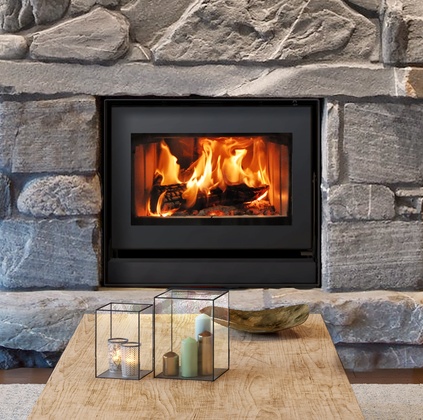
- Do not burn anything. This includes candles, incense, wood fireplaces, and even gas stoves, which release their own harmful particulates (and remember, you shouldn't use your stove hood during a wildfire).
- Avoid frying or broiling food, as this can create a significant amount of indoor smoke and particles, and yes, sorry but this includes the air fryer. Opt for boiling, steaming, or using a microwave instead - or eat sandwiches and soup.
- Do not vacuum unless your vacuum has a certified, sealed HEPA filter. A standard vacuum will simply kick up fine dust and particles that have settled on surfaces, making them airborne again. Also, if you have a central vacuum system with the cannister outside, again, it's best not to run it and create negative air pressure inside the home, dragging smoky air in from outside.
5. If you must go outside while it's smoky
Sometimes going outside is unavoidable (I know, this may come as a shock to some of you!). If you do have to go outside, a well-fitted N95 or KN95 respirator mask is your best defense, as it is designed to filter out at least 95% of airborne particles, including PM2.5 - but only if you wear it all the time, and cover your mouth and your nose, and pinch the metal part tight, and that includes you too Granny - (sorry, in-house joke). Simple cloth and free blue surgical masks from the doctors do not create a proper seal and do not effectively filter these tiny particles; they should not be relied upon for protection during smoke events.
I'm even going to suggest that wearing a mask in the car is probably a good plan if it's super smoky outside - unless your car has a very high level of cabin filter fitted - and yes, it wasn't that long ago that I would have something to say about this...
Conclusion: Preparing for a safe and smoke-free future
The increasing frequency and intensity of wildfires, compounded by extreme heat, means that smoke events are no longer a rare inconvenience but a serious and predictable public health threat. The latest science from studies in British Columbia are a clear call to action. For homeowners, this means taking proactive steps to seal, filter, and purify your indoor air.
For architects and designers, it means making resilient design choices like specifying high-MERV filtration in all ventilation systems and prioritizing airtight construction. As the quality of our exterior air becomes less reliable, the quality of our interior air is more important than ever.
Now you know more about how to protect your home air quality and how to keep wildfire smoke out of homes. Find more pages about healthy indoor air quality and sustainable home building in the pages below and the Ecohome Green Building Guide pages.
-
How to keep home ventilation systems operating well - see our HRV and ERV maintenance tips
-
Get Surgically Clean Air purifiers at the Best Promo Prices, with Ecohome
-
Furnace and air filter buyers guide - Hepa, smart or standard, which is best?
-
Which plants are best for purifying indoor air? Ecohome investigates
-
A comprensive guide to air cleaning and filtration in homes
Learn more about green home construction and reap the benefits of a free Ecohome Network Membership here.
[1] Nature Communications Earth & Environment: The synergistic effects of PM2.5 and high temperature on community mortality in British Columbia




Comments (0)
Sign Up to Comment