









Carbon monoxide prevention and detection: protecting your air quality from dangerous gases
Carbon monoxide (CO) is often referred to as the silent killer in homes because it is an odorless, colorless, and tasteless gas that can reach lethal concentrations inside a home without occupants ever realizing it.
For homeowners and building professionals, understanding what causes carbon monoxide in homes, the health risks, and the solutions is critically important for safeguarding the air in homes.
Here we discuss the difference in certified detection systems, and the nuances of regional building codes and their requirements for ensuring life safety. And just like other categories of building code, this is not a place where you want to go the easiest solution or celebrate that code in your area doesn't have any such requirements. Nothing stops you from building beyond code for your own benefit and safety.
This guide provides a comprehensive technical and practical overview of preventing CO accumulation and selecting the most effective detection technology for modern high-performance homes.
- Common sources of carbon monoxide in the home
- Prevention strategies and risk mitigation
- Choosing detection technology: dedicated vs. combination alarms
- Installation requirements and global building codes
- In brief
Common sources of carbon monoxide in the home
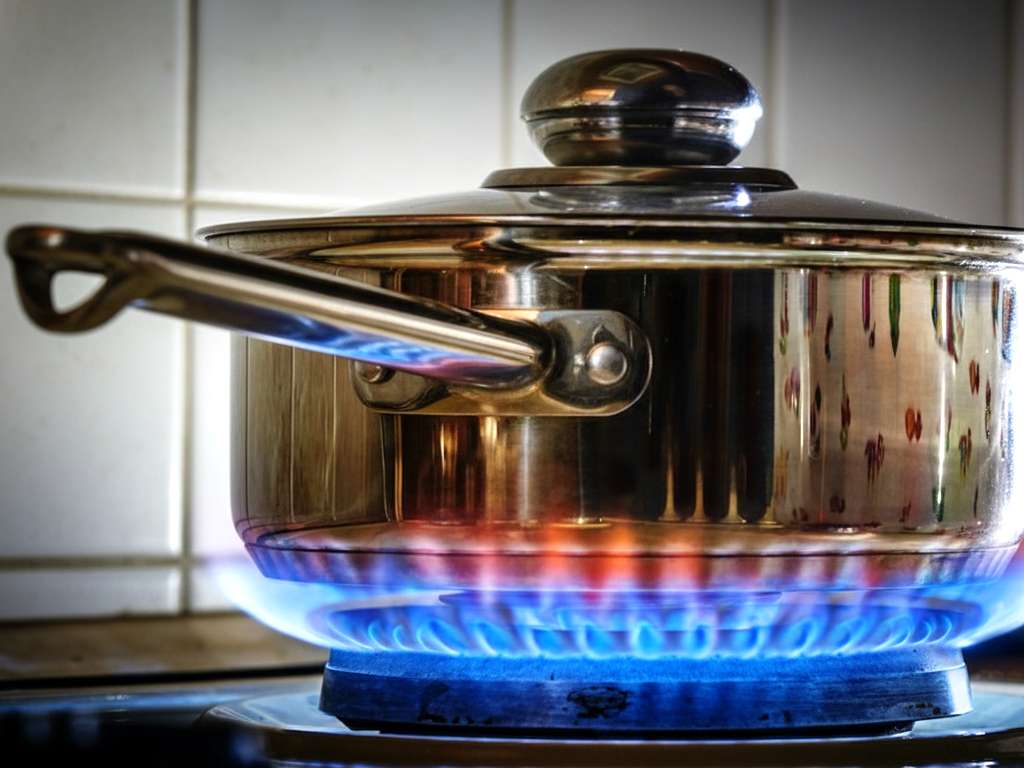
In the most simple terms, carbon monoxide is a byproduct of the incomplete combustion of carbon-based fuels. In a perfectly functioning system, combustion produces carbon dioxide and water vapor, but mechanical failure or insufficient oxygen leads to CO production. For the builders, identifying potential weak links in the building envelope and mechanical systems is the first step in risk assessment.
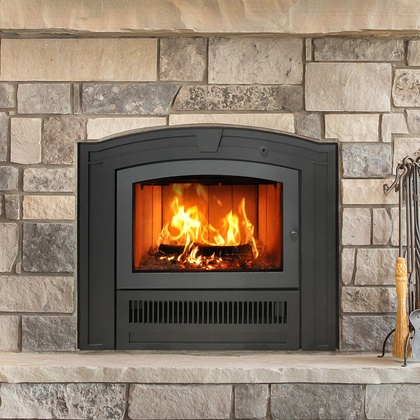
- Heating systems: Gas or oil furnaces, boilers, and wood-burning stoves are the most common interior sources, especially if heat exchangers are cracked or flues are blocked.
- Water heaters: Natural gas or propane-fired water heaters can backdraft CO into the living space if venting systems are improperly sized or obstructed.
- Attached garages: Idling a vehicle in a garage, even with the door open, can allow CO to infiltrate the home through air leaks in the shared wall or ceiling assembly.
- Portable equipment: Using gas-powered generators, charcoal grills, or camp stoves inside or too close to windows and doors (within 20 feet (6 meters)) is a frequent cause of accidental poisoning during power outages.
Prevention strategies and risk mitigation
Prevention is the primary line of defense. Homeowners should schedule annual inspections, while contractors must ensure that all combustion equipment is sealed-combustion or direct-vented to minimize backdrafting risks.
Annual maintenance and inspections
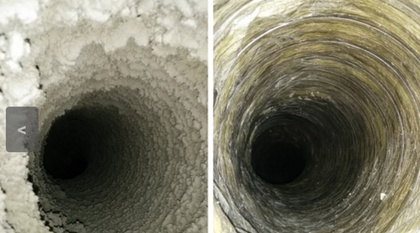
All fuel-burning appliances should be inspected by a local qualified HVAC technician every year. This includes checking the integrity of the chimney liner and ensuring that 1 inch (2.5 cm) or larger cracks in masonry flues are repaired to prevent leakage. For those using wood stoves, regular chimney cleaning is vital to prevent creosote buildup that can restrict airflow and cause CO to spill back into the room.
The role of ventilation systems
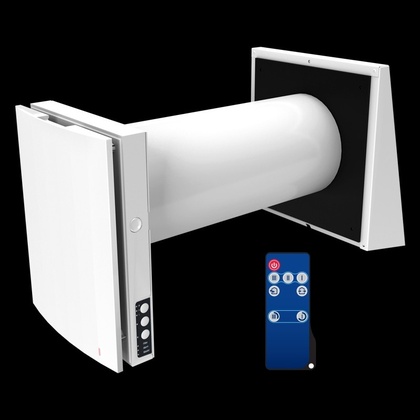
In airtight, high-performance homes, mechanical ventilation is critical. Systems like Heat Recovery Ventilators (HRVs) and Energy Recovery Ventilators (ERVs) help maintain balanced air pressure in homes, reducing the likelihood of a house becoming depressurized and "sucking" exhaust gases back down a flue.
Choosing detection technology: dedicated vs. combination alarms
When selecting a detector, the choice often comes down to dedicated CO alarms versus combination smoke and carbon monoxide detectors. Each has specific advantages depending on the application and the professional's recommendation.
Dedicated carbon monoxide detectors
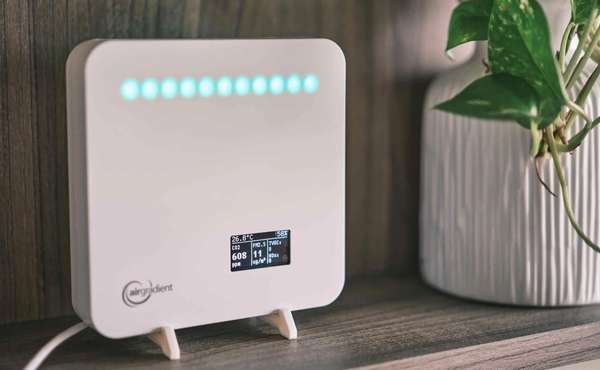
Dedicated units are often preferred by safety professionals because they can be placed at breathing height. Unlike smoke, which rises quickly to the ceiling, CO is roughly the same density as air and distributes relatively evenly throughout a room. A dedicated plug-in unit with a digital display is highly recommended, as it allows you to see low-level CO concentrations (below the alarm threshold) that might indicate a chronic, small leak.
Combination smoke and CO detectors
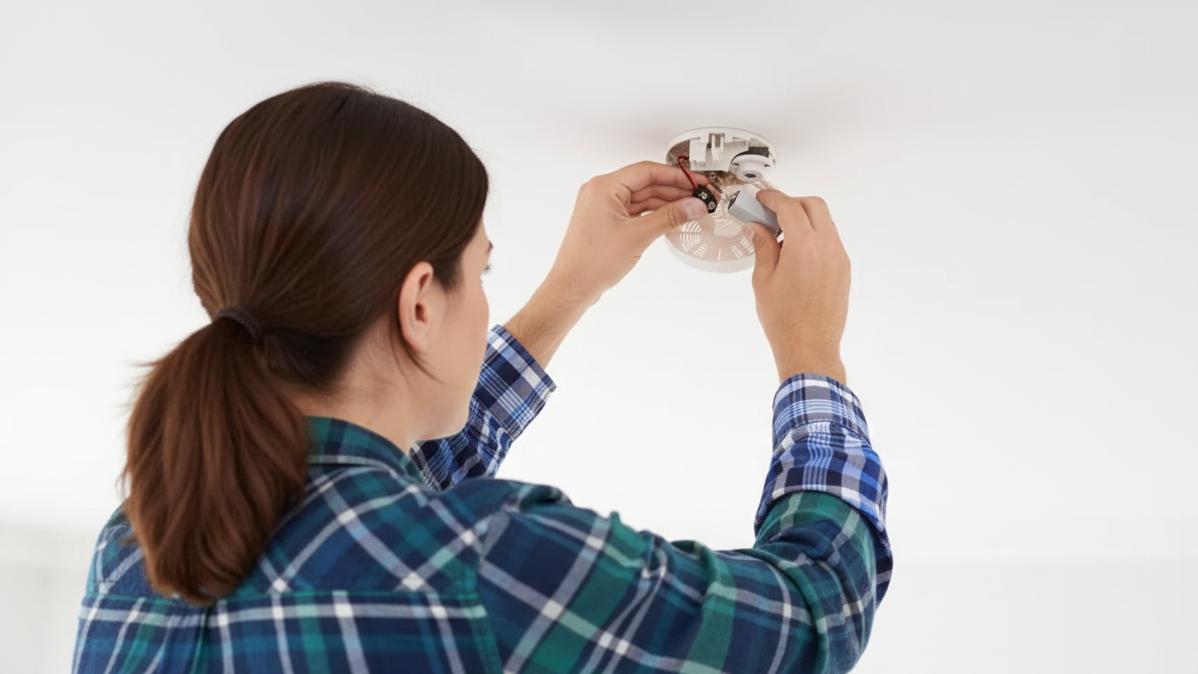
These units are popular for retrofit projects because they require only one mounting point. However, because smoke detectors must be mounted on the ceiling or high on a wall, the CO sensor in a combination unit is also placed high.
While this is effective for life safety, it may slightly delay detection compared to a unit at bed-level. For new construction, building pros often prefer hardwired, interconnected combination units to ensure that if an alarm sounds in the basement, it is heard in every bedroom.
Installation requirements and global building codes
Building codes have evolved significantly to mandate CO detection in any dwelling with fuel-burning appliances or an attached garage. For homeowners, this means you are likely required by law to have these devices installed; for pros, it is a non-negotiable compliance item.
Placement strategy
At a minimum, a CO alarm must be installed on every level of the home and directly outside each sleeping area. For maximum protection, codes like the NFPA 72 in the US and the National Building Code in Canada recommend installation inside every bedroom where a fuel-burning heater or fireplace is present.
Hardwired vs. battery operated
Most modern building codes (US, Canada, UK, Australia, and NZ) require new homes to have hardwired detectors with battery backups. These must be interconnected, meaning they communicate with each other via a physical wire or a wireless mesh network. If you are renovating, check local regulations, as many jurisdictions now require hardwired units to be installed during any significant electrical or structural work.
Carbon monixide safety in brief
Carbon monoxide is a preventable hazard. By maintaining fuel-burning equipment and installing interconnected, hardwired detectors, the risk to occupants is virtually eliminated. Pros should always specify sealed-combustion appliances and ensure the ventilation system is balanced to prevent depressurization, while homeowners must test their alarms monthly and replace the entire unit every 7-10 years as sensors degrade over time.
If you are looking to move combustion away from the living space to improve indoor air quality, consider the benefits of centralized hydronic heaters for whole-home comfort.
Now that you know more about carbon monoxide prevention and detection, find more info about indoor air quality & green building techniques in the Ecohome Green Building Guide and these pages below:
-
Home fire safety: Prevention, escape plans & fireresistant design
-
A comprehensive guide to home indoor air quality monitors
-
Removing radon gas from crawlspaces & basements easily
-
How to choose the best air purifiers for healthy indoor air








Comments (0)
Sign Up to Comment