






Outdoor wood burning boilers: Is this the right home heating system?
For homeowners seeking energy independence, outdoor wood burning boilers offer a smart solution for centralizing heating away from the living envelope. Also known as hydronic heaters or outdoor wood furnaces, these units are designed to burn stove wood very efficiently to heat a large volume of water.
Heated water is then transported through underground insulated pipes to nearby houses and buildings to provide space heating and domestic hot water. Unlike traditional indoor wood stoves, an outdoor boiler keeps the mess of wood storage, ash, insects and potential smoke outside the home. This reduces the risk of carbon monoxide poisoning in homes and protects indoor air from unnecessary contamination with particulate.
Overall, these benefits make wood burning boilers a favorite anywhere there is an abundant source of privately-owned or at least reliable local firewood for purchase. Frequent adopters of these systems are off-grid homes, rural properties and farms, or eco-communities looking for multi-building district heating applications.
This guide provides a comprehensive look at the key aspects of this topic. Below is an overview of the sections we will cover, allowing you to jump directly to the information you need.
- How outdoor wood boilers work
- Wood gasification vs. conventional boilers
- Off-grid heating systems, which is best?
- EPA certification and regional regulations
- Heating system integration
- Maintenance and fuel selection
- Outdoor wood boiler pros and cons
- In brief
How outdoor wood boilers work
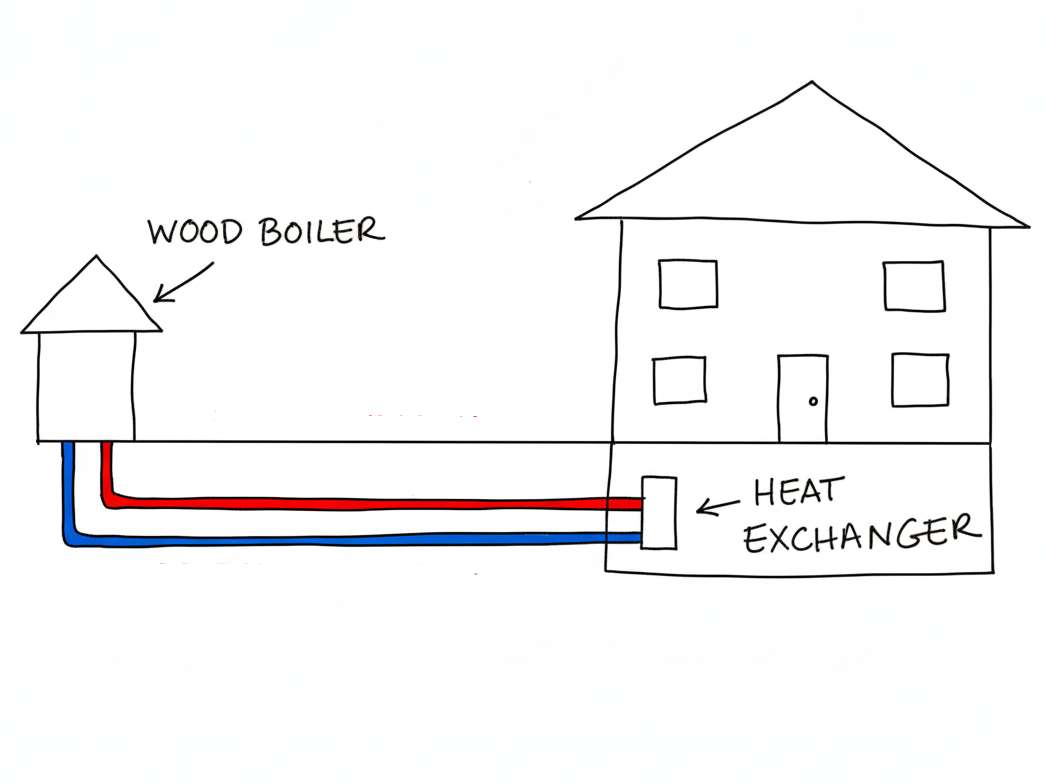
The core concept of an outdoor wood boiler is relatively simple: it is a wood-fired furnace contained within a weather-resistant shed located between 30 ane 200 feet (9 to 61 meters) away from the structure it heats. They need to be far enough for safety, but not so far as to lose too much heat along the way.
Inside the unit, a large firebox is surrounded by what is called a 'water jacket'. As the wood burns, water in the surrounding tube network absorbs the heat. A pump then delivers this hot water to nearby houses through insulated water pipes buried below the frost line.
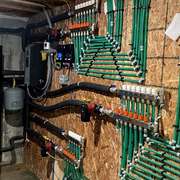
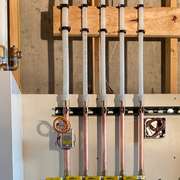
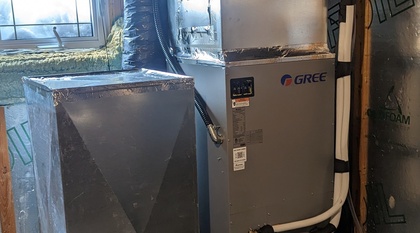
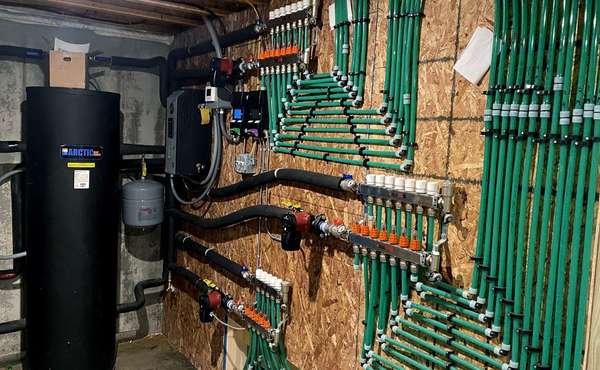
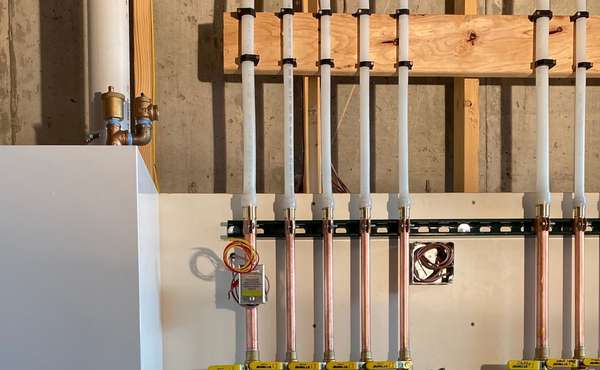
Once the water reaches the house, it passes through a heat exchanger. For homes with existing forced-air systems, a water-to-air heat exchanger is installed in the furnace plenum. For those using hydronic heating systems, the water can be fed directly into the distribution manifold. This versatility allows a single outdoor boiler to heat the main residence, a detached garage, a workshop, and even offer an efficient heating solution for swimming pools and hot tubs.
Wood gasification vs. conventional boilers
Understanding the gasification process
Modern outdoor wood boilers differ significantly from the 'smoke dragons' of the past. High-efficiency models utilize wood gasification technology. In these units, wood is burned in a primary chamber with limited oxygen, which causes the wood to release combustible gases (syngas).
These gases are then forced into a secondary combustion chamber - often lined with ceramic - where they are mixed with fresh air and ignited at temperatures exceeding 2,000°F (1,093°C). Burning wood at the right temperature ensures all the fuel is consumed for heat, resulting in extremely low emissions and reduced wood consumption while meeting the heat load of the building.
Conventional outdoor furnaces
Conventional wood boilers are essentially large fireboxes with a chimney. While they are simpler and often cheaper to purchase, they are significantly less efficient and produce far more smoke. In many jurisdictions, including much of North America and the UK, these older-style units are being phased out or are already prohibited for new installations due to air quality concerns.
For professionals, recommending a gasification model is not just about the environment - it is about regulatory compliance and long-term fuel savings for the client.
Off-grid heating systems, which is best?
Outdoor wood burning boilers are a popular choice for off-grid homes, as well as for small scale district heating options for eco-communities with access to a reliable source of wood fuel. Providing heat for homes is generally the biggest energy consumer, so there are different criteria for choosing the right heating system for off grid homes.
One of the biggest benefits of centralized wood boilers over other wood burning stoves, is that it helps regulate the heat distribution throughout homes with hydronic heating systems and radiant floors.
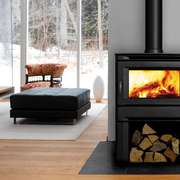
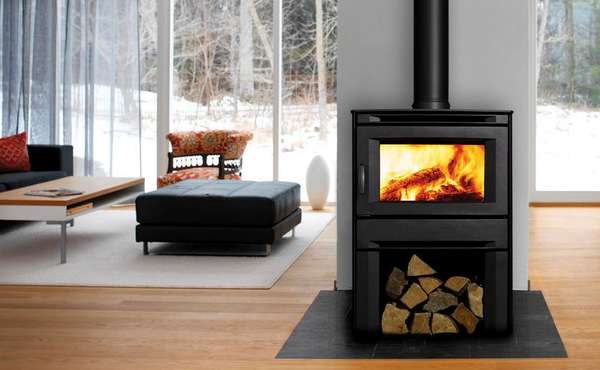
Standard wood stoves offer instant heat, but without capturing it within thermal mass, you end up with pretty noticeable differences in temperature over a 24-hour cycle. Direct source heating the way it provided by most wood stoves, also means cooler temperatures anywhere further from the source.
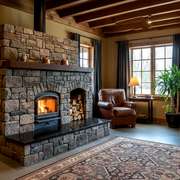
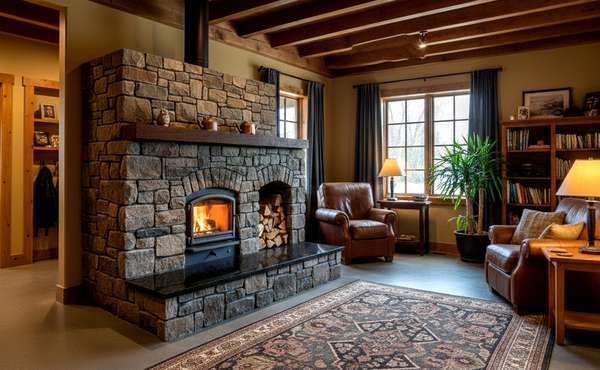
Along with wood boilers, other biofuel burning systems that encorporate a thermal mass element for heat retention are rocket mass heaters, and the cadillac of wood burning stoves - masonry heaters.
EPA certification and regional regulations
Before selecting a unit, it is critical to understand the legal landscape. In the United States, the Environmental Protection Agency (EPA) updated its New Source Performance Standards (NSPS) to ensure that only clean-burning hydronic heaters are sold. As of 2020, all new outdoor wood boilers must meet stringent particulate matter emission limits.
- North America (US & Canada): Most provinces and states require EPA-certified or CSA-compliant units. In Canada, many municipalities have specific bylaws regarding stack height and minimum setbacks from property lines, often requiring a distance of at least 131 feet (40 meters) in some regions like British Columbia.
- United Kingdom: Boilers must comply with Ecodesign standards and, if located in a Smoke Control Area, must be Defra-exempt.
- Australia & New Zealand: Appliances must meet AS/NZS 4013 standards for emissions. In New Zealand, specific regional councils may have even stricter requirements for urban airsheds.
Heating system integration
Radiant floor heating compatibility
One of the most effective ways to use an outdoor boiler to heat your home is by pairing it with hydronic radiant under floor heating. Since radiant floors operate at lower water temperatures than traditional radiators, the boiler can often run more efficiently.
The added benefit of in-floor heating when incorporated into a slab floor, is that the thermal mass of a concrete slab-on-grade foundations acts as a thermal battery. Thermal mass such as concrete inside thermal envelopes in homes absorbs and releases heat slowly over time, which reduces the frequency the boiler needs to be fired up.
Domestic hot water and multi-zone control
A side-arm or plate heat exchanger allows the boiler to provide virtually unlimited domestic hot water. This is a major selling point for large families. For professionals designing these systems, proper pipe insulation is the most critical factor. Using high-quality, closed-cell foam insulation for underground piping ensures that the water arriving at the house is only a few degrees cooler than when it left the boiler.
Maintenance and fuel selection
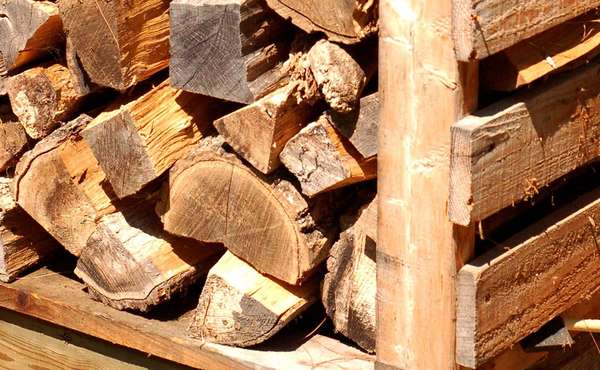
To keep a wood boiler operating at peak performance, fuel quality is very important. Burning unseasoned or 'green' wood is the fastest way to clog a high-efficiency gasification boiler with creosote. Ideally, wood should have a moisture content of less than 20%.
For a detailed breakdown of which species provide the best BTU value, see our guide on choosing the right firewood. Regular maintenance involves clearing ash (usually once a week for gasification models), checking water treatment levels to prevent internal corrosion of the steel jacket, and inspecting the insulated lines for leaks.
Outdoor wood boiler pros and cons
The benefits of going outdoor
The primary advantage of wood burning boiler is energy independence. If you have access to a wood lot, your heating costs can drop to near zero. Furthermore, by moving the fire outside the home, you eliminate indoor air quality risks associated with smoke or carbon monoxide, and you reduce the fire hazard within the living space. See our page here on fire safety in homes - design, prevention and escape route planning.
It is also an excellent choice for small scale district heating networks, such as heating multiple family homes on a single property.
The challenges to consider
The initial capital investment can be high, often ranging from $8,000 to $15,000 (roughly £6,300 to £11,800) for the unit and installation. There is also the labor factor - wood does not stack itself, and the boiler requires manual loading at least once or twice a day.
For very high-performance or airtight homes, a wood boiler is often considered overkill in terms of heat output, unless it is being used to heat multiple structures or a large greenhouse.
In brief
Outdoor wood burning boilers are a robust heating solution for those with abundant wood fuel and significant heating loads. By selecting an EPA-certified gasification model, homeowners can achieve high efficiency while minimizing environmental impact.
For professionals, the key to a successful installation lies in proper system sizing and the use of high-quality insulated piping to bridge the distance between the firebox and the faucet.
Now that you know more about outdoor wood boilers, find more info about biomass heating & green building techniques in the Ecohome Green Building Guide and these pages below:
-
Masonry heaters vs. wood stoves in Passive House and LEED homes
-
Rocket mass stoves - The DIY alternative to wood stoves and masonry heaters
-
Gas is being phased out of home heating - choose a cleaner safer home heating system
-
All about hydronic radiant floor heating



Comments (0)
Sign Up to Comment