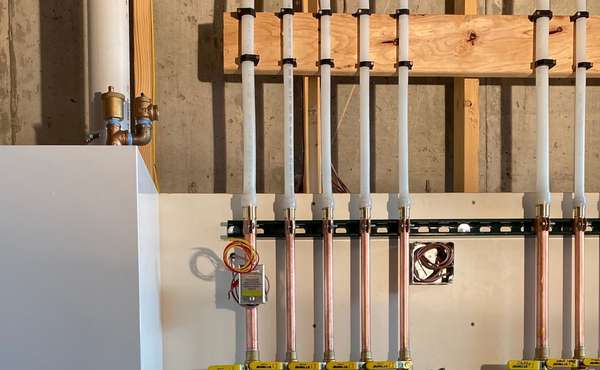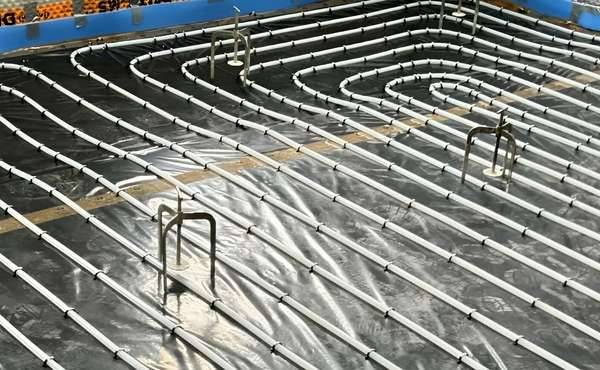
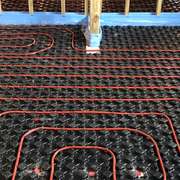
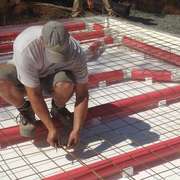
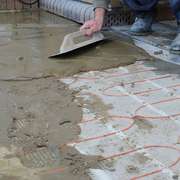
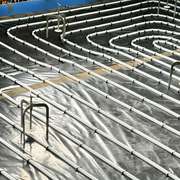


Thanks for your question, and I would start here in general terms of efficiency in heat delivery - there is no great difference in the energy efficiency between air heated floors or hydronic (liquid) radiant floors, at least when they are heated with the same fuel. Meaning – a boiler heating water that is circulated through radiant tubing in a concrete floor will not be any more or less efficient that a boiler heating a water coil that blows air through a floor.
The fuel source (gas, electricity, propane etc) will affect cost and efficiency, but differences in how you deliver heat isn’t as big a factor in determining efficiency. This page discusses the differences and pros and cons of each system –
Moving into a solar solution though and choosing between a solar water heater and a solar air heater, there you would for sure have more variables in terms of the initial cost of the system, return on investment time, maintenance and lifespan.
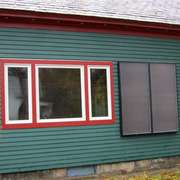
I assume you saw our page on solar air heated radiant slab on grade floor. I would personally lean towards that because they address a lot of the issues that come up with solar thermal water heaters – read more here, which can have a lot of maintenance issues. The thermal solar air panels we installed in that prefab kit house obviously don’t leak water, freezing is not a concern, and even summer overheating has been solved because that system has been adapted to generate solar hot water in summer in part to cool the system.
Thanks for the response, I am in a zone 4a just off the southern end of Georgian Bay we get lots of snow in winter with many days a -20c and days as low as -30c we also get wet cold off of the lakes, summertime temperatures often above 25c and humid. I have built many ICF homes over the years most with hydronic floors, the biggest problems I have run into is with homeowners topping up with well water and having lime scale buildup in boilers or finishing basements after the fact and piercing tubing, to prevent the later I have move to 5" concrete floors. I have found that by placing hydronic panels on wall under over hangs reduces the need to cover panels in the summer. Always curious about advancements in housing tech
Hydronic heating systems involve heated liquid being pumped through radiators, baseboard heaters, floors or even walls. Hydronic heating is a system that uses water as the…
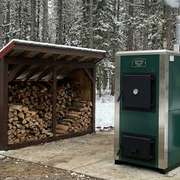
Master the basics of outdoor wood boilers, from high-efficiency gasification technology and EPA standards to integrating hydronic heating for homes, garages, and workshops…
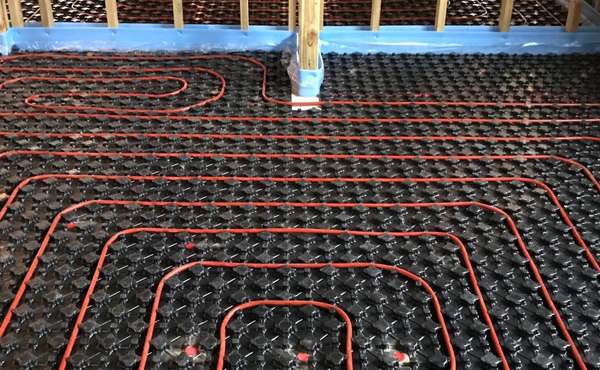
Under floor radiant heating systems are efficient and comfortable, they also lead to cleaner indoor air quality by not circulating dust and particulate like forced air systems…
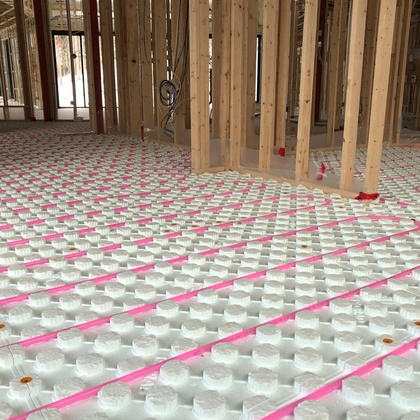
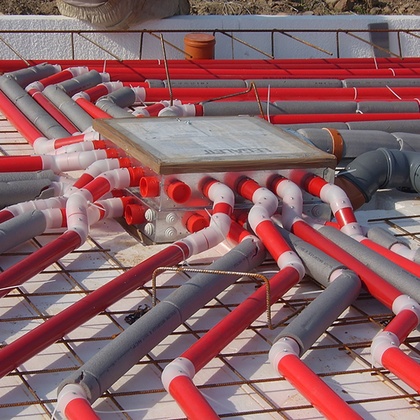
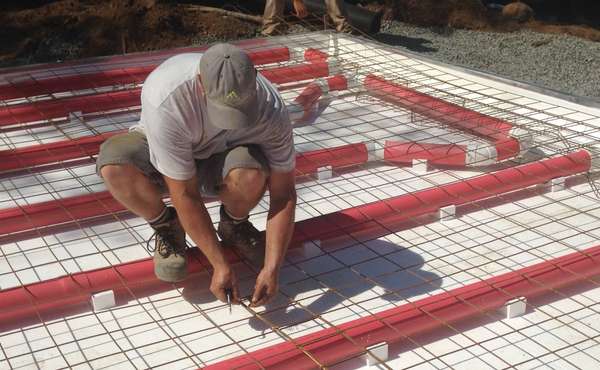
A comeback for foam radiant floor ICF forms heated with air tubes. Radiant heating systems are very common in concrete floors now because they provide a very balanced and…
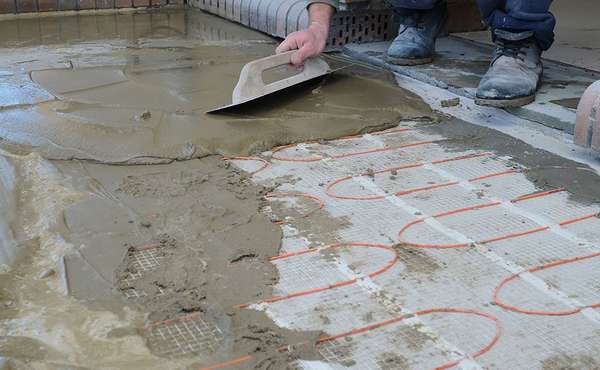
Under floor radiant heating is comfortable for your feet, efficient for your wallet, and great for indoor air quality. See the options for different types of electric wire…
Turn an old damp basement into useable living space with proper waterproofing, insulation and a nice under floor heating system. In many homes, basements are increasingly being…
Passive solar air heaters are easy to make for competent DIY'ers from downspouts, pop-cans or roofing sheet or there are affordable solar heaters for sale online & both offer a…
Thanks for your question, and I would start here in general terms of efficiency in heat delivery - there is no great difference in the energy efficiency between air heated floors or hydronic (liquid) radiant floors, at least when they are heated with the same fuel. Meaning – a boiler heating water that is circulated through radiant tubing in a concrete floor will not be any more or less efficient that a boiler heating a water coil that blows air through a floor.
The fuel source (gas, electricity, propane etc) will affect cost and efficiency, but differences in how you deliver heat isn’t as big a factor in determining efficiency. This page discusses the differences and pros and cons of each system –
Under floor heating systems - which is best, hydronic, electric wire or air heating tubes?
Moving into a solar solution though and choosing between a solar water heater and a solar air heater, there you would for sure have more variables in terms of the initial cost of the system, return on investment time, maintenance and lifespan.
I assume you saw our page on solar air heated radiant slab on grade floor. I would personally lean towards that because they address a lot of the issues that come up with solar thermal water heaters – read more here, which can have a lot of maintenance issues. The thermal solar air panels we installed in that prefab kit house obviously don’t leak water, freezing is not a concern, and even summer overheating has been solved because that system has been adapted to generate solar hot water in summer in part to cool the system.
Solar thermal water heaters can, in a bizarre twist, need to be covered often during summer to avoid overheating. I hope this helps, check out those pages and if you have more questions let us know, but include your climate zone as well and we can better help you decide.
Thanks for the response, I am in a zone 4a just off the southern end of Georgian Bay we get lots of snow in winter with many days a -20c and days as low as -30c we also get wet cold off of the lakes, summertime temperatures often above 25c and humid. I have built many ICF homes over the years most with hydronic floors, the biggest problems I have run into is with homeowners topping up with well water and having lime scale buildup in boilers or finishing basements after the fact and piercing tubing, to prevent the later I have move to 5" concrete floors. I have found that by placing hydronic panels on wall under over hangs reduces the need to cover panels in the summer. Always curious about advancements in housing tech