
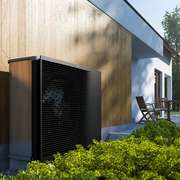

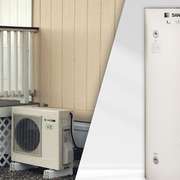






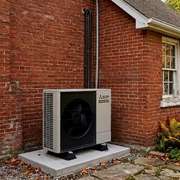


The global transition toward home electrification has reached a new milestone with LG’s release of its iF Award-winning R290 indoor air-to-water heat pump units. These systems represent a critical shift in how modern residences are heated, moving away from carbon-heavy fossil fuels and toward high-efficiency, electric-powered hydronic solutions. By utilizing natural refrigerants, these units solve the primary environmental concerns associated with traditional heat pump technology.
- Natural R290 Refrigerant: Ending the era of high-GWP synthetics
- Flexible Design: Combi, Hydro, and Control unit configurations
- Hydronic Performance: Maximizing efficiency for radiant floor heating
- Safety and Health: Electrification vs. poisonous gas-fired boilers
Natural R290 Refrigerant and the End of High-GWP Synthetics
Sustainable heating technology is currently undergoing a massive regulatory shift as the industry moves toward low-GWP refrigerants like R290 in heat pumps, even if North America is being slower on the uptake than Europe. Unlike the synthetic R410A refrigerant used in older systems, R290 (propane) has a Global Warming Potential (GWP) of only three.
This drastic reduction is essential for homeowners pursuing a net-zero carbon footprint, as leaks from legacy synthetic gases can be thousands of times more damaging to the atmosphere than CO2. Understanding these technical shifts is a vital part of heat pump efficiency explained in modern green building standards.
Natural refrigerants are the low-hanging fruit for reducing the environmental impact of HVAC systems while avoiding future regulatory bans on F-gases. By adopting R290 technology now, builders and homeowners can ensure their mechanical systems remain compliant as global standards tighten. This forward-thinking approach is a recurring theme for those following how heat pumps work to provide long-term sustainable comfort.
Flexible Indoor Configurations: Combi, Hydro, and Control Units
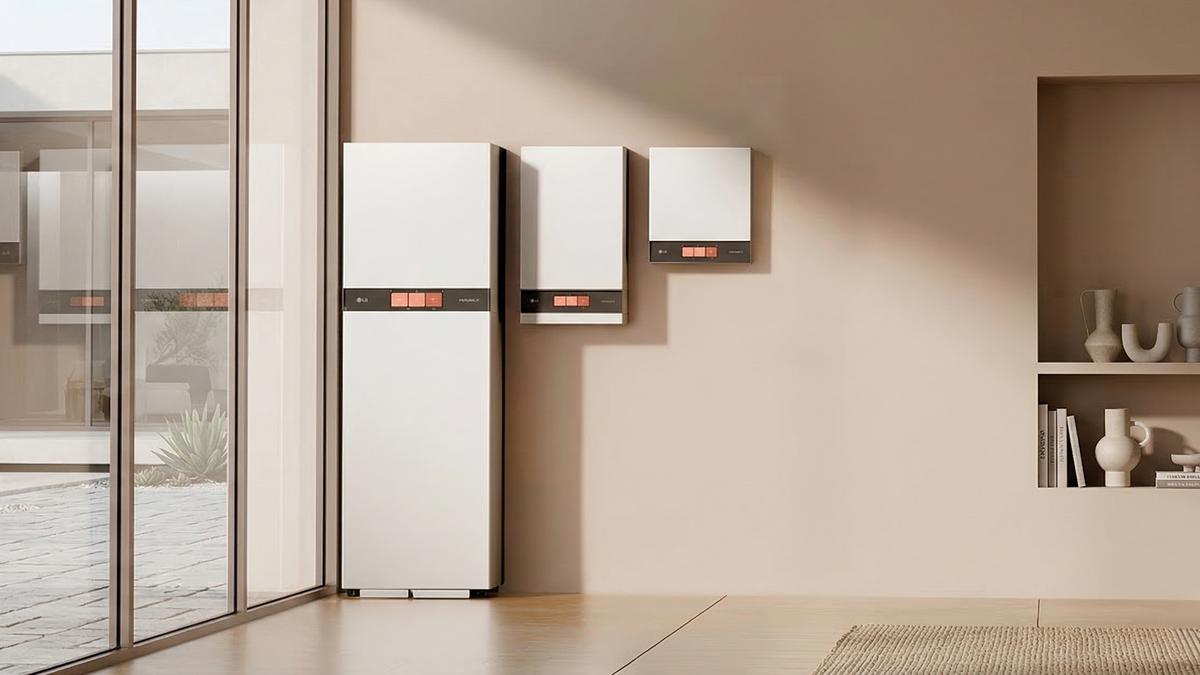
The 2026 iF Design Award-winning lineup of air-to-water heat pumps includes three distinct indoor configurations to accommodate varied residential layouts. The combi unit serves as an all-in-one solution, integrating a 200-liter stainless steel tank for domestic hot water within a compact, appliance-like enclosure.
For homes with existing water tanks, the Hydro Unit offers a wall-mounted hydraulic module that has seen a 30 percent reduction in volume compared to previous generations. Our only concern at Ecohome is how insurance companies are going to view these combined units with water storage tanks given the usual 10 year or older insurance coverage exclusions.
The control unit provides a streamlined interface for installations where space is at a premium, allowing the mechanical components to be located elsewhere. This versatility is helping more people decide if it is the right time to buy a heat pump for their specific renovation project. Whether it is a sleek kitchen integration or a tucked-away utility room setup, these units bridge the gap between industrial performance and residential aesthetics.
Maximizing Performance for Radiant Floor Heating
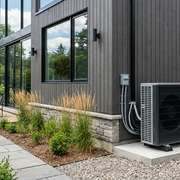
High-temperature air-to-water heat pumps are the gold standard for distributing warmth through hydronic radiant floor systems. Because the LG R290 Monobloc can produce leaving water temperatures up to 75 degrees Celsius even in freezing conditions, it can satisfy the high demands of domestic hot water and older radiator or noisy water-heated baseboard systems.
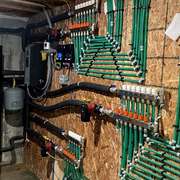
However, its highest efficiency is found when paired with hydronic radiant floor systems, where lower water temperatures are sufficient to keep a home comfortable. This synergy between the heat source and distribution method is a cornerstone of maximizing seasonal energy savings.
Electrification vs. Poisonous Gas-Fired Combi-Boilers
Replacing a poisonous gas-fired combi-boiler with an electric air-to-water heat pump eliminates the risk of carbon monoxide and direct greenhouse gas emissions on-site. While gas boilers were once the standard for hydronic heating, they rely on constant combustion and the presence of flammable fossil fuels inside the home.
The LG R290 system operates with a seasonal coefficient of performance (SCOP) greater than five, meaning it delivers five times more heat energy than the electricity it consumes. This far exceeds the maximum theoretical efficiency of any gas-based system.
| Heating Category | LG Therma V R290 AWHP | Gas-Fired Combi-Boiler |
|---|---|---|
| Refrigerant GWP | 3 (Propane) | N/A (Fossil Fuel) |
| Operational Safety | No Carbon Monoxide Risk | Poisonous Combustion Hazards |
| Max Water Temp | Up to 75°C | Up to 80°C |
| Efficiency (SCOP) | > 5.0 | ~ 0.95 |
Homeowners in northern climates can now rely on these systems even in extreme weather conditions without fear of losing heat. The Therma V R290 is rated for operation down to -28 degrees Celsius, ensuring that even a deep winter freeze won't compromise indoor comfort.
For those weighing their options between different renewable sources, it is worth exploring geothermal heating vs. air source heat pumps to determine which low-carbon technology offers the best return. Furthermore, advanced users may consider increasing efficiency with heat pumps working in tandem to handle larger square footage or unique hydronic loads.
Now that you know more about LG's R290 heat pumps, find more info about heating and cooling in the Ecohome Cold Climate Heat Pump Guide and these pages below:
-
The ultimate heat pump buying guide: Which are the best?
-
Geothermal heating and cooling for homes in North America
-
Geothermal heating vs. air source heat pumps: Which is better?
-
Are heat pumps worth it? The 2026 financial case








Comments (0)
Sign Up to Comment