I will run with the assumption that your house is not yet built otherwise you would already have a heating solution, is that correct? If not let me know.
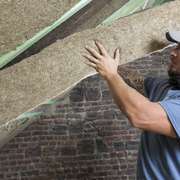
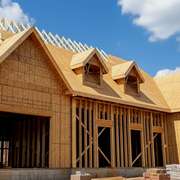
From the beginning, your best bet is to have a very good thermal envelope to reduce the heat load and, if possible, orient the house for passive solar heating. Both of those design priorities will reduce the size of the heating system you require as well as the amount of energy it will consume during operation.
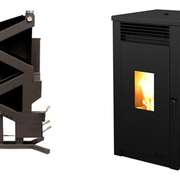
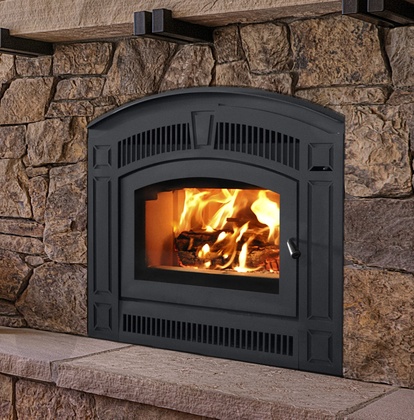
The cheapest way to set yourself up would be a wood stove, but they are not the most efficient system, and home temperatures tend to vary more when wood is the primary heat source. It also requires that you be there to continually feed the fire. They’re fun to sit around and excellent to have in an emergency but they are a bit of a hassle. I speak from experience here, I like my wood stove but it’s a lot of work, so I use my electric heat as much as possible.
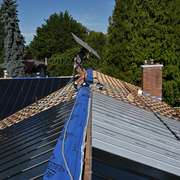
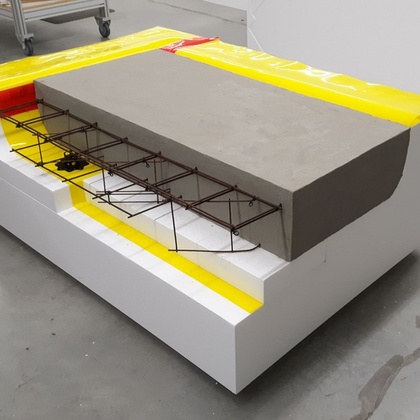
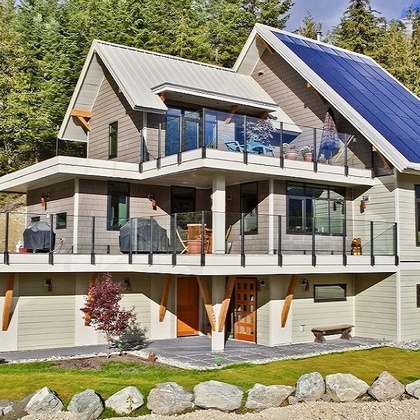
If your slab hasn’t been decided on yet, check back with us soon as we will be starting construction on our next demo house in about 3 weeks (September, 2018), which will have solar-heated air panels feeding air tubes in the slab floor. Solar air heating panels are a lot less hassle and risk than solar water heating panels, and a lot more affordable than photovoltaic solar panels. We expect this to be among the more affordable off-grid heating solutions as it will only take a small PV panel to run the fan that will then deliver heat.
We already have the answers you’re looking for no matter what stage of design or construction you’re at, here are the pages that will help; and if they don’t, please don’t hesitate to drop us another question.
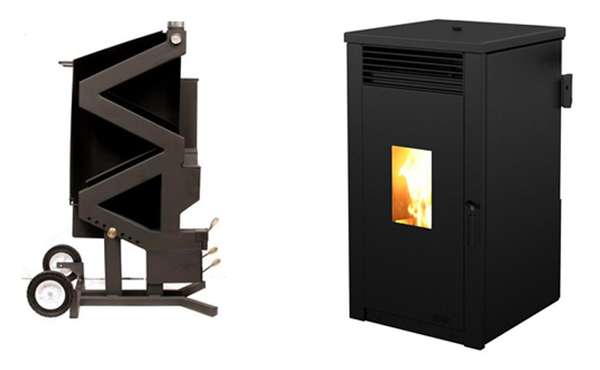
To reduce your carbon footprint while heating with wood, consider the low-emission benefits of rocket stoves compared to traditional open fireplaces or older box stoves.
Thanks for your 2018 post. As you'd suggested, I'm following up to see how the hot air tubes in your slab floor are performing.
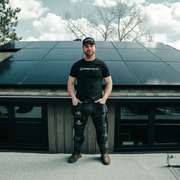
I'm keen to use PV solar to heat my radiant floors in an off-grid high thermal mass passive solar house I'm building on California's Mendocino coast. I'm leaning toward using an oversized PV solar array to run a heat pump to store and circulate hot water (rather than hot air) through our radiant flooring; the up-front cost for panels and inverters is higher, but it seems to me the falling prices of PV systems and heat pumps and the overall relative simplicity makes this worthwhile. I'm keen to learn from your experience.
Hi Jeffrey, The air heated floor is nothing new and works fine, Legalett has been doing that for decades. Its the solar panels that are an experimental concept here but they still aren't on unfortunately. We hope to have that done shortly, and when they're on they will be used to preheat domestic hot water until they're needed for heating in the fall. So it will be next winter when we get an idea of how much heat the panels provide. We're pretty hopeful, and we will for sure update our pages when we have some figures.
Post 4 in Craig Anderson's off-grid living blog covers heating systems - what worked, what didn't, and what changes were made for his LEED certfied home off-grid in Canada. This…
Off grid living blog part 6: Energy modeling can help find the weak links in a building envelope & allow tweaking the design before starting to building an off grid home. This…
Off grid living blog, part 3: This third post by Craig Anderson outlines the energy systems of his off grid house and explains why he chose them. This is the third piece in a…
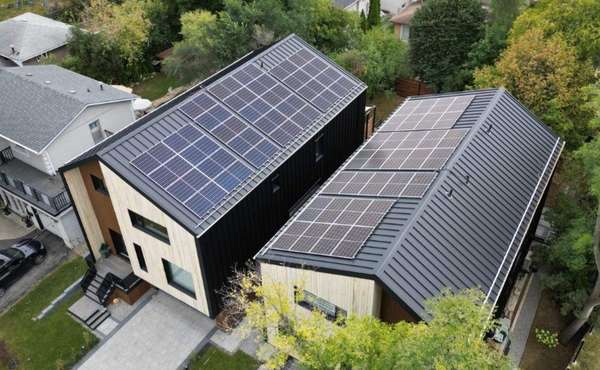
Discover the best way to heat a home with solar panels only, whether that is for an off grid heating system or just for future proofing and home resiliency. What is the best off…
Short of a wood stove, pretty much all heating systems require power to operate. So in the event of an apocalypse (zombie, climate, asteroid, etc) these two pellet stoves can…
This is the first in a series of blogs we will post from Craig Anderson about the ups and downs of building a LEED certified off-grid home in Quebec, Canada. The following is a…
How to keep power consumption at a minimum in a LEED certified off-grid house in Quebec, Canada, without affecting quality of life. This is the fifth piece in a blog series…












I will run with the assumption that your house is not yet built otherwise you would already have a heating solution, is that correct? If not let me know.
From the beginning, your best bet is to have a very good thermal envelope to reduce the heat load and, if possible, orient the house for passive solar heating. Both of those design priorities will reduce the size of the heating system you require as well as the amount of energy it will consume during operation.
The cheapest way to set yourself up would be a wood stove, but they are not the most efficient system, and home temperatures tend to vary more when wood is the primary heat source. It also requires that you be there to continually feed the fire. They’re fun to sit around and excellent to have in an emergency but they are a bit of a hassle. I speak from experience here, I like my wood stove but it’s a lot of work, so I use my electric heat as much as possible.
If your slab hasn’t been decided on yet, check back with us soon as we will be starting construction on our next demo house in about 3 weeks (September, 2018), which will have solar-heated air panels feeding air tubes in the slab floor. Solar air heating panels are a lot less hassle and risk than solar water heating panels, and a lot more affordable than photovoltaic solar panels. We expect this to be among the more affordable off-grid heating solutions as it will only take a small PV panel to run the fan that will then deliver heat.
We already have the answers you’re looking for no matter what stage of design or construction you’re at, here are the pages that will help; and if they don’t, please don’t hesitate to drop us another question.
To reduce your carbon footprint while heating with wood, consider the low-emission benefits of rocket stoves compared to traditional open fireplaces or older box stoves.
Dear Emmanuel,
Thanks for your 2018 post. As you'd suggested, I'm following up to see how the hot air tubes in your slab floor are performing.
I'm keen to use PV solar to heat my radiant floors in an off-grid high thermal mass passive solar house I'm building on California's Mendocino coast. I'm leaning toward using an oversized PV solar array to run a heat pump to store and circulate hot water (rather than hot air) through our radiant flooring; the up-front cost for panels and inverters is higher, but it seems to me the falling prices of PV systems and heat pumps and the overall relative simplicity makes this worthwhile. I'm keen to learn from your experience.
Best thanks and warmest regards.
Hi Jeffrey, The air heated floor is nothing new and works fine, Legalett has been doing that for decades. Its the solar panels that are an experimental concept here but they still aren't on unfortunately. We hope to have that done shortly, and when they're on they will be used to preheat domestic hot water until they're needed for heating in the fall. So it will be next winter when we get an idea of how much heat the panels provide. We're pretty hopeful, and we will for sure update our pages when we have some figures.