




What is the best off grid heating system?
We live in a very uncertain global climate with rising fuel prices, and increasingly catastrophic weather events caused by the changing climate. This can leave families feeling vulnerable and looking for future proofing solutions. Whether you are building an off grid home and looking for heating solutions or just trying to be prepared for power outages, here we will explore the best options for home heating in the absence of grid power.
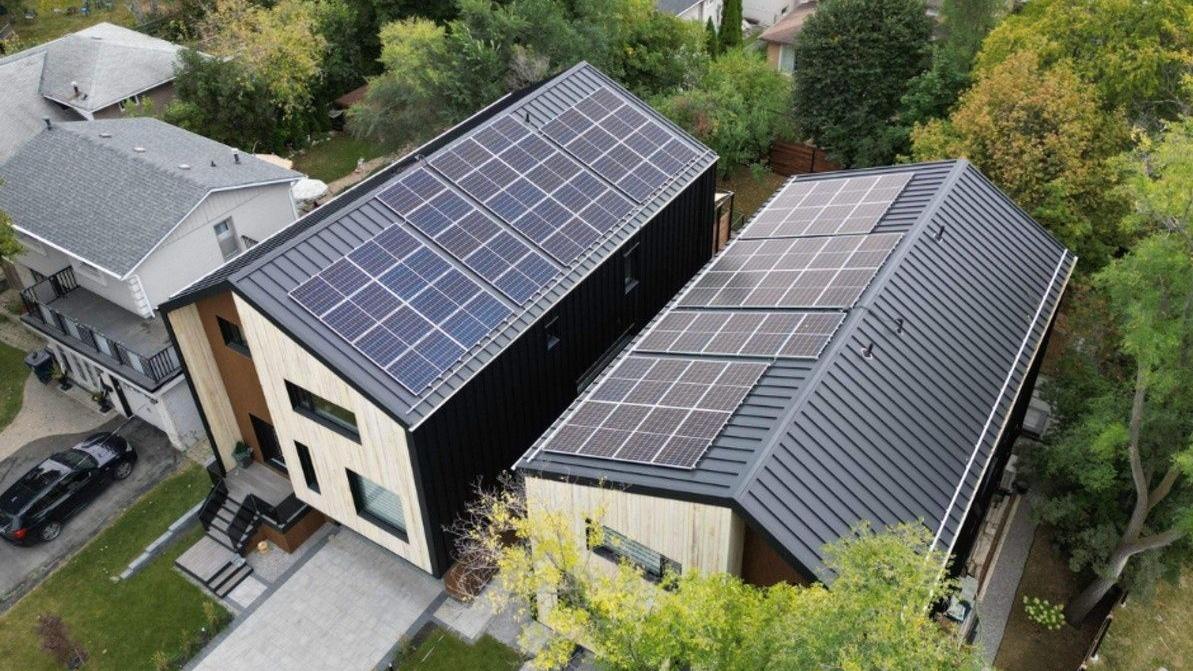
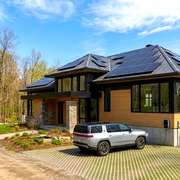
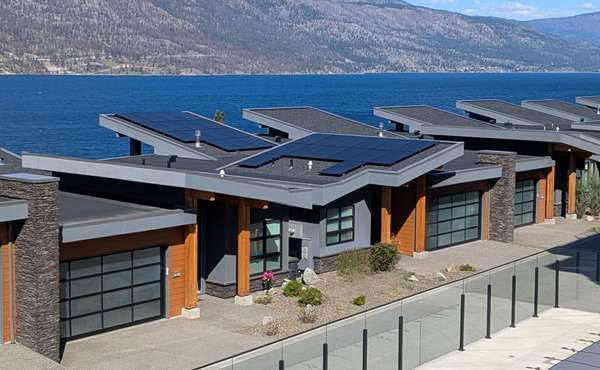
Generating enough energy to heat a home using only solar panels is a certainly a challenge, but the latest advances in solar technology is making it more feasible and affordable all the time. Without a doubt, the most important first step before investing in a solar array is reducing demand. That is of course easiest when you first focus on the envelope first building philosophy of minimizing heat loss in a home.
Designing a home that will only meet the minimal requirements of building code looks cheaper on paper at the time, but will actually cost you more money in the long run. So right out of the gate you first want to do something about that whether you have a home already or you are about to build one.
For existing homes we recommend you look into energy efficient home renovations and upgrades, and for those who haven't built yet, designing a home with the envelope first building philosophy. We highly recommend reading our guide page on tips for building a high performance home on a tight budget.
By prioritizing heat retention and resiliency, it is possible to create a 'future proof' home where solar panels and heat pumps provide 100% of the thermal load. Below is what we will cover, so let's dig in.
This guide provides a comprehensive look at the key aspects of this topic. Below is an overview of the sections we will cover, allowing you to jump directly to the information you need.
- What is the envelope first philosophy?
- How does passive solar design and orientation affect heating?
- Why combine solar PV with air source heat pumps?
- Can air to water heat pumps power radiant floors and radiators?
- Is geothermal heating worth the cost and ROI?
- How do you achieve off-grid resiliency and future-proofing?
- Summary: Can you heat a home with only solar?
What is the envelope first philosophy?
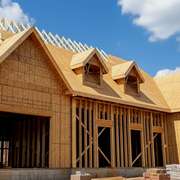
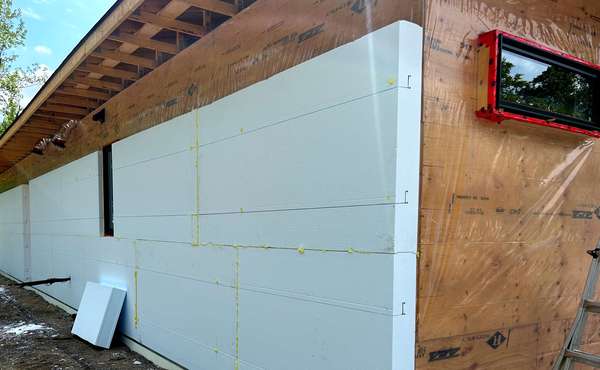
The most critical step in heating a home with solar is not buying more panels; it is reducing the amount of heat your home will need. For home designers that means focusing on keeping energy consumption to an absolute mininum. This approach prioritizes the performance of the permanent physical components of the house - the foundation, walls, windows, and roof - before selecting mechanical systems.
By focusing on superior insulation and airtightness, you effectively plug the leaks in the 'bucket' that is your home. A high-performance envelope can reduce heating demand by 70-90% compared to a standard code-buit home. This reduction is what makes solar-only heating possible; when the demand is low, a smaller, more affordable solar array can actually meet the load.
How does passive solar design and orientation affect heating?
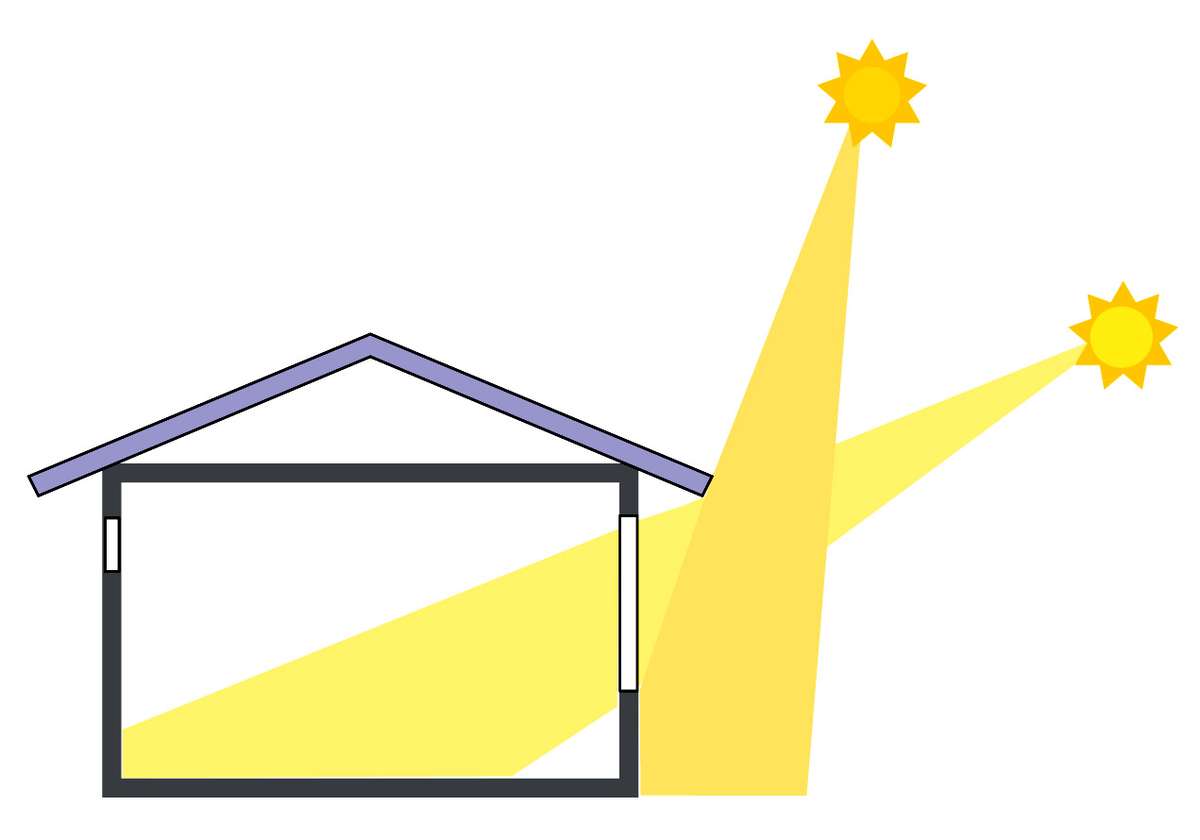
One of the very first considerations of any high performance and energy efficient home, is using the sun to your advantage by employing passive heating and cooling design techniques. This design philosophy adapts the building's design and orientation so that the majority of windows face south.
This allows your windows to collect, store, and distribute solar energy in the form of heat in the winter while rejecting it in the summer. See here to learn about window shading options to prevent overheating in summer.
In the Northern Hemisphere, the longest side of the house and the majority of the glazing should face within 15 degrees of true south. This allows the low-angle winter sun to penetrate deep into the living space. When combined with thermal mass - such as concrete floors or stone walls - a home can soak up heat during the day and release it slowly at night, providing a 'thermal battery' effect that increases resiliency during power outages.
Why combine solar PV with air source heat pumps?
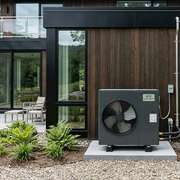
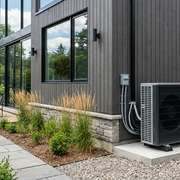
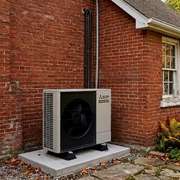
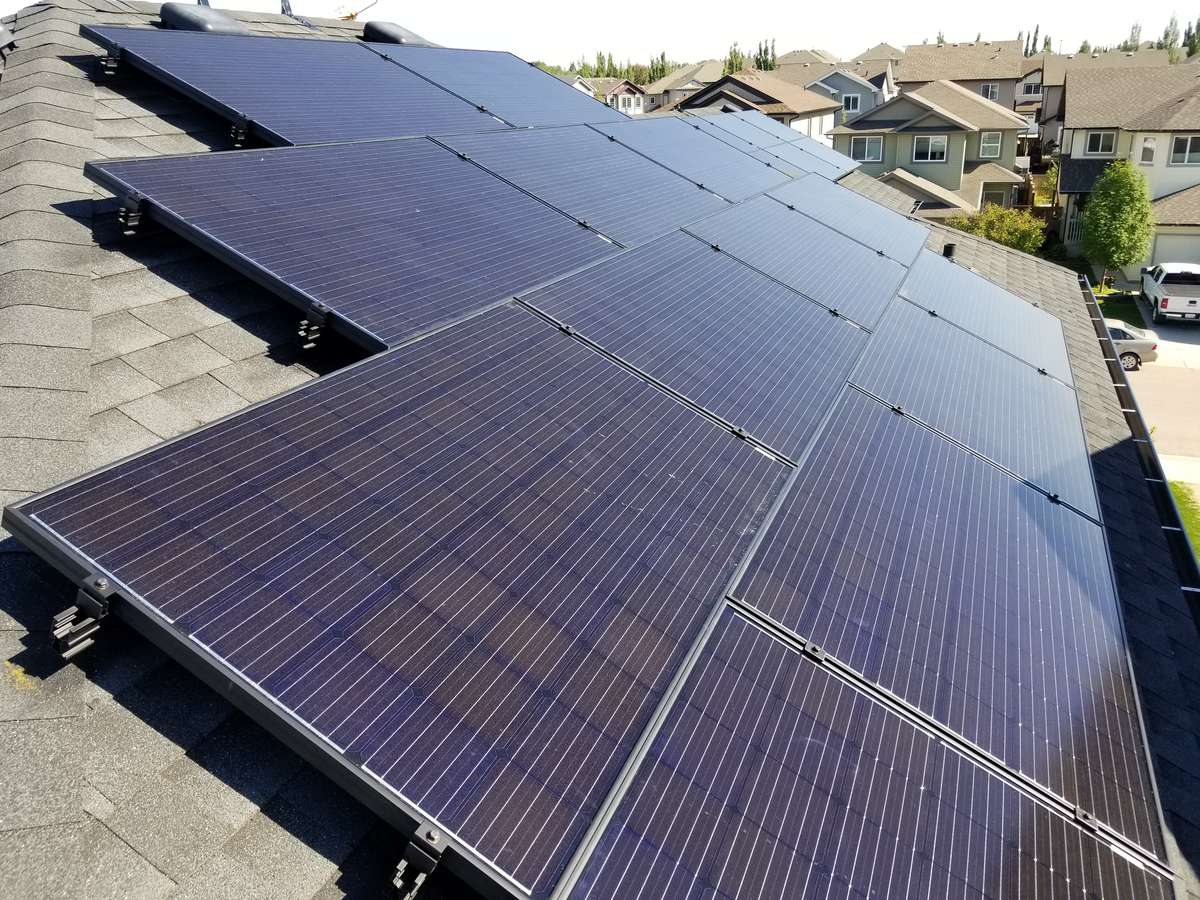
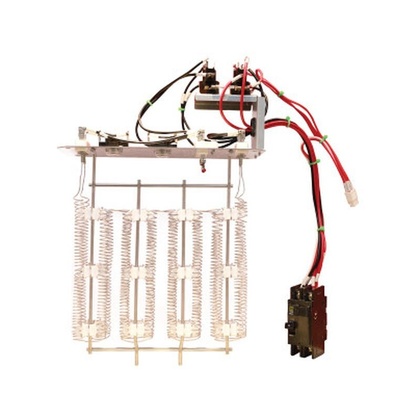
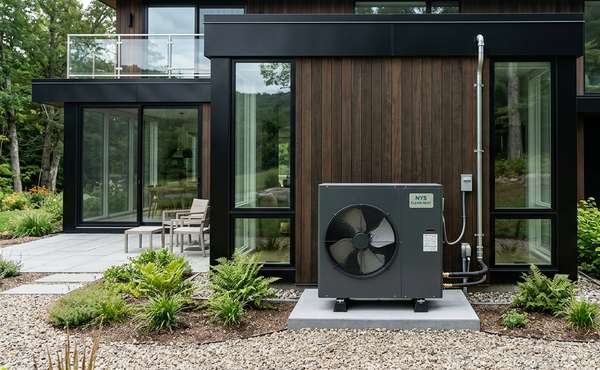
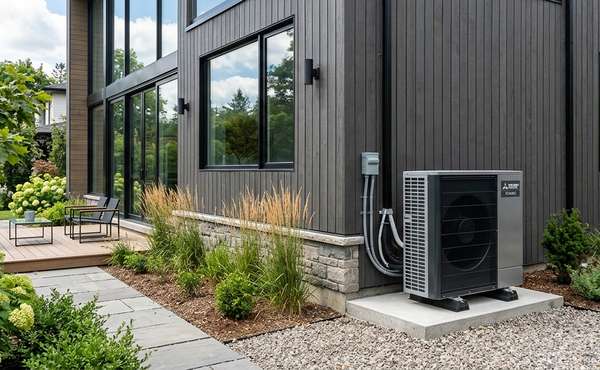
To heat a home using electricity from solar panels, the most efficient 'bridge' is an air source heat pump. Traditional electric baseboards convert 1 unit of electricity into 1 unit of heat. In contrast, modern cold-climate heat pumps can move 2 to 4 units of heat for every 1 unit of electricity consumed.
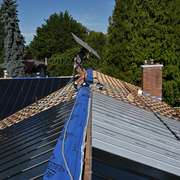
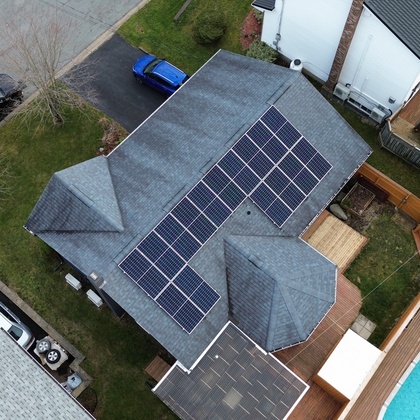
This synergy allows a solar array of modest size - perhaps 10 to 15 kW - to power the entire heating system in all but the most extreme climates. In a grid-tied scenario, you can bank excess summer solar production with the utility and draw it back in winter to run the heat pump.
Can air to water heat pumps power radiant floors and radiators?
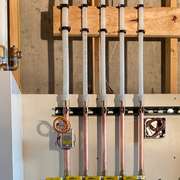
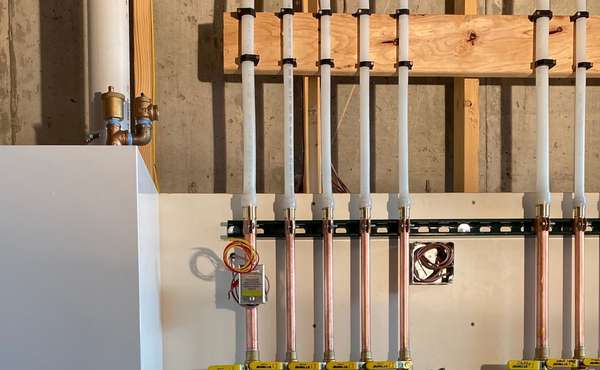
Air to water heat pumps are an ideal solution for homes designed with hydronic under floor heating, such as radiant floor heating or low-temperature radiators. Unlike standard air-to-air systems, these units extract heat from the outside air and transfer it to a water circuit.
When paired with radiant concrete floors, the system leverages the mass of the concrete. This thermal mass acts as a thermal battery, regulating indoor temperatures by absorbing heat and releasing it gradually over several hours.
This storage capability is particularly valuable for solar-powered homes, as the slab can be charged with heat during peak daylight hours when solar production is highest, maintaining comfort well into the night without additional energy draw.
Is geothermal heating worth the cost and ROI?
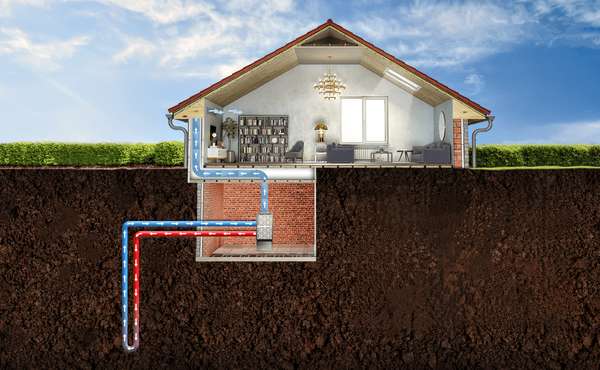
Geothermal (ground source) heat pumps are often cited as the gold standard for efficiency because they draw heat from the stable temperature of the earth rather than the fluctuating air. However, they come with a high price tag. Read more here to learn when geothermal heating is a cost effective.
In 2026, a residential geothermal installation typically costs between $40,000 and $80,000 depending on whether you use horizontal trenches or vertical boreholes. While the system is incredibly efficient, the return on investment (ROI) for a small, well-insulated home is often poor. Geothermal is a great solution for larger buildings or commercial projects where the massive energy savings can offset the high upfront capital cost over 10-15 years.
For a typical single-family home, that $40,000 investment is often better spent on additional insulation, high-performance triple-pane windows, or a high-efficiency air source heat pump. In an "envelope first" home, the heating load is so small that the efficiency gain of geothermal over a standard heat pump may only save a few dollars a month, leading to a payback period that exceeds the life of the equipment.
How do you achieve off-grid resiliency and future-proofing?
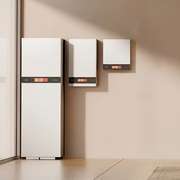
For those looking for an off-grid heating solution, relying solely on solar panels requires a robust battery storage system and a potentially over-sized solar array to account for weeks of cloudy winter weather. Resiliency in this context means the home can maintain a safe interior temperature without any external power.
A home built with a high-performance envelope and passive solar orientation is inherently resilient; even if the active solar panels are covered in snow, the building enclosure and passive heat gain will keep the house from freezing for days or even weeks. A
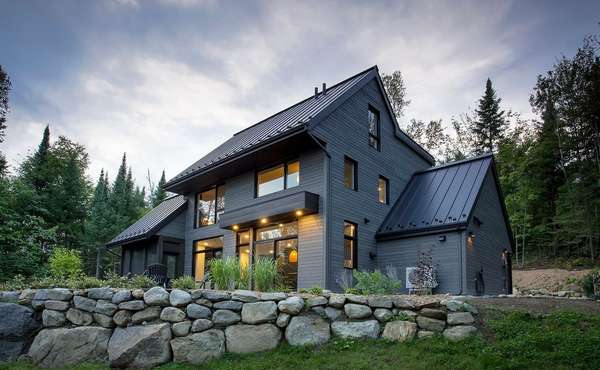
As a case study in passive heating, the first Ecohome demonstration home (called the most resilient house in North America by the Resilient Design Institute), is an example of what is possible. On that page you can see a chart of indoor and outdoor temperatures during a two week period in February when the heat was off, and the house never went below room temperature. Not an easy feat for house in Northern Quebec, so if it can be done there is can be done anywhere.
Summary: Can you heat a home with only solar?
Heating a home with only solar panels is a reality when you prioritize the building envelope and passive solar design. By dramatically reducing heat loss through insulation and airtightness, the remaining heat load can be efficiently managed by a combination of solar PV and heat pumps.
While geothermal is a powerful tool for large-scale projects, it loses its cost effectiveness the smaller a home gets. Most homeowners will find a better ROI by investing in heat retention strategies first and then pairing PV panels with heat pumps. If you gone down this road and have insight - successes or failures to avoid - please share your experience in the comments section below!
Now that you know more about solar heating, find more info about passive house principles & green building techniques in the Ecohome Green Building Guide and these pages below:
-
Learn passive solar home design basics - free video guide
-
Solar panel costs, batteries & incentives (2026 guide)
-
Which heat pump is the best for reliability & efficiency 2025?
-
Choosing between roof top solar panels or solar tracker -which is best?
-
Off-grid living: power generation & energy systems





Comments (0)
Sign Up to Comment