

Envelope first: future-proofing and resiliency
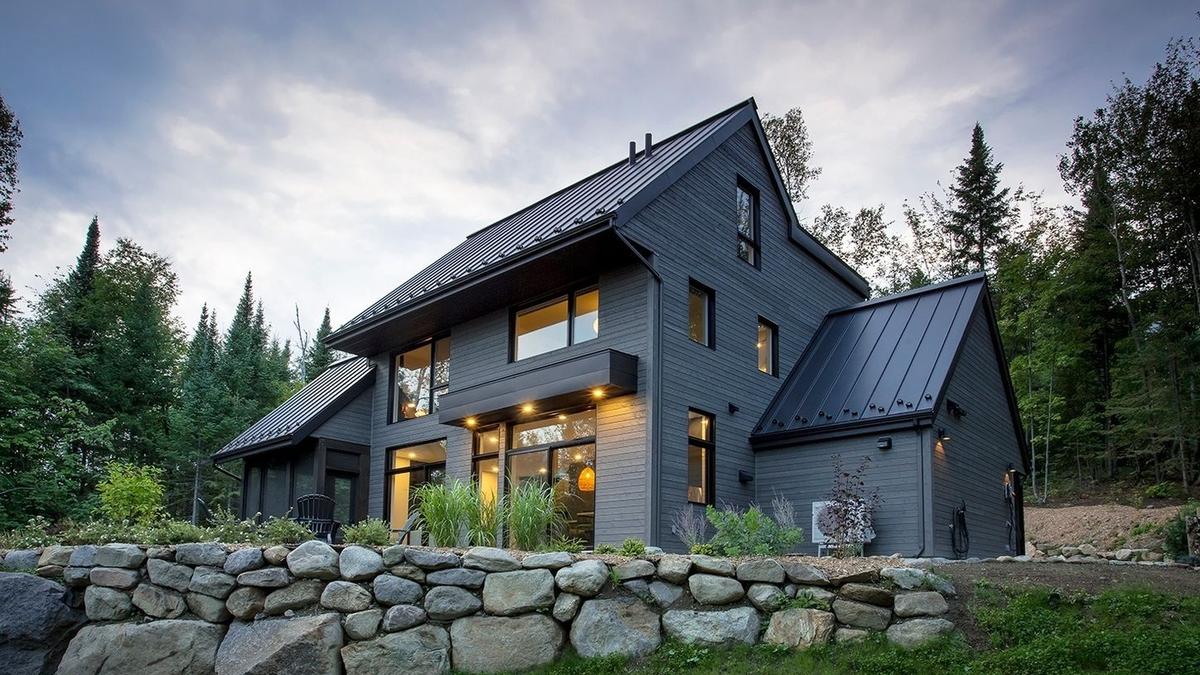
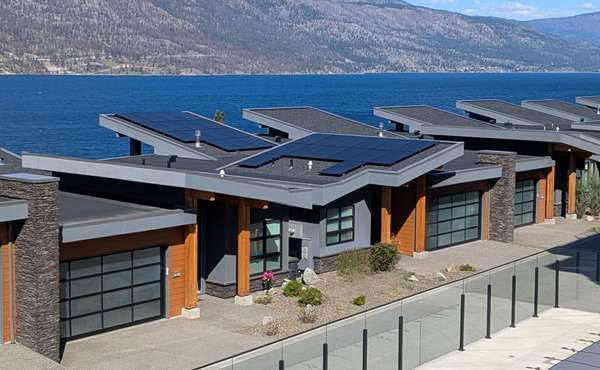
The term 'envelope first' is a very simple design concept that leads to homes that excel in the area of energy efficiency, resiliency, and future-proofing. It may sound simplistic, but it is oddly overlooked by most home designers, to the detriment of homeowners and our rapidly changing climate.
Prioritizing performance of the building envelope means focusing first on heat retention rather than resigning yourself to more complex and larger heating infrastructure and higher operating costs for the life of the building.
This guide provides a comprehensive look at the key aspects of this topic. Below is an overview of the sections we will cover, allowing you to jump directly to the information you need.
- Defining the envelope first philosophy
- Insulation and airtightness: the core pillars
- Glazing strategies: triple pane windows and low-e
- Heat retention vs. generation: the economic offset
- Mechanical ventilation: high efficiency HRVs
- Resiliency and heat security
- In brief
Defining the 'envelope first' philosophy
We have all been lulled into accepting poor-performing homes, as if the standard home performance was well thought out or, that there was really no other way to build. Well, it wasn't, and there is.
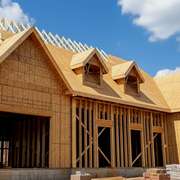
In high-performance building circles, 'envelope first' refers to prioritizing the permanent physical components of the house - the walls, floor, roof, and windows - before selecting the mechanical systems. This philosophy steers the design towards losing as little heat as possible, then and only then, exploring heating solutions.
This approach flips the traditional building model on its head, which follows the bare minimum performance requirements of building code. That nonsensical model means a far greater investment is needed for oversized heating equipment to keep filling the leaky bucket that is your home. 'Envelope first' means focusing on plugging the leaks in that bucket instead of buying a bigger hose so you can run more water.
Insulation and airtightness: the core pillars of home performance
The building enclosure is the only part of a home that is truly permanent. While a furnace might last 15-20 years, the insulation and air sealing in your walls are meant to last as long as the house stands. So, this is not where you want to save a few dollars, as either you, your kids, or the future owners will pay for that decision for decades to come.
The value of higher levels of insulation
Standard building codes define the legal minimum performance that is allowed in a given area, not the ideal performance. Read that this way: Building simply to meet code is the worst-performing home you are legally allowed to build.
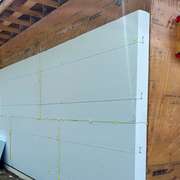
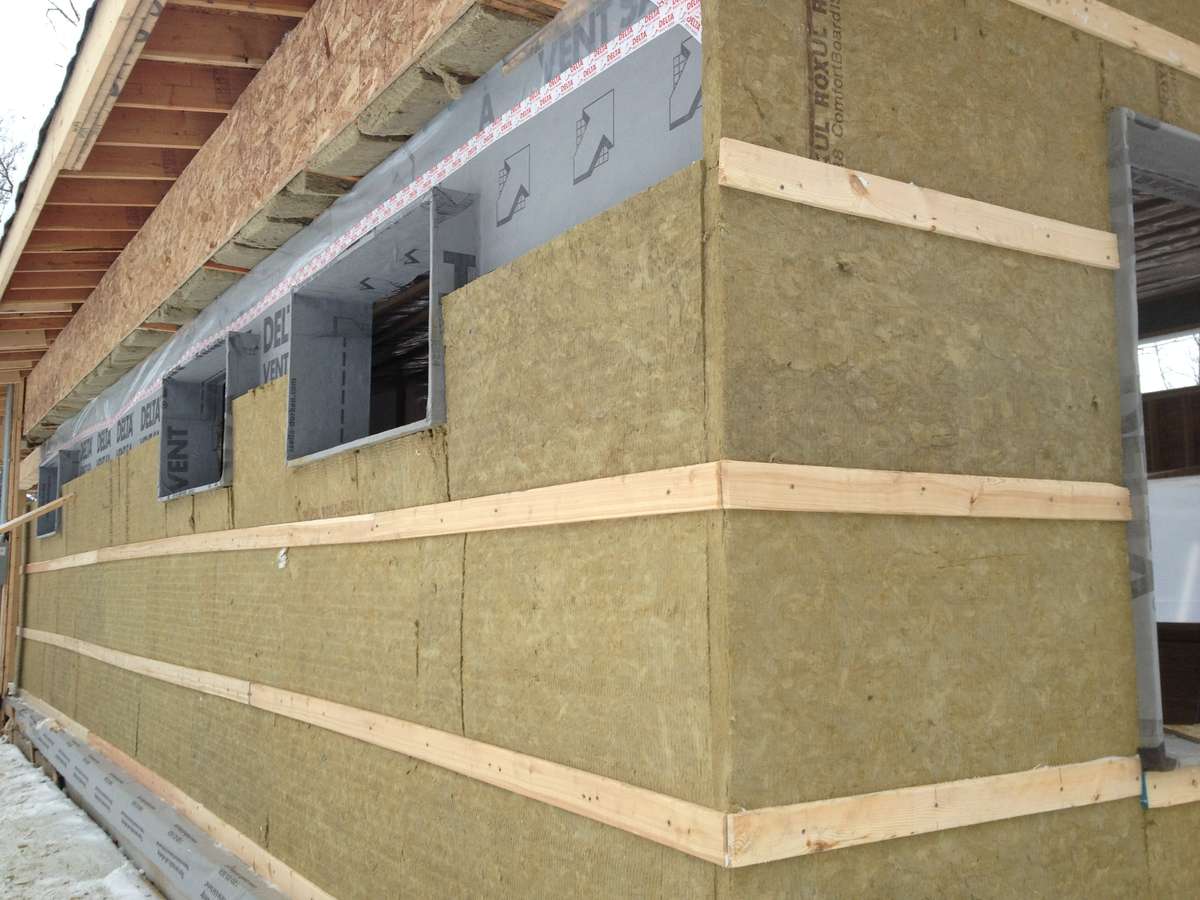
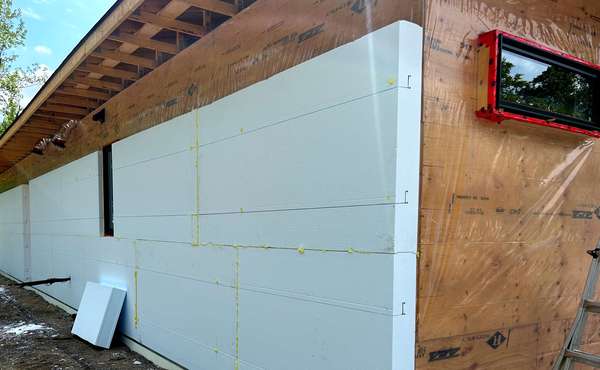
An envelope-first strategy typically pushes for R-values that exceed code by 50% to 100%. This is often achieved through high-performance wall systems that are typically made thicker to accommodate more insulation, and continuous insulation on the exterior to break thermal bridging at the studs.
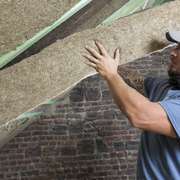
Choosing the right insulation for your climate - whether it is mineral wool, cellulose, or rigid foam - is the first step toward a stable interior temperature.
The importance of airtightness
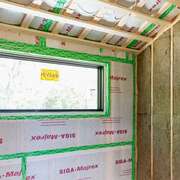
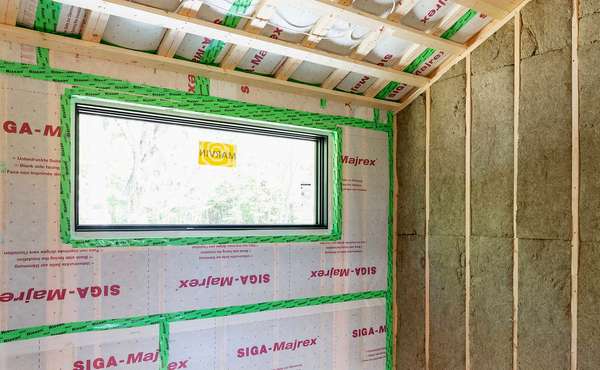
Far more heat is lost through air leakage than you likely realize. A greater investment in insulation is wasted if the wind blows right through it, and air leakage in a poorly sealed home can account for up to a third of its heat loss. Performing a blower door test during construction or renovations calculates the home's ACH (Air Changes per Hour) while allowing you to find and fix leaks.
And speaking to durability for a moment, a proper air barrier not only prevents heat loss, it prevents moisture infiltration through walls. This is how performance, durability, and even comfort go hand-in-hand...and hand.
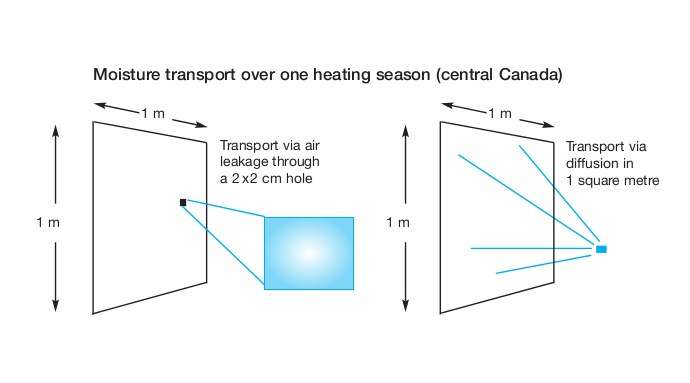
The short story - air barriers stop air leaks, vapor barriers stop moisture diffusion through walls. Below is a diagram showing how much moisture can be deposited in a wall through air leakage, which is literally 100 times greater than the amount deposited by vapour difusion though walls. The takeway here is - air barriers are very important!
Glazing strategies: triple-pane windows & low-E
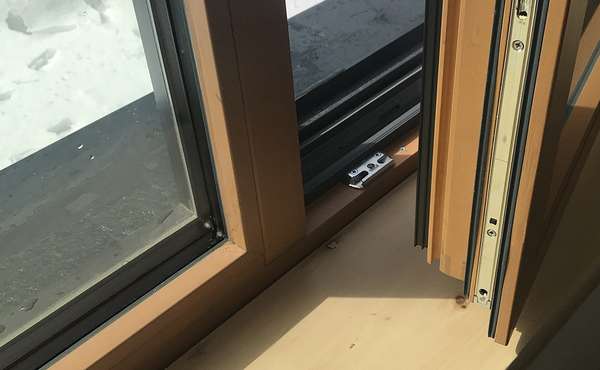
Windows are the thermal holes in your envelope. Even the best window is far less efficient than a mediocre wall. To maintain a high-performance enclosure, triple-pane windows are often a requirement in cold climates like Canada or the Northern US.
Beyond just the number of panes, the placement of low-e coatings is a vital design consideration. These microscopic metallic layers reflect infrared heat. On south-facing windows, you might want a high Solar Heat Gain Coefficient (SHGC) to let in free passive solar heat in winter.
On north-facing windows, you want coatings optimized for heat retention to stop energy from escaping. Well-placed low-e coatings can make the difference between a room that feels drafty and one that remains comfortable at 18 inches (45 cm) from the glass.
Heat retention vs. heat generation: the economic offset
A common critique of high-performance building is the upfront cost. However, the envelope-first philosophy brings with it an economic offset - smaller heating infrastructure and lower monthly bills.
When a home is designed for maximum heat retention, the peak heating load drops so significantly that traditional, oversized systems become unnecessary and even a liability. Research indicates that furnaces are often sized far beyond the actual needs of a home, leading to increased energy consumption through short-cycling. This unnecessary and increased 'start and stop' usage will also shorten equipment lifespan.
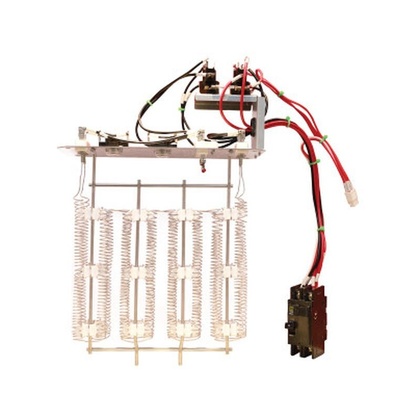
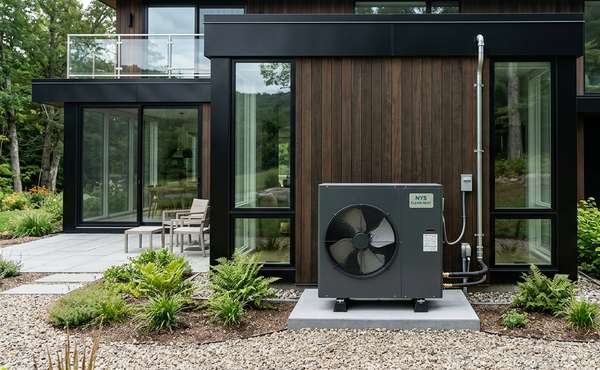
By investing in a high-performance shell, you can achieve a legitimate economic offset. For example, a standard home might typically be fitted with a 60,000 BTU furnace, while an envelope-first home of the same size might only require a load of 15,000 BTUs. This allows for the selection of smaller, more efficient heating equipment such as heat pumps.
This reduction also extends to the distribution system. In a poorly insulated home, heat must be delivered rapidly to the perimeter to combat drafts. In a high-performance enclosure, the interior surfaces remain closer to the air temperature. This means you can often reduce the number of baseboard heaters or utilize smaller boilers. Read here about how to design homes for human comfort.
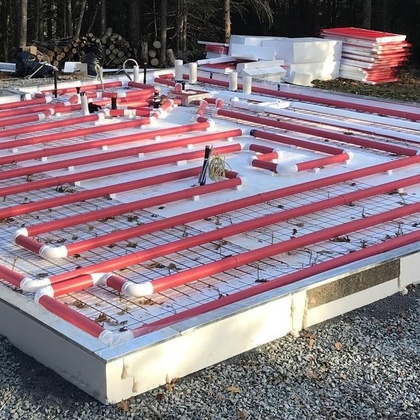
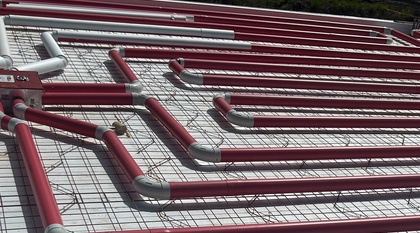
For hydronic systems, a robust approach is to maintain standard pipe spacing but run the system at much lower water temperatures. This increases the efficiency of condensing boilers or air-to-water heat pumps while maintaining perfect thermal stability.
Thermal bridges and thermal breaks
Thermal bridging is the invisible thief of energy in even the most well-insulated homes. It occurs when a highly conductive material - such as steel, aluminum, or even standard wood framing - creates a continuous bridge from the warm interior to the cold exterior.
Because heat follows the path of least resistance, it will bypass your expensive insulation and pour through these structural members. Without a dedicated thermal break to interrupt this flow, a high-performance wall can lose a significant percentage of its effective R-value, leading to cold spots and higher heating loads.
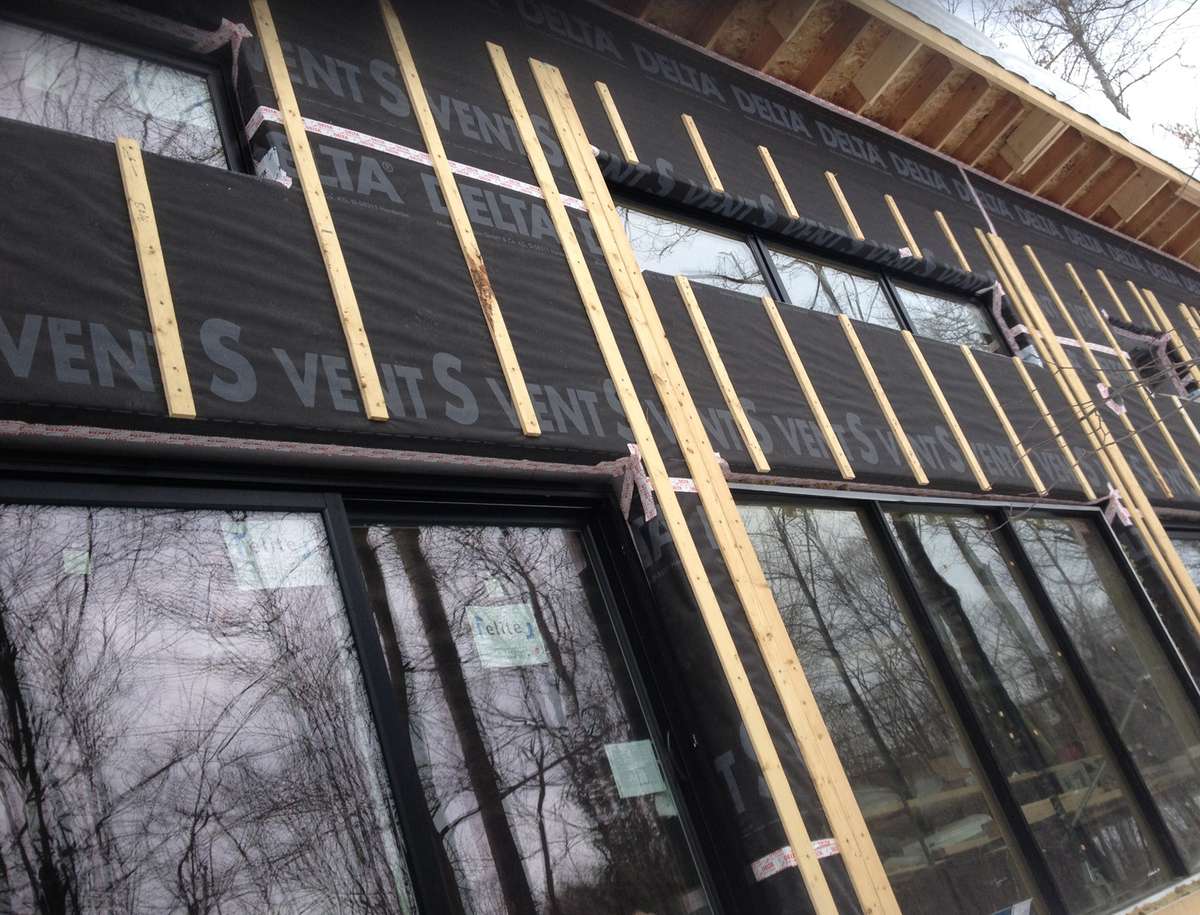
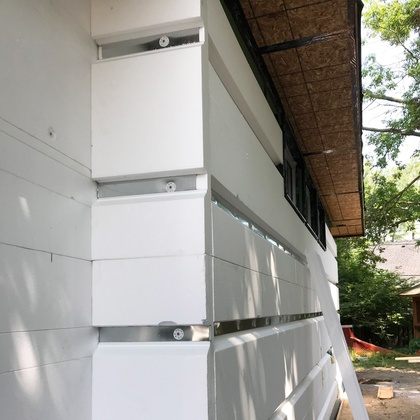
Metal fasteners are one of the most common, yet overlooked, culprits in this process. When thousands of steel screws are used to attach exterior insulation or siding, each one acts as a tiny thermal spike. While a single screw seems insignificant, the cumulative effect across a large surface area can reduce the overall performance of an assembly by as much as 10% to 15%.
The solution is the intentional placement of a thermal break - a material with low thermal conductivity - to separate the conductive elements. This can be as simple as a layer of rigid mineral wool or foam board that runs continuously over the outside of the studs, ensuring that the only thing 'bridging' the gap is a material designed to resist heat flow.
By ensuring that insulation is truly seamless and that every structural bypass is interrupted, the home maintains a stable interior temperature and remains protected from the long-term risks of localized cold spots.
Mechanical ventilation: efficient ERVs & HRVs
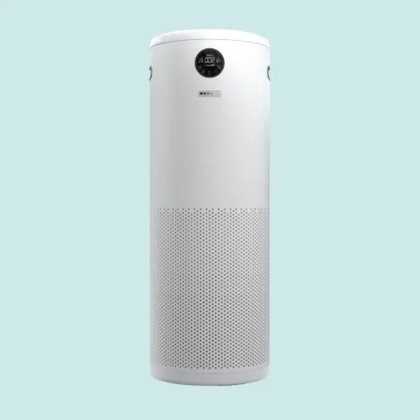
Once you build a home that is airtight, you must ventilate it properly. You cannot rely on the accidental ventilation that homes built a generation ago had from leaks in the walls. This is where higher efficiency HRVs (Heat Recovery Ventilators) come into play. An HRV brings in fresh outdoor air and exhausts stale indoor air, but it uses a heat exchanger to transfer the warmth from the outgoing air to the incoming air.
This is the final step after perfecting the wall system. In an envelope-first home, a high-efficiency HRV ensures indoor air quality without throwing away all the heat you worked so hard to retain. Choosing between an HRV and an ERV depends largely on your local humidity levels, but both are essential for a healthy, efficient enclosure.
Resiliency and heat security in homes
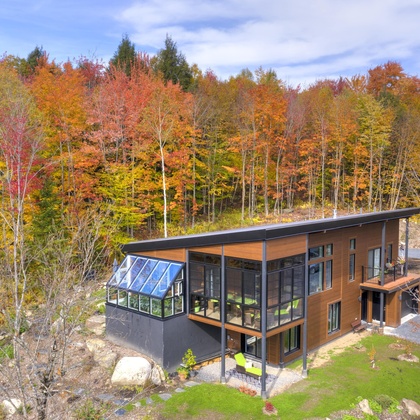
Beyond the monthly savings, there is the matter of heat security during service outages. In a standard home, if the power goes out during a winter storm, the temperature can drop to dangerous levels in just a few hours. A home built with an envelope-first focus could mean the difference between staying home and needing to seek shelter elsewhere.
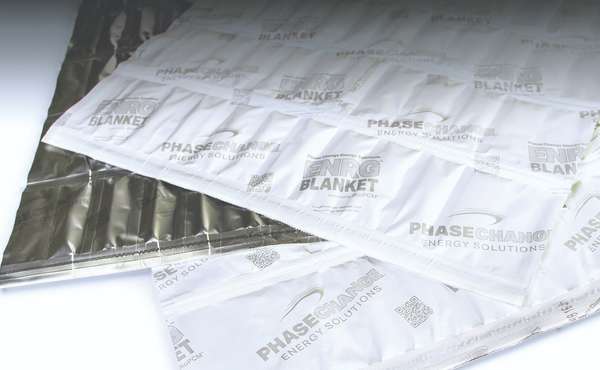
When walls retain heat effectively, it can take days, rather than hours, for the interior to reach freezing levels. This provides peace of mind and safety for families, making the home a literal shelter from the storm. Additionally, including significant thermal mass in a home helps retain heat and regulate temperatures.
In brief
The envelope first approach is the most logical path toward sustainable construction. By prioritizing heat retention before heat generation, we create homes that are cheaper to operate, more comfortable to live in, and better prepared for the future.
Investing in high-performance wall systems, triple pane windows, and airtightness isn't just an "extra" - it's a fundamental shift that reduces the need for expensive mechanical systems and protects the homeowner's bottom line.
Now that you know more about envelope first building, find more info about high performance enclosures & green building techniques in the Ecohome Green Building Guide and these pages below:
-
How to design for human comfort in a home
-
Thermal mass in homes: ICF walls and heat retention
-
Air sealing for airtightness: balancing air pressure
-
The first step to designing a high-performance home












Comments (0)
Sign Up to Comment