






The first step towards designing and building a home: Should you hire an architect?
Knowing where to turn first to design and build a custom home can be intimidating, especially when you start thinking of all the costs. So what is the first step and who do you call first?
Do you call an architect, a general contractor, an architectural technolgist, or a design-build firm? Hiring the right people to design and manage the construction process is essential, especially if your goal is to have a sustainable, healthy and resilient home.
Here we will cover the different roles the different professions can play in the process of building a custom home, as there can be some overlap. And we will first start with architecture.
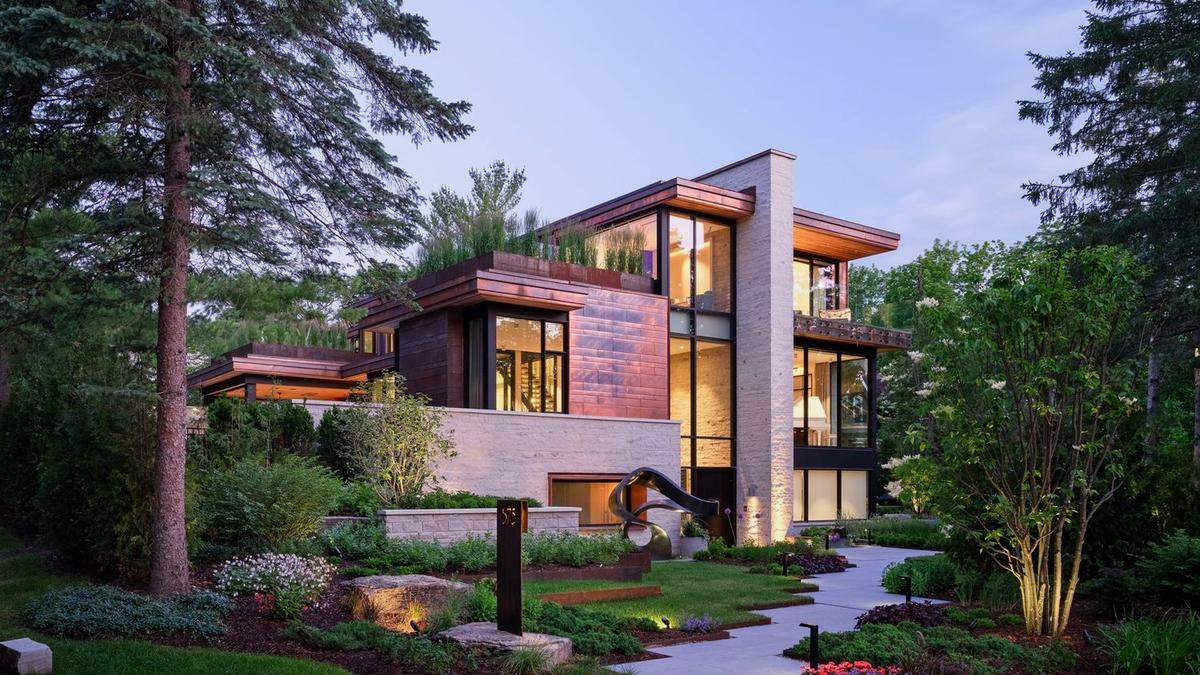
A skilled architect that specialize in green home design can do more for you than just design the home and draw up plans. They often act as the project leader and follow the build from start to finish.
The includes initial site analysis for determining the homes location, designing the home based on building science and passive design principles to create a high-quality home that meets your lifestyle needs, consumes minimal energy, and is built to last. Here we will clarify the value proposition, the costs involved, and the key players in the design process.
This guide provides a comprehensive look at the key aspects of this topic. Below is an overview of the sections we will cover, allowing you to jump directly to the information you need.
- The architect's value proposition for high-performance homes
- What does it cost to hire an architect?
- How to find the right high-performance architect
- Workarounds and how to make design affordable
- Architects, technologists, and engineers: who does what?
- The project process and what is a design/build firm?
- In brief: architect value and the project team
The architect's value proposition for high-performance homes
The decision to hire an architect for a high-performance home is often justified by their ability to deliver a holistic, integrated design that minimizes a building's energy consumption while maximizing thermal comfort for occupants in homes. This goes far beyond the services offered by a standard designer.
Integrated design and passive solar strategies
A green home architect should have a solid knowledge of passive heating and cooling design principles of homes - using the direction of the sun as a primary consideration to passively heat and cool the home, as well as add natural light. Not all sites will have direct sun exposure you can benefit from, but if it does you can knock a noticeable amount off your heating bill when you design with that intention.
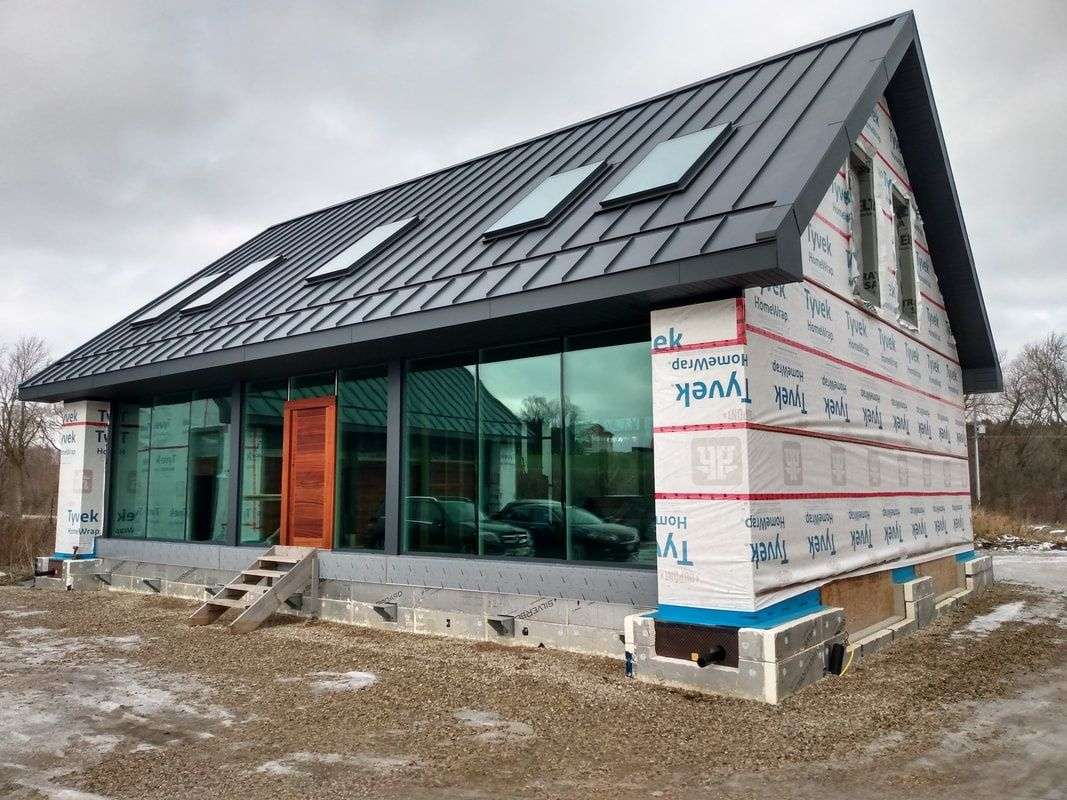
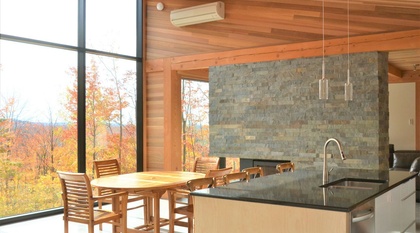
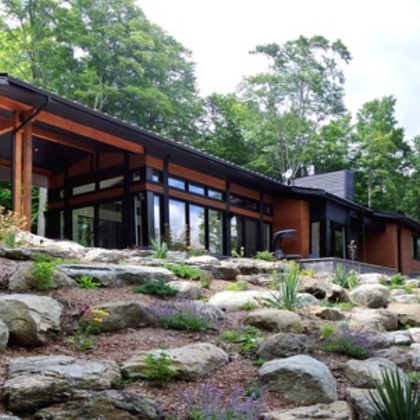
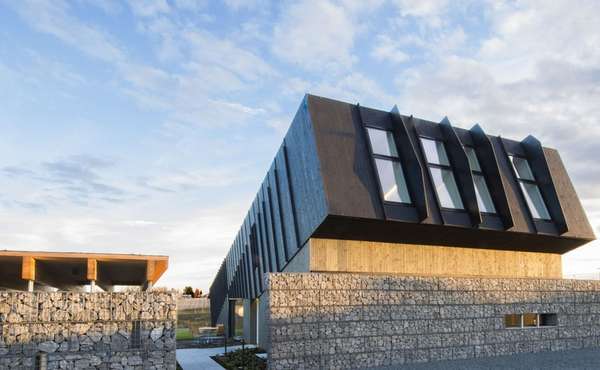
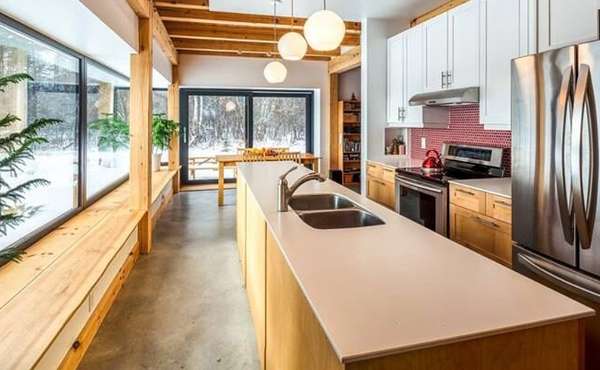
As an example, about 10 years ago Ecohome built the LEED V4 Platinum Edelweiss House as an experiment in performance building (seen below), and modelling showed over 50% of the heat load was provided by direct sun from south facing windows. That is an extreme example, but it's a testament to what is possible.
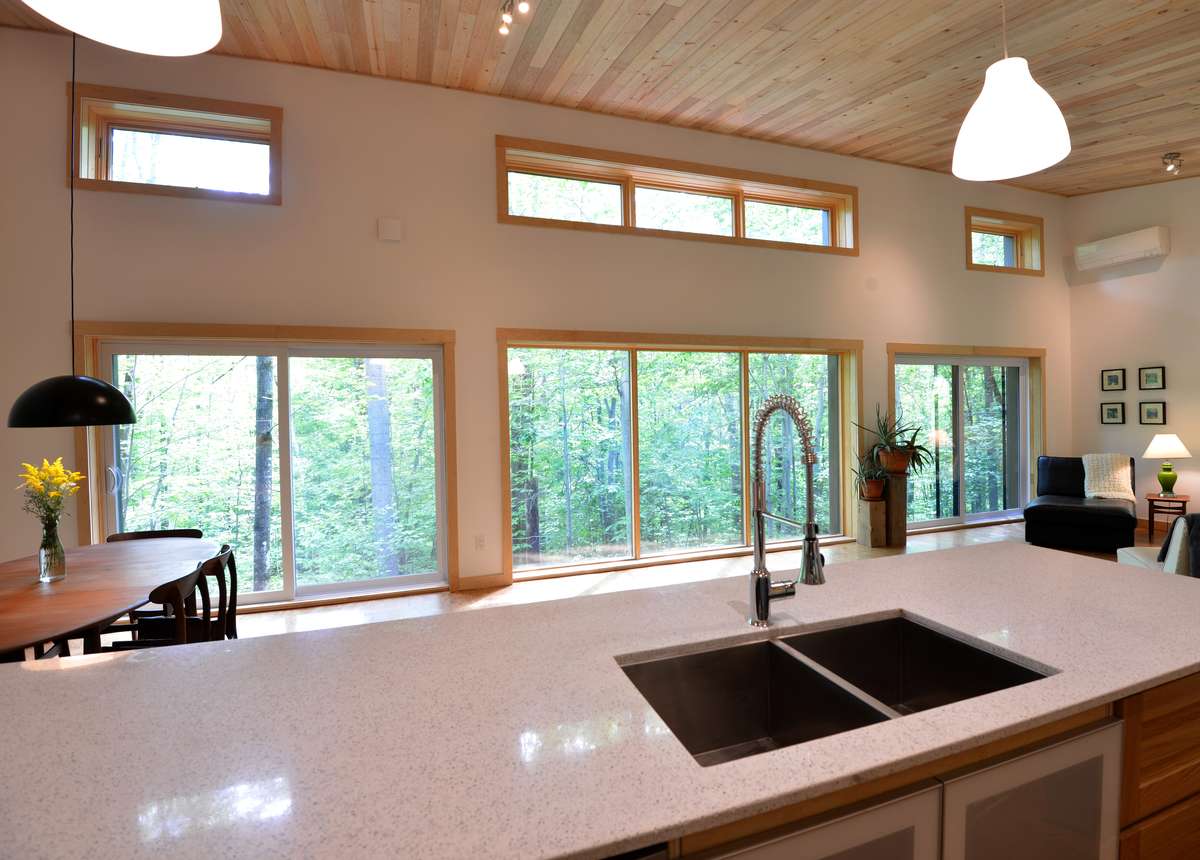
Passive solar design and orientation considers your specific location in relation to true south to optimize window placement, orientation, and roof overhangs. For instance, in northern climates like Canada, the UK, or the northern US, they will maximize south-facing glazing to capture free winter heat.
But as important as letting the winter suns heat in can be, smart shading options to keep homes cool in summer is equally important for comfort and efficiency to avoid unnecessarily heating the home.
In hot regions like Australia or the southern US the opposite is true. Passive solar design in cooling climates requires minimizing south and west-facing exposures, and incorporate shading devices to prevent unwanted heat gain.
Envelope first home design principles for energy efficiency and resiliency
The term 'envelope first' can be heard in high performance design circles, and refers to the idea of focusing on super efficient wall and roof assemblies. The opposite of that would be just building to the low standards of building code and resigning yourself to spending more on heating systems and future operation.
That would of course be a lost opportunity, because with hiring an architect you should expect that along with beauty and comfort that there would be design features and material selection to keep a home as efficient and cheap to operate as possible.
Managing complexity and risk
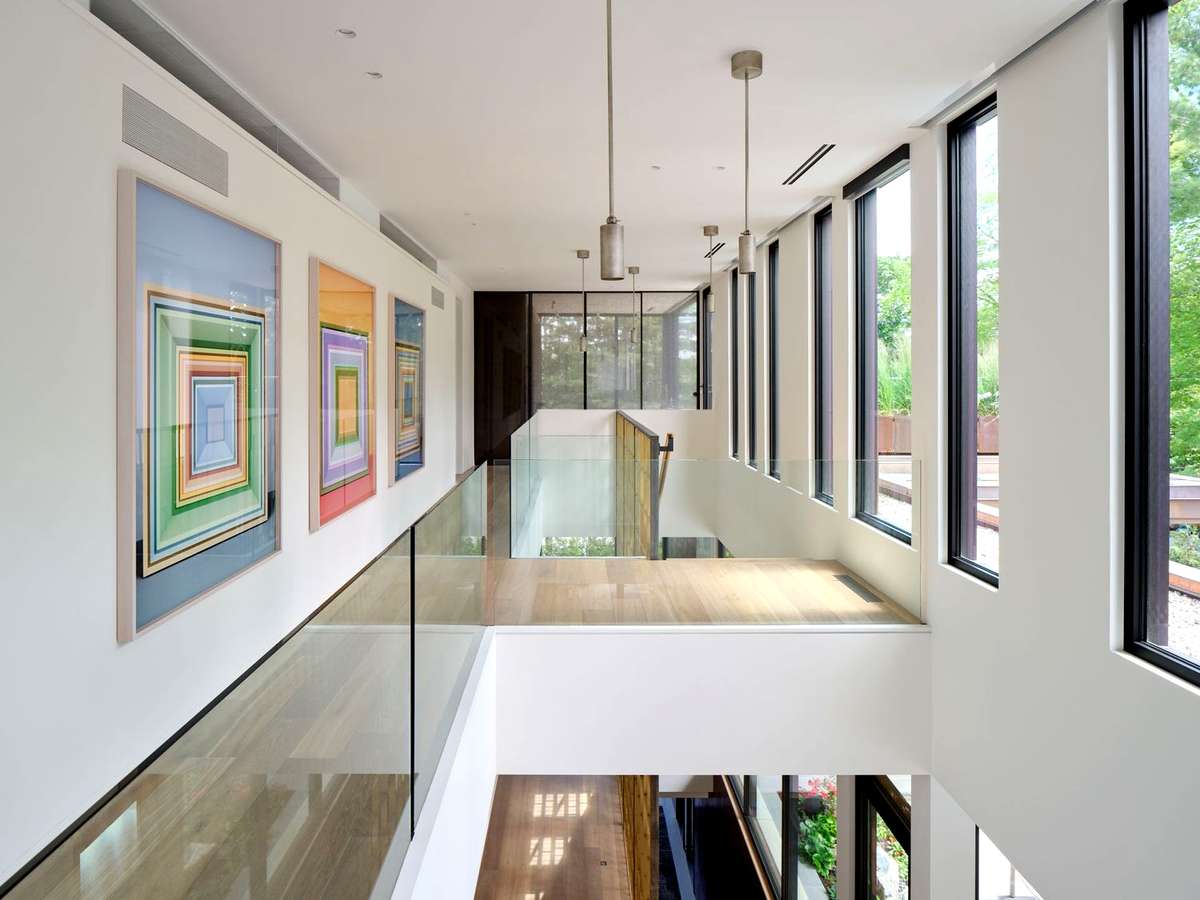
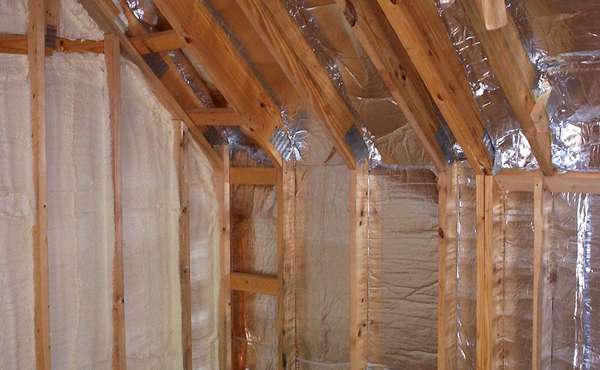
High-performance builds require meticulous attention to detail, particularly in the building envelope (insulation, proper air sealing, and choosing the right windows). Durability and performance go hand in hand, so integration and communication between architects and builders is the key to avoiding costly mistakes and cost overruns.
Architects produce detailed drawings and specifications that contractors rely on to achieve future performance goals and avoid costly mistakes on site, and archirtects that are accessible during construction will help keep a project on track.
What does it cost to hire an architect?
Architectural fees are often referred to as 'soft costs' along with permits and other planning fees. They are typically calculated as a percentage of the total construction (hard) costs, or as a fixed fee, which can range widely depending on the project's complexity.
Fee structure breakdown
- Percentage of construction cost: For a custom high-performance home, you should generally expect fees to range from 8% to 15% of the total construction cost. For a complex design such as a certified Passive House or a home built on a very difficult site - costs will likely be at the higher end of the scale, or even beyond.
- Fixed fee: Some architects prefer a fixed fee for clearly defined scopes of work. This provides cost certainty to the homeowner but requires a comprehensive brief upfront.
- Hourly rate: This is often used for preliminary consultation, site analysis, or minor changes during construction. Hourly rates (in USD or CAD) are incredibly difficult to narrow down with any type of accuracy, but in 2026 as a very general range in an average city - expect maybe $80-100 per hour for a junior architect with limited experience, and up to $350 or even more per hour for Senior Partner in a firm.
Costing example: On a $500,000 (CAD or USD) construction budget, you should allocate $40,000 to $75,000 for architectural and design fees. This budget must also include specialized engineering fees for structural, mechanical, and sometimes geotechnical work, which often adds another 2% to 5% to the total soft costs.
How to find the right high-performance architect
Finding a professional who understands the specific demands of sustainable construction is the most important step for the success of your project.
Key green credentials to look for:
The right architect needs more than just a license; they need proven experience with energy-efficient building standards. Look for:
- Passive House Certified: This is the gold standard. Look here to find a Certified Passive House Designer (CPHD) or Consultant (CPHC). These professionals are trained in the complex energy modeling software (PHPP) required to predict a home's performance accurately.
- LEED/BREEAM experience: Experience with these holistic certification programs (common in the US, Canada, and the UK) demonstrates an understanding of protecting air quality with healthy building materials, site management, and water efficiency.
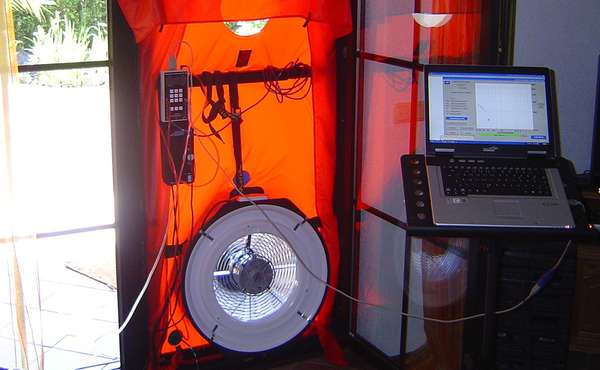
- Relevant portfolio: Ask to see their portfolio of completed high-performance homes. Do not settle for projects that only 'claim' to be passive; ask for homes that have been tested and verified with a blower door test after construction or that hold green home certifications such as LEED, BREEAM, Passive House or Net Zero.
Workarounds for more affordable designs
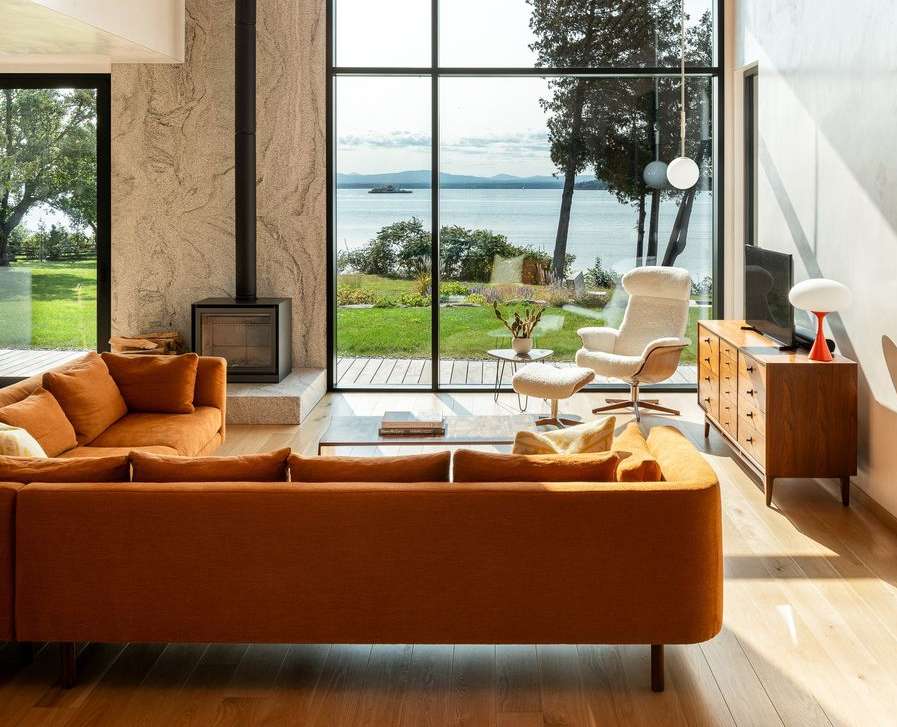
For homeowners on a strict budget, there are strategies and workarounds to get the benefits of thoughtful design without the full cost of bespoke architectural services.
The 'design your own floor plan' workaround
It is a common misconception that you can skip the architect by simply presenting a polished floor plan you designed yourself. There could be some outlier areas in Canada or the US where this may be true, but don't count on it.
While you absolutely can - and should - come to an architect with at least some vision or idea in mind of what you're looking for, that is more to give them an idea of the feel or style you afe after. They will likely need to redesign or substantially modify whatever you provide for several reasons:
- Building science: Your basic plan will not account for crucial elements like precise solar angles, the necessary wall thickness for superior insulation, or the placement of mechanical systems. An architect will adjust the plan to ensure a high-performance envelope.
- Code compliance: Only an architect, architectural technologist, or a structural engineer (depending on the jurisdiction and complexity) can produce the final, stamp-ready drawings required for a building permit that comply with local building codes (IRC in the US, NBCC in Canada, or specific regulations in the UK/Australia/NZ).
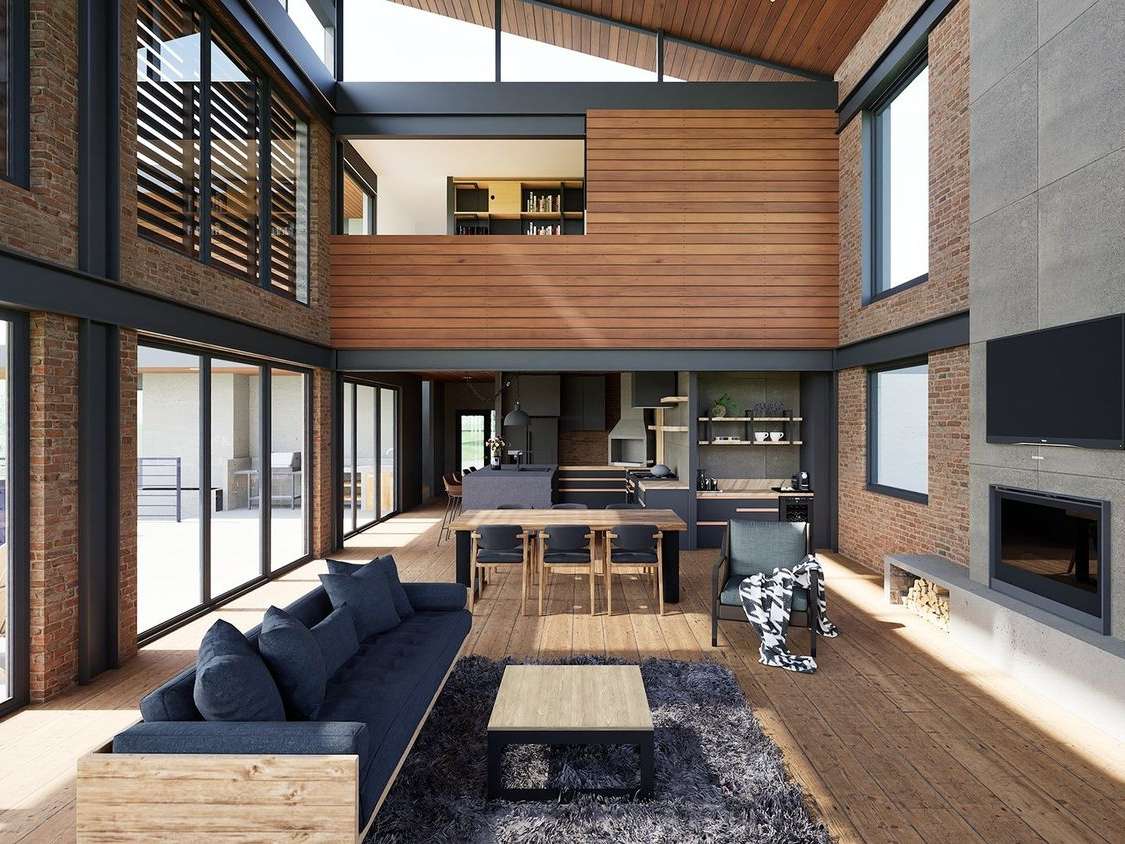
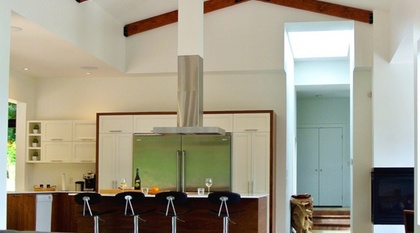
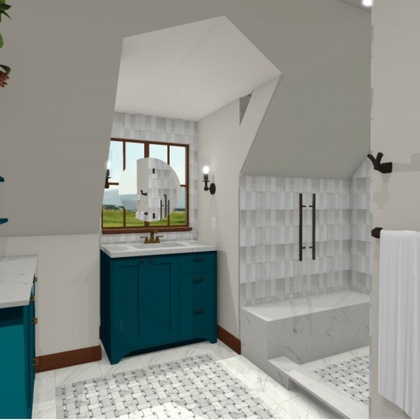
For home design inspiration - visit the Ecohome image library of architect-designed homes, kitchens, bathrooms and exteriors etc. And if you sign up for a free Ecohome membership and save your desired images to your personal folder, you can invite Architects, Design Firms and Contractors to view them and even use that as a tool so they can bid on projects.
Strategies for saving on design costs
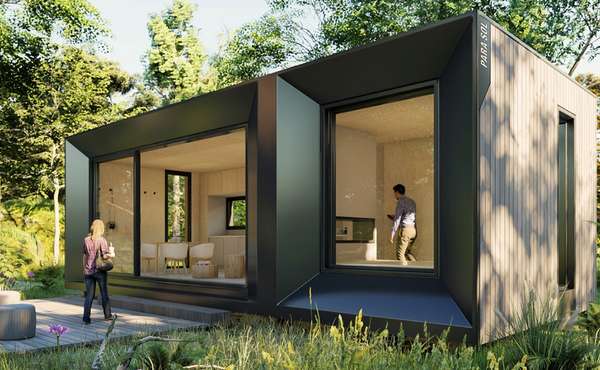
- Use existing plans like prefabs or kit homes: One of the most effective ways to save is to find an architect-designed prefab, kit, or modular home available in your area. These use standardized, pre-engineered components, reducing custom design costs dramatically while often meeting high standards like Passive House.
- Limited scope service: Hire an architect only for the most critical phase: schematic design and planning. You can then hire a less expensive architectural technologist or building designer to produce the final construction documents based on the architect's concept.
- Simplify the form: Complex shapes (corners, bump-outs, custom rooflines) require more time, materials, and detailing. Designing a simple, compact, rectangular, or square footprint home will significantly reduce both design and construction costs. Interior space saving home design and storage ideas can help make smaller spaces feel big, another cost saving concept that can reduce your home size and therefore overall building costs. Read here about how to choose the best roof profile for your home.
Architects, technologists, and engineers: who does what?
These three roles are often confused but have distinct scopes of work, licensing requirements, and legal responsibilities in a high-performance project.
Architect: Conceptual design, aesthetics, spatial planning, passive solar strategy, overall project vision. They are legally licensed to take ultimate professional responsibility for the design of the entire building and are legally accountable for health, safety, and welfare.
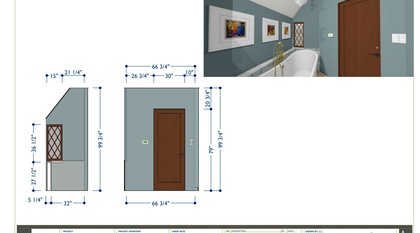
Architectural technologist: Technical design, drafting, construction drawings, detailing, and 3D modeling. | Creates the working drawings used for construction. While highly skilled, they are generally not licensed to stamp drawings for large, complex structures and often work under the direction of an Architect or Engineer.
Engineer: Responsibilities include structural integrity (load-bearing walls, foundations, roof trusses), mechanical systems (HVAC), or electrical/geotechnical requirements. Licensed professional who signs and seals drawings for specific technical elements, carrying legal responsibility for the safe, functional performance of that system.
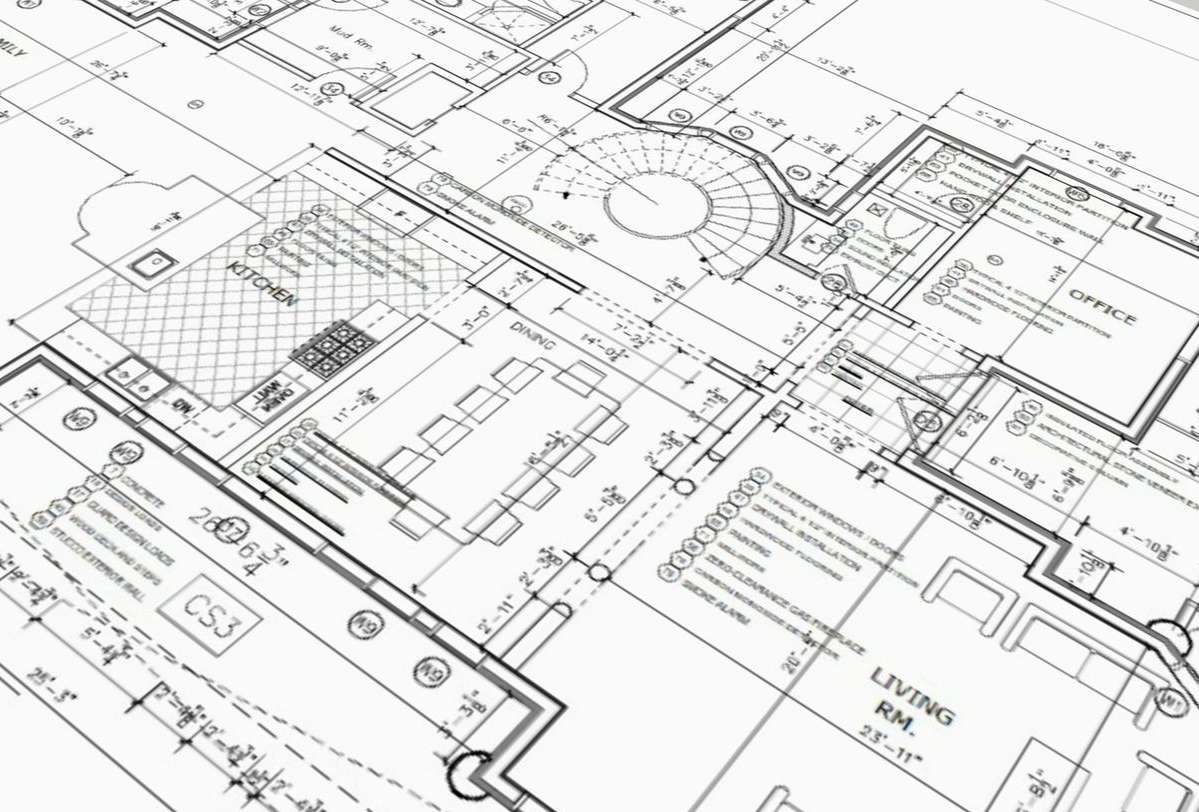
In the simplest terms, the architect designs the aesthetic and the user experience, the technologist draws it, and the engineer ensures it won't fall down and that the mechanical systems will function properly. All three must collaborate closely on a high-performance home, as the energy model (often managed by the architect) directly affects the structural needs and mechanical system sizing.
The project process and what is a design/build firm?
Understanding the traditional process and the alternative integrated 'design/build' construction firm approach is key to setting expectations for your project timeline and budget.
The traditional design-bid-build process
In a traditional process, the design and construction phases are separated, providing a system of checks and balances:
- The homeowner calls an architect first.
- The architect completes the design, produces all drawings, and helps manage the permitting process.
- The homeowner (often with the architect's help) puts the final plans out to tender (bid) to multiple general contractors (GCs).
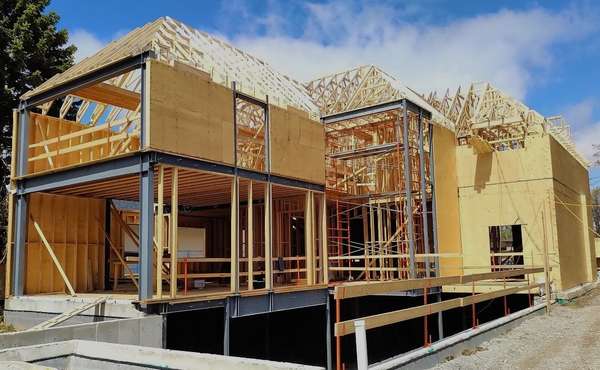
- The general contractor is hired last. Their role is to manage the construction, coordinate sub-trades (plumbing, electrical, HVAC), and execute the design according to the architect's plans.
- The architect often stays on for construction administration to ensure the GC builds exactly as specified.
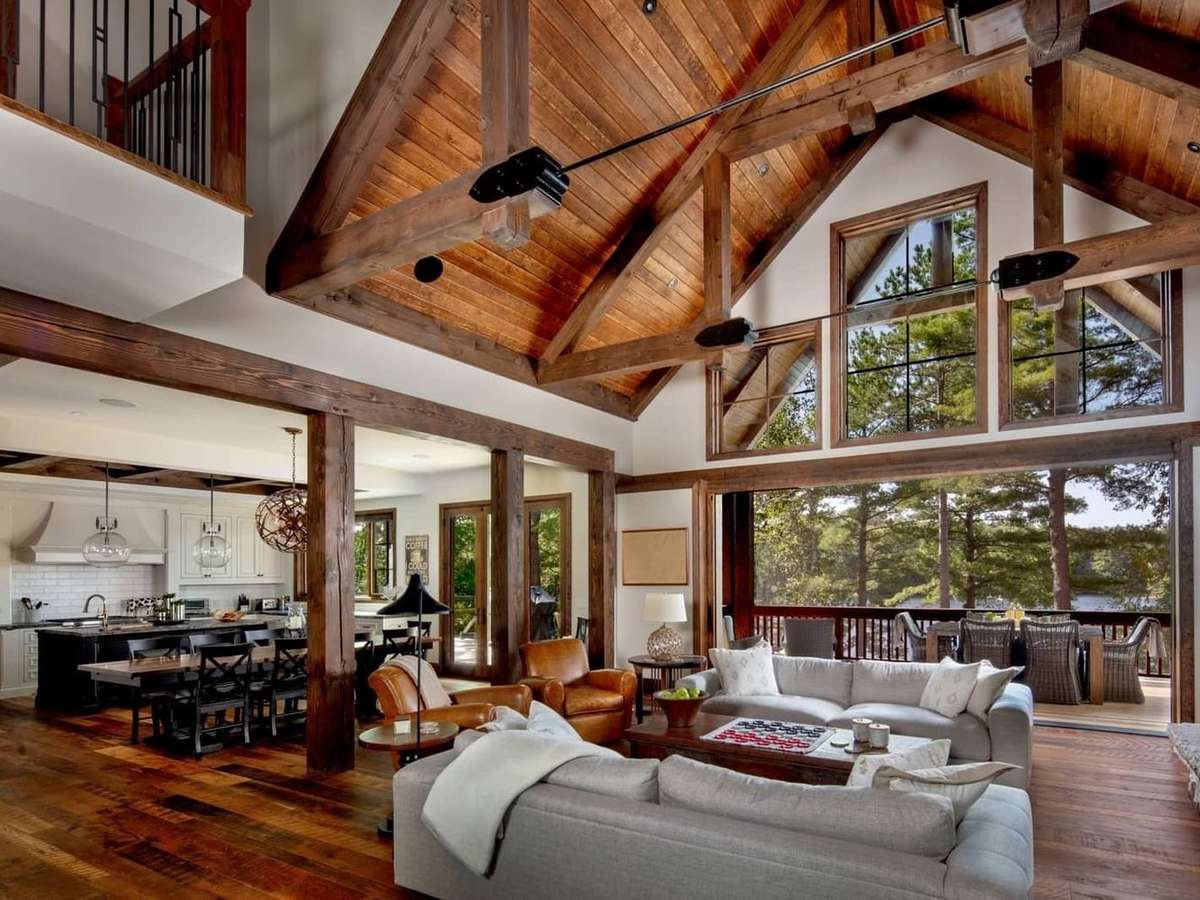
The GC's involvement in a high-performance build is critical; look to find a general contractor with proven green home experience in airtight construction and high-efficiency materials.
The design/build firm model
A design/build firm combines the architect/designer and the general contractor under a single roof, which can simply the project.
- Role: The firm manages both the design and the construction. The homeowner only has one point of contact and one contract.
- Pros: This process is often faster and can be more budget-friendly because the designer and builder are communicating from day one. There is less risk of the design being un-buildable or over budget.
- Cons: The main drawback is the loss of the check and balance system. Since the designer and builder are the same entity, there is less independent oversight to ensure the highest quality standards are met during construction. If you choose this route, it is highly recommended to hire an independent third-party green building professional (like hiring a Passive House Consultant) to perform site inspections and quality control testing, such as blower door tests.
In brief: architect value and the project team
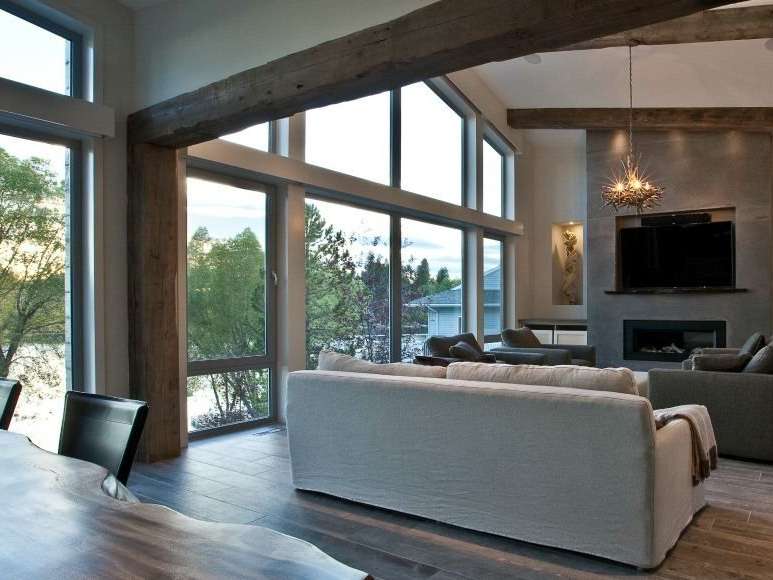
For a truly custom, high-performance, and sustainable home, hiring a specialized Architect or high-performance designer is the most effective path to ensure the home functions as intended. While it is the most expensive design route (expect 8% to 15% of construction costs), this fee typically buys you long-term savings in energy bills, superior comfort, and a lower risk of construction failure.
For affordability, consider using pre-designed plans or hiring a technologist for drafting work after the initial conceptual design phase. The successful execution of your project hinges on a collaborative team where the Architect, Technologist, Engineer, and General Contractor each respect the specific technical roles required for a sustainable build.
Now that you know more about the first step towards designing and building a home, find more info about assembling your green building team & green building techniques in the Ecohome Green Building Guide and these pages below:
-
Where can I find a green home architect near me?
-
Design build firms - what do they do and are they a good idea?
-
How to plan and budget for home renovations and new builds
-
Sign up here for the Ecohome Resilient Design Principles webinar















Comments (0)
Sign Up to Comment