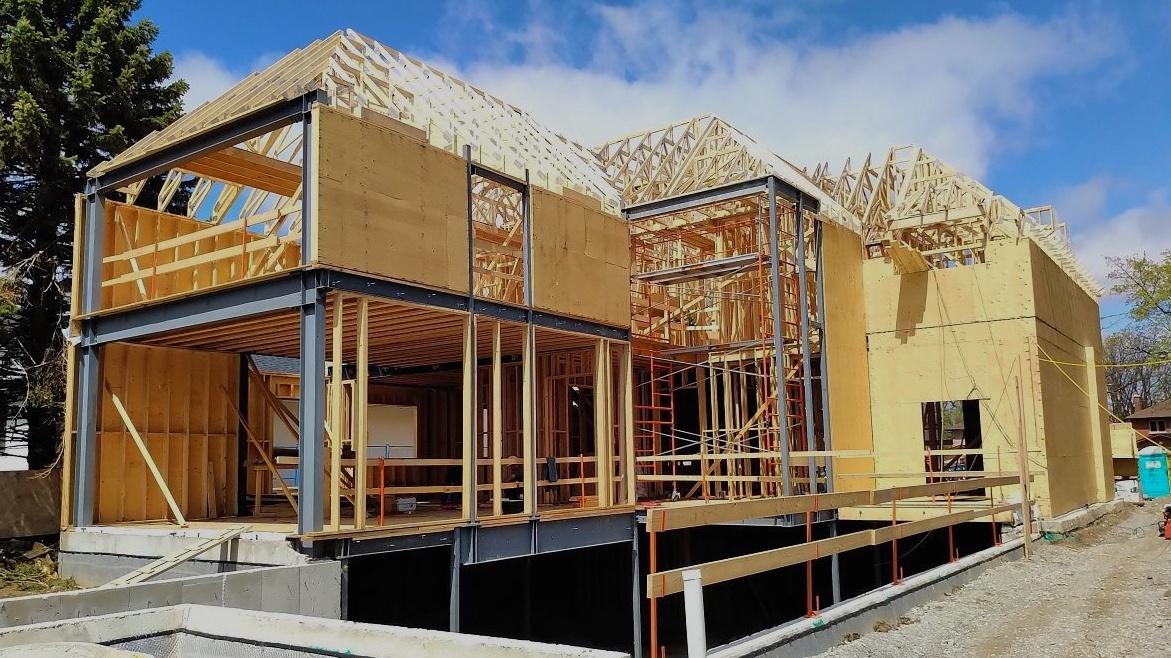
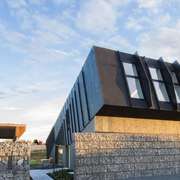
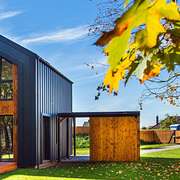
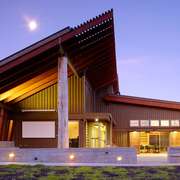
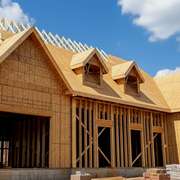
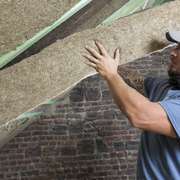




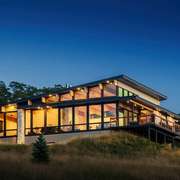

Design-build companies are as simple as the name suggests, they bring together the design and construction elements of homes under one umbrella. With design-build firms you deal with one project management company, so it keeps - for good or bad - all the responsibility and accountability in one set of hands.
The construction industry is always evolving in both product and design, as well as how they are delivered to the market. The design-build concept is not new, but it is rapidly gaining in popularity as it offers a compelling alternative to the traditional and often fragmented method for building and renovating homes.
This integrated approach, where the designer and builder work together from day one, can lead to a more efficient, cost-controlled, and accountable process, especially beneficial for complex, high-performance green building projects where design intent must be perfectly executed on site.
- What is a design-build firm and how does it work?
- The advantages of design-build for sustainable and high-performance homes
- Challenges and disadvantages of the design-build approach
- Who is on a design-build team and what are their roles?
What is a design-build firm and how does it work?
A design-build firm essentially provides one contract and one single point of responsibility for both the architectural design and the final construction of your home.
This differs fundamentally from the traditional method, where a homeowner hires an architect or designer to create the plans, and then hires a general contractor via a separate bid process to build it. In the US, Canada, the UK, and Australia, D-B has seen significant growth because of its potential to streamline workflows and reduce overall project risk.
This contractual model between homeowners and the team that will carry out the work allows for construction planning to begin much earlier, often overlapping with the design phase - a process known as fast-tracking.

The three core phases of the design-build process
While specific steps vary by region, the core process remains the same globally:
- Design phase: The in-house or partner designer works with the client to develop plans. The construction team is often involved from the start, providing real-time cost estimates and constructability feedback. This early input is crucial for keeping the project aligned with the budget.
- Pre-construction phase: Detailed construction drawings are finalized. The firm handles permits, final material selection, and procurement. Because the builder has been involved in the design, there are fewer surprises or delays related to material availability or site logistics.
- Construction phase: The firm manages the build, executing the design. Since the designer and builder are on the same team, issues are typically resolved internally and quickly. This prevents the common 'blame game' seen in traditional contracts between the designer and the contractor if things ever go sideways.
The advantages of design-build for sustainable and high-performance homes
For homeowners and professionals aiming for high-performance standards like Passive House or Net-Zero Energy (NZE), the design-build model offers several distinct benefits.
Single-source accountability and reduced risk
In the UK, Australia, and North America, a common pain point in construction is accountability. In the traditional model, if a design flaw leads to a costly construction issue, the designer will often blame the builder for poor execution, or the builder will blame the designer for flawed drawings.
Design-build eliminates this since the firm is responsible for both the design performance and the build quality. This is a massive advantage for green building, where details like the air barrier and thermal bridging are critical. If the home fails an airtightness test (like a blower door test), the responsibility lies squarely with the D-B firm to fix it.
Cost control through early commitment
The integrated nature of the D-B process allows for a Guaranteed Maximum Price (GMP) to be established much earlier in the project. The builder's input during the initial design phase means the design is developed with the actual market costs of materials and labor in mind.
For homeowners, this means fewer budget surprises. For professionals, this means the budget doesn't force a value engineering phase that sacrifices critical sustainable elements, such as superior insulation or high-performance windows, late in the process.
You can find more advice on this subject in our guide: How to plan and budget for home renovations and new builds.
Enhanced speed and project efficiency
By overlapping the design and construction phases, the D-B model can significantly reduce the overall project timeline. This is especially true in Canada and the US where cold weather can halt or delay traditional site work.
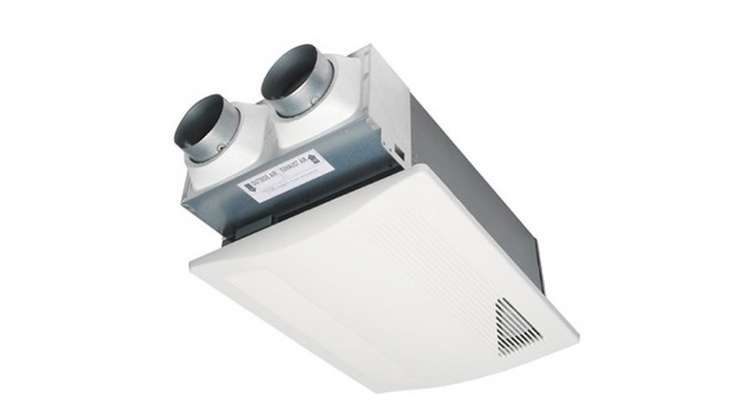
Because the team works together, long lead-time materials - like certain types of high-performance windows or custom-made heat recovery ventilators (HRVs) - can be ordered while the final design details are still being worked out, minimizing construction downtime.
Challenges and disadvantages of the design-build approach
While the benefits are compelling, particularly for green construction, the design-build model is not without its trade-offs. Homeowners and professionals must be aware of the potential drawbacks.
Loss of a traditional client advocate
With the traditional design and building model, the architect or designer would typically act as the client's advocate, protecting the design and quality during the construction phase. With design-build firms, the traditional check-and-balance system is inherently removed, and the homeowner must rely on the firm's internal quality control.
This makes it even more important to find a local reputable design-build firm for your construction project with a proven track record of delivering on their promises.
Limited design control for the homeowner
While collaboration is high, the homeowner is essentially buying a service where the design is delivered by the firm. In some D-B models, there can be less flexibility to change the design once the construction contract is signed compared to a traditional scenario where the architect can issue change orders to a separate contractor.
For homeowners, this means having all design decisions locked down early. For professionals, this means the design must be exceptionally thorough before construction begins.
Difficulty in comparative bidding
Because the design and construction are bundled, it can be difficult for homeowners to get an apples-to-apples price comparison between different D-B firms. Each firm provides a proposal based on its unique approach, team, and preferred suppliers.
Professionals will also find it difficult to check if they are getting the best value on the construction portion, as the design and build costs are often aggregated. It is generally recommended to interview at least three firms to compare their experience, sustainable portfolio, and proposed process.
Regional variables in the contract
In different English-speaking jurisdictions, the contract structure may vary. In the UK and Australia, the D-B contract is often structured under standardized contracts like JCT or AS 4000. In the US and Canada, D-B contracts are often custom or based on AIA (American Institute of Architects) or CCDC (Canadian Construction Documents Committee) templates, but significantly modified. Homeowners and professionals must always have the final contract reviewed by a local, independent construction lawyer before signing.
Who is on a design-build team and what are their roles?
The power of the design-build model lies in the seamless integration of key roles that are usually siloed in the traditional system. A typical D-B team for a residential project involves a multidisciplinary group working under a single firm principal.
The core team members
-
Principal in charge / CEO
This is the head of the firm. They hold the ultimate contractual and financial responsibility. For homeowners, they are the face of the company's commitment. For professionals, they manage the overall budget and firm resources.
-
Project manager / principal architect (designer)
The architectural or design lead is responsible for the creative concept, producing the final construction documents, and ensuring the design meets the client's aesthetic and functional goals. In a green D-B firm, this person is also the advocate for the performance and sustainability goals of the project, such as passive solar design and ensuring the project uses healthy building materials that protect indoor air quality.
-
Project manager (construction)
Often referred to as the construction project manager or simply the PM, this individual is the client's main point of contact and is responsible for the project's success. Their role is to manage the schedule, budget, contracts, and communication between the design team, the site superintendent, and the client. They ensure the design intent is translated into a buildable and profitable project.
-
Site superintendent / site foreman
The superintendent is the eyes and ears on the ground, managing the day-to-day operations. They coordinate subcontractors, oversee all trade work (e.g., plumbers, electricians, roofers), and are directly responsible for the quality control and safety of the work. They are the key person for implementing fine details like air sealing and proper insulation installation, which are critical for high-performance homes.
Specialist roles in green design-build
For sustainable homes, a D-B firm will often integrate these roles or use specialist consultants to ensure technical standards are met:
-
Energy modeler / building scientist
This specialist uses software to predict the home's energy performance (e.g., in terms of kilowatt-hours per square meter per year). They work with the designer to optimize insulation levels, window sizes, and the heating, ventilation, and air conditioning (HVAC) system before construction begins. Their work is essential for green home certification programs like LEED or Passive House.
-
Interior designer / finishings specialist
This person manages the selection of non-structural elements, focusing on finishes and fixtures. In a green D-B firm, their focus is on low-VOC (volatile organic compound) paints and building materials, sustainable sourcing, and healthy indoor air quality.
In brief
The design-build model is a powerful approach for homeowners and professionals seeking a single, accountable entity to manage a complex building project. It merges the creative design process with the practical construction process, leading to better cost control, faster timelines, and seamless communication.
While it removes the traditional client advocate role of a separate architect, selecting a firm with a proven track record in high-performance green building ensures that the design's sustainable intent is carried through to the final, high-quality structure.
Now that you know more about design-build firms, find more info about contractors & green building techniques in the Ecohome Green Building Guide and these pages below:
-
How to stay on budget when building a home - our top tips
-
Where to find the best wooden prefab homes in Canada and the US.
-
Where to find local green home architects
-
Are better insulated homes worth the money?










Comments (0)
Sign Up to Comment