

Introduction to wooden prefab kit homes
Prefab housing is gaining a lot of attention in the news and in the construction industry due to the greater speed of construction, quality and affordability it offers compared to site-built homes.
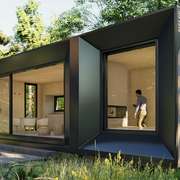
There are prefab homes made with a variety of materials, here we will focus on the prefab wood kit homes, for homebuyers who gravitate towards that traditional feel of a more 'natural' looking home with a lot of visible wood on the interior.
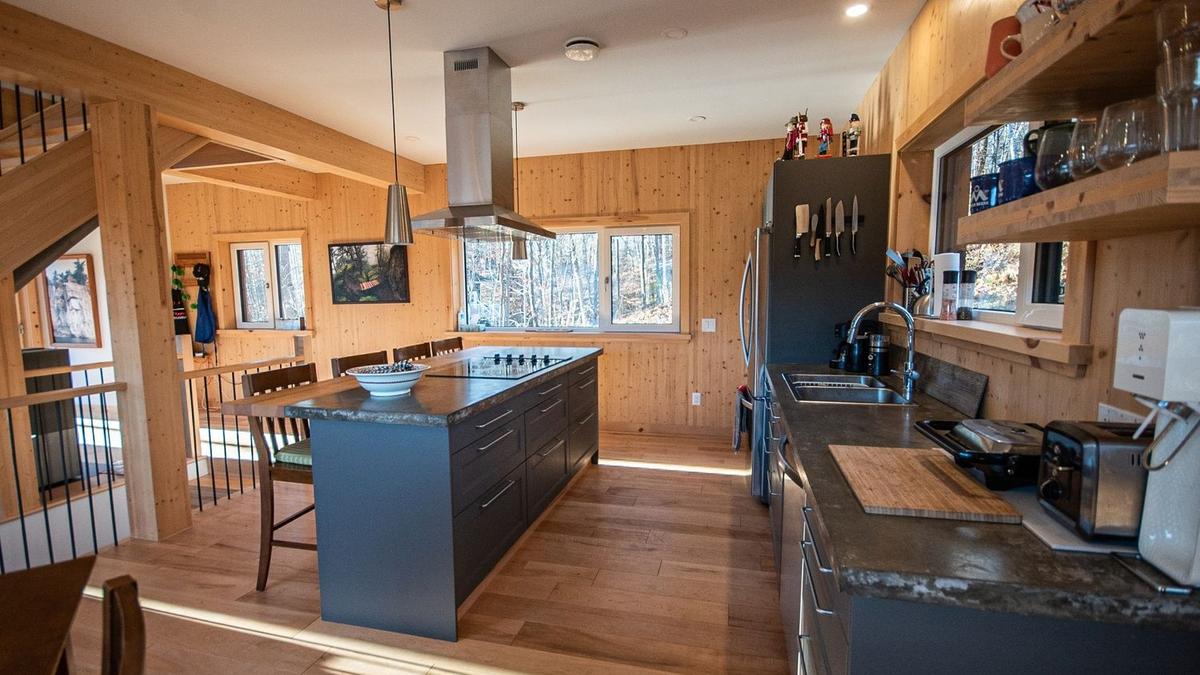
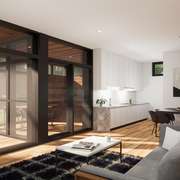
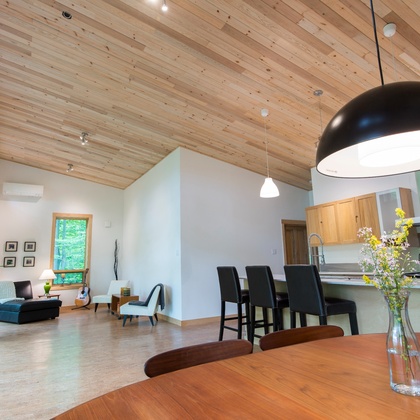
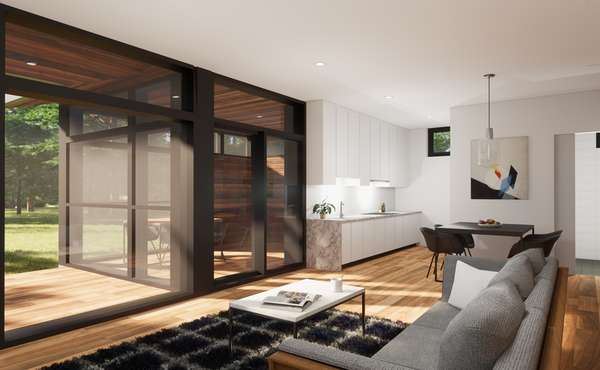
Wooden frames can be more than just the functional structure, they can be a beautiful interior design feature with a natural, warm, eco-friendly natural look and feel. Wood structures in homes are often the supporting frame themselves, or they can be just a decorative interior design feature.
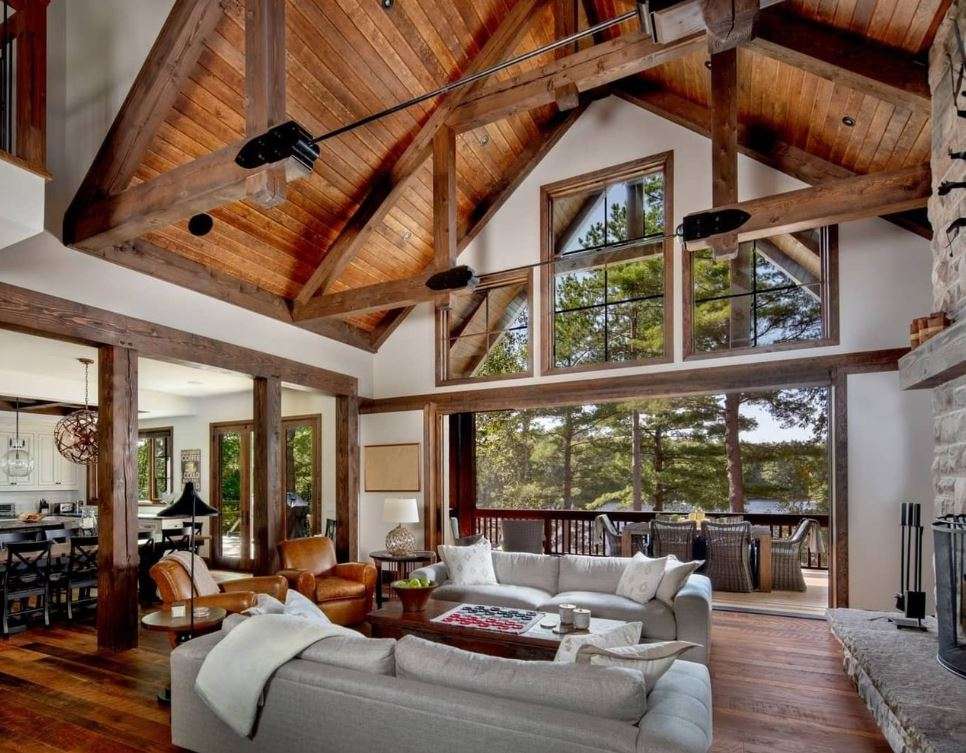
What falls under the umbrella of prefabricated wood homes is a pretty wide range, as there are a lot of traditional chalet-type designs made by artisan builders. Beyond prefab stick-framed walls, log homes and timber frame buildings were effectively ‘prefab buildings’ a couple of thousand years before the word ‘prefab’ even existed.
Post and beam, timber frame and log buildings have a centuries old history, and I speak from experience as I was a log home and timber frame builder myself for a decade early in my construction career. There is an historical ‘pioneer’ sort of pleasure that comes with manufacturing wooden components by hand with traditional chisels and hand tools, and our clients loved that about them.
This was before modern manufacturing facilities with laser-precise CNC machines and we were nowhere as quick, but even then we prefabricated our frames in the controlled environment of a wood shop and delivered them to site for assembly.
Obviously that process would eventually be automated to scale up mass production, but the feeling of living in a home built with natural materials stays the same. And they are infinitely customizable, offering home owners the ability to design homes that meet the needs of their family.

The demand for all types of prefab homes in the US and Canada, including kit-built wood homes is gaining traction in the housing industry, but in this guide we will explore the different types of wood kit houses. Canada in particular is seeing surge in interest in prefabricated construction practice to meet the lofty goals of the new Canadian government Build Canada Homes program. Here we will go over the different advantages, average costs, self-build tips, and what are the most popular models. Lets dive in:
What is a wood kit house?
A wood kit house is any prefabricated construction delivered in sections or panels, designed to be assembled on-site. Depending on the model and design, that can include just the structural frame, or it may include roof trusses, walls, windows, doors, and even interior components. See profiles and showcases of prefab home manufacturers in your area to get an idea of the options that are available to you, be sure to indicate your city/state/province to filter results to only show you manufacturers that serve your area.
Typical types of prefab wood homes available for custom design:
- Solid timber: Thick structural wood such as logs or laminated beams, stacked and acting as the interior and exterior wall surface.
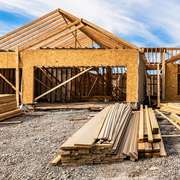
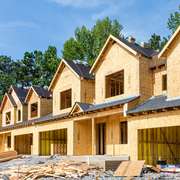
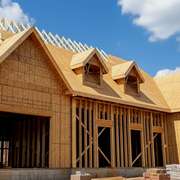
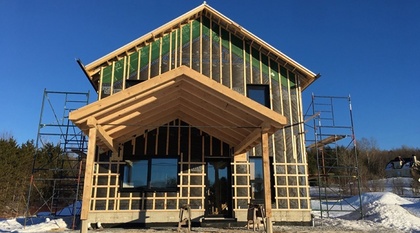
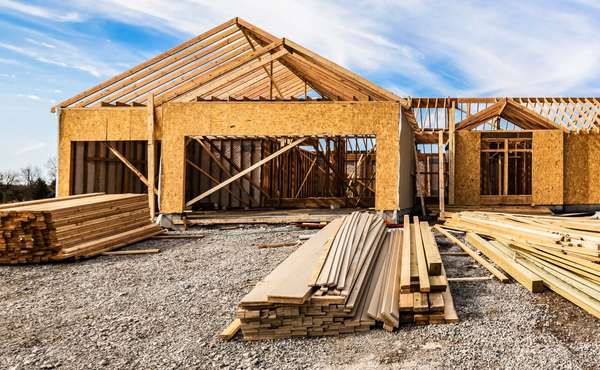
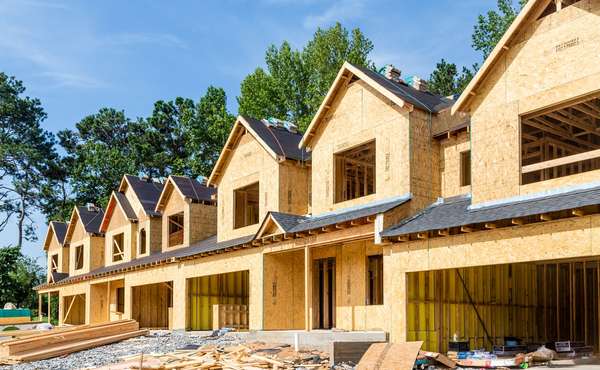
- Stick-built / platform framing: A North American standard using lightweight framing, walls can be pre-built in a manufacturing facility and delivered simply as framed walls with sheathing, fully completed walls with siding, and or any variation including framed, insulated and sealed but not finished.
- Timber Frame / Post and Beam: Large beams (usually 6x6”, 8x8” and sometimes even bigger, and assembled using traditional mortise-and-tenon style with exposed beams. These two terms get interchanged pretty freely, but by definition - a timber frame has mortise and tenon joinery, while a post and beam may look the same but be assembled with modern bolts and fixtures.
Each method of prefab construction will have its own benefits and limitations, performance characteristics and price.
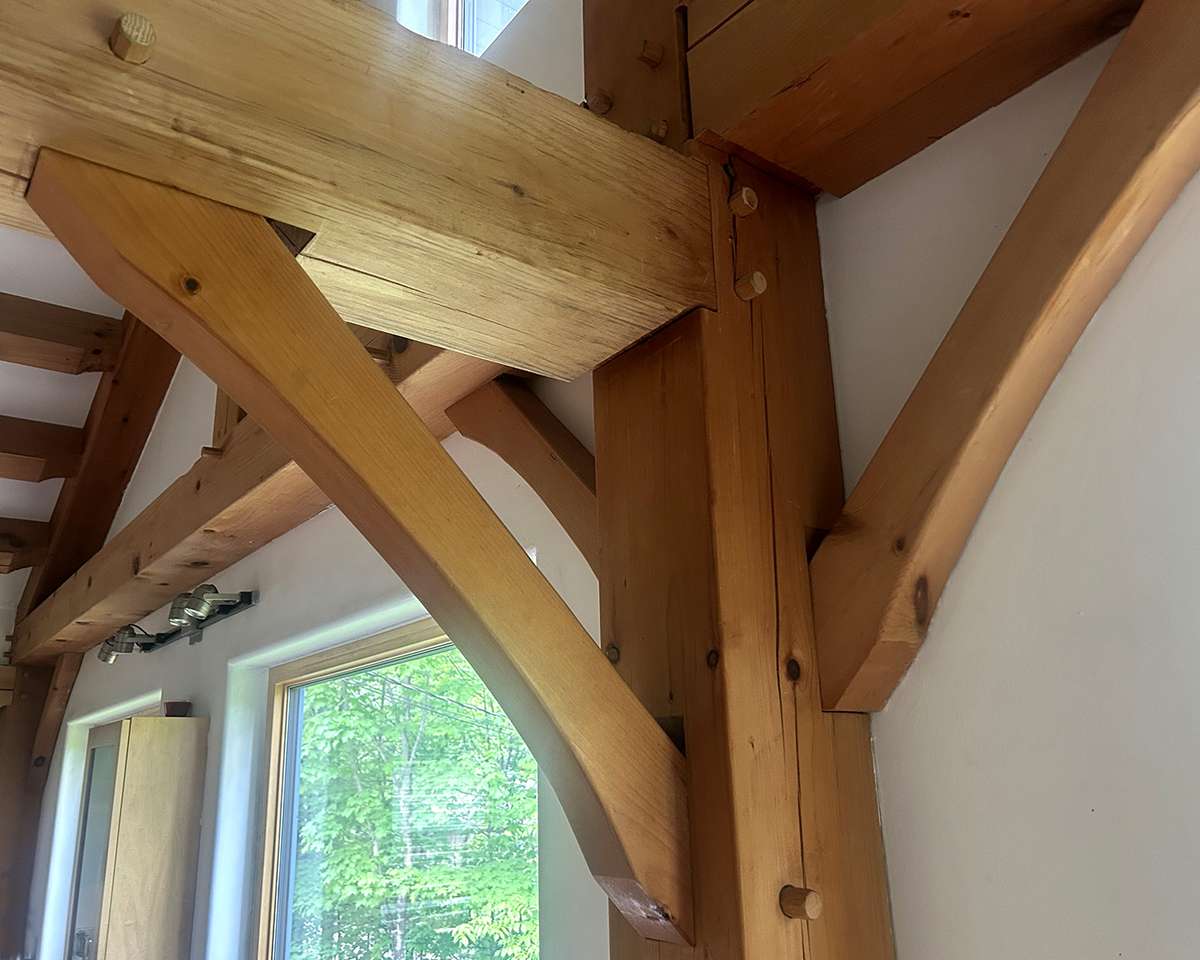
What comes with a wood frame kit?
The variety of prefab wood home kits include options such as the following:
- Custom building plans and a stack of precut standard lumber to be assembled on site;
- pre-assembled structural components such as 2x6 framed walls with sheathing only;
- Framed and insulated walls, strapped and ready for interior and exterior finishing;
- Stacked pre-manufactured log homes, numbered and ready for assembly on site;
- Timber frame kit homes with no wall assembly included;
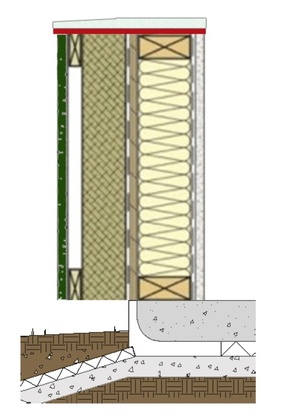
- Engineered wooden wall sections with integrated insulation.
That is a short list of the more common basic prefab home packages, but there are any number of options and designs available. Some kits are basic shells, others are pretty much turnkey ready to move in completed prefab homes.
The advantages of building with wood
Energy performance and comfort of prefab kit homes:
Whether you choose solid wood, a framed wall system, or a stick-built home, wood frame buildings lend themselves well to designs for high thermal performance, but it is important that designs always be climate-specific. Wood helps regulate interior humidity, and can offer additional thermal mass inside the building envelope to help regulate temperatures.
Here you can see our listing of prefab manufacturers in Quebec for those in or near the region, or those who would want to export a kit home to Europe to make sure designs are suitable for your climate.
Speed of assembly for Canadian and American wood frame prefab kit homes
Pre-cut wood kits can save weeks and sometimes even months of construction time. When the components of a home arrive ready for assembly by trained crews, a prefab wood kit structure can go up in as little as a day.
Sustainability and low impact materials of prefab homes
Wood is a renewable material, and using it for construction means it acts as carbon storage. To make it even more ‘eco-friendly’ you can choose sources like FSC certified lumber that monitor and ensure responsible forestry practices. Timber frame and stick-built homes use less wood volume than stacked solid timber.
Warmth, aesthetics, and atmosphere of timber frame homes
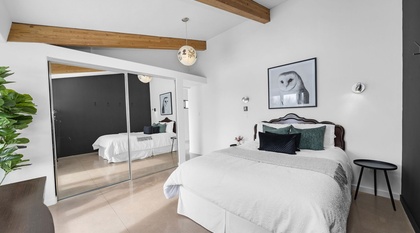
Wood homes radiate natural charm whether you're going for the look of a rustic alpine chalet, a cozy log cabin, or a sleek contemporary design with exposed beams and natural finishes. Its a fast growing market and builders are quickly expanding their stock and designs to fill market demand.
Better cost control
Kit construction in manufacturing facilities is far more consistent and predictable, so that translates into more consistent pricing. Because much of the work is done in advance, there are fewer surprises and delays on site. This is true for both simple stick-built kits and more elaborate solid wood structures.
One of the biggest advantages with all types of prefab homes is that in a manufacturing facility you don’t experience weather delays, and working in a factory also means no uneven terrain to complicate matters.
Compare solid wood, timber frame and stick-built
|
Feature |
Solid wood |
Timber frame |
Stick-built (platform frame) |
|
Appearance |
Rustic or premium |
Exposed beams, modern or traditional |
Neutral, adaptable |
|
Build Time |
Fast |
Fast |
Fast |
|
Insulation |
Excellent (natural) |
Requires insulation |
Requires insulation |
|
Cost |
Medium to High |
Medium to High |
Lower to Medium |
|
DIY-Friendly |
Moderate |
Moderate |
High |
No matter the structure, all wood homes benefit from wood's hygroscopic qualities, meaning they help balance interior moisture for a healthier indoor climate.
How much does a wood kit home cost in USD?
That is of course a very common question, but its tough to provide an accurate cost in a general way as the price of prefab wood framing depends on many factors, including:
The level of completion, type of lumber, size of raw lumber, and the intricacy of joinery. Hand carved mortise and tenon joinery with hand made wooden nails will cost a lot more than a prefab kit assembled using metal bolts and plates. So forgive the large range in price, the lower end is obviously the more basic kit, the higher ones either hand crafted and more extensively completed and offered ‘turn key’ completed.
- Small prefab cabins (200 – 425 sq.ft): $23,000to $45,000
- Chalets 24x24 ft (575 sq.ft): $50,000 to $75,000
- Mid-sized homes (850 – 1,300 sq.ft): $80,000 to $140,000
- Luxury or custom homes: $175,000 and up
What influences the cost of wood prefab home kits
- Wood type and thickness
- Insulation and energy performance
- Windows, roofing, and finish quality
- Complexity of the design (simple cabin vs multi-floor home)
- Local labor and transportation costs
Stick-built homes tend to be more affordable due to lower material mass and faster assembly. Solid timber homes are more expensive but provide unmatched character and mass for thermal stability.
Can you build a kit house yourself?
Yes, with some basic tools and a fairly good sense of construction, certain kit homes are intended to be assembled by inexperienced crews or homeowners. Many suppliers design their kits specifically for self-builders. With the right tools and good planning, it’s possible to build a wood-frame or even a log-style home yourself.
What you’ll need to assemble a prefab home:
- A solid foundation (some kits include slab specs or pier supports).
- Clear instructions and a build manual (most kits include this if the intent is to be owner built).
- A few basic tools and hopefully help from friends and family!
- Patience and time, especially for larger or multi-level homes.
Professionals you’d need to hire to build a prefab kit home
Depending on your level of experience, some pros you might want or need to hire are electricians and plumbers, and likely you would need to indicate those pros to building authorities in order to get permits. It may also be a matter of finding a quality and experienced general contractor in your area that can manage the entire assembly including all necessary trades people.
Foundations and roofs are also essential to be done well, but there are a lot of interior finishing tasks that are more just aesthetic. If you’re looking to take part in the build, the cosmetic components that don’t impact structural durability and performance are a great place to save money without risks.
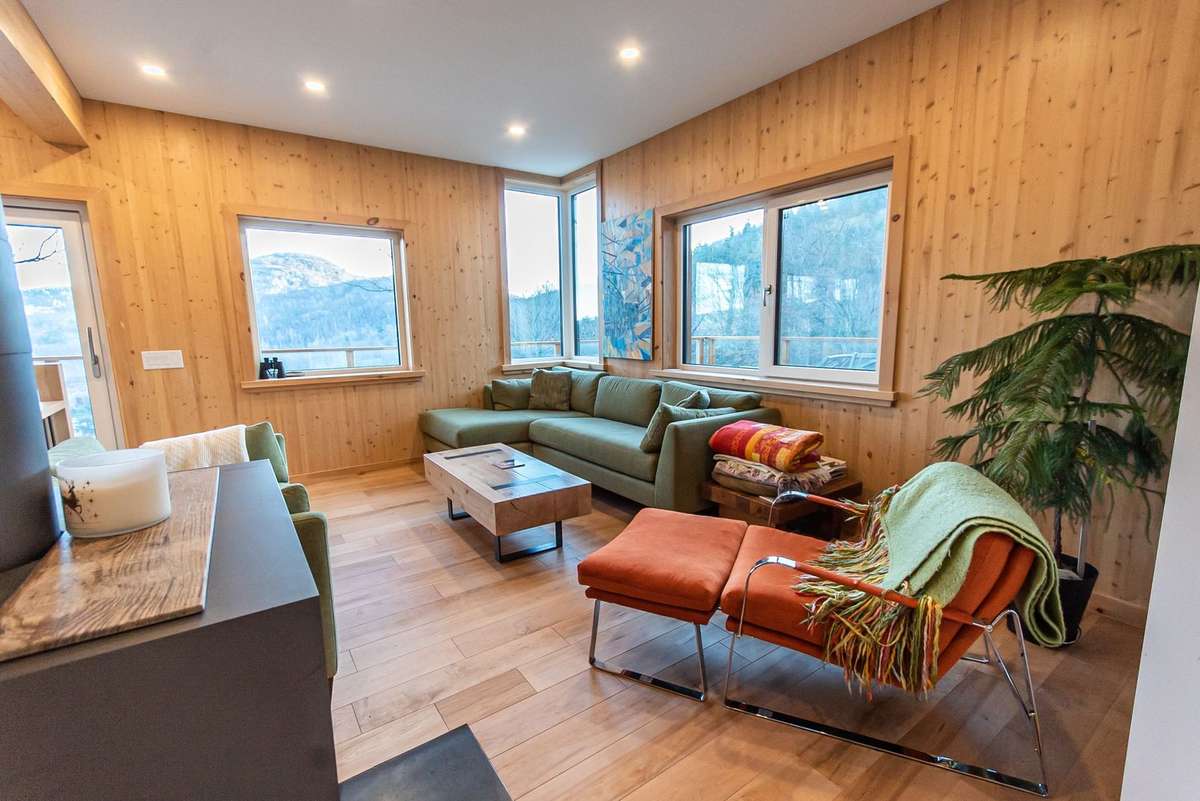
Most popular wood prefab models and trends
Compact cabins and micro-chalets
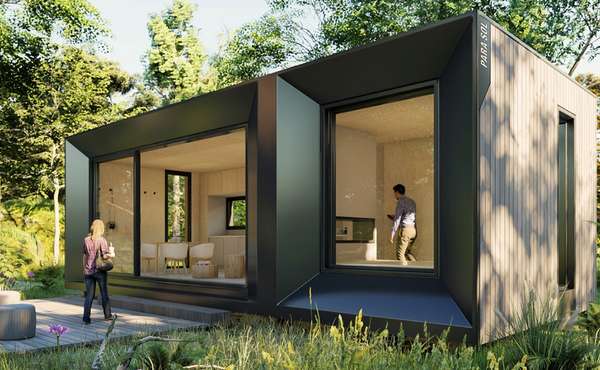
Ideal for small families, remote locations, or off-grid living. Common as vacation getaways or rental units.
Log-style homes
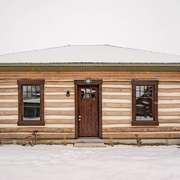
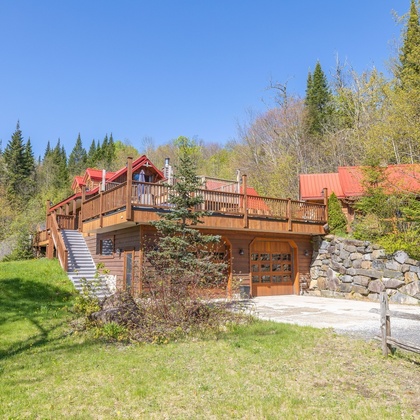
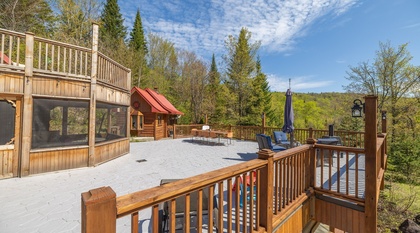
Solid wood log homes have a timeless charm and are especially popular in rural and wooded regions. These can be done with round logs or squared milled logs; one thing to consider however is the climate where you're building. Wood is only about R1.5 per inch, so in the coldest climates it tends to fall short of minimum performance standards.
Most Northern US building codes and Building Code in Canada is over R20, and an 8-inch thick log house would only be about R12, so to build one in very cold climates you may have some hoops to jump through to improve the overall energy consumption of the home.
Modern wood-frame homes
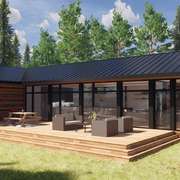
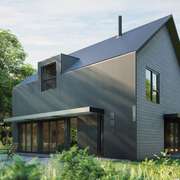
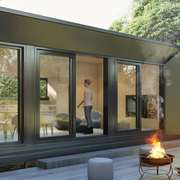
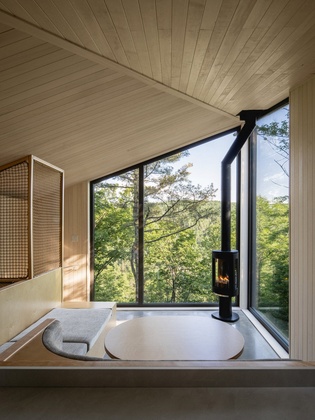
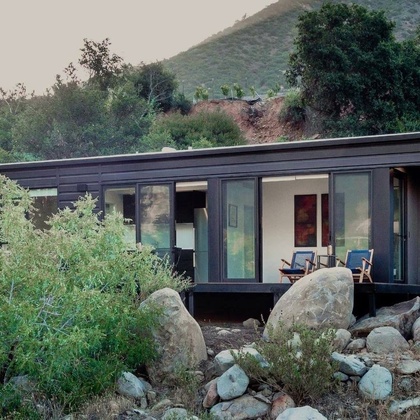
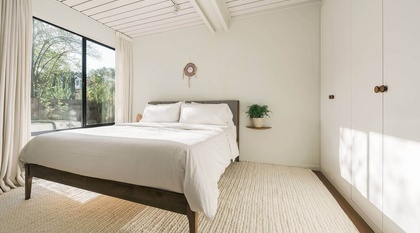
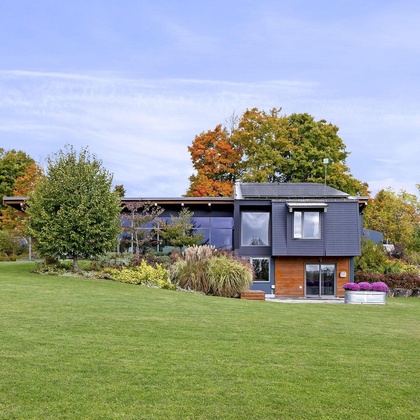
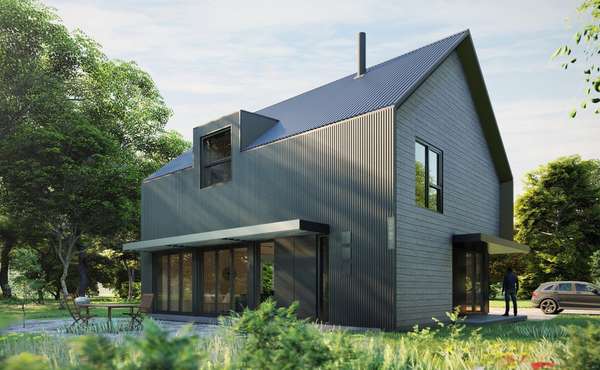
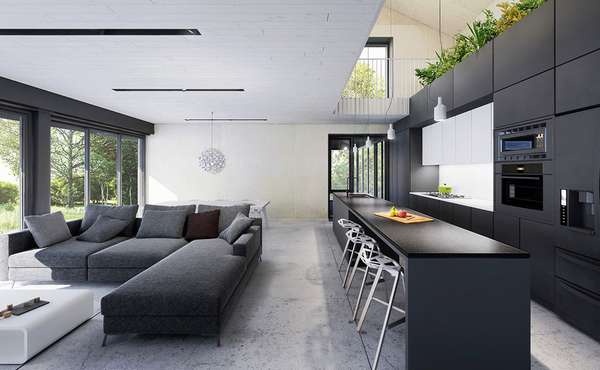
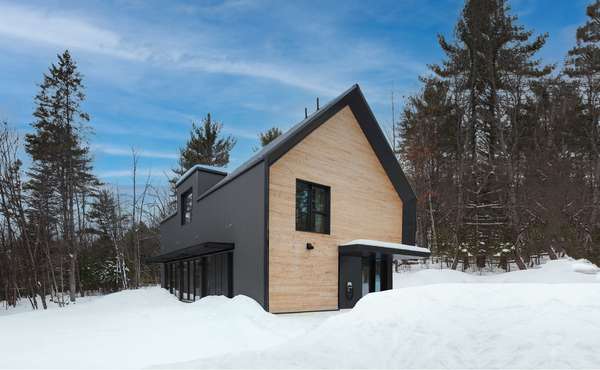
Rectangular volumes, flat or sloped roofs, large windows—these homes use light framing for a clean, contemporary look while keeping construction light and efficient.
Timber-frame hybrids
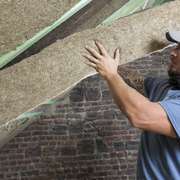
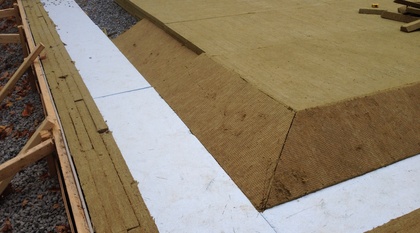
Combining exposed beams and modern insulation techniques, these homes balance rustic appeal with performance.Timber frames are particularly versatile as the structure is in place and spans can be filled with many wall assemblies. Options include - straw bale, sips, hempcrete, even framed walls with a variety of natural insulation batts like fiberglass, hemp, mineral wool, even sheep’s wool insulation.
Backyard studios, extensions and ADUs
Many choose a small wood-frame kit as a home office, garden guest room, or accessory dwelling unit (ADU). See turnkey prefab tiny houses and ADUs that arrive on a truck ready to move in.
Choosing a prefab wood frame kit home manufacturer in Canada & the U.S.
As the appeal of prefabricated homes continues to grow, ensuring a manufacturer is reputable and adheres to stringent quality standards is paramount for prospective homeowners in both Canada and the United States. A thorough vetting process can safeguard your investment and result in a well-built, lasting home. This guide outlines the key standards, regulations, and steps to confidently select a trustworthy prefab home kit manufacturer. See profiles and showcases of prefab home manufacturers in your area to get an idea of the options that are available, and be sure to indicate your city/state/province to filter results to only show manufacturers that serve your area.
Understanding the Regulatory Landscape for Prefab Homes
Prefabricated homes, which include modular and manufactured homes, are subject to a robust framework of building codes and standards to ensure they are as safe and durable as site-built homes.
- In Canada: The cornerstone of prefab home regulation is the Canadian Standards Association (CSA). The key certification to look for is the CSA A277 standard. This certification signifies that the factory-built home complies with the National Building Code of Canada (NBCC) and all applicable provincial building codes. Look for a certification label on the home, which is issued by a third-party inspection agency accredited by the Standards Council of Canada (SCC). Membership in associations like the Canadian Manufactured Housing Institute (CMHI) is also a good sign of a manufacturer's commitment to quality.
- In the United States: The regulatory landscape in the U.S. distinguishes between "manufactured homes" and "modular homes."
- Manufactured Homes are built to a single, national standard known as the HUD Code, administered by the U.S. Department of Housing and Urban Development (HUD). Every manufactured home must have a red metal tag, the HUD label, certifying compliance.
- Modular Homes must comply with the same state and local building codes as site-built homes, often based on the International Residential Code (IRC). Verification comes in the form of state-issued labels applied in the factory by a state-approved third-party inspection agency.
How to vet a prefab manufacturer step-by-step
Follow these steps to thoroughly assess a prefab home kit manufacturer:
- Verify Certifications and Code Compliance: In Canada, ask for proof of CSA A277 certification. In the U.S., confirm the home is built to the HUD Code (for manufactured homes) or the appropriate state/local codes (for modular homes).
- Research the Manufacturer's Reputation and History: Look at their years in business, check customer reviews on independent platforms, and look up their rating with the Better Business Bureau (BBB).
- Review Their Portfolio: Examine past projects and ask for references from previous clients. If possible, visit a completed home.
- Inquire About Manufacturing and Materials: Ask detailed questions about their factory's quality control program and the quality and source of the materials they use. A factory tour can provide invaluable insight.
- Scrutinize Contracts and Warranties: The contract should clearly outline all inclusions, the total cost, payment schedule, and timeline. A reputable manufacturer will also provide a comprehensive warranty. We always recommend having a lawyer review contracts before signing.
- Understand Their Services: Clarify exactly what the kit includes, their delivery process, and whether they offer on-site assembly support or assistance with local building permits.
Red flags to watch out for
Protect your investment by being cautious of any of the following warning signs:
- Lack of Certification: Avoid any manufacturer that cannot provide clear evidence of the required CSA, HUD, or state-level certifications.
- High-Pressure Sales Tactics: Be wary of manufacturers who pressure you into making a quick decision.
- Vague Contracts or Pricing: A lack of transparency in the contract or pricing structure is a major warning sign.
- Unwillingness to Provide References: A reputable company should be proud of its work and happy to connect you with past clients.
- Poor Communication: If they are difficult to get a hold of or provide evasive answers during the vetting process, this is likely to continue throughout the project.
By conducting thorough due diligence and paying close attention to these key areas, you can significantly increase your chances of partnering with a reputable prefab home kit manufacturer that will deliver a high-quality, code-compliant home. Here you can see our listing of prefab manufacturers in Canada and the USA to make sure designs are suitable for your location and climate.
Planning and permits for prefab kits
In both Canada and the US, even to assemble small wood structures you may require:
- Building permits or declarations;
- Respect for local zoning and code compliance;
- Sometimes, thermal regulations
It’s vital to check with your local building authorities before ordering any kind of kit home to see what regulations you need to follow.
Prefab house FAQs
Can I assemble a wooden prefab kit house myself?
Yes. Many kits are designed for self-builders, especially lighter wood-frame or stick-built kits.
What’s the difference between solid wood and wood-frame?
Solid wood uses thick beams or logs as structural walls. Wood-frame uses lighter pieces (studs, joists) assembled into a structural skeleton, which is then insulated and clad.
How long does a wood house last?
Well-built wood homes last 50 to 100+ years. Proper design and ventilation are key. There are still wooden homes all over Europe that were built centuries ago.
What is the most eco-friendly option?
All types of wood homes are sustainable, but stick-built kits use less material and can integrate high-performance insulation systems easily.
Are wood frame homes good in winter?
That depends on the design you choose and the overall R value of walls. Log homes are subject to a lot more air leakage and have R values limited by the thickness of wood. In the colder of climates, a timber frame may be the better choice as you can set and achieve higher performance targets by choosing different types and thickness of insulation.
In general, as long as the kit is designed to meet the challenges of the climate you’re building in, and properly insulated, wood frame kit homes are resilient and efficient.
Our conclusions on prefab wooden kit homes:
Wood kit homes, whether solid wood, timber frame, or stick-built, offer flexibility, beauty, and efficiency. They can be traditional or modern, small or spacious, rustic or refined.
If you’re looking for a fast, sustainable way to build a primary home, a vacation retreat, or a rental unit, wood is a timeless, trusted material. Explore your options, compare kit specs, and get ready to build the natural home of your dreams.
Now you know more about wood prefab kit homes and ADUs in Canada and the US. Find more pages about modular panelized homes, as well as home renovations and improvements in the pages below and in the Ecohome Green Building Guide pages.
-
See the best prefab manufacturers here in our prefab home builders directory
-
How to know when to renovate your home or tear it down and rebuild
-
Future-proof building techniques for a changing climate
-
Find tiny home manufacturers and see tiny home models here
-
Prefab construction in Toronto for affordable housing project













Comments (0)
Sign Up to Comment