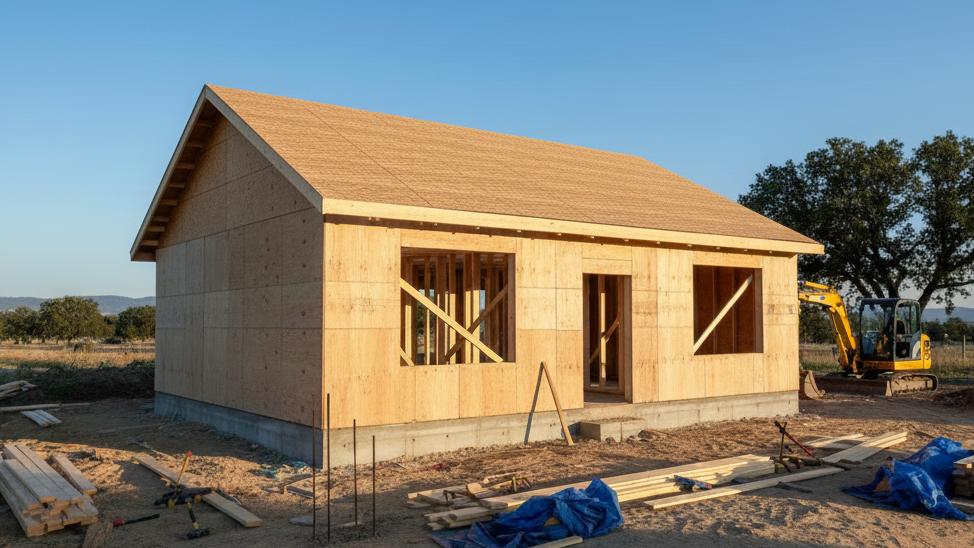
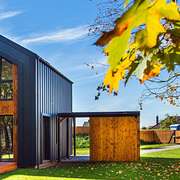
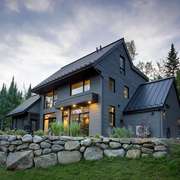

The most cost-effective home design is the most basic one. Building a home that suits your lifestyle and that you love living in is of course a top priority, but keeping it on budget so you can afford to pay for it is pretty much on par for importance.
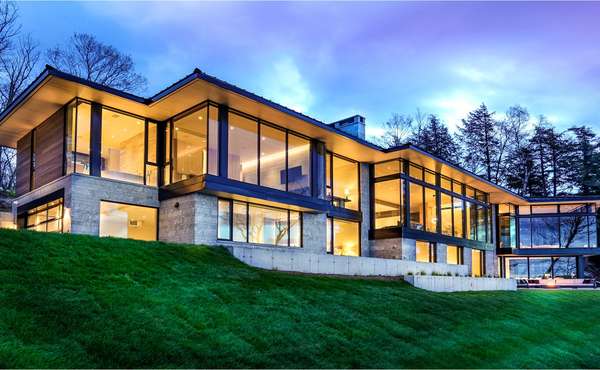
So what are the factors that most affect the cost of a home? Size is the biggest factor, but also complexity. Every corner and angle in a home design will add cost, from foundations all the way to painting the walls. This is not a suggestion that we should only ever build rectangular homes, as that would lead to a very boring world. But if we know what features add the most expense, then it's easier to prioritize in design and find the balance between cost and aesthetics.
This guide provides a comprehensive look at the key aspects of this topic. Below is an overview of the sections we will cover, allowing you to jump directly to the information you need.
- The cost of one corner from start to finish
- Which is the best type of roofline?
- The most affordable home design features
- Working with recycled building materials
- Green building material selection
- In brief: the cost of complexity summary
The cost of one corner from start to finish:
Right from the beginning when you are building a home foundation and all the way to completion, every corner you add to a house slows that process down.
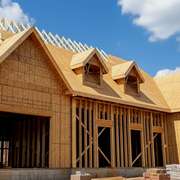
Crews first have to form a footing corner, then the same for the wall. Once a foundation is poured, each corner means more cuts and complication for framing the subfloor, the same for wall framing and sheathing, and added complication for roof trusses on top. That means more cuts for subfascia and fascia, then more cuts in roofing materials. Exterior siding will need corner pieces, so will soffits for roof ventilation.
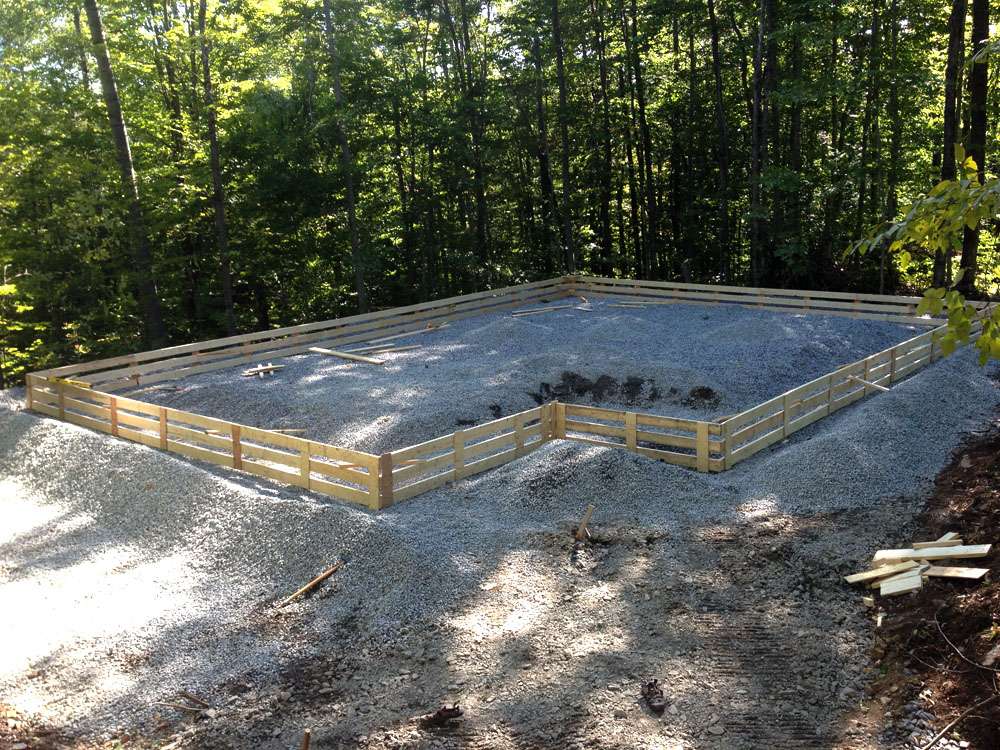
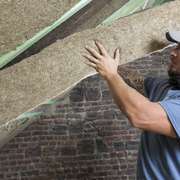
The complexity continues inside - A corner requires additional framing members to create backing for sheathing and drywall, adapting insulation, more cuts to install drywall, then finishing the corner with drywall mud. And at a corner the painter will trade their high-speed roller for a detail brush.
It means more cuts in flooring, trim boards, as well as any crown moldings. A corner turns what was effectively a 'Henry Ford-style' assembly line worker into more of a boutique artisan worker.
To be clear - I am not a hater of corners, they can really make a home more interesting. A few pop-outs breaks up the monotony of a boring straight wall. I'm a realist that is trying to help those on a budget reach the goal of building their dream home without breaking the bank in the meantime.
The reality is, if a floor plan under design has 20 corners and it's coming out too expensive, any one of them could be an easy place to trim some fat and improve the performance at the same time.
As a builder I remember well the momentum that came with a long straight run of flooring, exterior siding, roof coverings, or framing a wall with no windows. Everything goes quicker and you greatly reduce material waste, not to mention the time spent reading and re-reading plans to be sure you don't make mistakes.
And if you think re-reading your plans will avoid all mistakes, there is your first mistake. They will still happen and you need to accept that. But they happen a lot more with complicated designs than simple ones. You are also more likely to make cutting mistakes when doing angles than when doing straight cuts.
Which is the best type of roofline?
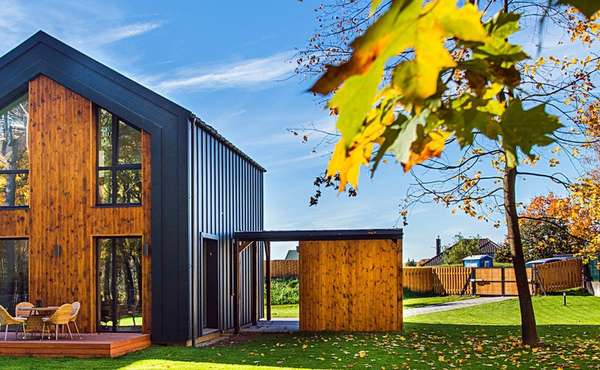
Often the nicest looking roofline is the busier and more complicated one. That's not always the case, but our eyes are drawn to intricate work, and roofs are no different. But the prettiest option is rarely the best for longterm durability and performance. The same design principle we discussed above obviously applies to roofs as well - busy costs money.
Installing a metal roof on a home with a straight roof pitch is incredibly quick, but the second you have to stop and measure to make a cut, momentum grinds to a halt.
Any time a roof changes pitch or has a valley, you will be cutting and disposing of materials. That includes framing materials, roof sheathing, ice and water membranes, shingles, or strapping and metal roof coverings. That means purchasing additional materials to account for waste, and more time-consuming labor for installers.
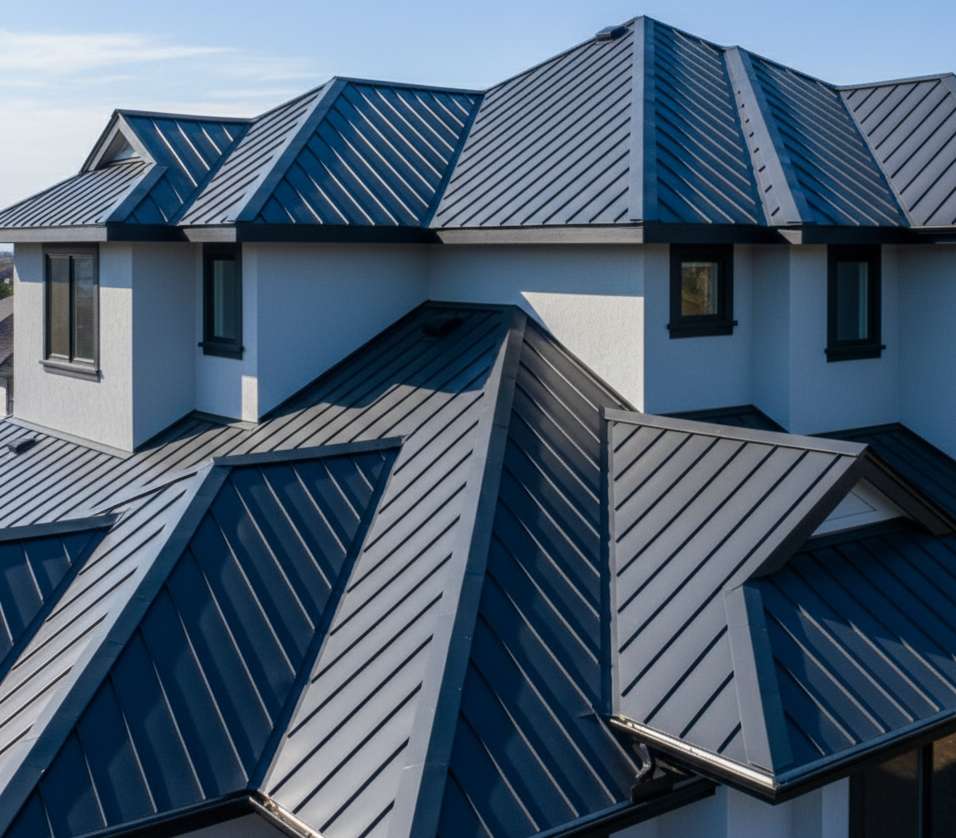
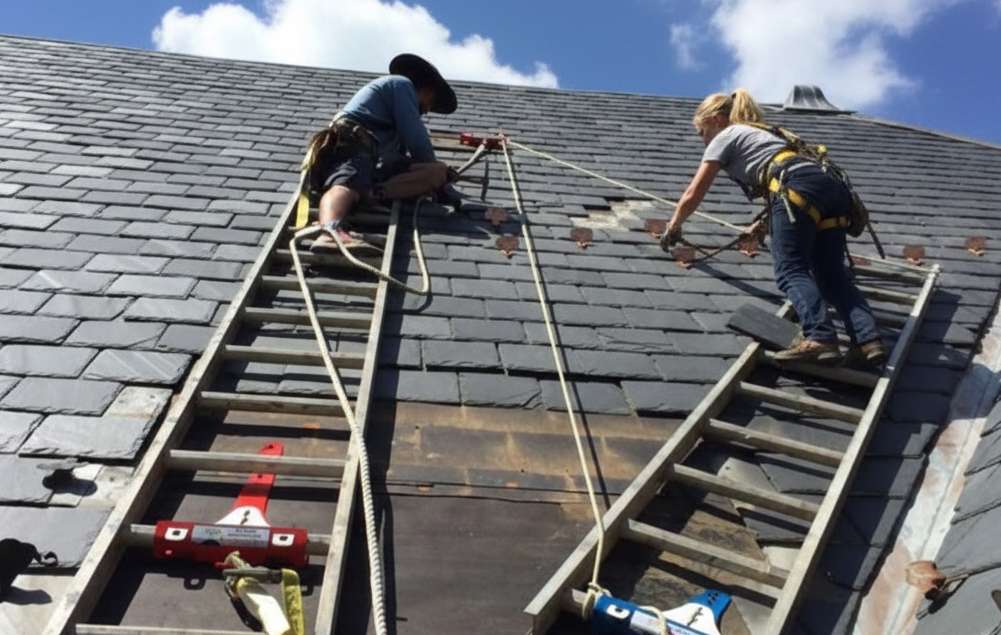
Another design feature that eats up dollars is steep roof pitches. The moment a pitch is too steep to stand on safely, things slow down significantly to ensure worker safety.
Using harnesses, ropes, scaffolding and ladder jacks are a few of the safety measures that come into play to the moment a roof is too steep to walk on safely.
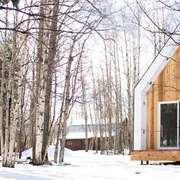
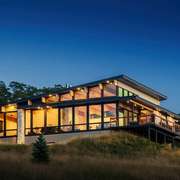
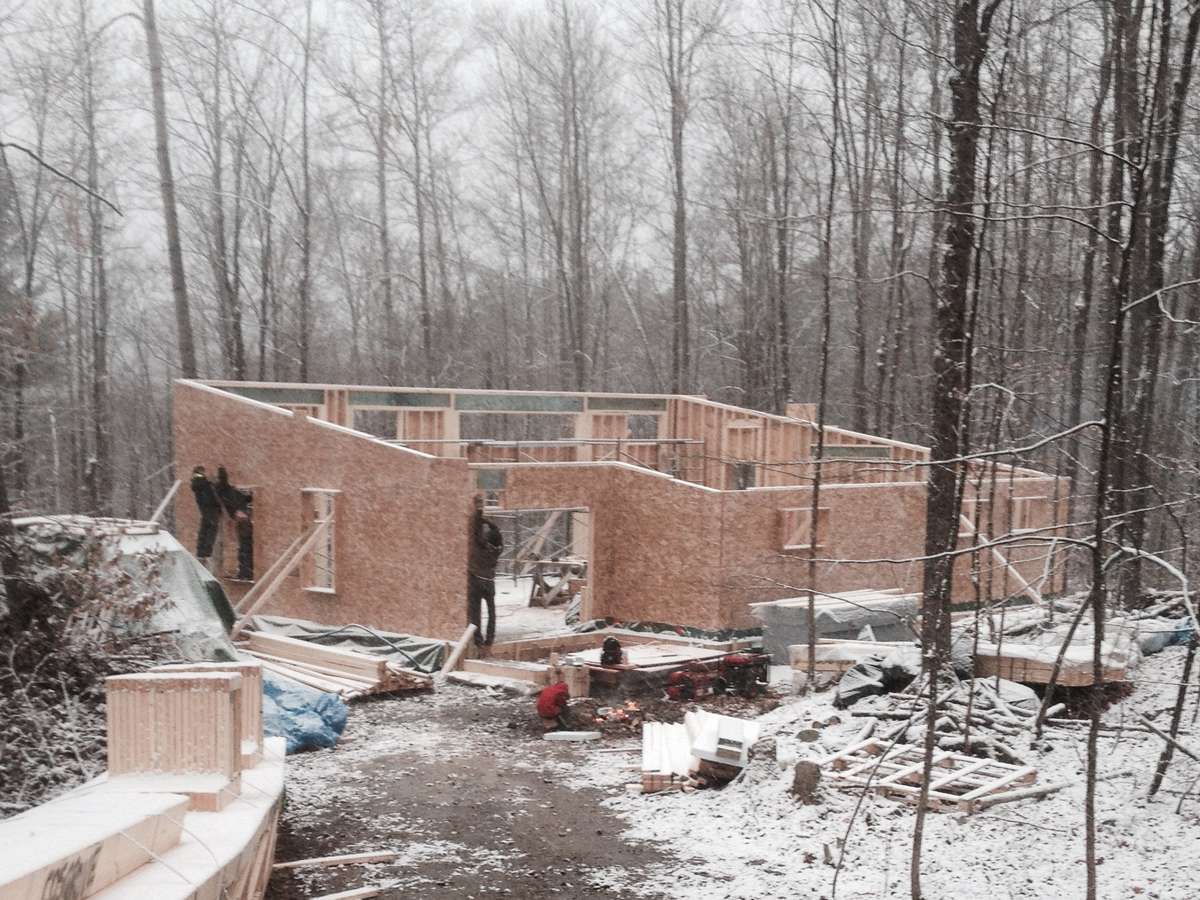
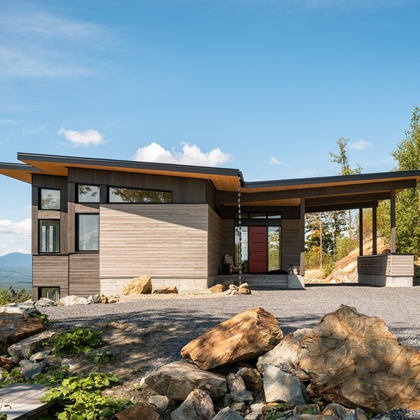
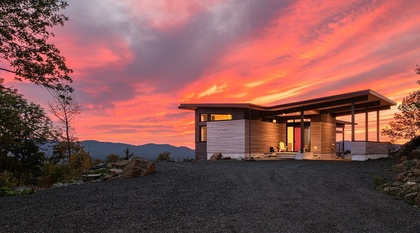
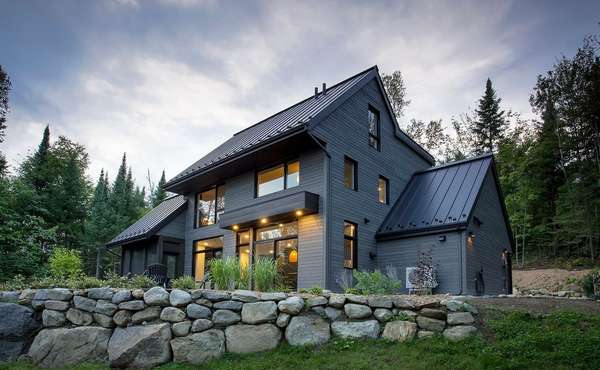
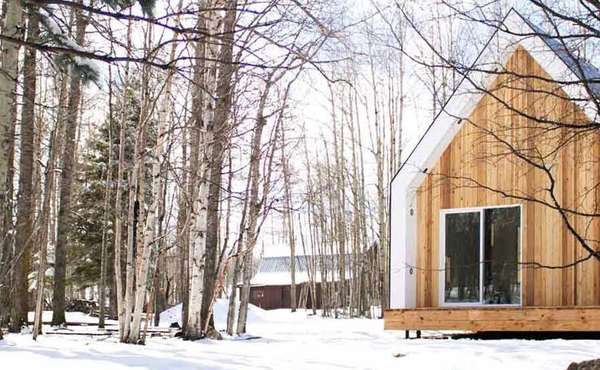
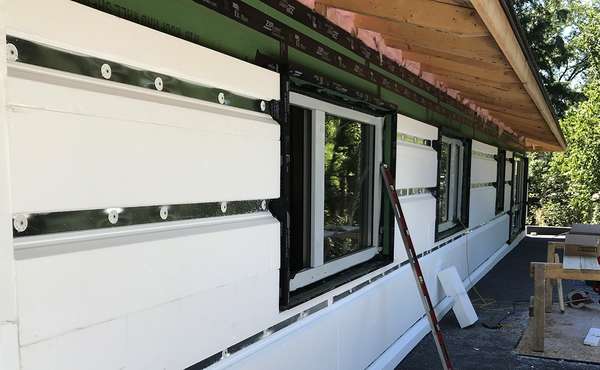
We put this very concept to the test when we built Canada's first Leed V4 Platinum Edelweiss House in Quebec. The very premise was to build a home to the highest standards of health, resiliency and energy efficiency, but to do so within a stardard home building budget. It took some creativity, but we did it.
So how did we build a LEED V4 Platinum house that also met the high standards of Passive House on a normal budget? By designing with simplicity in mind.
The most affordable home design features:
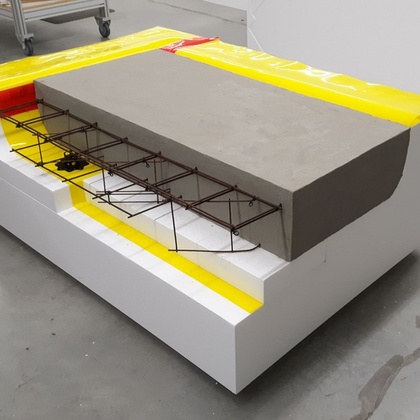
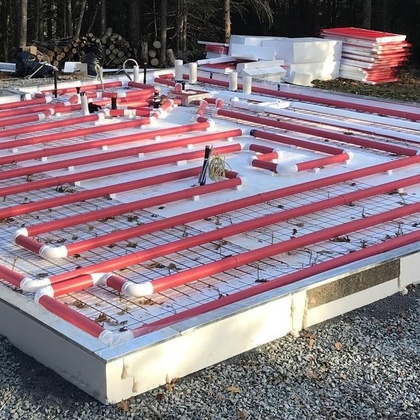
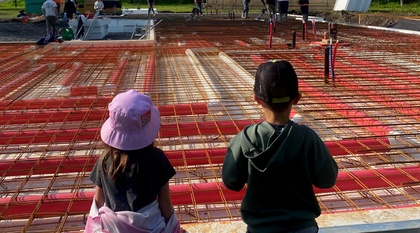
Simple foundation design: We built a frost-protected slab-on-grade foundation instead of a basement, which can be much cheaper and require much less excavation. Read here about choosing between a basement foundation or a slab on grade.
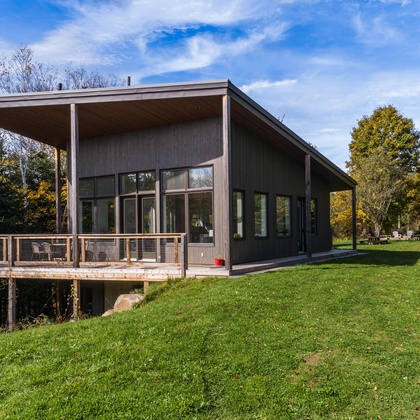
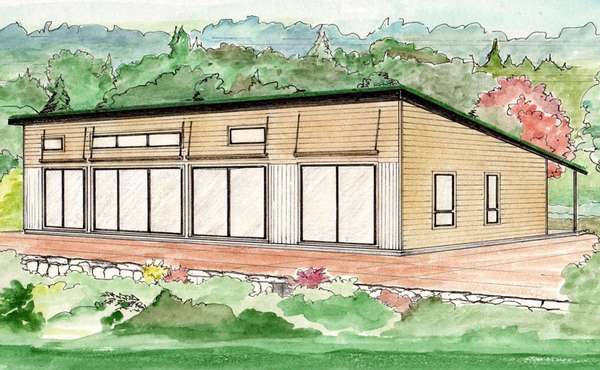
Basic model: The Edelweiss house is a bungalow, eliminating the need for stairs, which also means only one floor of heating infrastruture was needed. Being a single story also meant the roof was easily accessible from a ladder.
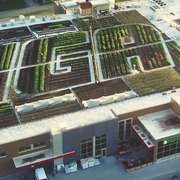
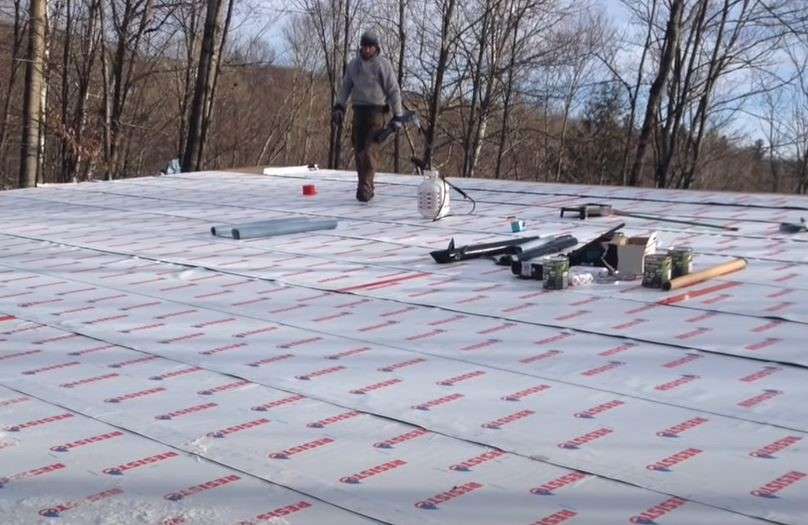
Roof line: A single-pitch and low-pitch roof is the simplest design. The roof was a perfect rectangle which greatly reduced material waste and sped up installation of membranes for a green roof. The roof pitch was 2/12, making it very easy to move about safely without being harnessed and roped in.
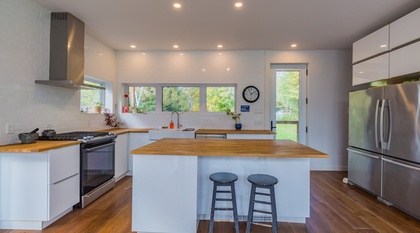
Interior division walls vs open concept: To revisit the 'costly corner' concept, every wall and corner costs money. Whether you are designing a home yourself or hiring a local architect with experience in green building requires finding the balance between private space and communal space. A home should suit your needs, but also be adaptable and have a strong resale potential.
Working with recycled building materials
Buying and selling used building materials online can cut upfront building costs, and help you dispose of excess materials for a profit rather than sending then to a landfill. This of course does present challenges when building with reclaimed materials in terms of matching sizes, colors, and finding sufficient quantities.
We like to promote recycling and upcycling of materials for the good of the planet and your wallet, but if its going to work out well it needs to be done with care. Here are some tips for working with recycled and reclaimed building materials.
Green building material selection
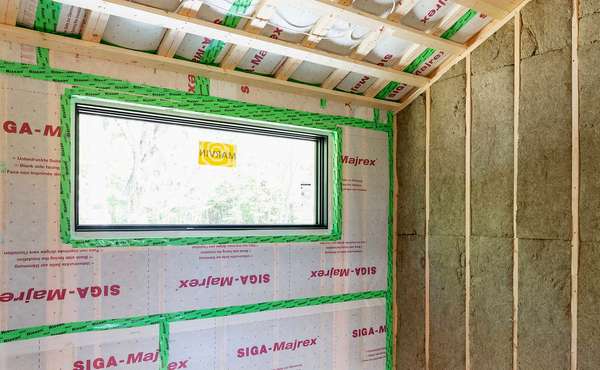
There is no getting around the fact that non toxic and sustainably harvested building materials will come at a premium, but that gap is closing as the market responds to demand. This was not an area we were going to cut corners, and not only did the home perform at the highest standards, safe indoor air quality was maintained though careful selection of non toxic and low VOC building materials.
In brief: the cost of complexity summary:
The above list of design features and the accompanying cost is something we became intimately aware of When we built the Edelweiss House, as the primary design principle was to create a high performance house on a standard budget. You can see the entire Edelweiss House building process here on our Youtube Channel.
If your budget is tight and your forehead is starting to throb staring a cost sheet, here is the order in which you should consider 'trimming the fat':
| Rank | Factor | Why it's a budget killer |
| 1 | The number of corners | The multiplier effect: A single corner adds labor and waste to the foundation, framing, siding, drywall, flooring, and trim. |
| 2 | Roof complexity (valleys/pitches) | Safety & waste: Steep pitches require expensive safety gear; valleys create piles of wasted material you've already paid for. |
| 3 | Overall footprint (size) | Material volume: While size is the biggest factor, a large simple home can sometimes cost less per square foot than a small complex one. |
| 4 | Interior trim & finishes | The artisan trap: Complex angles turn fast-moving installers into slow-moving "boutique" craftsmen. |
Now that you know more about what home features cost the most, find more info about green building design and material selection in the Ecohome Green Building Guide and these pages below:
-
Our top tips for staying on budget during home renovations and new builds
-
Where can I find a green home architect near me?
-
Design build firms - what do they do and are they a good idea?
-
Sign up here for the Ecohome Resilient Design Principles webinar











Comments (0)
Sign Up to Comment